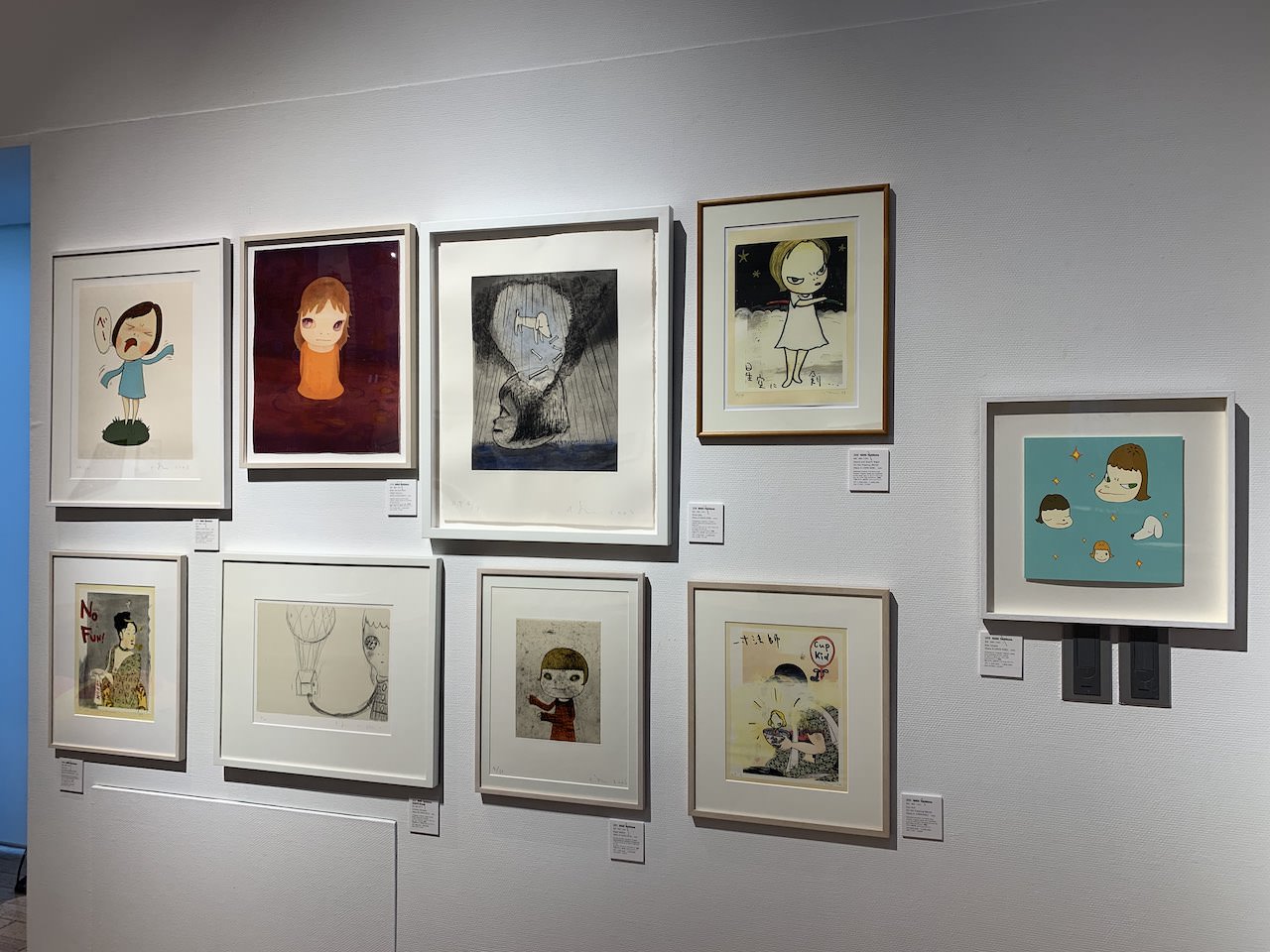
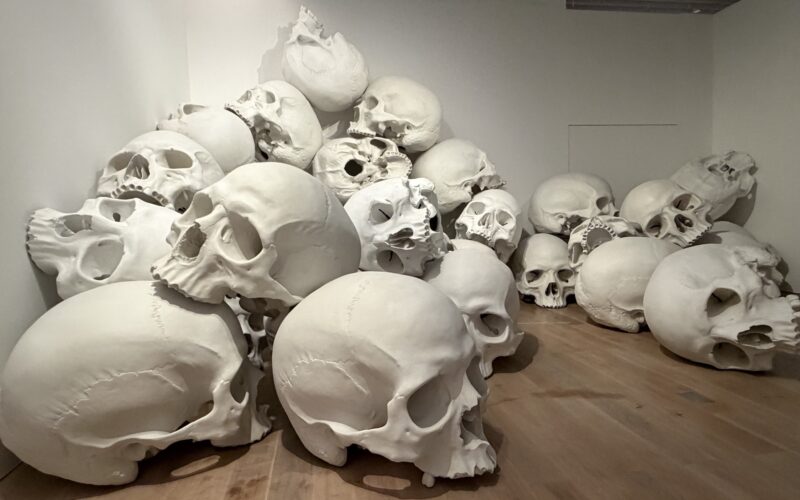
In this article, I’d like to comprehensively summarize “how to buy art works,” which I’ve long wanted to write about.
Unlike overseas, in Japan the buying and selling of art works can’t be said to be a common custom, but if you read this article you should notice that there are many options for anyone to buy easily, and I’d like to widely convey that it’s not something stiff and high-threshold like entering an antique shop in Ginza.
This time I’d like to write, centering on “contemporary art works”—which are also what I myself collect—about where you should buy art works, the point being that. Bluntly, there are about seven methods to buy “contemporary art works.” You select among them as appropriate depending on the artist and work.
[1] Buying at a department store
The department stores called general department stores (or similar commercial facilities) have art-goods sections and permanent galleries. Artworks are displayed to be sold as products, and in the galleries, fixed-period planned exhibitions and solo shows are held, with works displayed with price tags properly shown.
Department stores often have a designated staff member with “art representative” printed on their business card; once you get friendly, they’ll tell you work information before exhibitions or accept advance reservations. Of course, even without befriending staff, department stores are courteous and will respond politely to individual inquiries. Also, artworks are often displayed and sold in salons that only a department store’s best customers may enter, and entry to such limited spaces may be possible depending on the case.
Also, from my experience, if a planned exhibition’s sales aren’t going well, in the middle of the run“you can consult about a discount” in some cases. Of course, a department store’s stance may be not to discount. Since responses differ by individual store, please be careful.
Also, depending on the plan, the gallery may hold the sales initiative. Even if it looks like a department store’s plan, there are not a few cases where the arrangement of artists and works is effectively left to a gallery. If there’s an artist you’re after, inquiring at their affiliated or handling gallery is also a way.
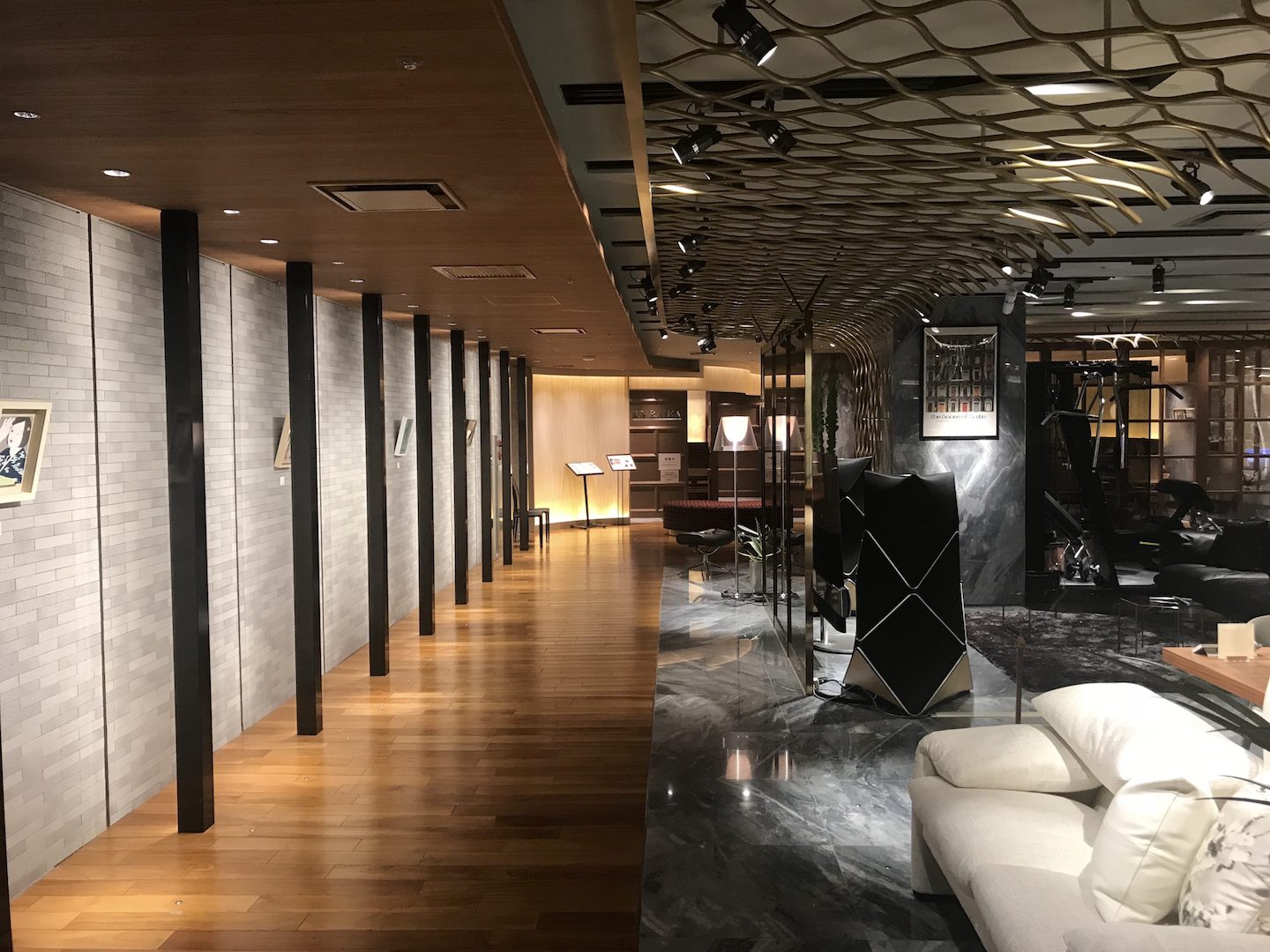
The art floor of Shinjuku Isetan
[2] Buying at a gallery
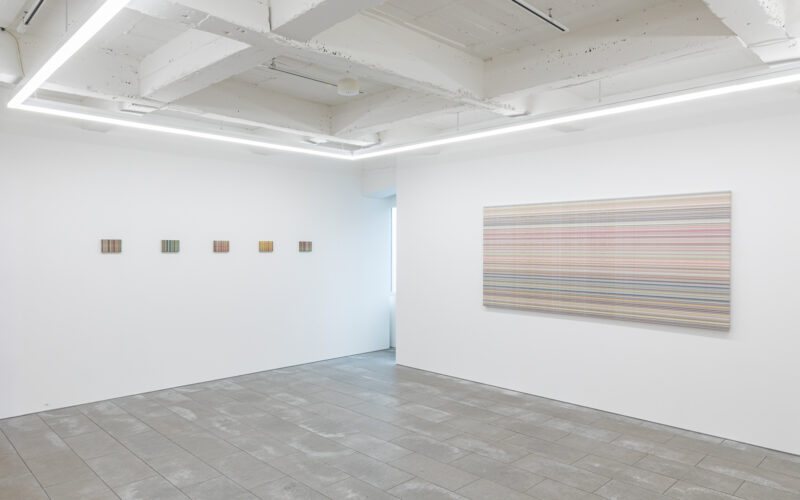
Buying at a gallery is the basic style when buying contemporary art works.
Entering a gallery may take a little courage, but a fun world awaits.
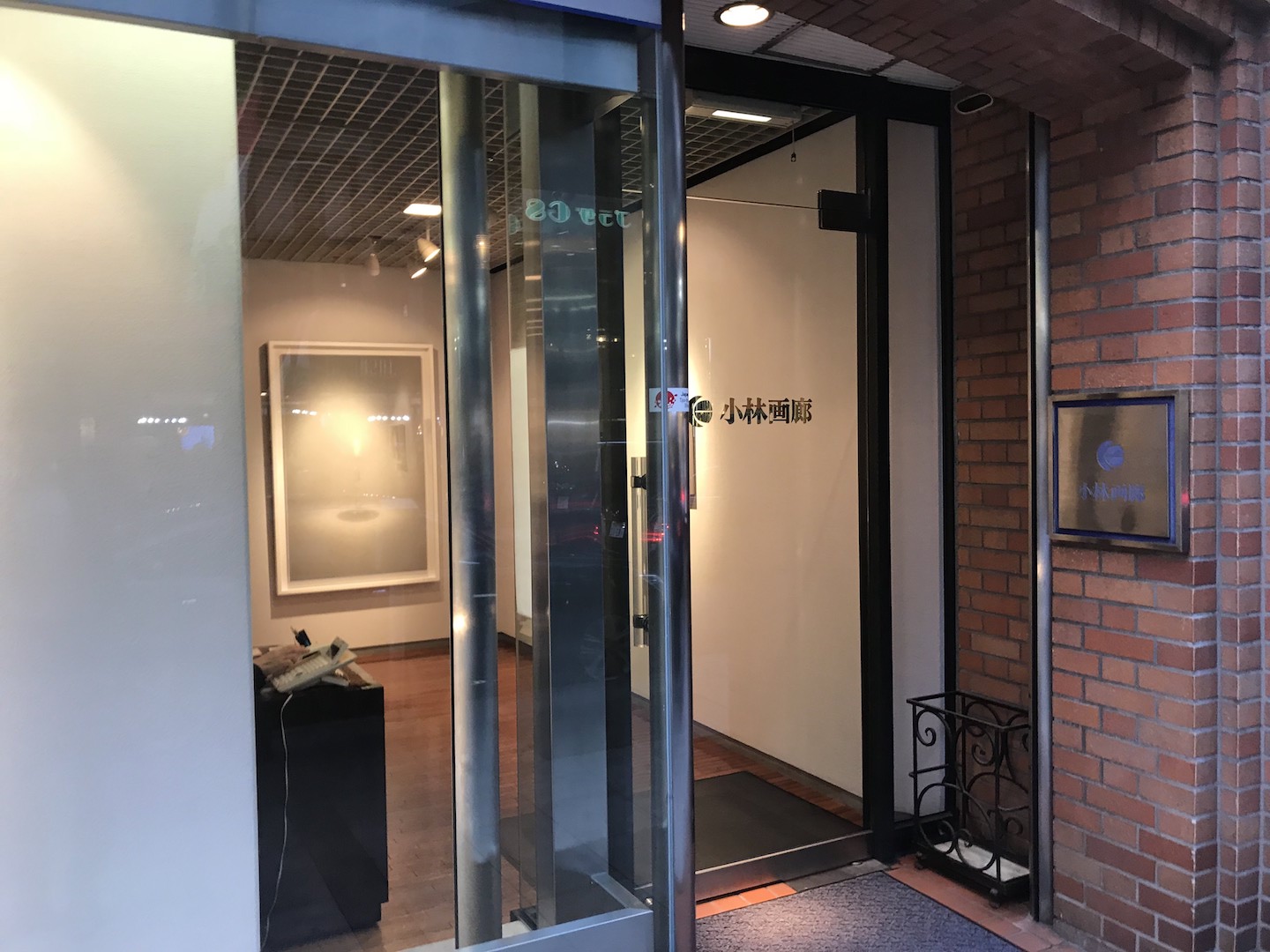
In Tokyo, at commercial galleries in areas like Ginza, Kyobashi, and Nihonbashi, Kanda and Asakusabashi, Roppongi and Aoyama, and the Shinjuku-Yotsuya area, many exhibitions are always being held.
Exhibitions held during pre-scheduled periods, unlike large art exhibitions at museums, basically allow “free entry.” In some cases tea, coffee, or sweets come out and you receive unexpected hospitality—strange, isn’t it? Why is that…? The answer is simple: they operate through the “sale” of works.
At these galleries’ exhibitions, the works entrusted from the artist are sold for the first time—called the “primary market”—and the business model is that the gallery receives “50%” of the work price as commission (commission rates vary by case).Purchase is, in principle, “first-come, first-served” as the norm. If there’s an artist or work you’re aiming for, you’ll end up swallowing tears unless you go in the first half of the run. Please be careful.
Buying at a gallery gets into quite detailed content, so I’d like to properly organize it on another occasion. *I’ll update the article later.
It may be hard to enter at first, but once you step in, the art world opens up!
[3] Buying at an art fair
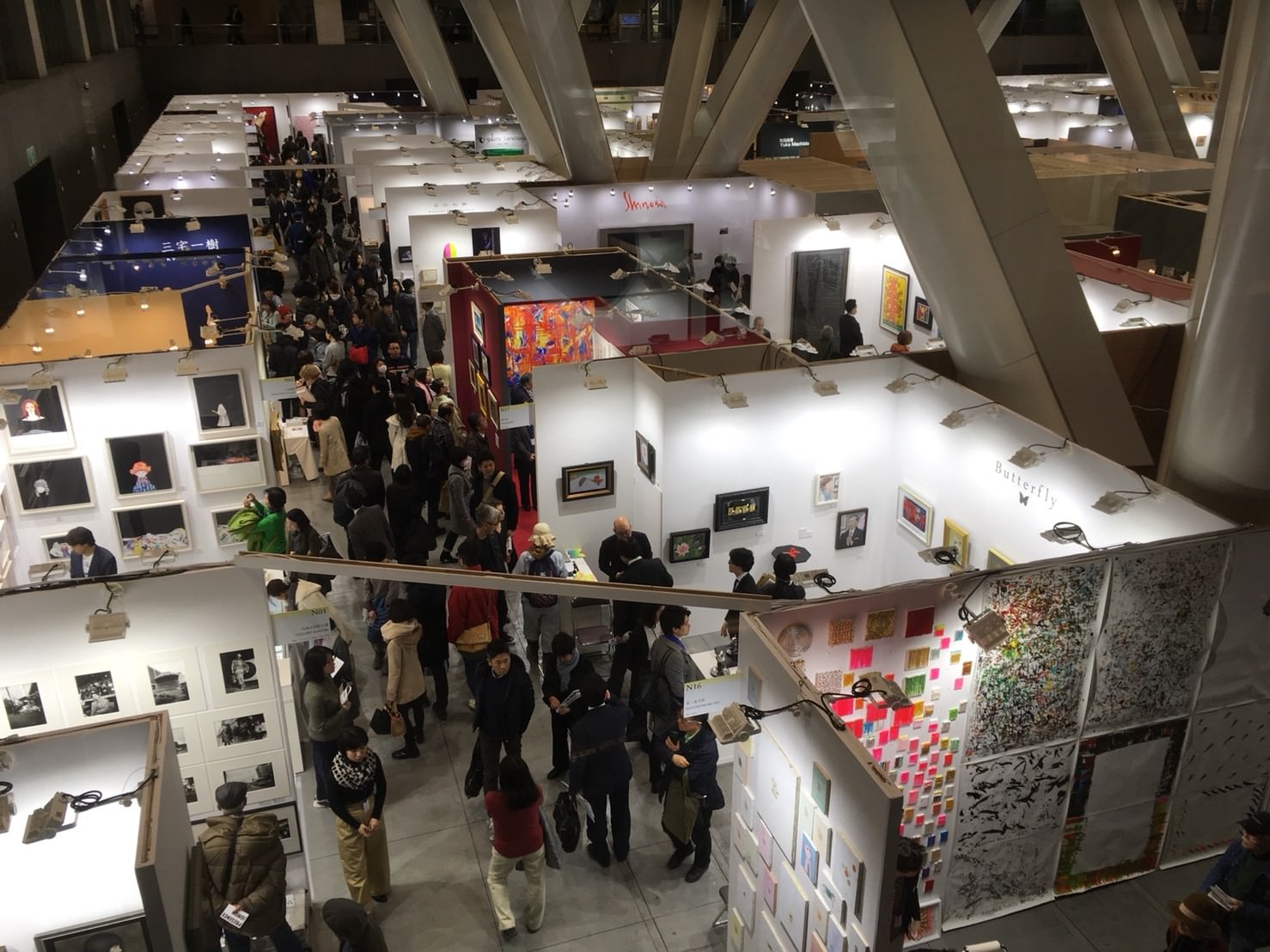
Solo exhibitions held at galleries are wonderful opportunities to view one or a few artists face to face, but an art fair, with encounters with many artists and works, seems to serve a certain function in Japan too as a huge art trading market. The largest market in Japan would be “Art Fair Tokyo.” It’s a paid event but a major art festival bustling with many works and visitors.
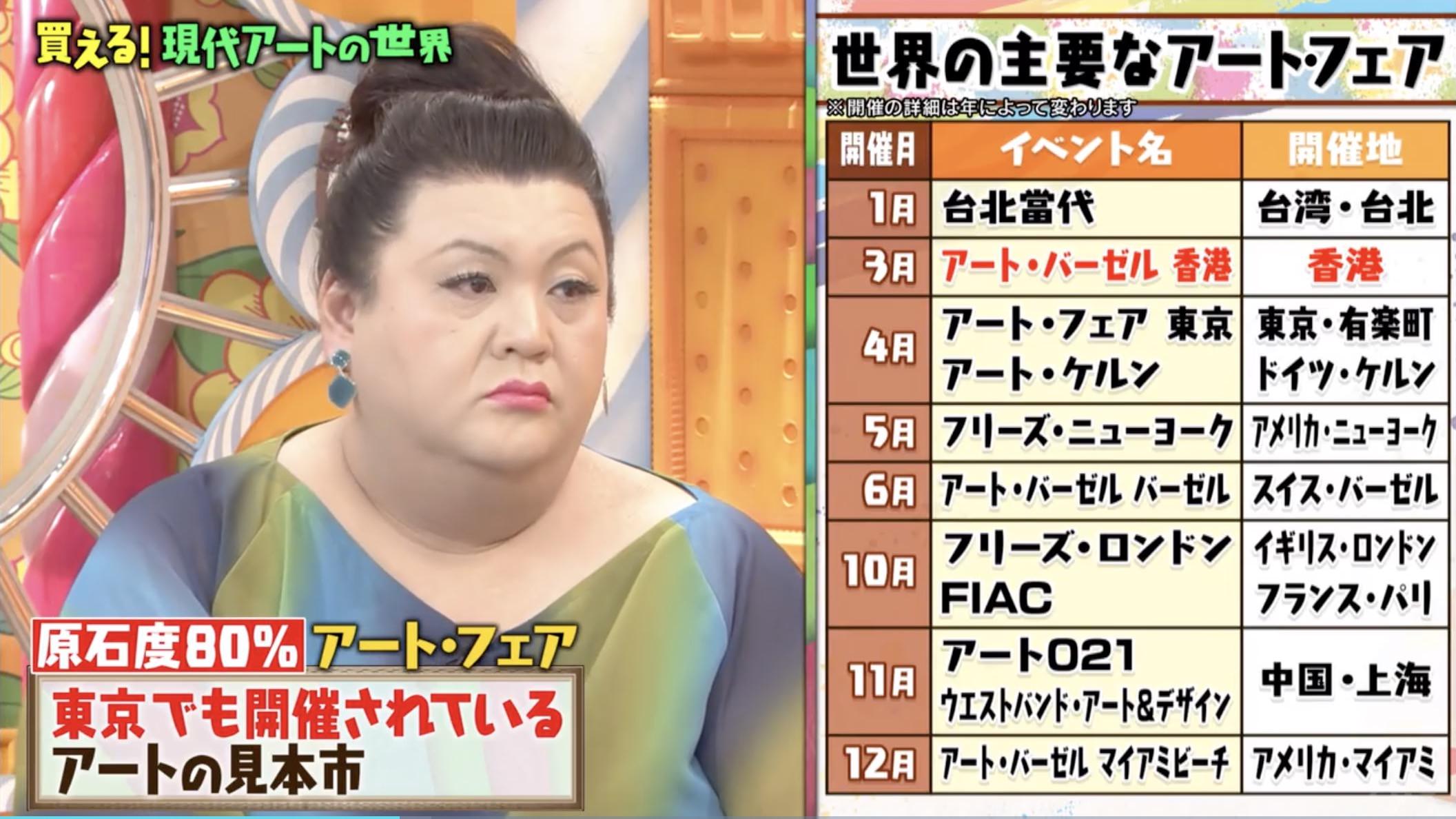
The world’s major art fairs—from TBS’s “Matsuko’s Unknown World,” broadcast June 18, 2019, “Contemporary art you can buy”
At “Art Fair Tokyo,” many domestic galleries, including exhibitors from abroad, gather and display works for sale, but it doesn’t have the international name recognition of Art Basel, and international artists like Yoshitomo Nara don’t participate; still, it’s a chance for galleries to show their skill and a plan that becomes a kind of status for artists too.
Art Fair Tokyo, scenes of the venue
Also, it’s an event set apart from contemporary art, but at festivals of young creators like “Design Festa,” like “Design Festa,” artists included in the art category exhibit and draw attention.
From my perspective, I hope promising artists emerge from such culture. It’s a high-energy event, so please go on-site and feel the atmosphere.
[4] Buying online
Buying via online mail-order through sites like Amazon and Rakuten also seems familiar in the contemporary-art industry. Globally there’s Artsy, and in Japan platforms such as 「TAGBOAT」, and the aforementioned department stores also have, as online measures, online sales.
There are also efforts like Terrada Warehouse’s “BAZART,” which does everything from art-work rental to sales, and services lowering the hurdle to purchase have begun.
*BAZART ended its service on Thursday, December 26, 2019.
As media that can be accessed casually, next-generation efforts that invigorate the art market will likely increase, centered on the digital domain. Something to look forward to.
[5] Buying directly from the artist
Most art practitioners use web services like their official sites, Twitter, Instagram, and Tumblr to send out their profiles, work portfolios, and activity information. They disclose contact points where you can reach them directly, and we’ve entered an era where you can communicate directly with artists.
Sensitive collectors diligently gather information, and there are cases of approaching directly. Artists respond positively to inquiries and advance communication where interests align.
Buying directly from the artist is also possible, and there seem to be several patterns. I’ve organized what roughly falls within this range.
A method of confirming purchasable works through inquiry. Payment to a personal account; packing and shipping done by the artist.
Cases connected to sales platforms like BASE and STORES.JP, developing broad sales including work introductions. Payment via the platform; packing and shipping by the artist.
Cases listing on Mercari. Payment via Mercari; packing and shipping by the artist.
As an extension of this case, commissioning the artist to make a work (commission work) is also possible. Whether or not the artist accepts is up to them, but it’s one of the options with a high possibility of getting a work close to your taste.
[6] Buying at auction
The auctions taken up in this section are neither “Yahoo! Auctions (Yahuoku)” nor “Mercari.” I don’t intend to deny either, but the current understanding is better put as: in the art industry, where provenance (purchase history) is valued, they don’t quite fit.
Globally, auction houses like Sotheby’s and Christie’s, and domestically SBI, Shinwa, Mainichi, and others, hold catalogs and pre-exhibitions, and carefully acquired art works are, as the name suggests, traded at auction. The works put up are provided more from collectors or galleries who have already purchased than directly from artists. You could call it a so-called “secondary distribution place.”
The provided works are displayed at preview venues. An exhibition you can view for free, full of masterpieces—truly fun!, so it is. Even without actually buying, you can enter the venue without registration. I think art also requires seeing many works to train the eye.
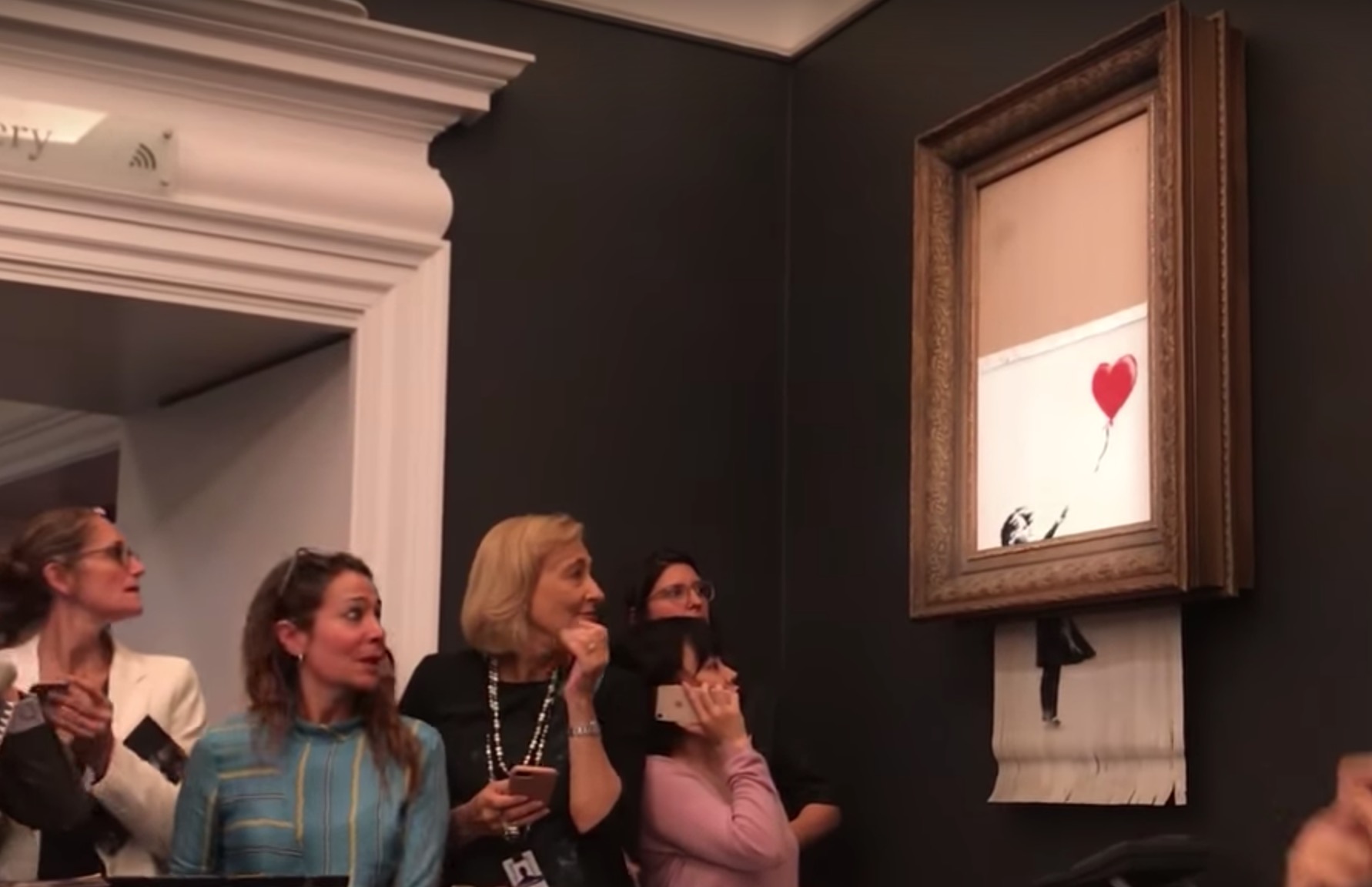
The “Banksy” incident that happened at an auction venue is famous, isn’t it?
At auctions, works on the higher end price-wise are lined up.
Even if not for the purpose of buying, I think just knowing what kind of works get what prices has meaning. Just looking at the free catalog you can get is fun and educational, I think.
[7] Exchange or trade among collectors
There are collectors who routinely exchange information through SNS connections. Exchange and trade with trustworthy collectors are done not a little. Recently, “collector exhibitions” that display works owned by collectors themselves are being held mainly at galleries, and I feel that places to show one’s own collection to the public have increased.
It’s not a place to directly sell owned works, but there are cases where an exhibition space for the owned artists is set up alongside, providing an opportunity to sell works.
Even just secretly enjoying works by yourself is plenty meaningful, but exchange with fellow art lovers is fun.
Information exchange, exchanging owned works and episodes—relationships with fellows you can empathize with will surely broaden the joy of art.
Collectors exchanging or trading among themselves may still be rare, but I’d be glad if such a culture dwells among the many options.
Summary
Above, I’ve conveyed the “7 ways” to buy art works.
If you clearly have an artist you’re after, you can get the work by going to an exhibition held at a gallery. If you have no favorite artist, or don’t know what to buy, I think it’s good to use sites like Tagboat to gauge your own taste, such as the price feel according to work and size.
Or, by seeing many works at art fairs, accumulating encounters with the artists themselves, you may organize your own tastes.
My own awareness of art blossomed the moment I got a certain inexpensive work. I think if you buy one work, you can make this rich world your own.
이번 기사는 줄곧 쓰고 싶었던 「아트 작품을 사는 방법」에 대해 망라적으로 정리해 가고자 합니다.
해외와 달리 일본에서는 아트 작품의 매매가 일반적인 관습이 되어 있다고는 할 수 없는 상황이지만, 본 기사를 읽으면 누구나 부담 없이 구입할 수 있는 선택지가 많이 있다는 것을 알아차리실 것입니다.
긴자의 골동품점에 들어가는 듯한 딱딱하고 문턱이 높은 것이 아니다라는 것을 널리 알려 드리고 싶습니다.
이번에는 필자 자신이 컬렉션하고 있는 대상이기도 한 「현대 아트 작품」을 중심으로 아트 작품은 어디서 사면 좋을까?라는 점에 대해 기술해 가고자 합니다.
단도직입적으로, 「현대 아트 작품」을 구입하는 데에는 7가지 정도의 방법이 있습니다. 작가나 작품에 따라 그것들을 그때그때 선택해 가는 형태가 됩니다.
【1】백화점에서 구입
이른바 종합 백화점이라 불리는 백화점(또는 유사한 상업 시설)에는 미술품 매장이나 상설 화랑이 놓여 있습니다. 상품으로 판매하기 위해 미술품이 진열되고, 화랑에서는 기간이 정해진 기획전이나 개인전이 개최되며, 작품에는 가격표가 제대로 표시되어 전시됩니다.
백화점은 명함에 미술 담당으로 인쇄된 정해진 담당자가 있는 경우가 많아, 친해지면 전시 전에 작품 정보를 알려 주거나 사전에 예약을 받아 주기도 합니다. 물론 스태프와 친하지 않아도 백화점의 대응은 정중하여 개별 문의에도 정성껏 응해 줄 것입니다. 또한 백화점의 우수 고객만 입장이 허용되는 살롱에 미술품이 전시 판매되는 경우도 많아, 그런 한정된 공간으로의 입장도 경우에 따라서는 가능해집니다.
또한 필자의 경험입니다만, 기획전의 판매가 신통치 않으면 회기 도중에「할인 상담이 가능한」 경우도 있습니다. 물론 백화점의 방침으로서 할인을 하지 않는다는 경우도 있을 것입니다. 개별 점포에 따라 대응이 다를 테니 주의하시길 바랍니다.
또한 기획에 따라서는 판매의 이니셔티브를 갤러리가 갖는 경우도 있습니다. 백화점의 기획으로 보여도, 실질적으로 작가나 작품의 어레인지를 갤러리에 맡기는 케이스도 적지 않게 존재합니다. 원하는 작가가 있으면 소속이나 취급 갤러리에 문의하는 것도 한 방법입니다.
신주쿠 이세탄의 미술 플로어
【2】갤러리에서 구입
갤러리에서 구입하는 것은 현대 아트 작품을 구입할 때의 기본 스타일입니다.
갤러리에 들어가는 것은 다소 용기가 필요할지도 모르지만, 즐거운 세계가 기다리고 있습니다.
도쿄라면 긴자, 교바시, 니혼바시 일대에서 간다, 아사쿠사바시 일대, 롯폰기에서 아오야마 일대, 신주쿠・요쓰야 지역… 등에 존재하는 커머셜 갤러리(화랑)에서는 늘 많은 전람회가 개최되고 있습니다.
사전에 예정이 짜인 기간에 열리는 전람회는 미술관에서 개최되는 대형 미술전과 달리 기본적으로 「무료로 입장」할 수 있습니다. 경우에 따라서는 차나 커피, 다과가 나와 뜻밖의 대접을 받는데, 신기하죠. 왜일까요…? 답은 단순합니다. 작품의 「판매」로 영업하고 있기 때문입니다.
그 갤러리의 전람회는 작가로부터 맡은 작품을 처음으로 판매하는 곳으로 「프라이머리 마켓」이라 불리며, 갤러리는 작품 가격의 「50%」를 수수료로 받는 비즈니스 모델입니다(수수료율은 케이스에 따라 변동합니다).구입은 원칙적으로 「선착순」이 통례입니다. 노리는 작가나 작품이 있으면 회기 전반에 가지 않으면 눈물을 삼키는 결과가 될 것입니다. 주의하세요.
갤러리에서 구입하는 것에 대해서는 꽤 깊이 파고드는 내용에 이르므로, 다른 기회에 제대로 정리하고자 합니다. ※추후 기사를 업데이트합니다.
처음에는 들어가기 어려울지도 모르지만, 한 걸음 들어서면 아트의 세계가 펼쳐집니다!
【3】아트 페어에서 구입
갤러리에서 개최되는 개인전은 한 명이나 소수의 작가를 제대로 마주하고 감상할 수 있는 훌륭한 기회이지만, 많은 작가나 작품과의 만남이 있는 아트 페어는 거대한 아트 매매 시장으로서 일본에서도 일정한 기능을 담당하고 있는 듯합니다. 일본에서 최대의 마켓은 「아트페어 도쿄」일 것입니다. 유료 이벤트이지만 많은 작품과 관람객으로 붐비는 일대 아트 페스티벌입니다.
세계의 주요 아트 페어〜TBS 계열 「마쓰코의 모르는 세계」 2019년 6월 18일 방송 「살 수 있다! 현대 아트」에서
「아트페어 도쿄」에서는 해외로부터의 출점을 포함해 많은 국내 갤러리가 모여 판매를 목적으로 한 작품 전시가 이루어지지만, 아트 바젤 같은 국제적 지명도가 있는 것은 아니고, 나라 요시토모 같은 국제적 아티스트의 참가는 없지만, 갤러리로서는 실력을 보일 곳이고 작가로서도 하나의 스테이터스가 되는 기획일 것입니다.
아트페어 도쿄 회장의 모습
또한 현대 아트와는 선이 그어지는 이벤트이지만 「디자인 페스타」「디자인 페스타」 같은 젊은 크리에이터의 축제에서도 아트 카테고리에 포함되는 작가가 출전하여 주목받습니다.
필자적인 시점에서는 이런 컬처에서 유망한 작가가 등장하기를 기대합니다. 열량이 진한 이벤트이므로 꼭 현장에 발을 옮겨 분위기를 느껴 보시길 바랍니다.
【4】인터넷에서 구입
Amazon이나 라쿠텐처럼 사이트를 경유한 온라인 통신판매로 구입하는 것도 현대 아트 업계에서는 익숙해진 듯합니다. 세계적으로는 Artsy, 일본에서는 「TAGBOAT」 등의 플랫포머나, 앞서 말한 백화점에서도 온라인 시책으로서 인터넷 판매가 있습니다.
아트 작품의 렌털 사업에서 판매까지 하고 있는 데라다 창고의 시도 「BAZART」 등도 있어, 구입으로의 허들을 낮춰 주는 서비스도 시작되고 있습니다.
※「BAZART」는 2019년 12월 26일(목)을 끝으로 서비스를 종료.
부담 없이 접근할 수 있는 미디어로서, 아트 시장을 활성화하는 차세대의 시도는 디지털 영역을 중심으로 늘어나 갈 것입니다. 기대하고 싶은 부분입니다.
【5】작가로부터 직접 구입
미술 작가의 대부분이 공식 사이트나 Twitter, Instagram, Tumblr 등의 웹 서비스를 활용하여 작가로서의 프로필이나 작품 포트폴리오, 활동 정보를 발신하고 있습니다. 그들은 직접 컨택할 수 있는 연락처를 공개하고, 우리는 작가와 직접 커뮤니케이션을 취할 수 있는 시대가 되었습니다. 감도 높은 컬렉터는 정보 수집을 꼼꼼히 하며, 직접적으로 접근하는 케이스도 보입니다. 작가는 긍정적으로 문의에 대응하며 이해가 일치한 커뮤니케이션을 진행하고 있습니다.
작가로부터 직접 구입하는 것도 가능하며, 몇 가지 패턴이 있는 듯합니다. 대략 이 범위에 들어가지 않을까 하는 것을 정리해 보았습니다.
문의를 통해 판매 가능한 작품을 확인해 가는 방법. 지불은 개인 계좌, 포장이나 발송은 작가 본인이 한다.
BASE나 STORES.JP 등의 판매 플랫폼에 접속하여 작품 소개를 포함해 널리 판매 전개하고 있는 케이스. 지불은 플랫폼 경유, 포장이나 발송은 작가 본인.
메루카리에 출품하고 있는 케이스. 지불은 메루카리 경유, 포장이나 발송은 작가 본인.
또한 이 케이스의 연장전으로서, 작가 본인에게 작품 제작을 의뢰하는 것(커미션 워크)도 가능합니다. 의뢰를 받을지 말지는 작가에게 달려 있지만, 취향에 가까운 작품을 손에 넣을 가능성이 높은 선택지 중 하나입니다.
【6】옥션에서의 구입
이 항에서 다루는 옥션은 「Yahoo! 옥션(야후옥)」도 「메루카리」도 아닙니다. 양쪽을 부정할 생각은 없지만, 내력(구입 이력)이 중시되는 아트 업계에서는 그다지 어울리지 않는다고 하는 편이 나은 것이 현재의 인식입니다.
글로벌로는 소더비나 크리스티, 국내에서는 SBI나 신와, 마이니치 등의 옥션 업체가 카탈로그나 사전 전시회를 하고, 신중하게 입수한 아트 작품이 그 이름대로 옥션(경매)에서 매매되는 구조입니다. 출품되는 작품은 작가가 직접 하기보다 이미 구입한 컬렉터나 갤러리로부터 제공됩니다. 이른바 「2차 유통 장소」라고 해도 좋겠지요.
제공되는 작품은 프리뷰 회장에서 전시됩니다. 무료로 감상할 수 있는 전시회가 명작이 즐비하여 실로 즐겁다!, 그런 것입니다. 실제로 구입하지 않아도 등록 없이 회장에 들어갈 수 있습니다. 아트는 많은 작품을 보고 안목을 기르는 것도 필요하다고 생각합니다.
옥션 회장에서 일어난 「뱅크시」의 사건은 유명하죠.
옥션에서는 금액적으로 높은 편의 작품이 라인업되어 있습니다.
구입 목적이 아니어도 어떤 작품에 어떤 값이 매겨지는가를 아는 것만으로도 의미가 있다고 생각합니다.무료로 받을 수 있는 카탈로그를 보는 것만으로도 즐겁고 공부가 된다고 생각합니다.
【7】컬렉터 간의 교환이나 매매
SNS의 연결로 일상적으로 정보 교환을 하는 컬렉터들이 존재합니다. 신뢰할 수 있는 컬렉터들과의 교환이나 매매도 적지 않게 이루어지고 있습니다. 최근에는 컬렉터 자신이 소유한 작품을 모아 전시하는 「컬렉터전」이 갤러리를 중심으로 열리고 있는데, 자신의 컬렉션을 일반에 선보이는 장이 늘어난 것처럼 느낍니다.
소유 작품을 직접 파는 장은 아니지만, 소유 작가의 전시 장소를 병설하여 작품 판매의 기회를 제공하는 경우도 있는 듯합니다.
혼자서만 은밀히 작품을 즐기는 것만으로도 충분히 의미가 있는 일이지만, 아트를 좋아하는 동료와의 교류는 즐거운 것입니다.
정보 교환, 소유 작품이나 에피소드의 교환 등, 공감을 얻을 수 있는 동료와의 관계성은 아트의 즐거움이 넓어져 갈 것입니다.
컬렉터끼리 교환이나 매매를 하는 것은 아직 적을지도 모르지만, 많은 선택지 속에 그런 문화가 깃든다면 기쁘겠습니다.
정리
이상, 아트 작품을 구입하기 위한 「7가지」를 전해 드렸습니다.
노리는 작가가 명확히 있는 경우에는 갤러리에서 개최되는 전람회에 가면 작품을 손에 넣을 수 있습니다. 좋아하는 작가가 없거나 무엇을 사면 좋을지 모르겠는 경우에는 태그보트 등의 사이트에서 작품이나 사이즈 등에 따른 요금감 등, 자신의 취향을 가늠하는 데에도 사용해 보면 좋을 것입니다.
혹은 아트 페어 등에서 많은 작품을 보고, 작가 본인과의 만남 등을 거듭하며 자신의 취미 기호를 정리해 가는 것도 있을 법합니다.
필자는 어떤 저렴한 작품을 손에 넣은 순간에 아트에 대한 의식이 개화했습니다. 하나의 작품을 사면 이 풍요로운 세계를 자신의 것으로 만들 수 있다고 생각합니다.