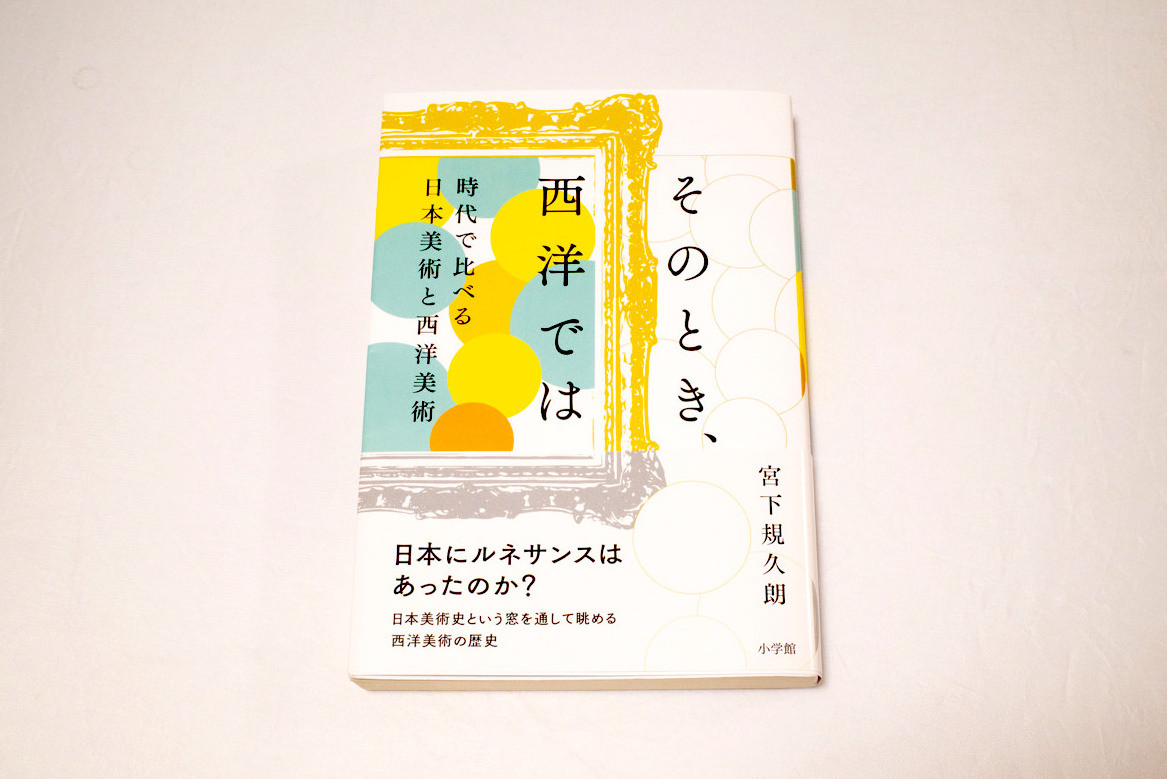
At That Time, in the West: Comparing Japanese and Western Art by Era
I read “At That Time, in the West: Comparing Japanese and Western Art by Era” by Kikuro Miyashita.
This book is a significantly expanded and revised version of “At That Time, in the West,” a series that appeared in the “Monthly Report” supplements of the 20-volume “Complete Collection of Japanese Art.”
“At That Time, in the West: Comparing Japanese and Western Art by Era” by Kikuro Miyashita
Kikuro Miyashita served as the supervisor for the “Basquiat Exhibition,” and I had the chance to speak with him at the preview. He is highly knowledgeable and shared many fascinating stories, drawing me in. Immediately afterwards, I picked up this book.
Western art seen through the window of Japanese art
From antiquity to the present, this book compares Western and Japanese art across each era from the perspective of “contemporaneity.” Through this lens, the two histories sometimes reveal strikingly similar points and at other times develop in contrasting directions. Sometimes influencing each other, sometimes existing far apart, the historical dynamics of the two are revealed through the author’s unique thematic approach. This illuminates the intrigue, depth, and richness of art as human endeavor — insights not visible when each history is viewed in isolation. An ambitious work pursuing a global understanding of art. — Excerpted from Shogakukan’s introduction
As the title suggests, this book compares Japanese and Western art, introducing and analyzing both while grounding the discussion in their historical contexts.
There is a special pleasure in reflecting on eras when international information did not flow as it does today, and I read the book with great interest.
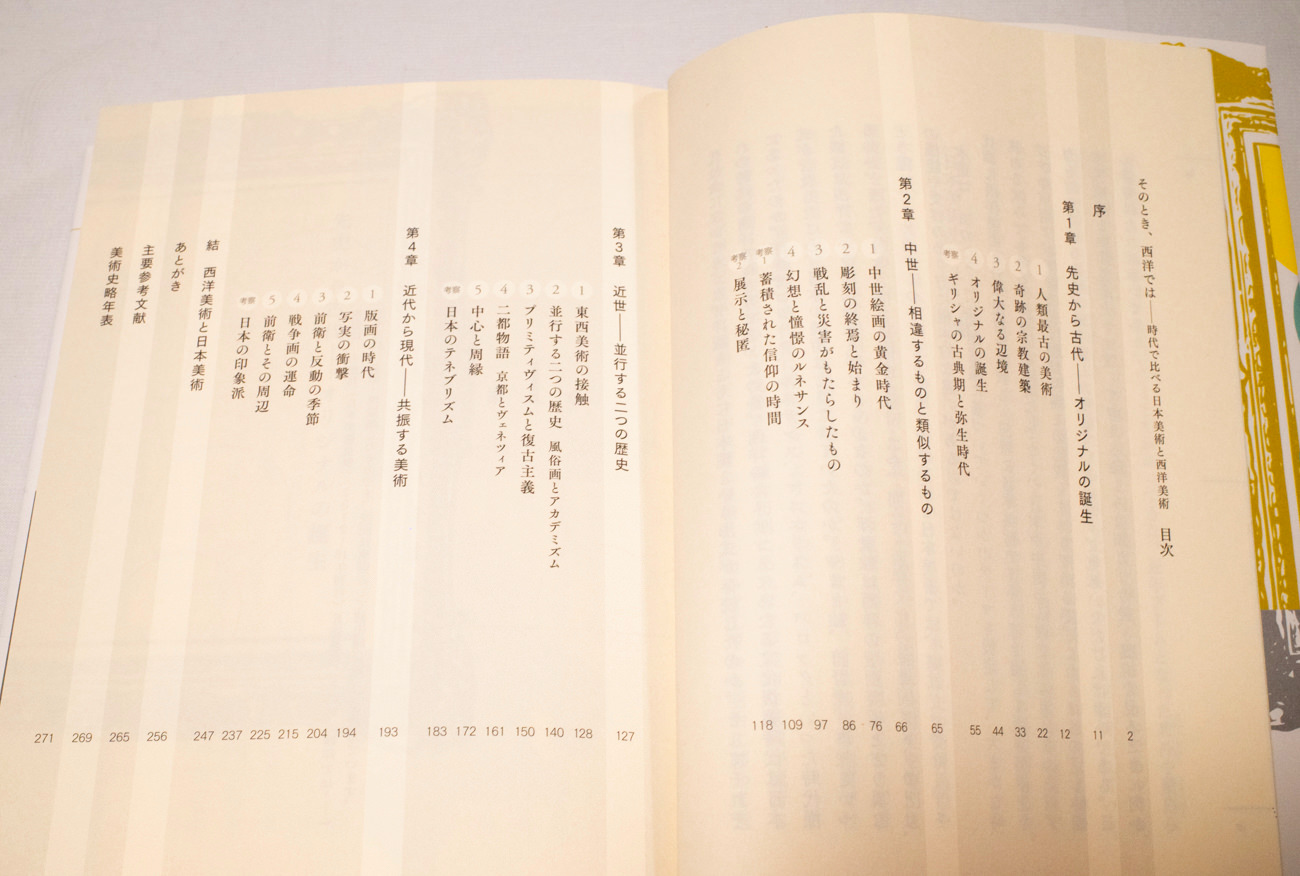
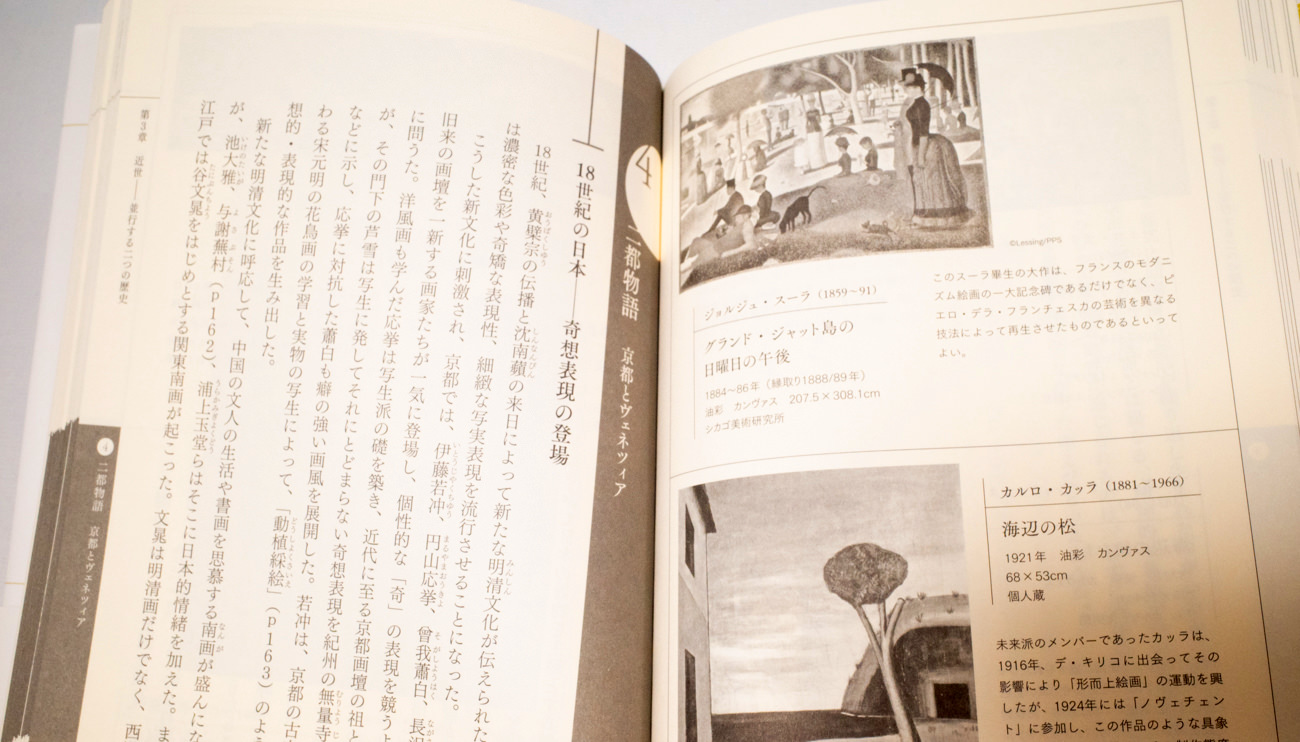
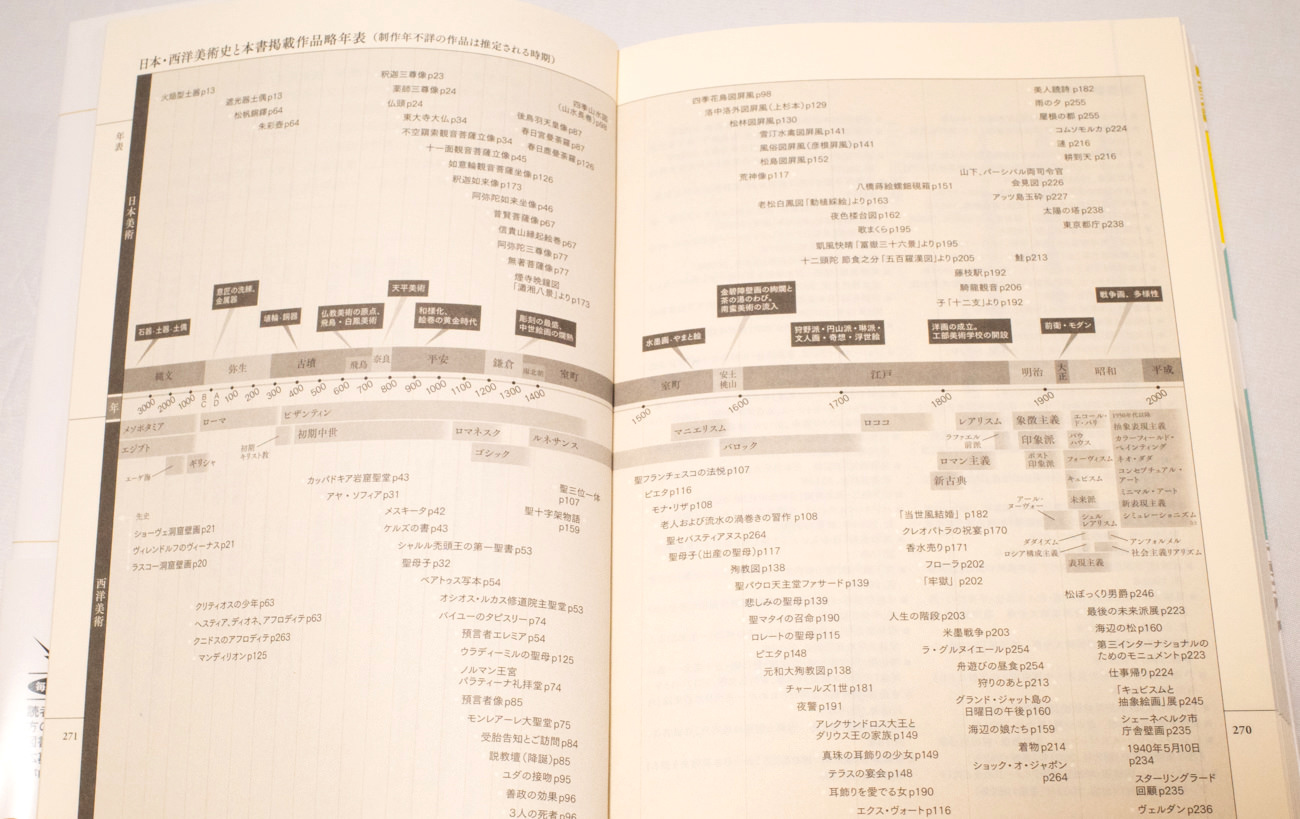
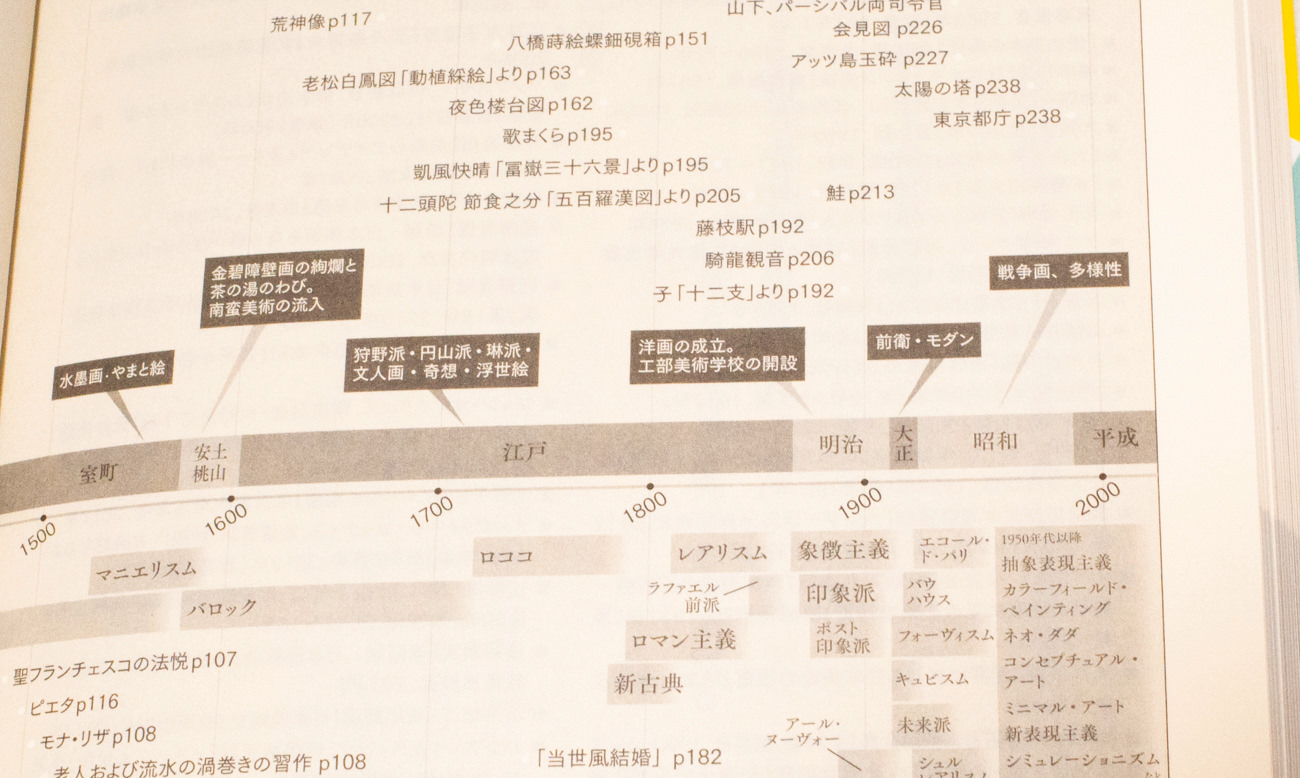
Table of contents of “At That Time, in the West”Illustrations and commentary on works are woven in throughout.A chronological table is included at the end.One can grasp Japanese and Western art visually.
Structured into four broad eras, the book, written in Miyashita’s characteristically clear prose, allowed me to grasp the major currents of art in both Japan and the West.
Note that this book does not include commentary on contemporary art from 1995 onward.
In the book’s closing chapter, which touches on the reasons for this, Miyashita discusses the “differences” between Japanese and Western art.
Miyashita’s calm, bird’s-eye view of art summarized here contains elements that help one enjoy art all the more, leaving a refreshing feeling after reading.
Overview
At That Time, in the West: Comparing Japanese and Western Art by Era
Author: Kikuro Miyashita
Publisher: Shogakukan
Hardcover: 272 pages
Release date: February 27, 2019
ISBN: 9784096822746
Format: 4-6
Package dimensions: 13×1.6×18.8cm
List price: 1,900 yen + tax
Kikuro Miyashita의 저서 “그때 서양에서는 — 시대별로 비교하는 일본 미술과 서양 미술”을 읽었습니다.
본서는 “일본 미술 전집” 전 20권의 부록 “월보”에 연재되었던 “그때 서양에서는”을 대폭 가필·수정한 것입니다.
“그때 서양에서는: 시대별로 비교하는 일본 미술과 서양 미술” 저자: Kikuro Miyashita
Kikuro Miyashita 씨는 “바스키아 전”의 감수를 맡으셨고, 프리뷰 때 이야기를 들을 기회가 있었는데, 박식하고 흥미로운 이야기를 여러 차례 하셔서 매료되고 말았습니다. 그 후 바로 손에 든 책이 바로 이 저서입니다.
일본 미술이라는 창을 통해 본 서양 미술
고대부터 현대까지, “동시대성”이라는 관점에서 시대별로 서양 미술과 일본 미술을 비교. 이를 통해 때로는 신기할 정도의 유사점을 지니고, 때로는 대조적인 전개를 보인다. 또한 때로는 서로 영향을 주고, 때로는 멀리 떨어져 있는 양자의 역사의 모습, 그 다이너미즘을 저자 독자의 시각에 의한 주제에 따라 밝혀 나간다. 이를 통해 각각의 미술 역사를 개별적으로만 보아서는 알 수 없는, 인간의 행위로서의 미술의 재미, 깊이와 풍요로움이 보이게 된다. 미술에 대한 글로벌한 이해를 추구하는 의욕작. — Shogakukan의 소개문에서 인용
제목 그대로, 본서는 일본 미술과 서양 미술에 대해 그 역사적 배경을 근거로 비교하고, 양자를 소개·비교하며 논고해 나가는 책입니다.
현대와 같이 국제적 정보 유통이 이루어지지 않았던 시대를 다루어 고찰하는 재미가 있어, 매우 흥미롭게 읽을 수 있었습니다.
“그때 서양에서는” 목차도판과 작품 해설도 곳곳에 실려 있습니다.권말에는 연표가 첨부되어 있었습니다.일본 미술과 서양 미술을 시각적으로 파악할 수 있습니다.
시대를 크게 4개로 나누어 구성된 본서는 Miyashita 씨 특유의 알기 쉬운 문장 표현으로, 일본과 서양에서의 큰 미술의 흐름을 파악할 수 있었습니다.
또한, 본서에는 1995년 이후의 동시대 미술(현대 미술)에 대한 고찰은 포함되어 있지 않습니다.
그 이유를 포함한 본서의 결말에서는 일본 미술과 서양 미술의 “차이”에 대해 서술되어 있습니다.
여기서 정리된 Miyashita 씨의 냉정하고 부감적인 미술에 대한 시선에는 미술을 더욱 즐길 수 있는 요소가 담겨 있어, 읽은 뒤 상쾌함을 느낄 수 있었습니다.
개요
그때 서양에서는 시대별로 비교하는 일본 미술과 서양 미술
저자: Kikuro Miyashita
출판사: Shogakukan
단행본: 272페이지
발매일: 2019/2/27
ISBN: 9784096822746
판형: 4-6
상품 패키지 크기: 13×1.6×18.8cm
정가 본체 1,900엔+세금