<参加アーティスト>
荒井良二、アカオニ、いしいしんじ、大原大次郎、川村亘平斎、空気公団、坂本大三郎、spoken words project、寺尾紗穂、トラフ建築設計事務所、ながさわたかひろ、ナカムラクニオ、野村誠、ミロコマチコ、茂木綾子、森岡書店、山フーズ、WOW、和合亮一、池永正二、ワタナベアニ、石巻工房、小島麻貴二、坂本弘道、前田エマ、沖潤子、橋本雅也、サカキトモコ、山形交響楽団
●企画展「山のような100ものがたり」<参加者・出品者>
杉の下意匠室+中島彩、狩野宏明、東北画は可能か?、ハタユキコ、浅野友理子、大槌秀樹、井戸博章、坂本大三郎、坂田啓一郎、鈴木慎吾、藤原泰佑、後藤拓郎、武谷大介、是恒さくら、五百澤智也、清水大典、新海竹蔵、新海覚雄、新海竹太郎、菊池新学、高橋由一、高橋源吉、久松知子、渋谷剛史、金子富之、春原直人、氏家昂大、水野健一郎、とんぼせんせい、高木真希人、よシまるシン、奥田栄希、都築潤、武居功一郎、武田鉄平、堀田知聖、渋谷七奈、永岡大輔、熊谷幸治、井口和泉、佐藤恒平、金子拓、AGAIN-ST、L PACK.、石原葉+ゲッコーパレード、OF THE BOX.、山のようなヤタイ祭り、保田井智之、番場三雄、長沢明、深井聡一郎、屋代敏博、青山ひろゆき、鴻崎正武、金子朋樹、吉賀伸、大山龍顕、三瀬夏之介、原高史、今村直樹、LLP アメフラシ、村上滋郎、山形キャラ調査班
(順不同/個人、団体名、プロジェクト名等を含みます)
Michinooku Art Festival — Yamagata Biennale 2018
Held every two years, the Michinooku Art Festival “Yamagata Biennale.”
Born in 2014 in the wake of the Great East Japan Earthquake, this was its third edition, held in 2018, and I made the trip.
Despite an unusual, short-run schedule of just 13 days — running only on Fridays, Saturdays, Sundays, and public holidays — it turned out to be a genuinely fascinating art festival, so I would like to file a report.
I visited near the very end of the run, catching the final two days. Reflecting on those two days of enjoyment, I distilled my thoughts, which I think come down to the following seven points.
Easy access, and comfortable to stay in.
A moderate scale that can be seen in one or two days
Free admission, with few crowds
A well-balanced program spanning young and veteran artists — with a curatorial approach that crosses historical works with contemporary ones.
A welcoming atmosphere thanks to the devoted hospitality of volunteer staff
Content that can be enjoyed across generations
Rich food culture — the charm of Yamagata cuisine
I would like to report on each of these in turn below.
7 Reasons the Yamagata Biennale Is Wonderful!
[1] Easy access, and comfortable to stay in.
Many people probably feel Yamagata is geographically distant, but it is directly connected to Tokyo by a single Shinkansen ride — about 2 hours and 40 minutes. I left Tokyo just after 7 a.m. and arrived at Yamagata Station by 10 a.m., leaving me with a full day to spend at leisure.
The festival is concentrated in two areas, both connected by a free shuttle bus, so a day trip is possible. But if you want to take your time with the festival — and truly enjoy the many charms of Yamagata itself, since you have come all this way — a two-day, one-night schedule is what I would recommend. You will want to take full advantage of “Yamagata gourmet” too, which I touch on later.
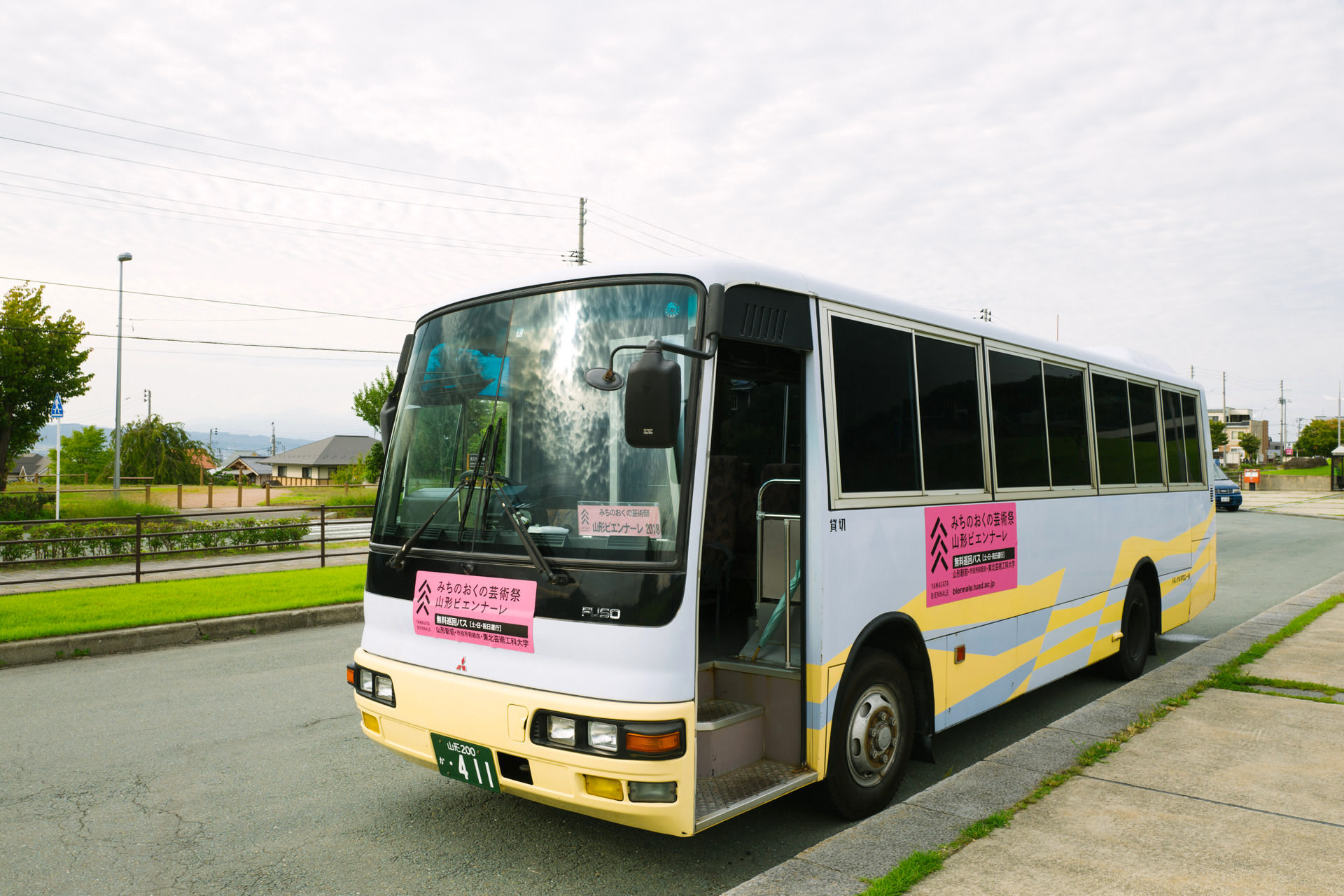
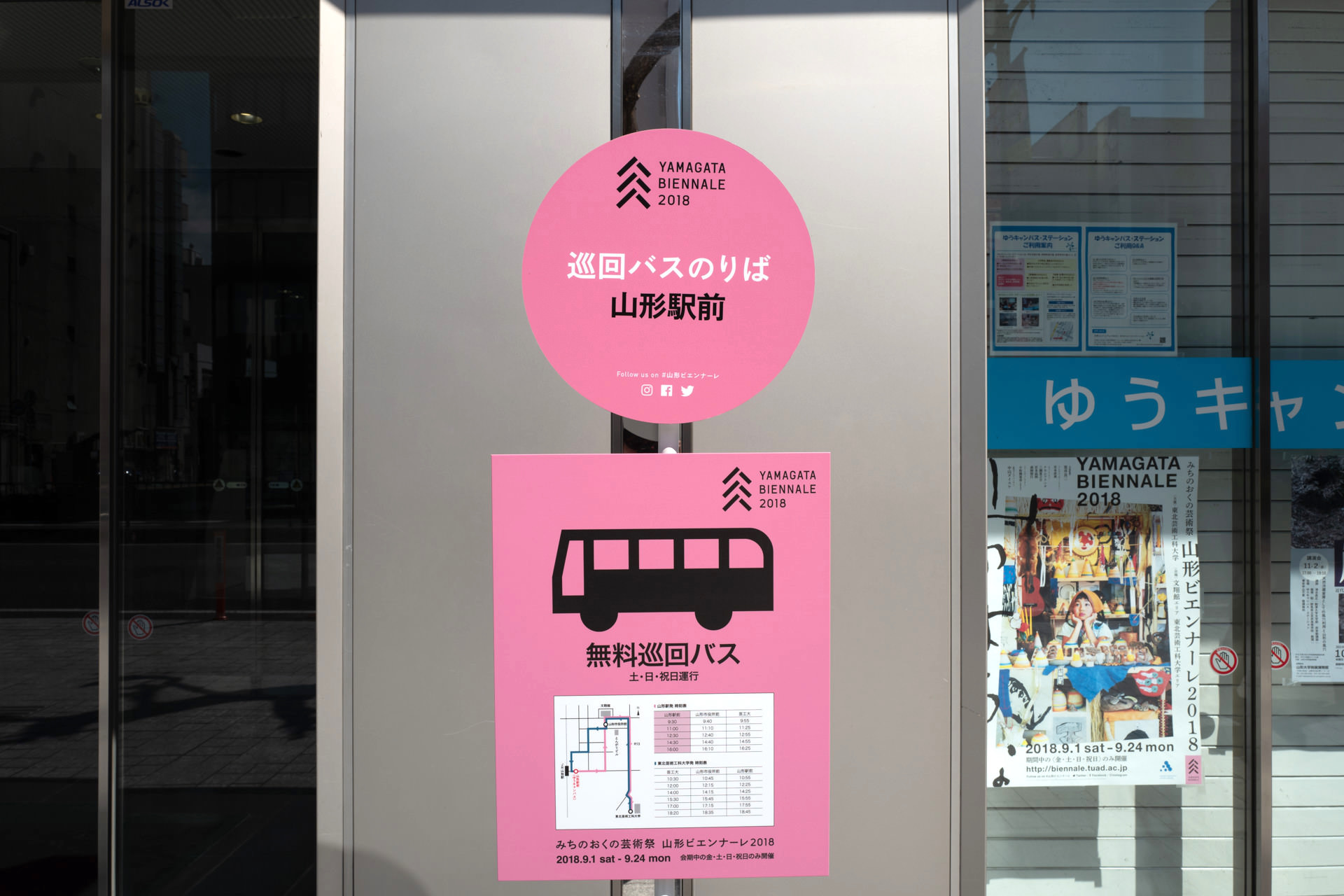
The shuttle bus runs free of charge.
I booked a JR View Tour (two days / one night, hotel included, round-trip Shinkansen) for 24,000 yen (tax included), reserving one week before the tour date.
[2] An art festival at a moderate scale — see it in 1-2 days
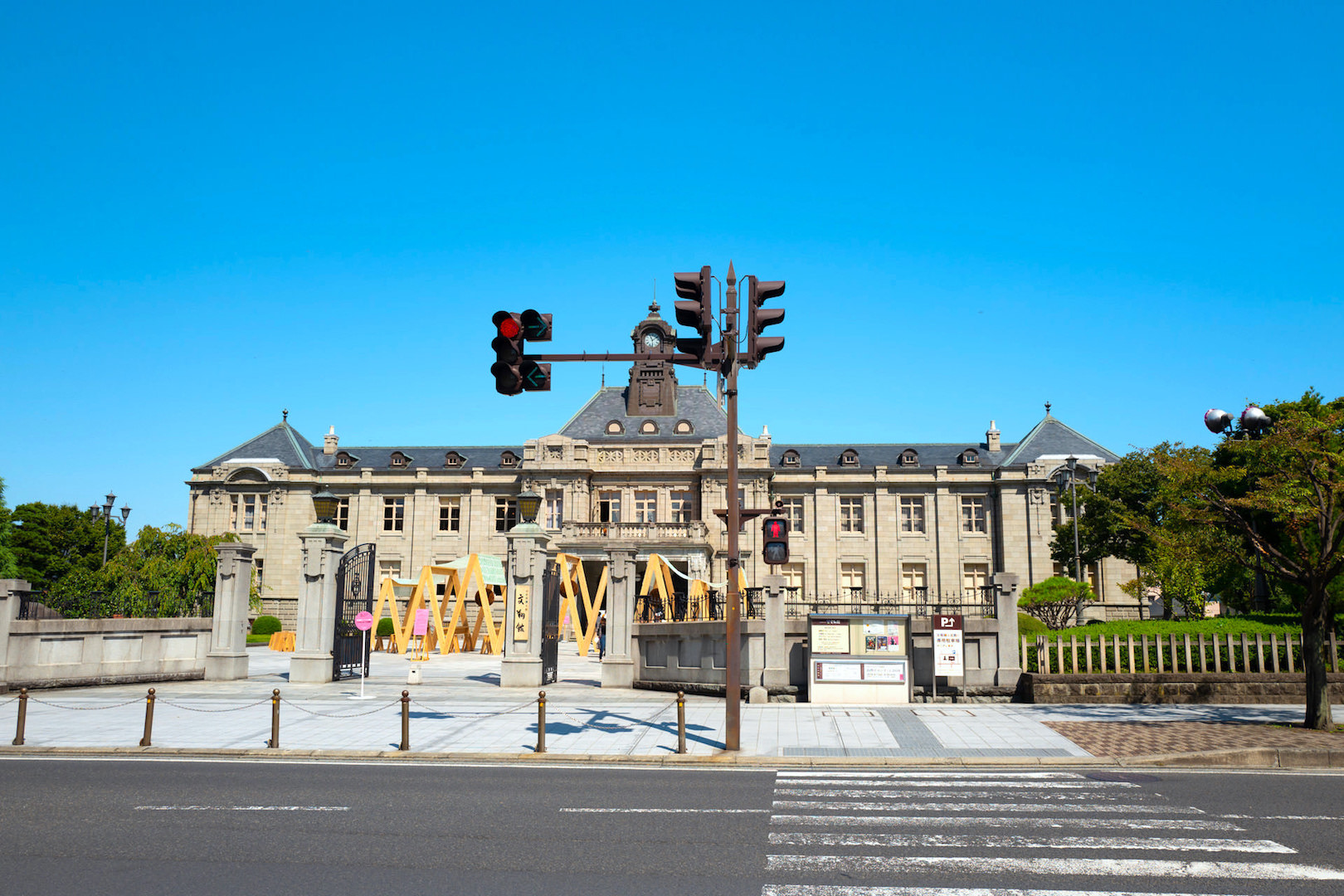
The Yamagata Biennale is held across two areas: the Yamagata Prefectural Local Museum “Bunshokan” and its surrounding neighborhood, roughly a 20-minute walk from JR Yamagata Station, and the grounds of Tohoku University of Art and Design.
The Yamagata Prefectural Local Museum “Bunshokan” is a 15-to-20-minute walk from Yamagata Station.
Small-venue exhibitions were also held within a few minutes’ walk of Bunshokan — at Tongari Building, Nagatoya Hinatagura & Nurigura, and gura, among others — but everything is compactly arranged, so moving between venues never feels like a chore.
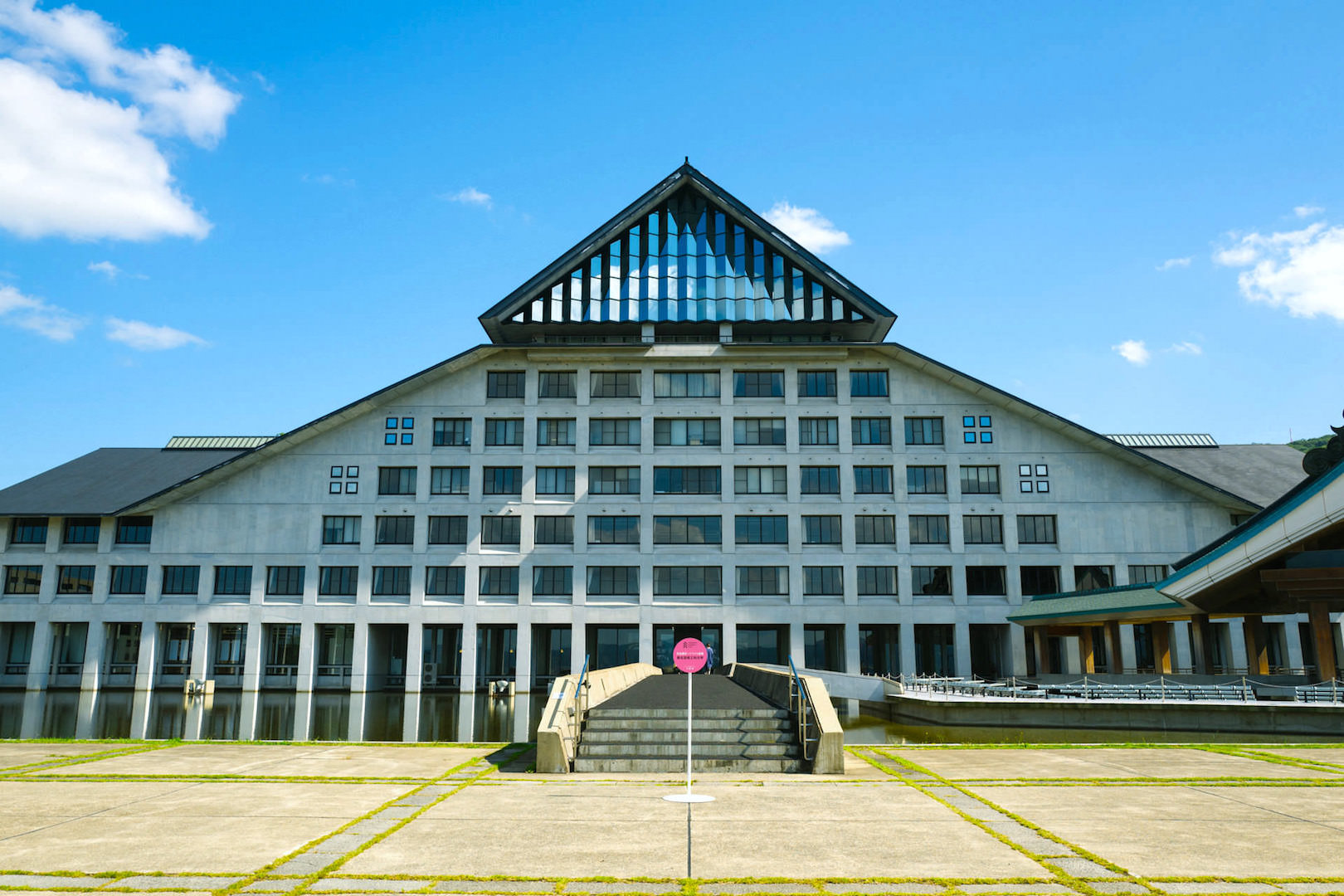
Tohoku University of Art and Design is a 15-minute shuttle bus ride from Bunshokan.
Tohoku University of Art and Design is too far to walk from Yamagata Station.
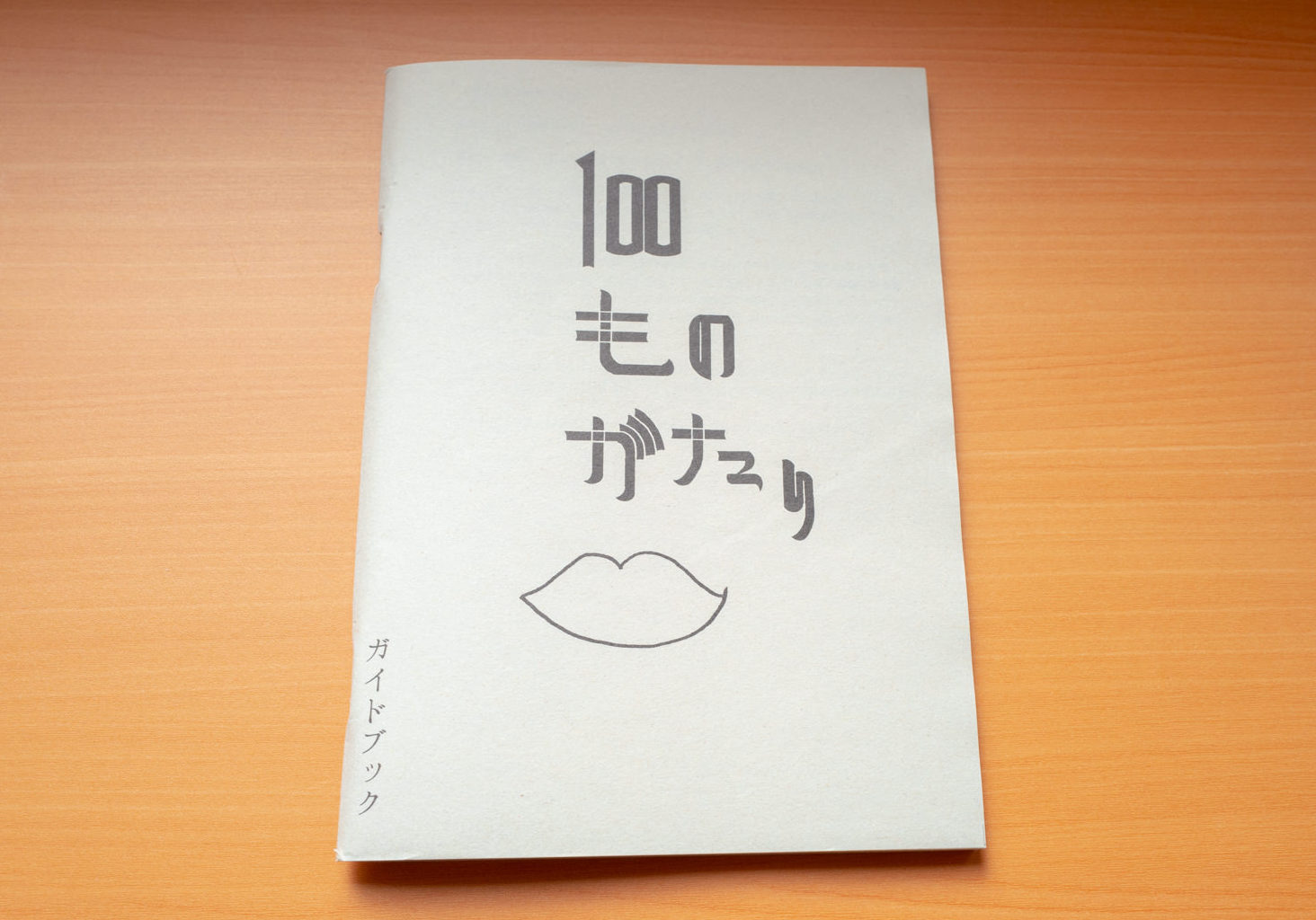
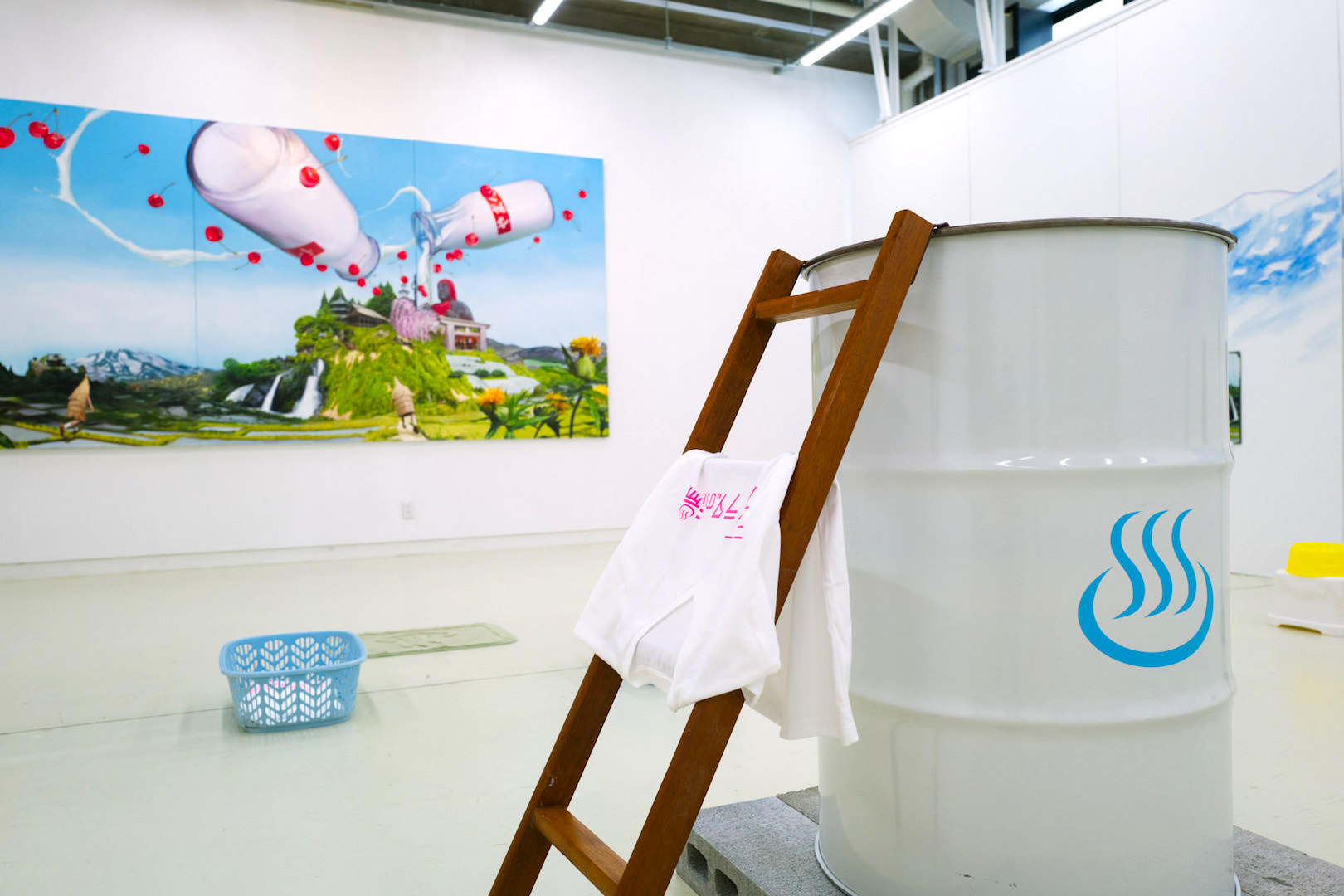
At Tohoku University of Art and Design, an art project titled “100 Stories” featuring 100 works was on view.
There were many memorable installations, but among them “New Sakurada no Yu” was especially fun to experience.
A free loop bus runs between JR Yamagata Station and the two areas, and visitors were consulting the timetable to plan their viewing time. The timetable is also printed in the pamphlet.
Pink is the signature color of the Yamagata Biennale.
[3] Free admission (and few crowds)
All exhibitions at the Yamagata Biennale can be viewed for free. The loop bus is also free, so there is basically nothing you have to pay for — very generous!
Perhaps the idea is that you should spend the money you saved at the merchandise shops and cafés within the festival areas — supporting operations — or on Yamagata cuisine, putting money back into the local economy. It really comes down to your own choice.
* Some one-off events are ticketed
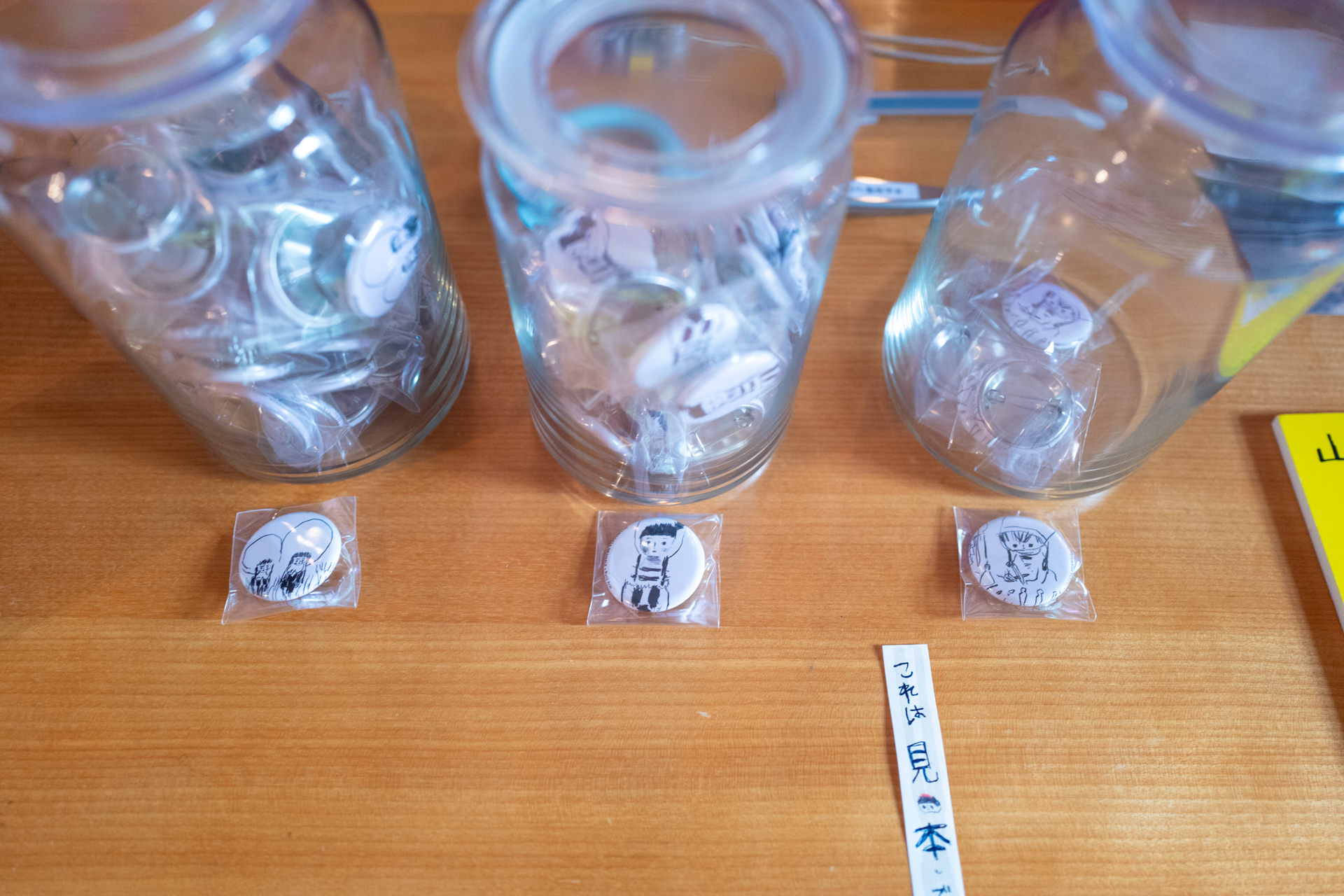
The prize for the free stamp rally is a “Yama no Yona” tin badge (one per person).
[4] A well-balanced program from emerging to veteran artists — and a curatorial approach that crosses history with the present
Alongside students and emerging artists, veteran artists, historical artworks, and historic architecture were also included.
This is not a shallow, tourism-boost-style art festival, but one that gives a clear impression of being properly curated.
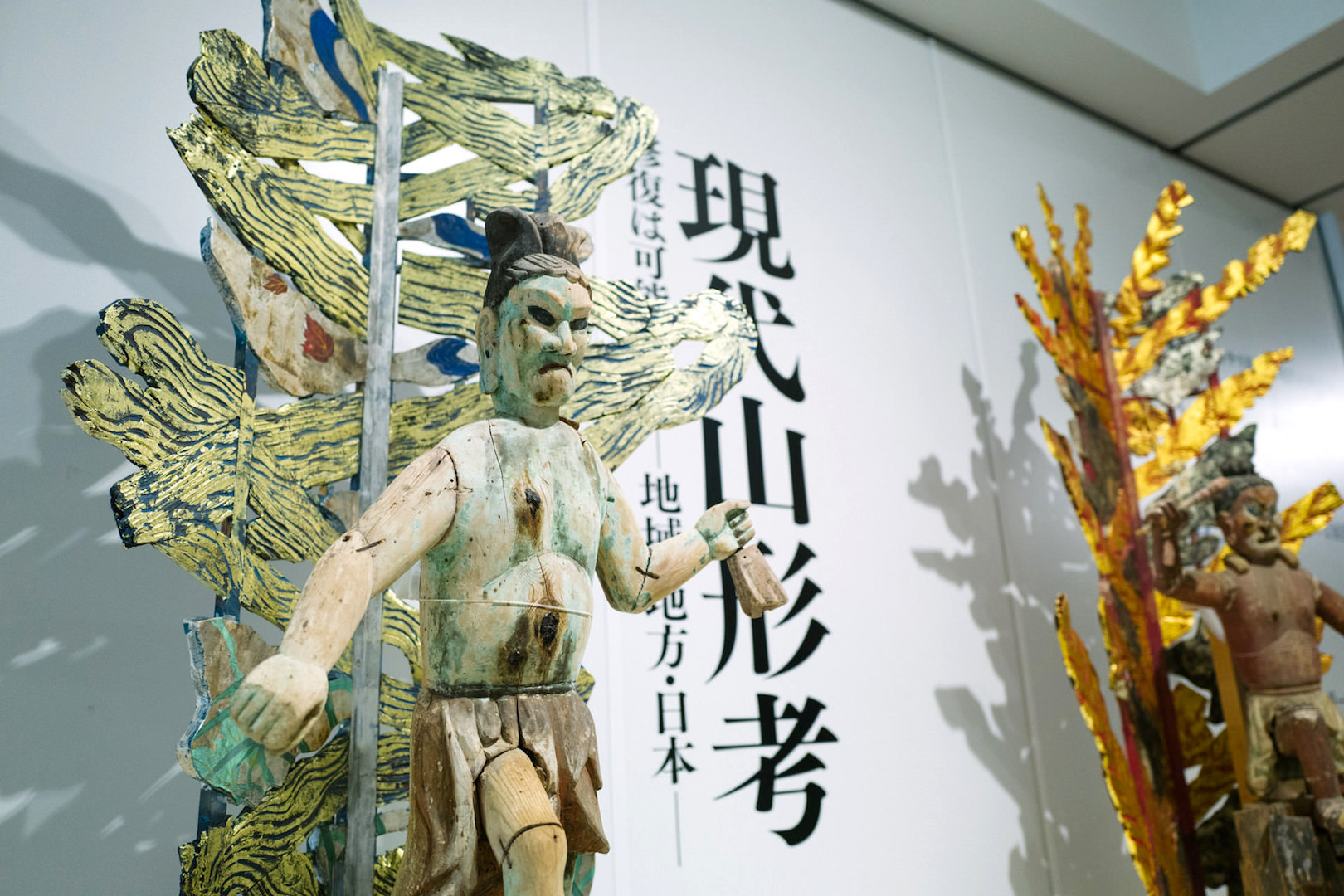
The Wind God and Thunder God statues (Raijinja Shrine, Oe Town, late Edo period) paired with the mandorla paintings “Thunder-Lightning Mandorla, Tornado Mandorla” by Tatsuaki Oyama (b. 1976) — installation view from “Contemporary Yamagata Studies”
[5] A welcoming atmosphere thanks to the devoted hospitality of volunteers
Each festival venue is marked with visually obvious pink signage, and volunteer staff are always present to attend to visitors with care.
Not just the volunteers — the people of Yamagata as a whole were warm and welcoming. Freed from everyday stress, I was able to fully immerse myself in the art.
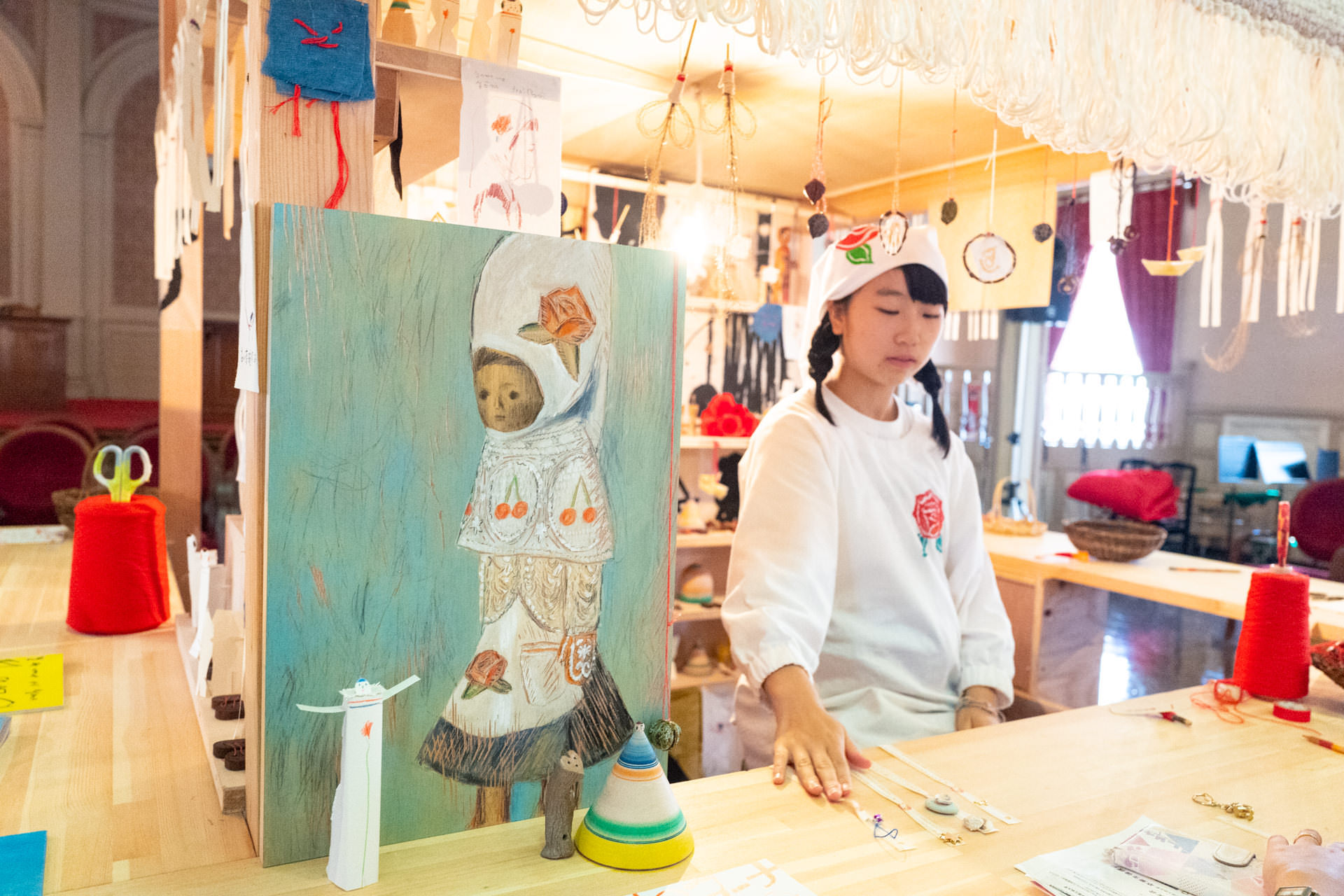
The young woman staffing the “Yama no Yona” area was perfectly cast for the role — wonderful casting
[6] Content that can be enjoyed across generations
From works you experience with your whole body once you take off your shoes, to art with clear visual appeal, to interactive playful set-ups, to programs designed for children, and even projects staged in old storehouses and other historic buildings — this was a generous festival with the depth to receive a wide range of audiences. It seems particularly likely to have brought new visitors — families, young couples, women — into contact with art.
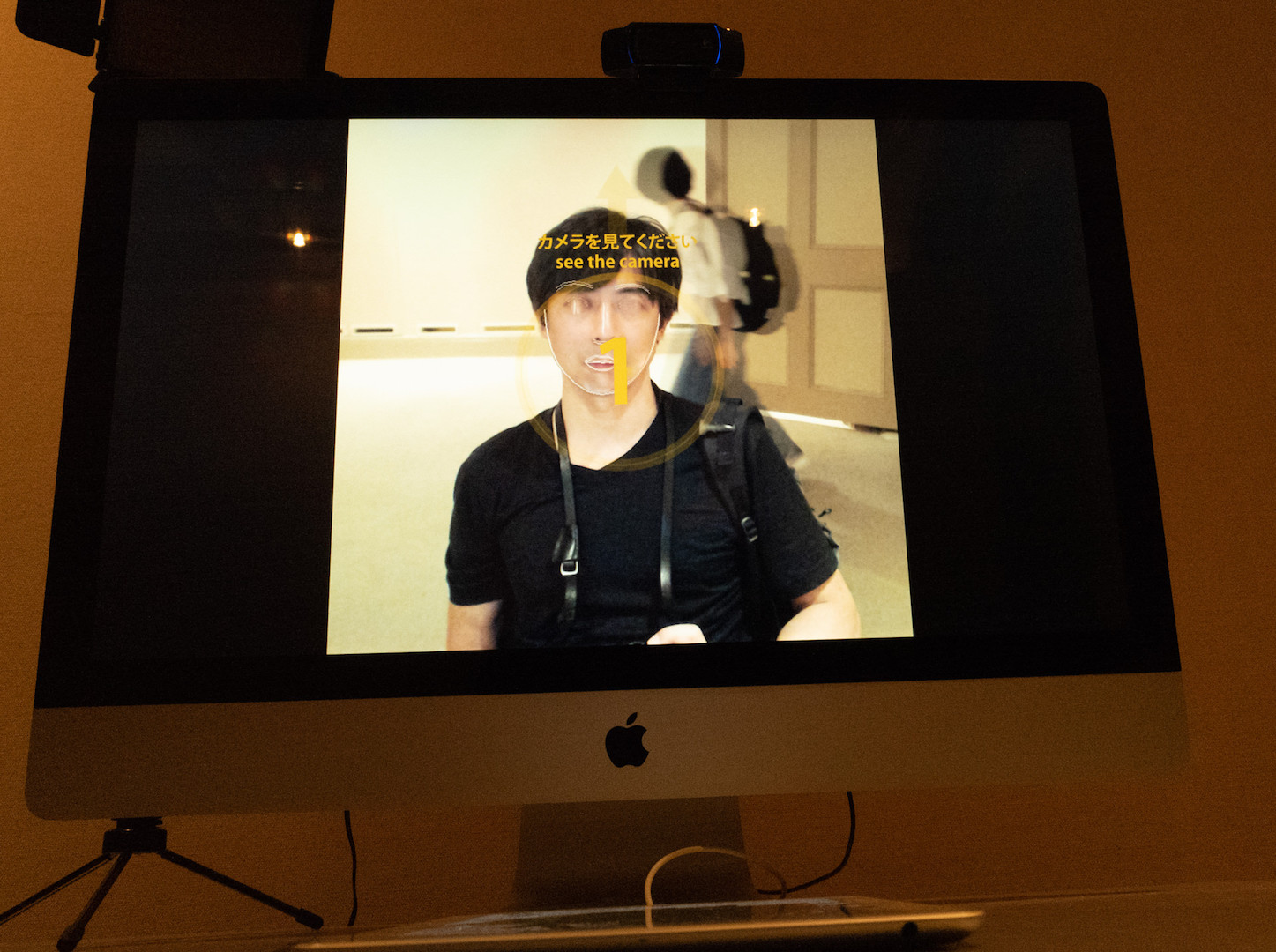
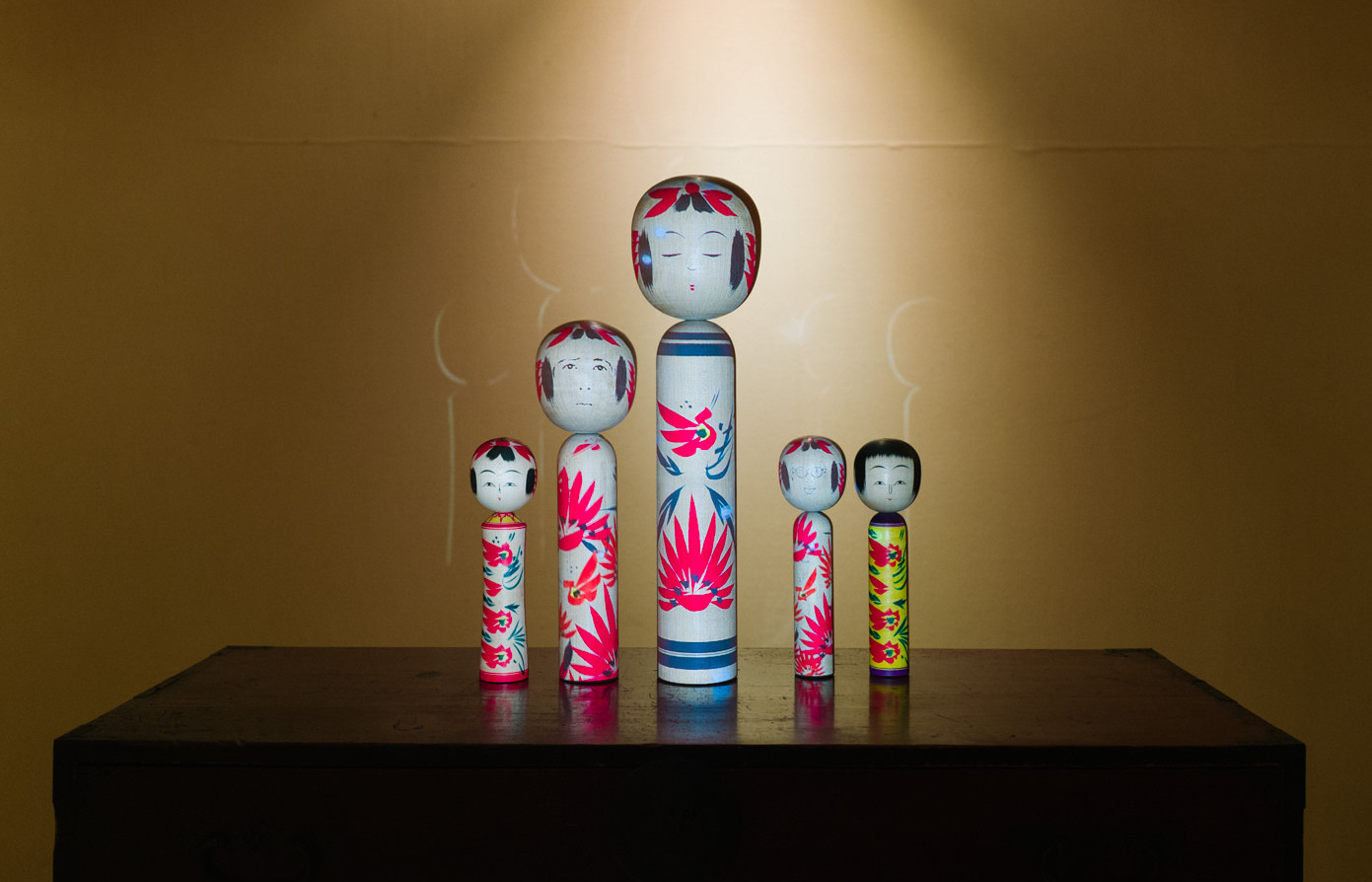
A face-detection setup that reads your face into a PC and projection-maps it onto a targetThe captured face is projected onto the second kokeshi doll from the left. The image also moves.
[7] Rich food culture — Yamagata gourmet
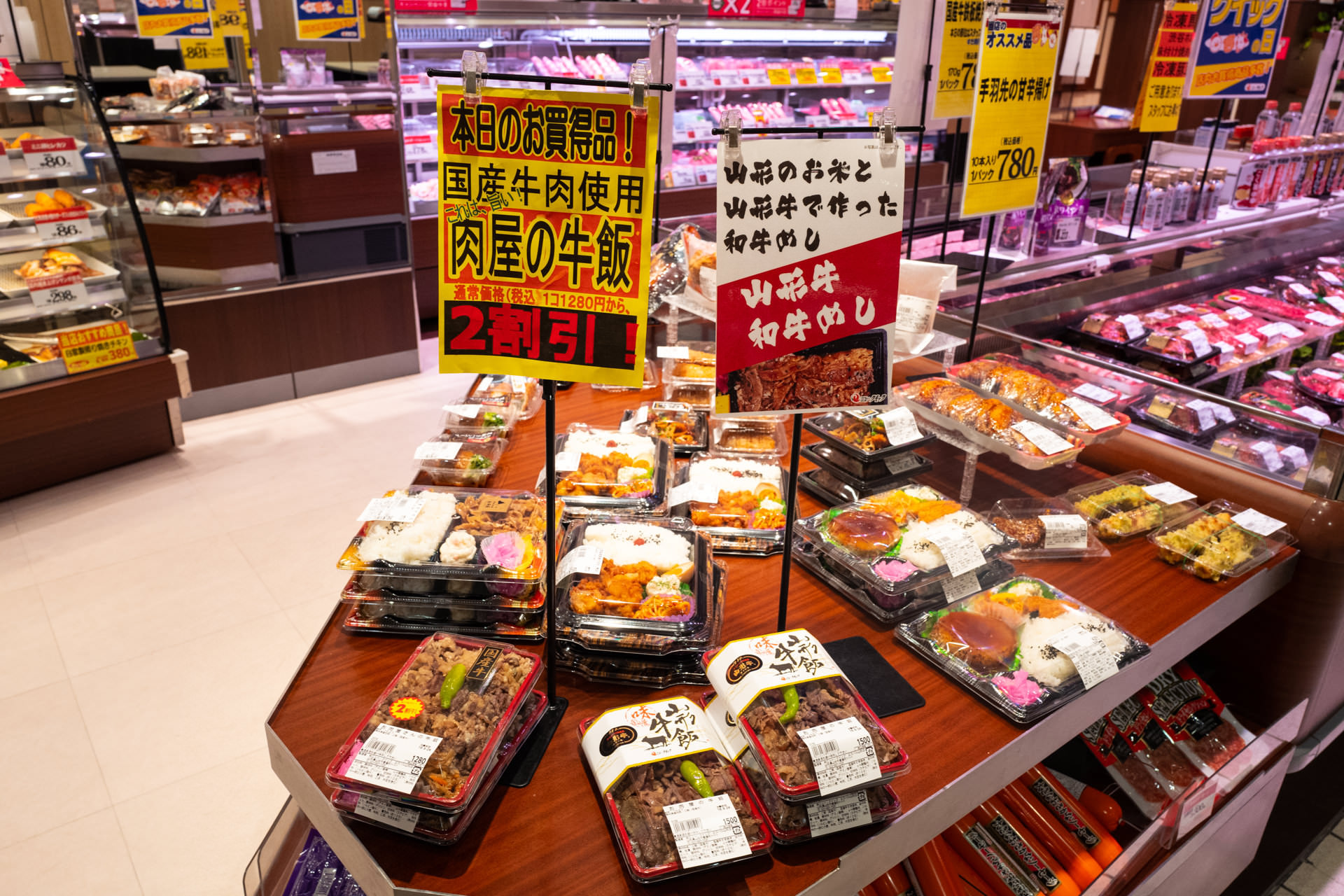
For those coming from outside the prefecture, food along the journey is inevitably an object of interest. Yamagata is blessed with abundant gourmet resources, and it certainly seduced us.
Soba, Yamagata beef, tama-konnyaku, imoni… the list goes on, but for me it is “niku soba” (meat soba) that left the deepest impression.
Prices are not particularly high, so it is a town where you can enjoy yourself without straining your wallet. The first and second floors of Yamagata Station’s station building have prepared-food counters and souvenir shops — perfect for picking up bento boxes and drinks for the ride back on the Shinkansen.
Room for improvement
I would love to highlight only the good, but here are a few points I found somewhat concerning. I hope they can be addressed next time, and that we get to see an even more polished Yamagata Biennale.
The Yamagata Museum of Art was not involved at all.
There was some variation in the awareness of volunteer staff — I ran into a volunteer who did not know information they really ought to have known. * Their manner, however, was excellent.
There was almost no outdoor programming, and few works that engaged the natural landscape or worked at a large scale.
Summary
This time I set out to give a clear overview of the Yamagata Biennale in a “summary article” format. I intend to write up individual pieces of content in separate posts, but first I hope you can get a general sense of what makes it appealing — and perhaps use it as a reference next time.
It is not a sprawling, exhausting-to-navigate festival like the Echigo-Tsumari Art Field, nor is it the kind of festival you finish in a single venue in one go. It is a rare festival where you can spend your time gently, feeling the character of the region, while still engaging with substantial art.
The next edition, two years from now, will be in 2020 — the year of the Tokyo Olympics. I am looking forward to it!
Overview
Michinooku Art Festival — Yamagata Biennale 2018
Dates: September 1 – September 24 (open only on Fridays, Saturdays, Sundays, and Monday holidays during the period) * 13 days in total
Venues: Bunshokan (the former prefectural government building and former prefectural assembly hall), Tongari Building, Ikubundo Books, BOTA theater, gura, Nagatoya Hinatagura & Nurigura, and the Tohoku University of Art and Design campus
Artistic Director: Ryoji Arai (artist / picture-book author)
Program Director: Takenori Miyamoto
陆奥深处艺术祭 Yamagata Biennale(山形双年展)2018
会期:9月1日~9月24日(会期内仅周五、六、日及周一节假日开放)※合计13天
会场:Bunshokan(文翔馆,旧县厅舍及旧县议会议事堂)、Tongari Building、Ikubundo Books(郁文堂书店)、BOTA theater、gura、Nagatoya Hinatagura & Nurigura、Tohoku University of Art and Design(东北艺术工科大学)校园
艺术总监:Ryoji Arai(荒井良二/艺术家、绘本作家)
项目总监:Takenori Miyamoto(宫本武典)
2년에 한 번 열리는 미치노오쿠 예술제 “Yamagata Biennale(야마가타 비엔날레)”.
동일본 대지진을 계기로 2014년에 시작된 예술제이지만, 세 번째가 되는 2018년 개최를 찾아 다녀왔습니다.
금요일~일요일 및 공휴일에만 열리는 총 13일간의 변칙 일정이었지만, 매우 흥미로운 예술제였기에 리포트해 보고자 합니다.
필자가 방문한 것은 폐막 직전, 마지막 이틀이었습니다. 이틀간 충분히 즐긴 뒤 정리해 본 감상은 크게 다음의 7가지로 요약됩니다.
접근성이 좋고, 체류 환경도 쾌적하다.
1~2일에 다 볼 수 있는 적당한 규모
무료로 관람 가능, 붐비지 않음
젊은 신진부터 베테랑 작가까지 밸런스가 좋은 구성. 역사와 현대를 크로스오버시키는 연출도 있음.
자원봉사 스태프의 헌신적인 호스피탈리티가 만드는 편안한 분위기
세대를 넘어 즐길 수 있는 콘텐츠
풍부한 식문화 — 야마가타 미식의 매력
각 항목에 대해 아래에서 리포트하고자 합니다.
Yamagata Biennale(야마가타 비엔날레)가 훌륭한 7가지 이유!
【1】접근성이 좋고, 체류 환경도 쾌적하다.
지리적으로 멀게 느끼는 분도 많겠지만, 야마가타는 도쿄에서 신칸센 한 대로 연결되며 약 2시간 40분이면 도착합니다. 필자는 도쿄에서 오전 7시 조금 지나 출발했고, 야마가타 역에는 오전 10시에 도착했으므로 하루를 여유롭게 보낼 수 있었습니다.
예술제 회장은 두 구역에 집약되어 있으며, 무료 셔틀버스로 연결되어 있으므로 당일치기도 가능합니다. 다만, 예술제를 여유롭게 즐기고 싶다면, 그리고 모처럼 찾은 야마가타의 매력을 만끽하고 싶다면, 뒤에서 언급할 “야마가타 미식”까지 제대로 즐기기 위해 1박 2일의 여유 있는 일정을 추천합니다.
셔틀버스는 무료로 운행됩니다.
필자는 JR View Tour의 1박 2일 호텔 포함 왕복 신칸센 상품을 24,000엔(세금 포함)에 예약했습니다(투어일 1주일 전에 예약).
【2】1~2일에 볼 수 있는 적당한 규모의 예술제
Yamagata Biennale(야마가타 비엔날레)는 JR 야마가타 역에서 도보 20분 거리에 있는 야마가타 현 향토관 “Bunshokan(문쇼칸)”과 그 주변 지역, 그리고 Tohoku University of Art and Design(도호쿠예술공과대학) 캠퍼스 내, 두 구역에서 열린 예술제입니다.
Bunshokan(문쇼칸)은 야마가타 역에서 도보 15~20분 거리.
문쇼칸에서 도보 몇 분 이내에 있는 “Tongari Building(끝이 뾰족한 빌딩)”, “Nagatoya Hinatagura & Nurigura(나가토야 히나타구라·누리구라)”, “gura” 등 소규모 시설에서도 전시가 있었지만, 콤팩트하게 모여 있어 이동 거리에 대한 스트레스는 없습니다.
Tohoku University of Art and Design(도호쿠예술공과대학)은 문쇼칸에서 셔틀버스로 15분 거리에 있습니다.
도호쿠예술공과대학은 야마가타 역에서 걸어서 가기에는 거리가 있어 힘듭니다.
Tohoku University of Art and Design(도호쿠예술공과대학)에서는 “100 Stories(100가지 이야기)”라는 100개의 아트 기획전이 열리고 있었습니다.
수많은 인상적인 전시들이 있었지만, 그중에서도 “New Sakurada no Yu(뉴 사쿠라다노유)”는 즐겁게 관람할 수 있었습니다.
JR 야마가타 역과 두 구역을 잇는 무료 순환 버스가 운행되고 있으며, 관람객들은 시간표를 보면서 관람 시간을 조정하고 있었습니다. 시간표는 팸플릿에도 실려 있습니다.
핑크색이 Yamagata Biennale(야마가타 비엔날레)의 상징 컬러입니다.
【3】무료로 관람 가능하다는 점 (붐비지도 않음)
Yamagata Biennale(야마가타 비엔날레)는 모든 전시를 무료로 관람할 수 있습니다. 순환 버스의 승차료도 무료이므로 돈을 쓸 곳이 딱히 없습니다. 통이 크네요!
절약된 돈은 구역 내 굿즈 판매대와 카페 코너에서 가능한 만큼 소비해 운영에 기여하거나, 야마가타 미식에 투입해 지역 경제에 환원하는 등, 각자의 판단에 맡기면 좋겠습니다.
※일부 단발 이벤트는 유료
무료로 참여할 수 있는 스탬프 랠리의 경품은 “Yama no Yona(야마노 요나)” 캔 뱃지(1개)입니다.
【4】젊은 신진부터 베테랑 작가까지 밸런스가 좋은 구성. 역사와 현대를 크로스오버시키는 연출도
학생과 젊은 작가가 참가하는 한편, 베테랑 아티스트와 역사적 예술품, 역사적 건축물도 포함되어 있었습니다.
단순히 지역 진흥을 노린 표층적인 예술제가 아니라, 제대로 기획되고 구성된 예술제라는 인상이었습니다.
풍신뇌신상(오에초 라이진자·에도 후기)과, Tatsuaki Oyama(오야마 다쓰아키, 1976년생)의 광배화 《뇌전 광배, 회오리 광배》 — “현대 야마가타 고(考)” 전시 전경
【5】자원봉사자의 헌신적인 호스피탈리티가 만드는 편안한 분위기
각 회장에는 시각적으로 알기 쉬운 핑크색 사인과 함께 자원봉사 스태프가 상주하며, 관람객에 대한 정중한 응대가 이루어지고 있었습니다.
자원봉사자에 국한되지 않고, 야마가타 사람들은 누구나 친근하고 따뜻하게 맞아 주셨습니다. 일상의 스트레스에서 벗어나 예술을 만끽할 수 있었습니다.
“Yama no Yona(야마노 요나)” 구역의 여성 스태프는 역할에 딱 맞는 훌륭한 캐스팅이었습니다
【6】세대를 넘어 즐길 수 있는 콘텐츠
신발을 벗고 신체로 즐기는 작품, 시각적으로 이해하기 쉬운 아트 작품, 인터랙티브하게 놀 수 있는 장치, 어린이 대상 기획부터 오래된 창고 등 역사적 건축물을 회장으로 삼은 기획까지, 폭넓은 관객층을 품는 깊이 있는 예술제였습니다. 특히 패밀리와 젊은 커플, 여성 등, 아트 분야에서 새로운 관객을 확보했을 것 같습니다.
얼굴 검출로 PC에 읽어들여, 자신의 얼굴을 프로젝션 매핑으로 투영하는 구조입니다읽어들인 얼굴 사진은 왼쪽에서 두 번째 kokeshi(고케시 인형)에 투사되었습니다. 영상은 움직입니다.
【7】풍부한 식문화 — 야마가타 미식
현 밖에서 오는 사람에게는 여행길에서의 식사에 대한 관심이 자연히 커질 것입니다. 야마가타는 풍부한 식자재로 축복받은 지역이며, 우리를 매료시킵니다.
소바, 야마가타 소고기, 다마곤냐쿠, 이모니… 여러 가지가 있지만, 필자에게는 “니쿠소바(고기 소바)”가 가장 인상 깊게 남아 있습니다.
물가도 그다지 높지 않아 지갑에도 부담 없이 즐길 수 있는 도시입니다. 야마가타 역 역사 건물 1~2층에는 반찬 코너와 기념품 코너가 있어, 돌아가는 신칸센용 도시락과 음료를 구입하기에 편리합니다.
조금 아쉬웠던 포인트
좋은 점만 소개하고 싶지만, 이하 조금 신경 쓰였던 점도 남겨 둡니다. 다음 회에 반영되어, 한층 업그레이드된 Yamagata Biennale(야마가타 비엔날레)를 보여 주시길 바랍니다.
Yamagata Museum of Art(야마가타 미술관)가 전혀 관여하지 않은 점.
자원봉사자 간 인식 수준의 온도차가 있어, 이해도가 낮은 자원봉사자를 만났을 때 알아야 할 정보에 대한 이해가 전혀 없었던 점. ※응대는 최고였습니다.
야외 전시가 거의 없었고, 자연과의 관계를 묻는 작품이나 큰 스케일의 작품이 적었던 점.
정리
이번에는 Yamagata Biennale(야마가타 비엔날레)의 전체상을 “정리 기사로 알기 쉽게 정리한다”는 취지로 기사를 작성해 보았습니다. 세세한 개별 콘텐츠에 대해서는 별도의 기사로 다룰 예정이지만, 우선은 그 매력을 대체적으로 느끼시고 다음 개최의 참고로 삼아 주시면 감사하겠습니다.
Echigo-Tsumari Art Field(에치고쓰마리 아트 트리엔날레)처럼 구역이 넓어 돌아보기 힘든 예술제도 아니고, 하나의 회장에서 “단번에 다 보고 끝!”인 것도 아니며, 지역의 특성을 느끼면서 느긋하게 시간을 보내면서도 알찬 내용의 아트를 만날 수 있는 드문 예술제라고 할 수 있지 않을까요.
다음 회는 2년 후인 2020년, 도쿄 올림픽 개최 연도이군요. 기대하고 있습니다!
개요
미치노오쿠 예술제 Yamagata Biennale(야마가타 비엔날레) 2018
회기: 9월 1일~9월 24일 (기간 중 금, 토, 일, 월요일 공휴일에만 개최) ※총 13일간 개최
회장: Bunshokan(문쇼칸, 구 현청 청사 및 구 현회 의사당), Tongari Building, Ikubundo Books(이쿠분도 서점), BOTA theater, gura, Nagatoya Hinatagura & Nurigura, Tohoku University of Art and Design(도호쿠예술공과대학) 캠퍼스
예술 감독: Ryoji Arai(아라이 료지 / 아티스트・그림책 작가)
프로그램 디렉터: Takenori Miyamoto(미야모토 다케노리)