The Aichi Triennale is Japan’s largest international art festival, held once every three years since 2010.
For its fourth edition in 2019, more than 90 artist groups from Japan and abroad were invited. Alongside the international contemporary art exhibition, the festival gathered cutting-edge works crossing a wide range of expression, including a film program, performing arts, and a music program.
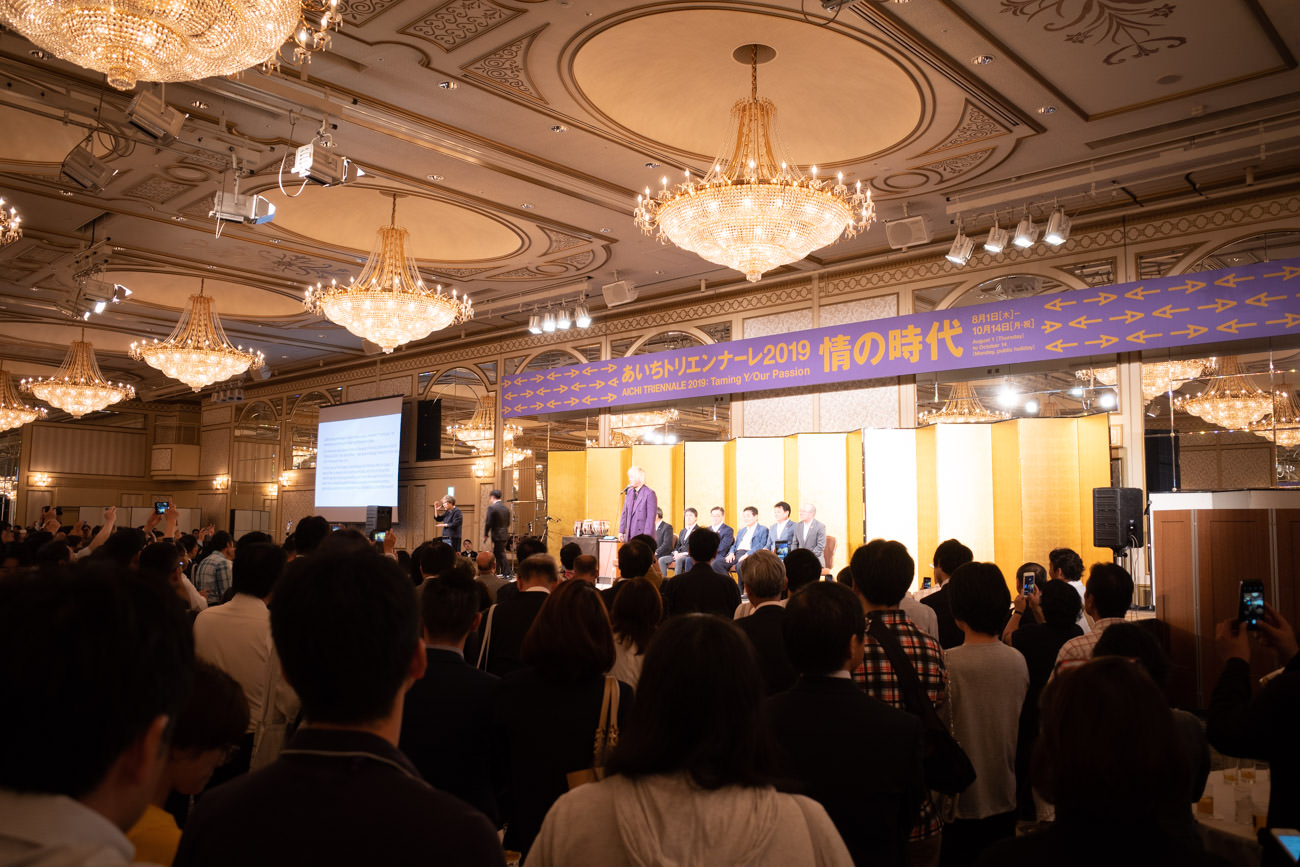
Artistic Director Daisuke Tsuda giving a greeting at the opening party
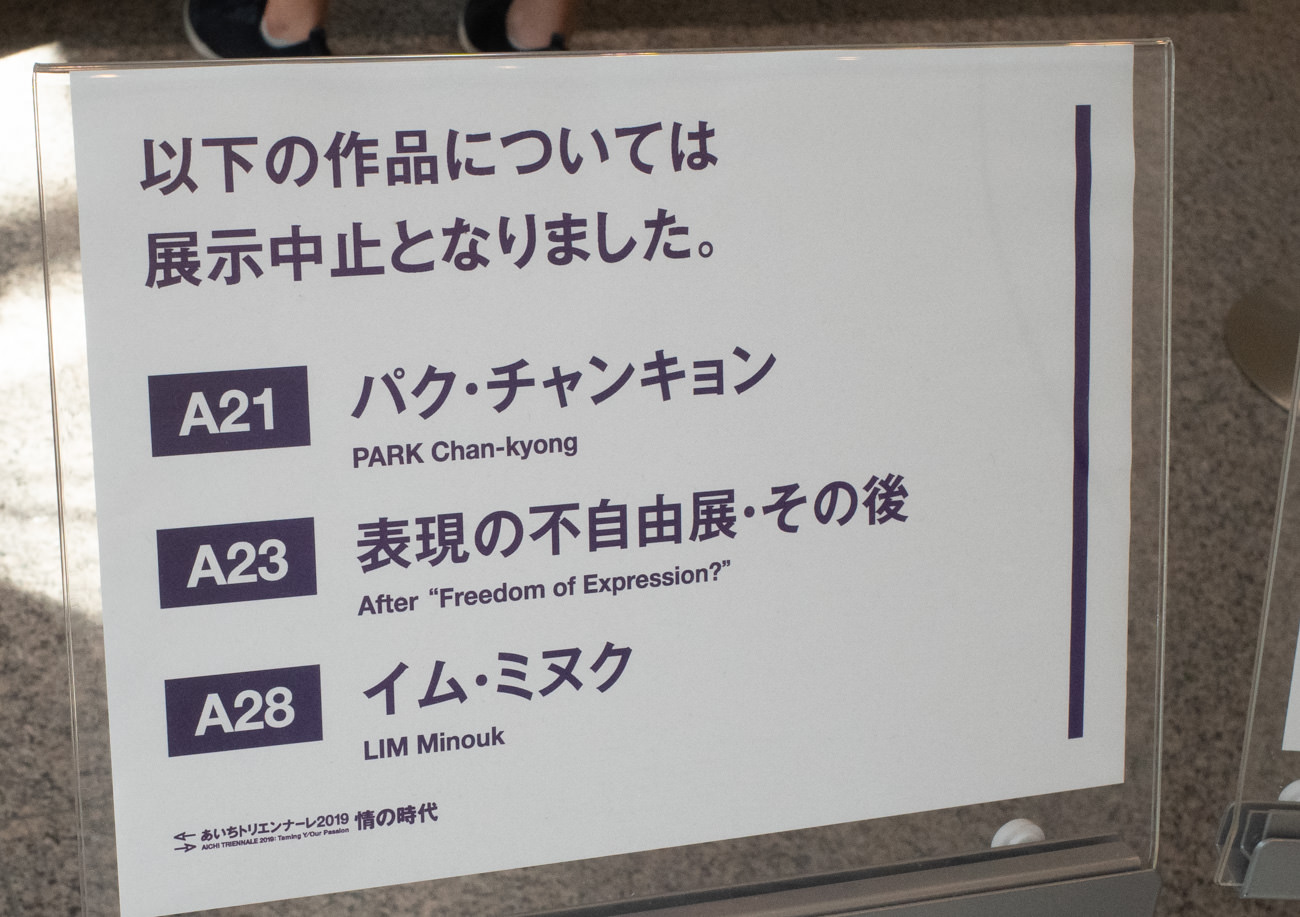
Unfortunately, the cancellation of “After ‘Freedom of Expression?'” led to a series of cancellations, mainly by overseas artists, which cast a shadow over the Triennale. Nevertheless, supported by the outstanding works of many artists, we felt that this festival maintained a very high standard.
In this article, we introduce highlights venue by venue.
Aichi Arts Center
The main hub of the Aichi Triennale is the Aichi Arts Center.
The exhibition floors were mainly the 8th and 10th floors, with a defined route to follow.
Aichi Prefectural Museum of Art (10F)
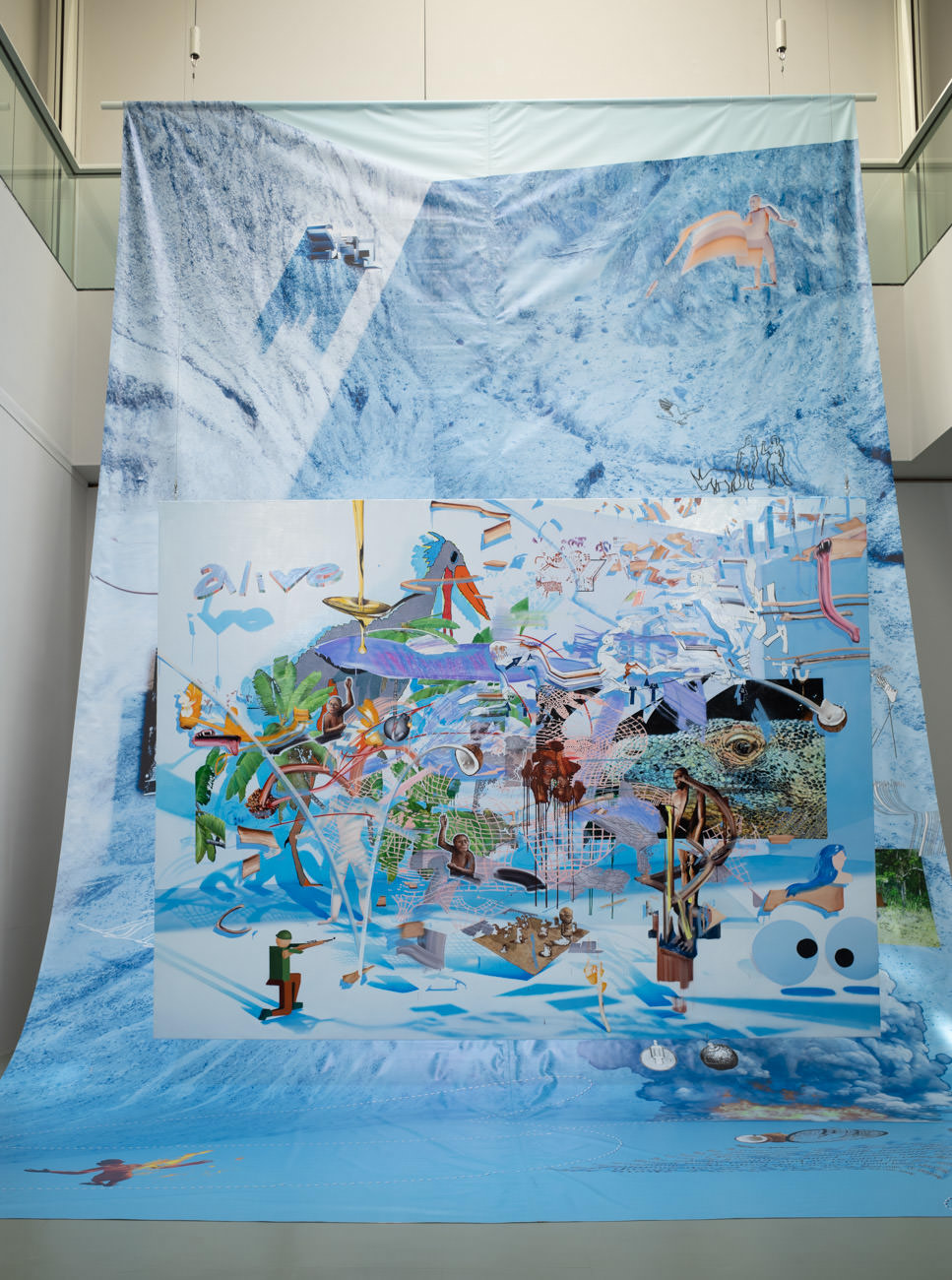
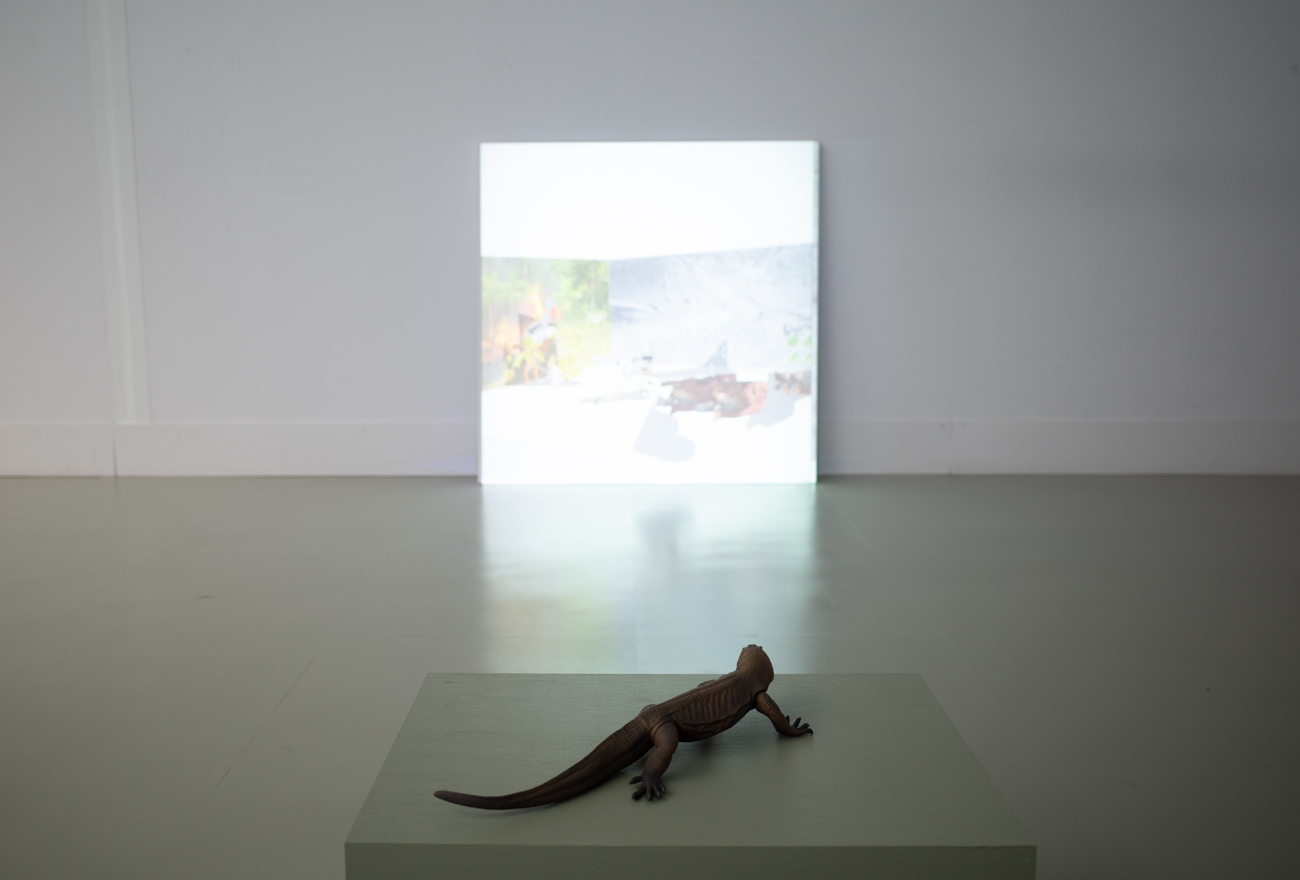
Exonemo
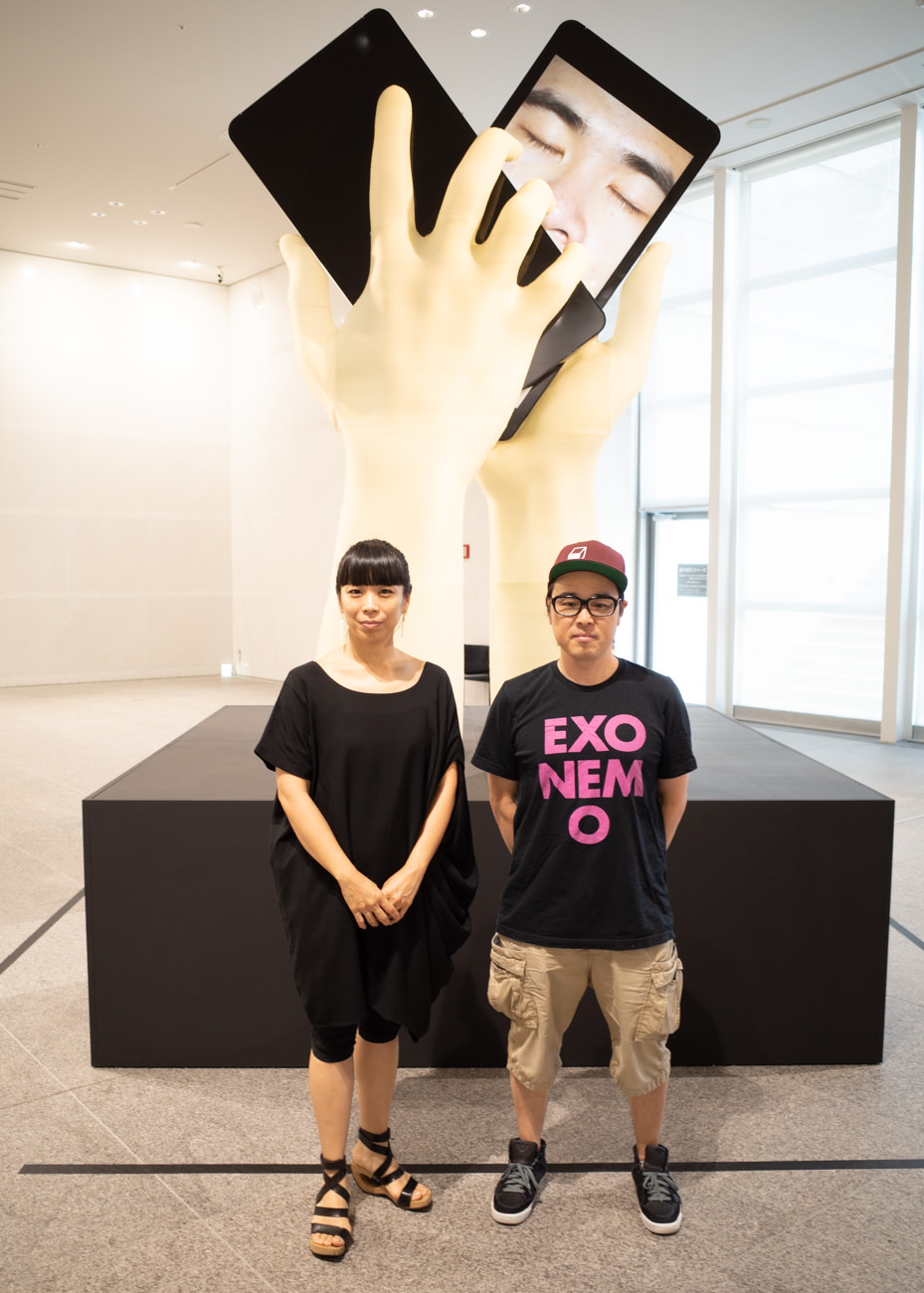
Exonemo is a two-person art unit based in New York (USA), consisting of Kensuke Sembo and Yae Akaiwa.
Their work was displayed just inside the entrance of the Aichi Prefectural Museum of Art — the gateway of the exhibition.
Exonemo’s “The Kiss” with the two members of Exonemo
Artistic Director Daisuke Tsuda apparently approached Exonemo at an early stage, after seeing their work at a group exhibition at Art Tower Mito in 2018.
Ugo Rondinone
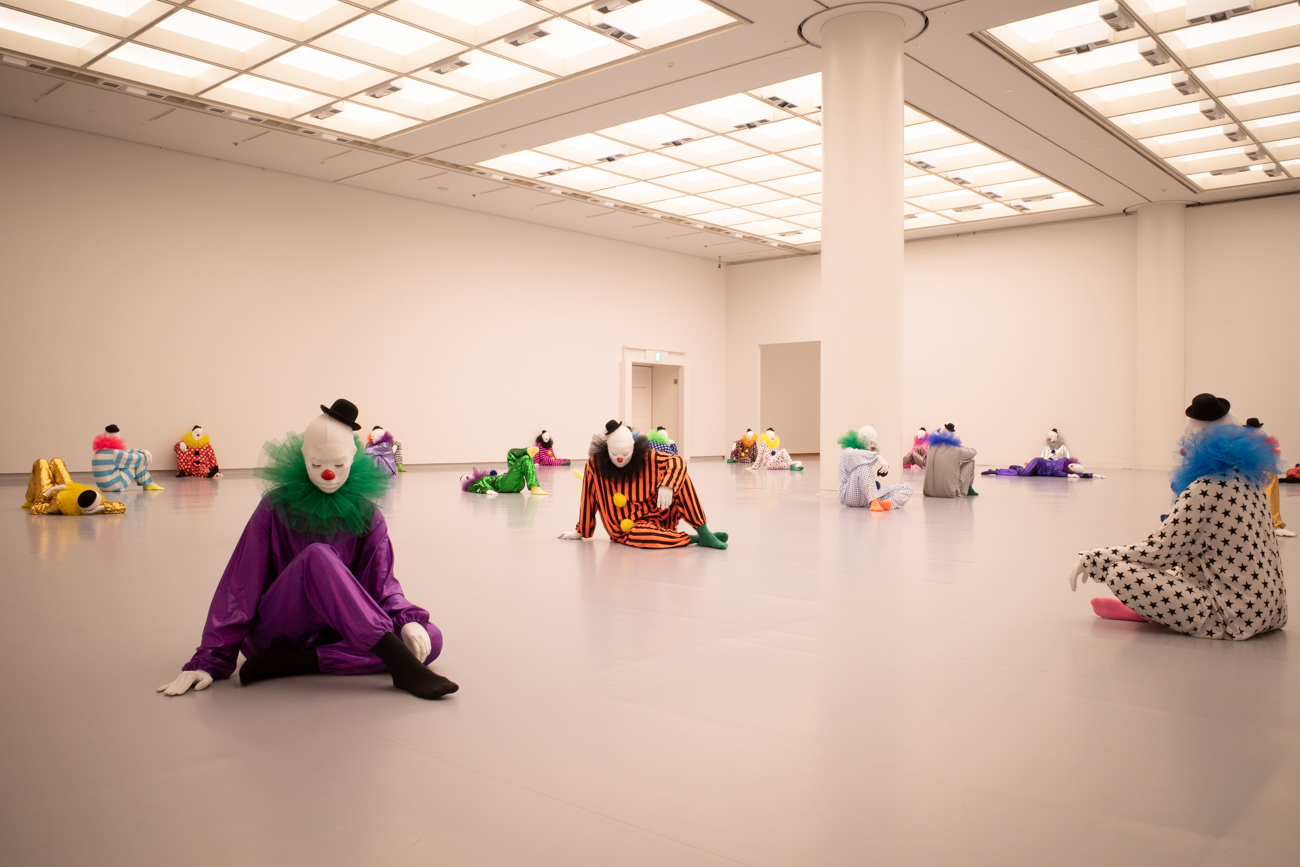
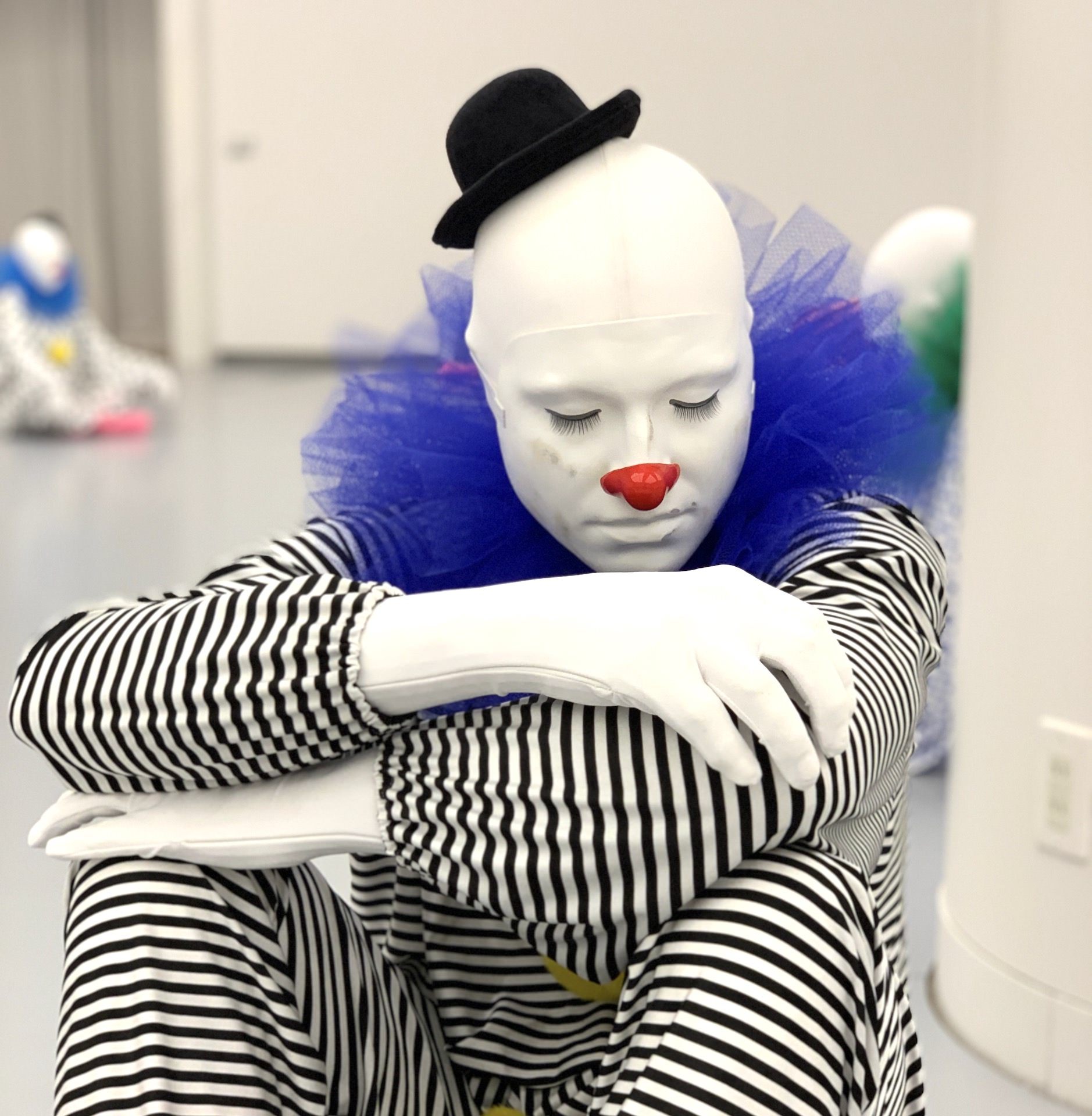
Born in Switzerland and based in New York, Ugo Rondinone presented “vocabulary of solitude,” an installation of 45 clown sculptures spread across a wide floor space, each with a strikingly lifelike presence. It was also chosen as the main visual for the Aichi Triennale 2019.
Each clown is named after an act it performs.
be / breathe / sleep / dream / wake / get up / sit / listen / look / think / stand / walk / pee / shower / dress / drink / fart / shit / read / laugh / cook / smell / taste / eat / clean / write / daydream / remember / cry / doze / be moved / feel / moan / enjoy / float / love / hope / wish / sing / dance / fall / curse / yawn / undress / lie
They depict the solitary acts one person repeats throughout the 24 hours of a single day at home.
Ugo Rondinone, “vocabulary of solitude,” 2014–2016Ugo Rondinone, “vocabulary of solitude”
Every clown’s face is slightly downcast, so you find yourself peering into each one, going around the piece as if reading them one at a time.
As you gaze at their expressions, they begin to look as though life dwells within them.
Some clowns even seem a little like yourself, and complex emotions began to intermingle.
Ayako Ishiba
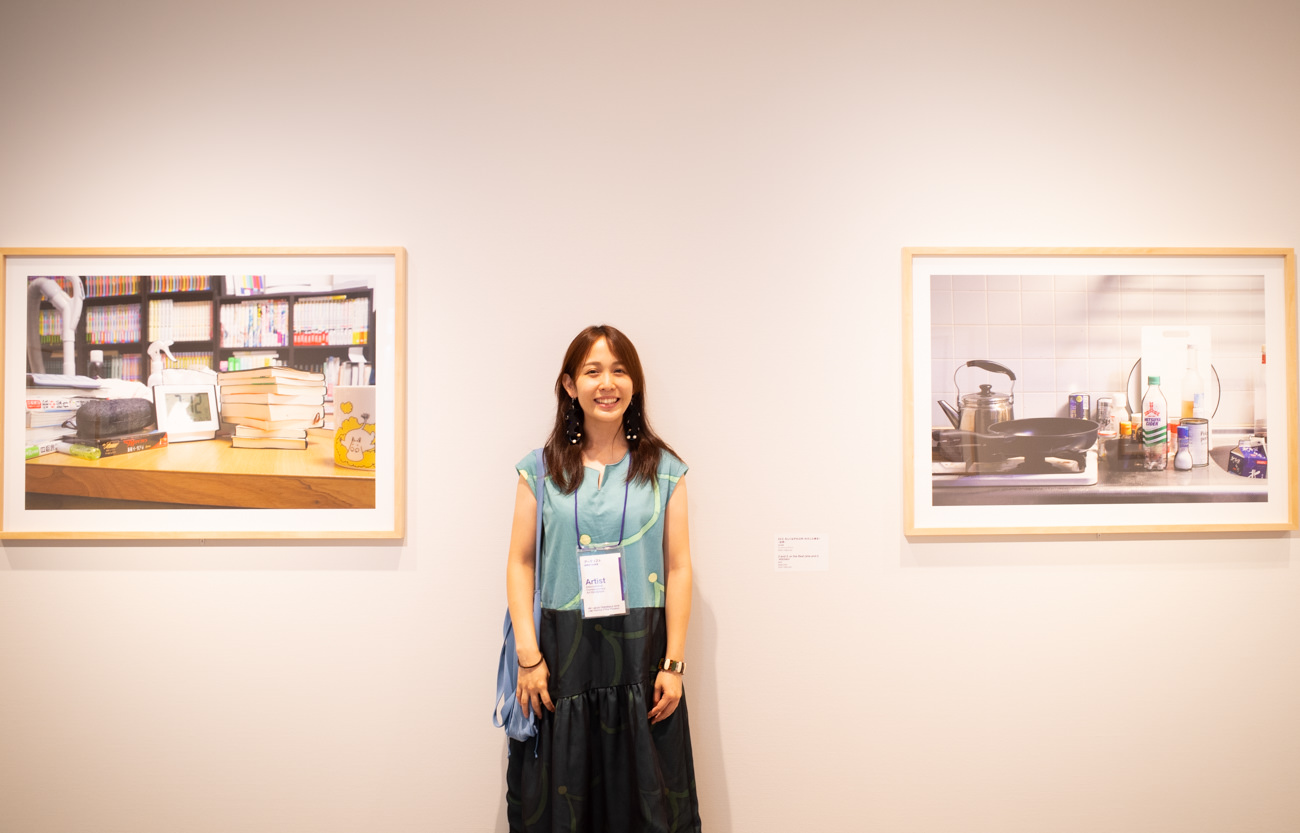
Ayako Ishiba’s photographic works have a painterly quality, offering a viewing experience that shakes the senses.
Ayako Ishiba — photographed at the Aichi Triennale venue
A separate article with photos of her works is below.
Gabin Ito
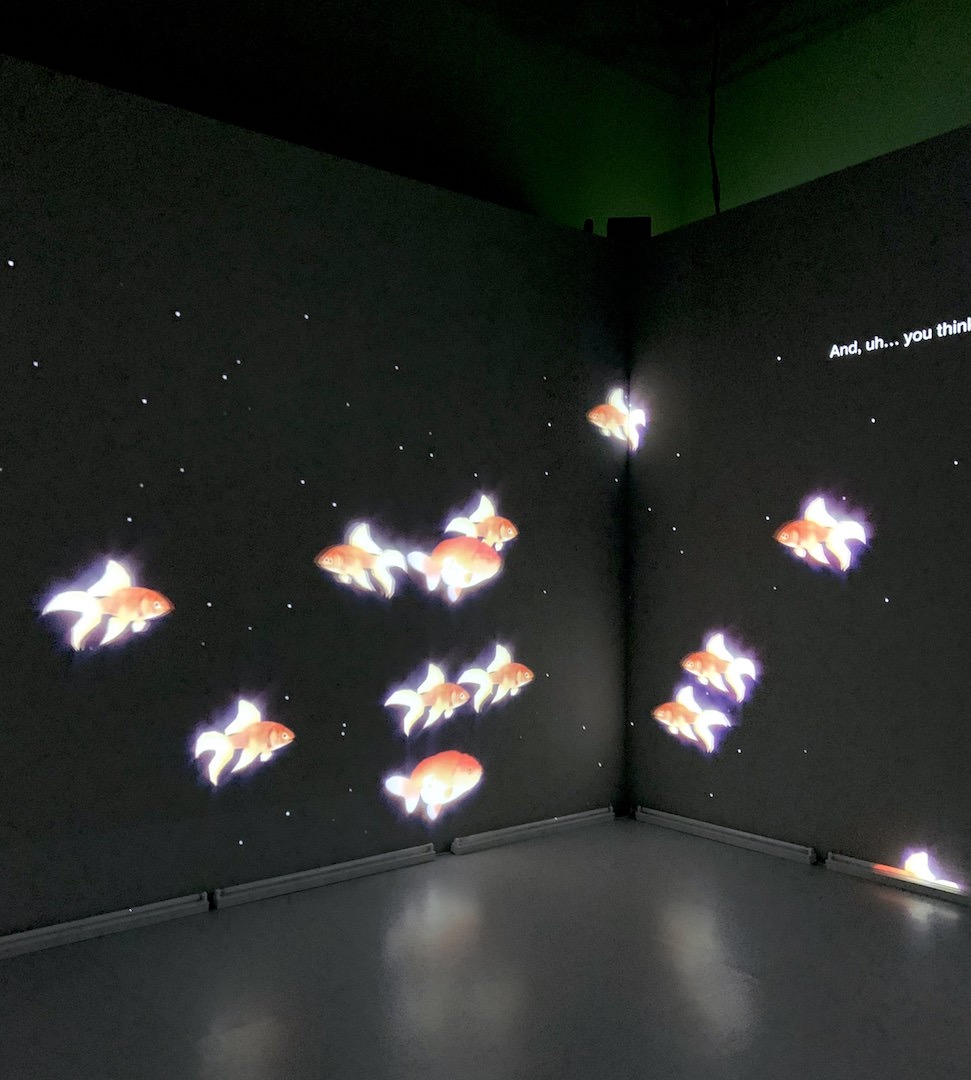
While video works were plentiful at this year’s Aichi Triennale 2019, Gabin Ito’s piece was a projection mapping work full of playful spirit.
Gabin Ito, “Modern Fart, Inaugural Issue, Special Feature: Immersion and Art, or, Dr. Strangelove and Projection Mapping,” 2019Viewing the piece in a quieter time slot offered a pleasantly immersive experience
At busy times, visitors rotated in groups of 20, but when it was less crowded I was enveloped in the 360-degree imagery and it felt wonderful.
Aichi Prefectural Museum of Art Gallery (8F)
Yohei Imamura
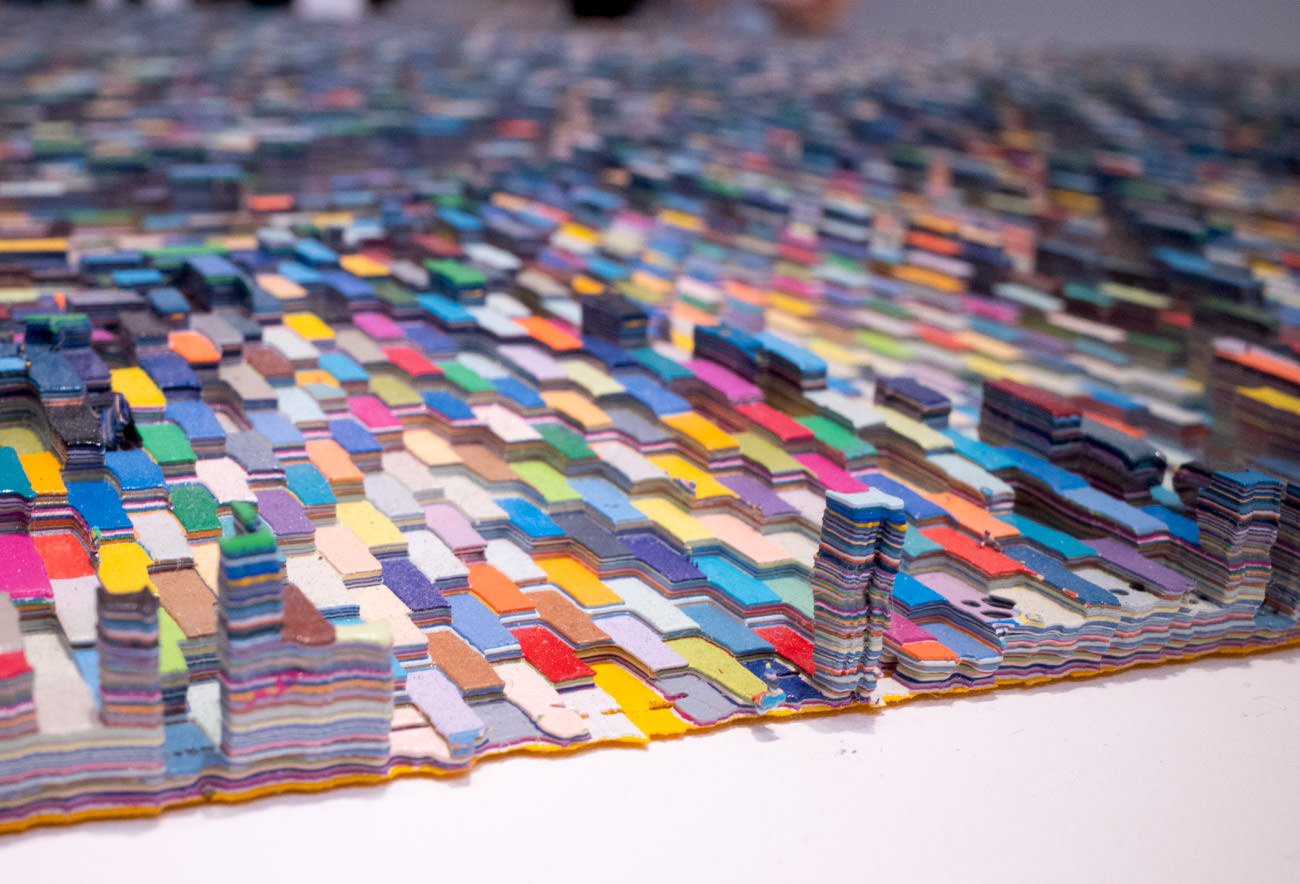
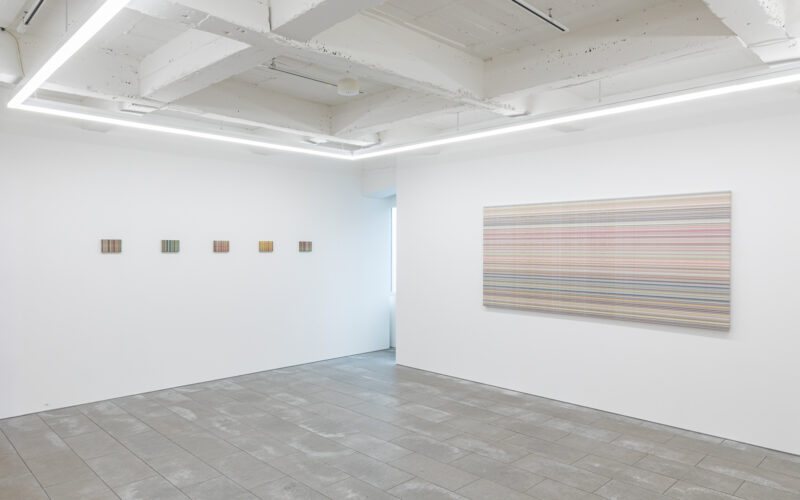
Yohei Imamura creates works that repeat silkscreen prints “ten thousand times” — an insanely obsessive practice (meant as praise).
His work questions the boundary between two- and three-dimensional forms.
Yohei Imamura, “peak,” 2019
A full article is available below.
Stuart Ringholt
“The Atomic Clock” is a work that can be viewed from both sides.
A billion years from now, the Earth’s rotation will have slowed to the point where a day lasts 34 hours.
“The Atomic Clock” is a clock that will keep working even in that future where the length of a day has changed.
After “Freedom of Expression?”
I viewed “After ‘Freedom of Expression?'” during the press preview.
Because I hadn’t received advance information, seeing the works made a strong impact, and the intent — “we thought it would be meaningful to hold ‘After Freedom of Expression?’ at a public museum precisely because it would spark controversy” — quickly grew into a large public debate after the opening, as is now widely known.
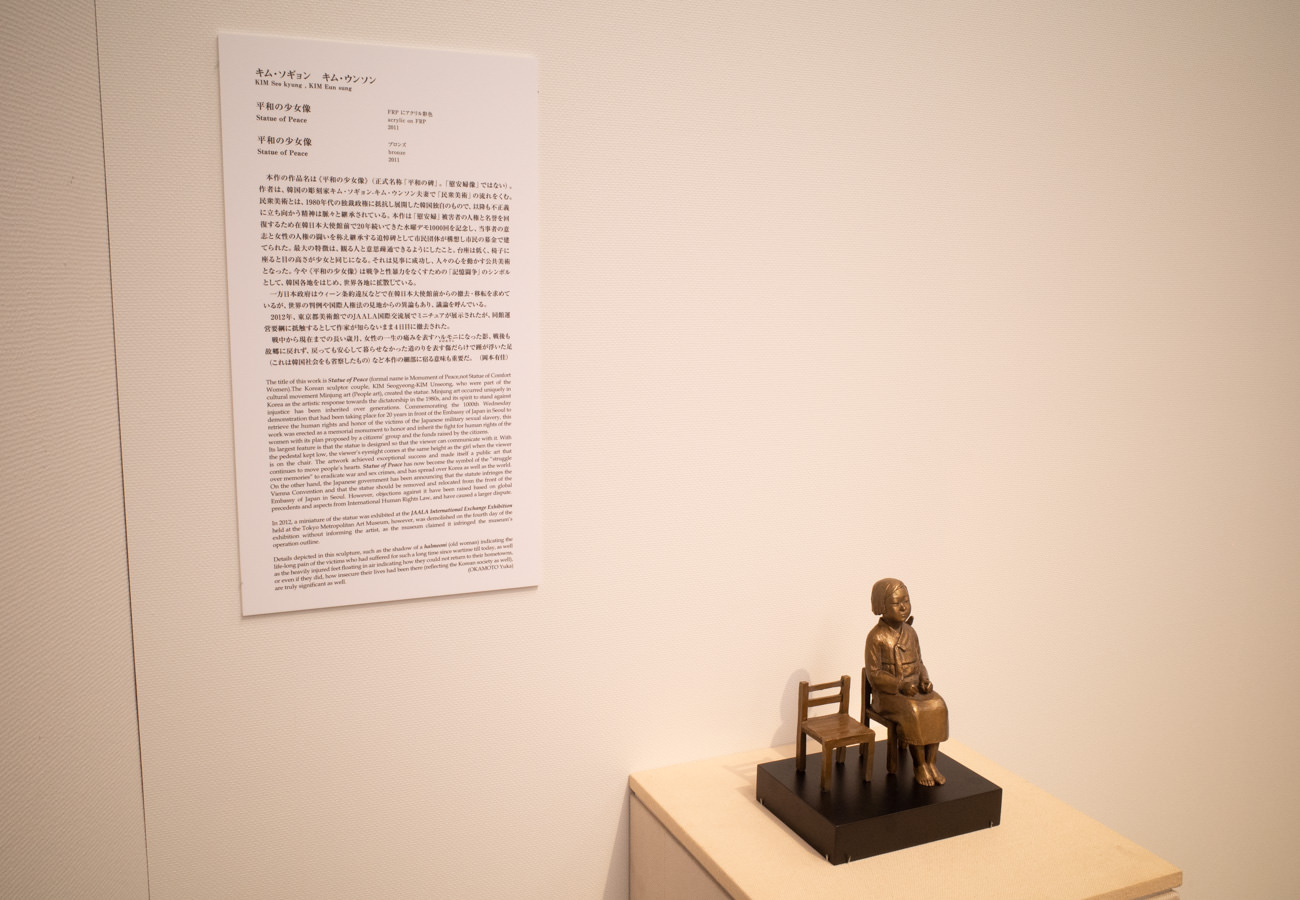
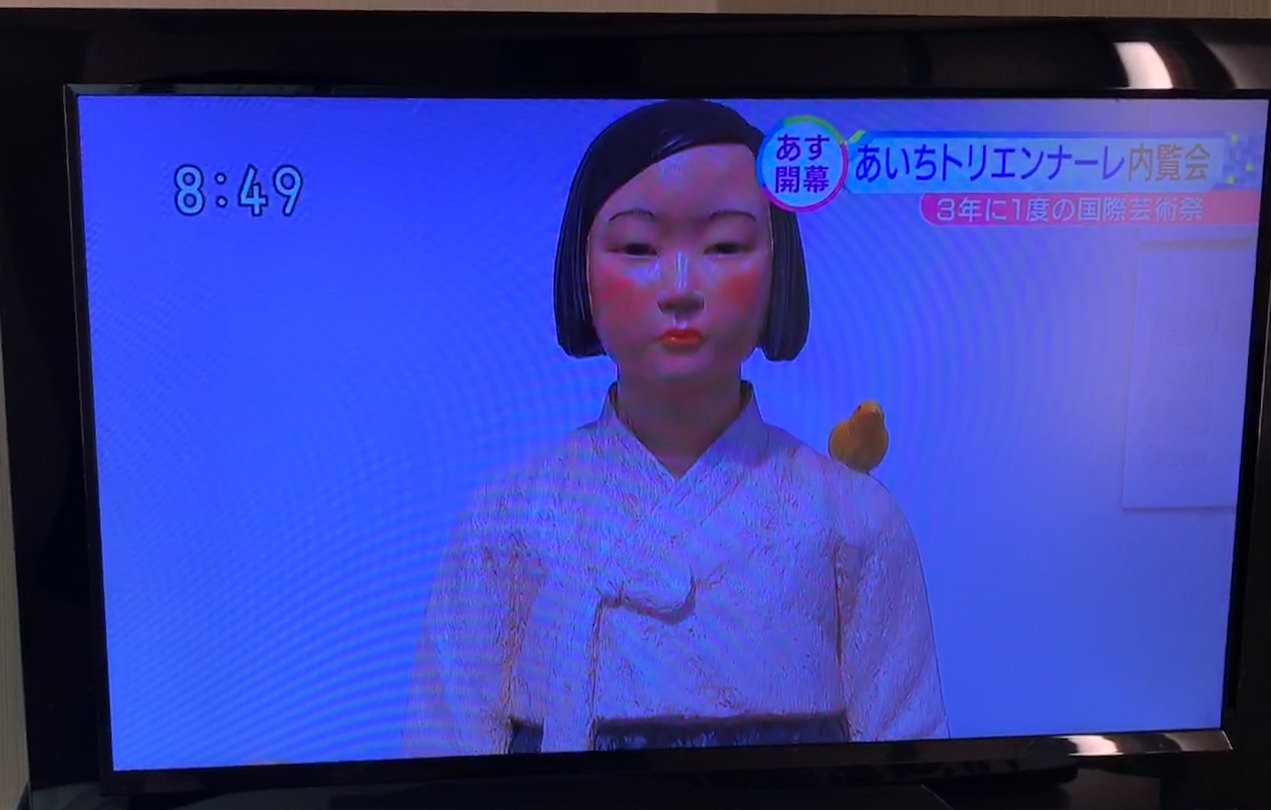
The display corner for Kim Seo-kyung and Kim Eun-sung’s “Statue of a Girl of Peace”
Following the shutdown of “After ‘Freedom of Expression?’,” twelve artist groups requested that their own works be temporarily withdrawn as well.
Protests by the artists spread further.
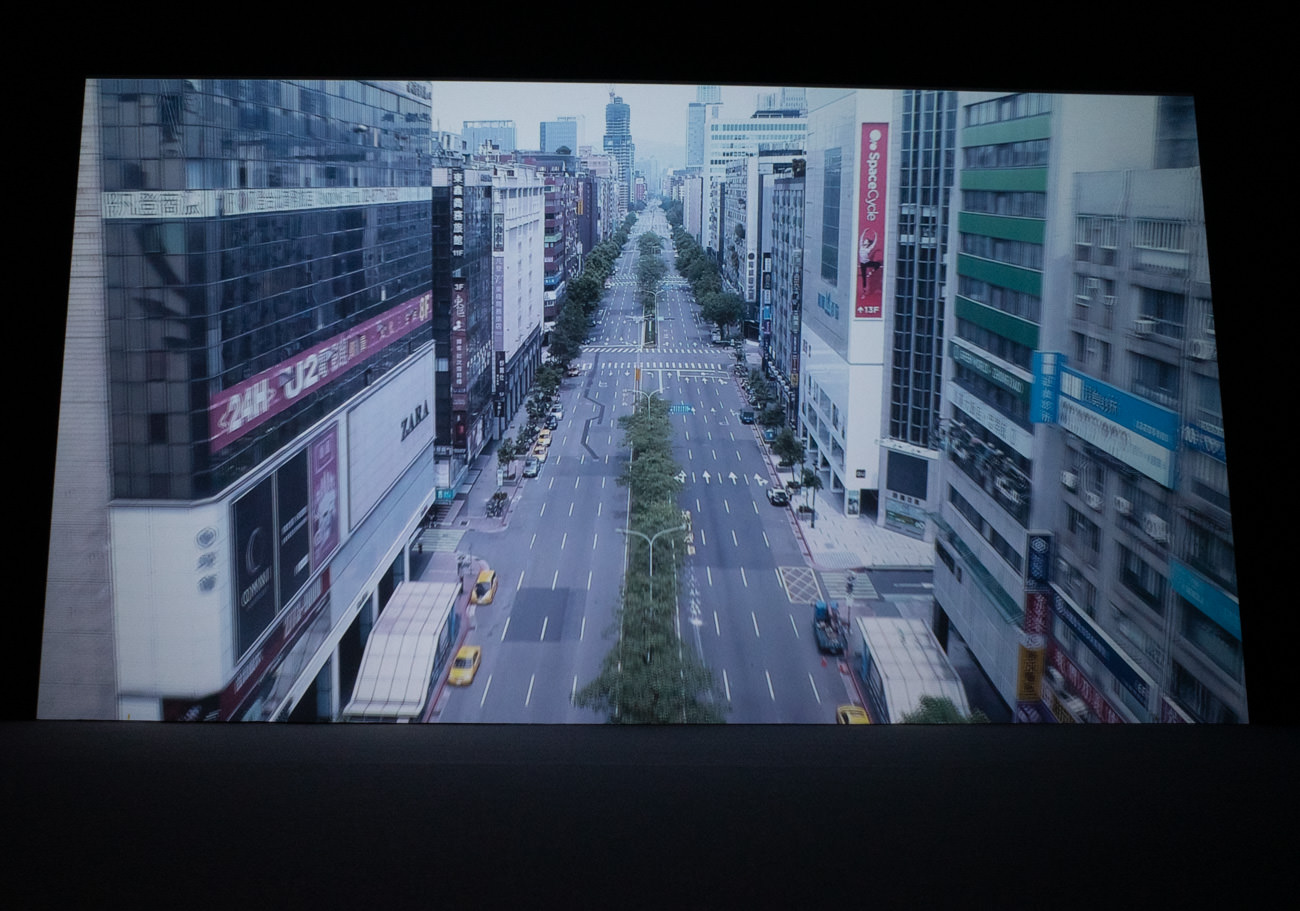
Yuan Goang-Ming, “Everyday Maneuver”
I found myself watching Yuan Goang-Ming’s “Everyday Maneuver” over and over.
It’s hard to tell in an instant whether the imagery is real or CG, but it’s live drone footage of the air raid drill that has been held in Taiwan every year since 1978.
Yuan Goang-Ming, “Everyday Maneuver,” 2018
Five locations, including the busiest streets in Taipei, are shown emptied of people — a scene that makes us think about the threat of war lurking within a seemingly stable, peaceful, everyday city.
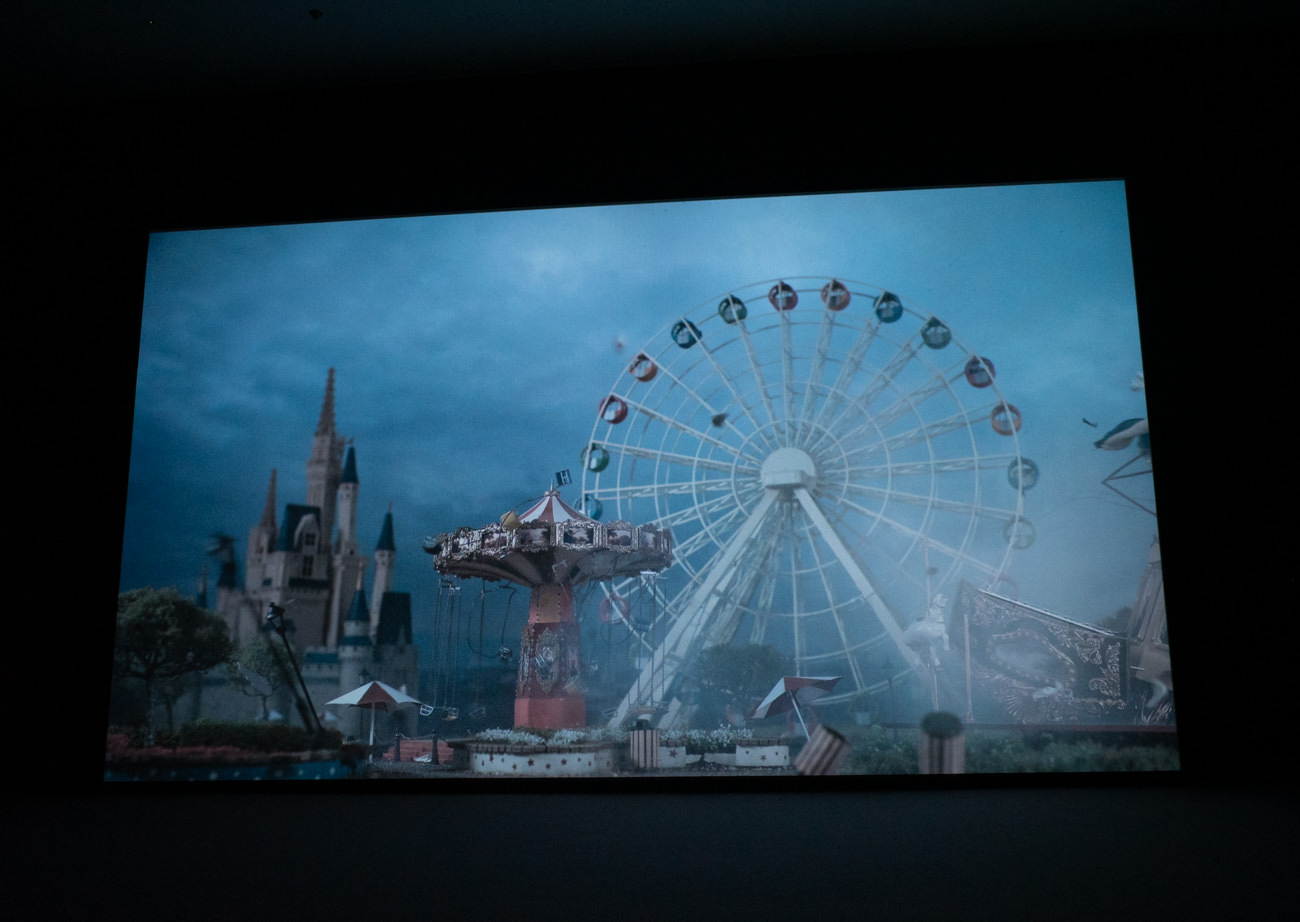
Also, in “Tomorrowland,” an amusement park is suddenly blown up and the destruction plays back in slow motion. As the scene unfolds slowly, it suddenly reverses and returns to the original landscape. The way it snaps back in an instant, as if nothing had happened, gives the work the impression of an unreal dream.
Yuan Goang-Ming, “Tomorrowland,” 2018
Pangrok Sulap
Pangrok Sulap is an artist collective formed in Malaysia in 2010.
The name is a combination of the words meaning “punk rock” and “farmers’ rest hut.”
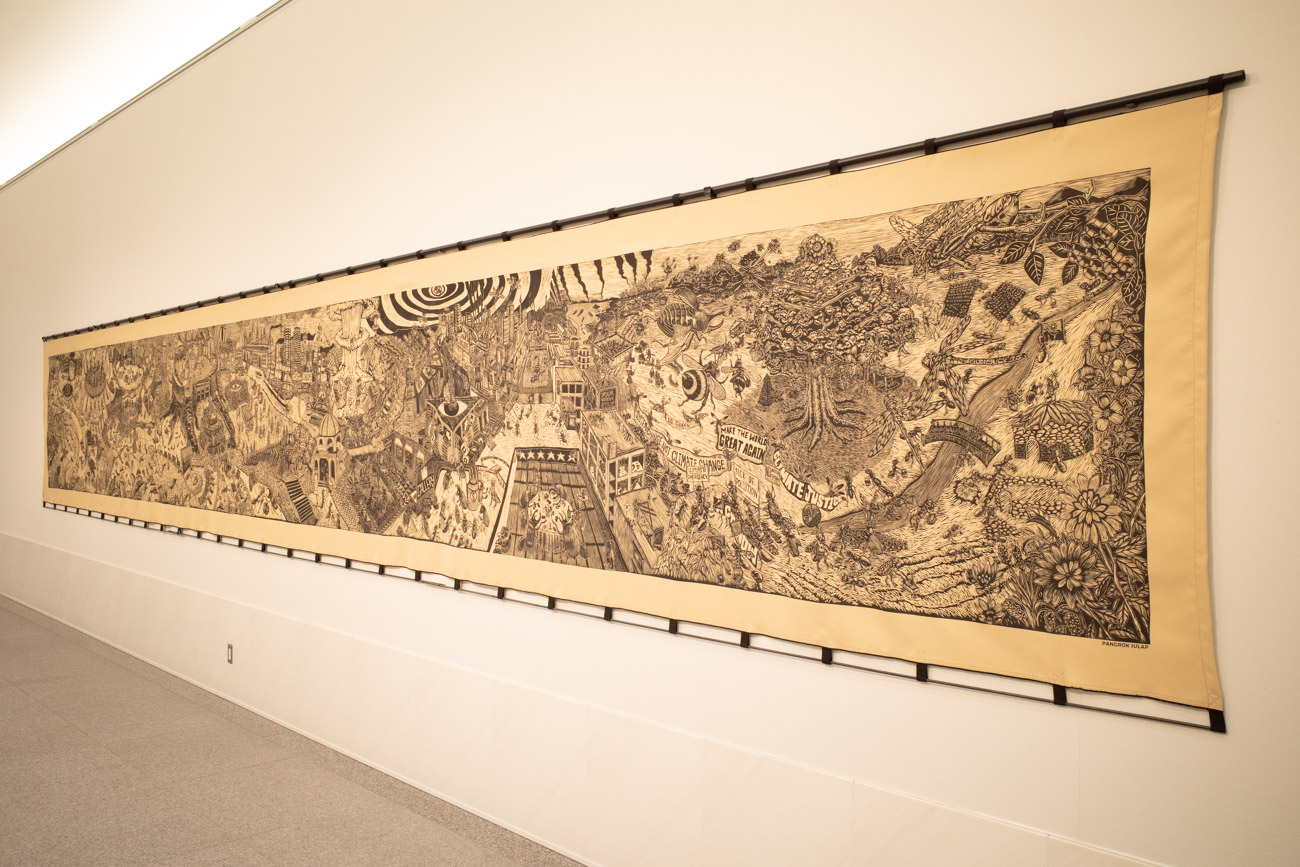
They exhibited one work, a large horizontal woodblock print titled “Devolution.” The motifs unfold from right to left, depicting insects, but they read as a cynical critique of humanity’s runaway prosperity. Though large, the piece contains richly detailed passages that reward extended viewing.
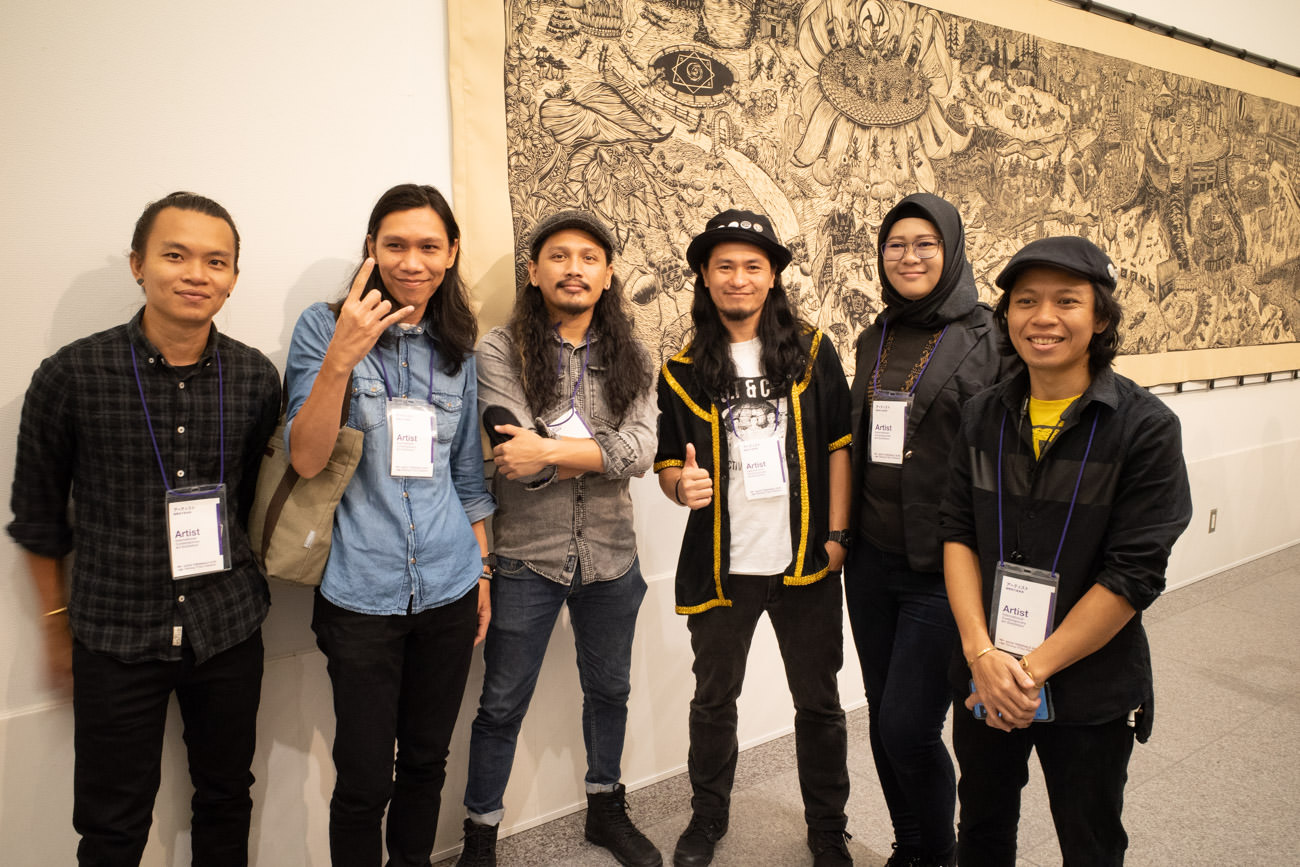
Pangrok Sulap, “Devolution,” 2019The members of Pangrok Sulap — a group of roughly ten artists, musicians, and activists
Aichi Prefectural Museum of Art (12F)
James Bridle
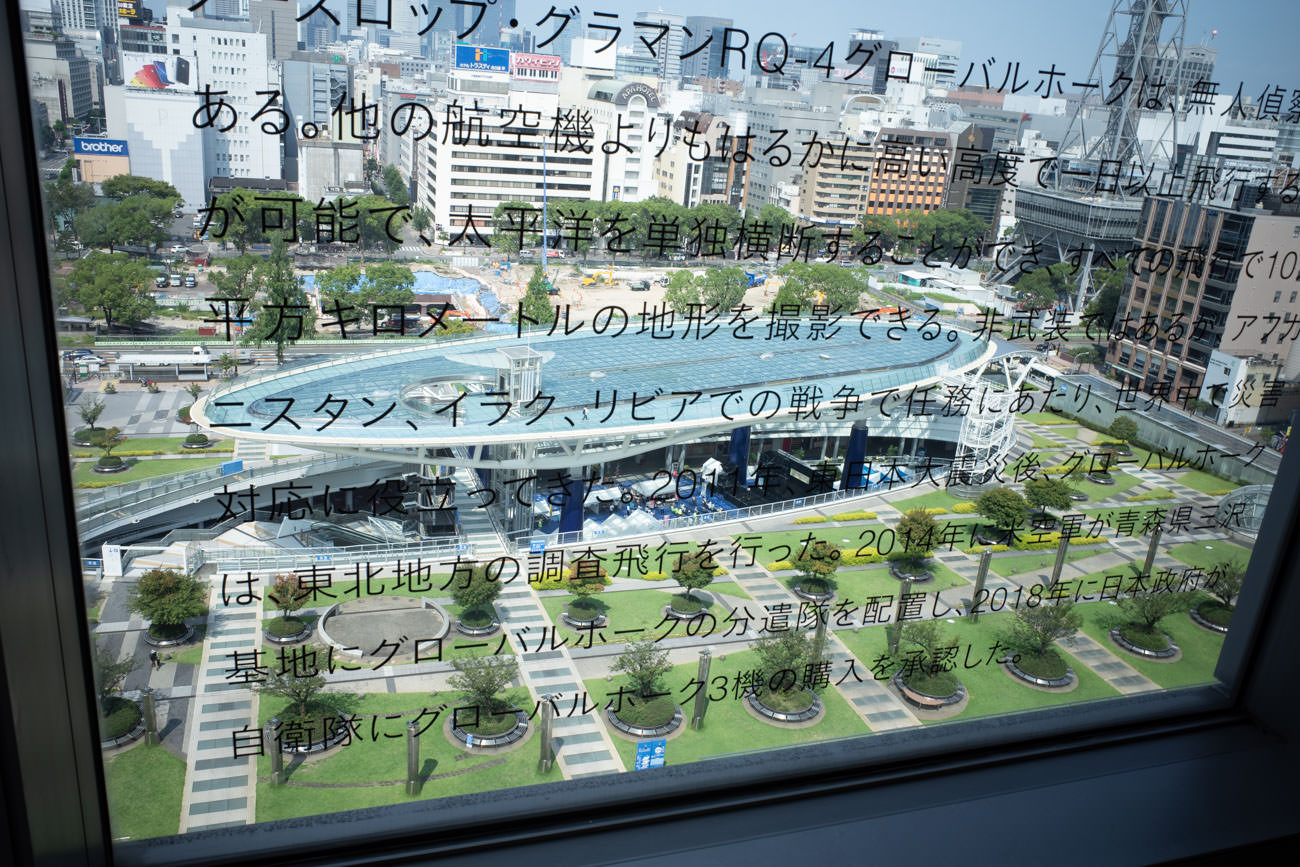
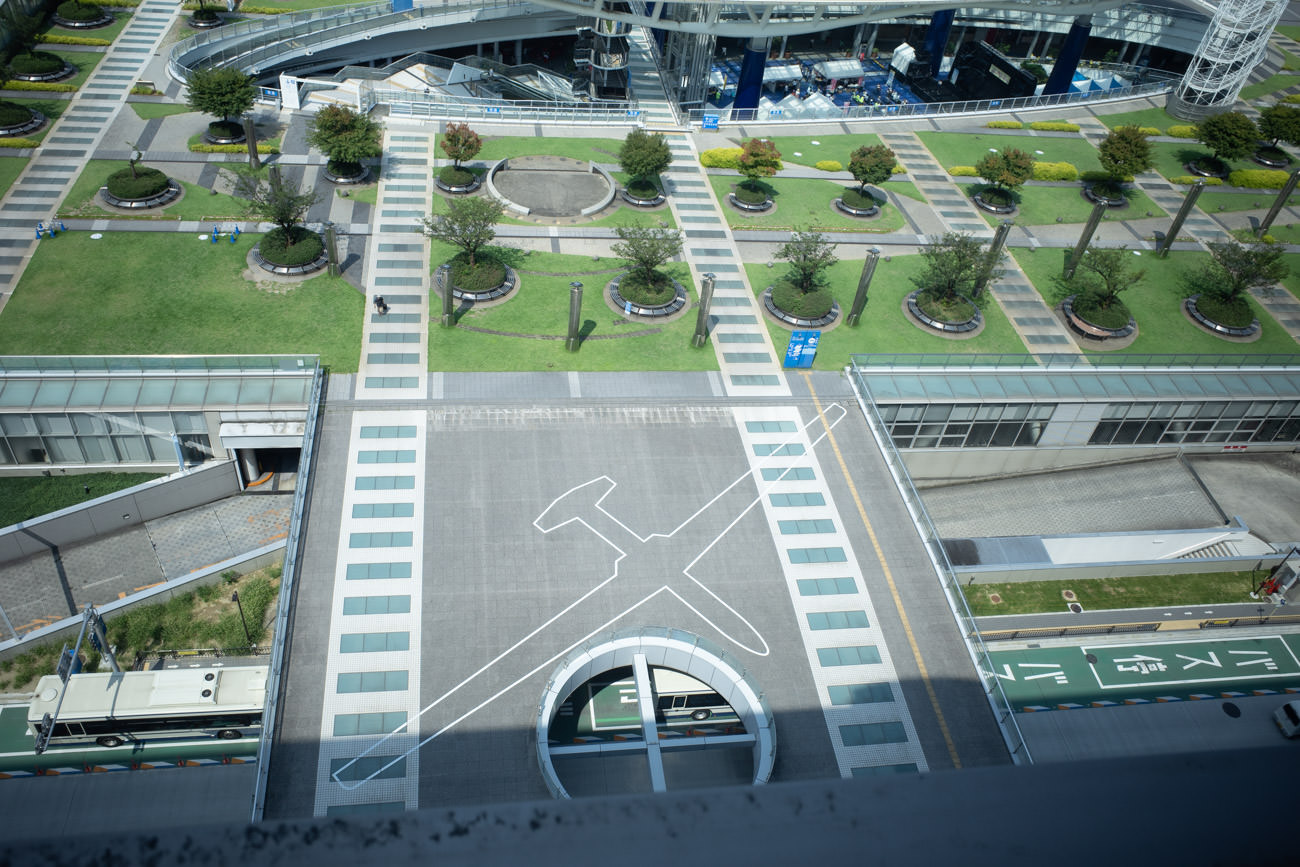
The white line drawn on the ground and viewed from the 11F observation corridor of the Aichi Prefectural Museum of Art is “Drone Shadow,” a life-size silhouette of the real-life unmanned reconnaissance aircraft “RQ-4 Global Hawk.”
The aircraft has a wingspan of about 35 m and a length of about 14 m. It has been operationally deployed in Iraq and Afghanistan, and Japan’s Self-Defense Forces are also scheduled to introduce three units.
James Bridle, “Drone Shadow,” 2019
The work makes what is otherwise hard to see visible, and poses a question to us.
Nagoya City Art Museum
sholim
sholim uses GIFs to create seconds-long looped videos in which human faces and landscapes morph uncannily.
The works are published on social media and their strange, “digital surrealist” world has earned high praise.
Based abroad in Indonesia, Kei Imazu is highly active and often exhibits in Japan.
Her installation combined large paintings with sculptural elements and video.
As the title suggests, it prompts reflection on evolution.
Kei Imazu, “Survive,” 2019, oil on canvas, digital print on vinyl, and video installationKei Imazu, “Survive,” 2019
Shikemichi & Endoji
Tomoyuki Washio
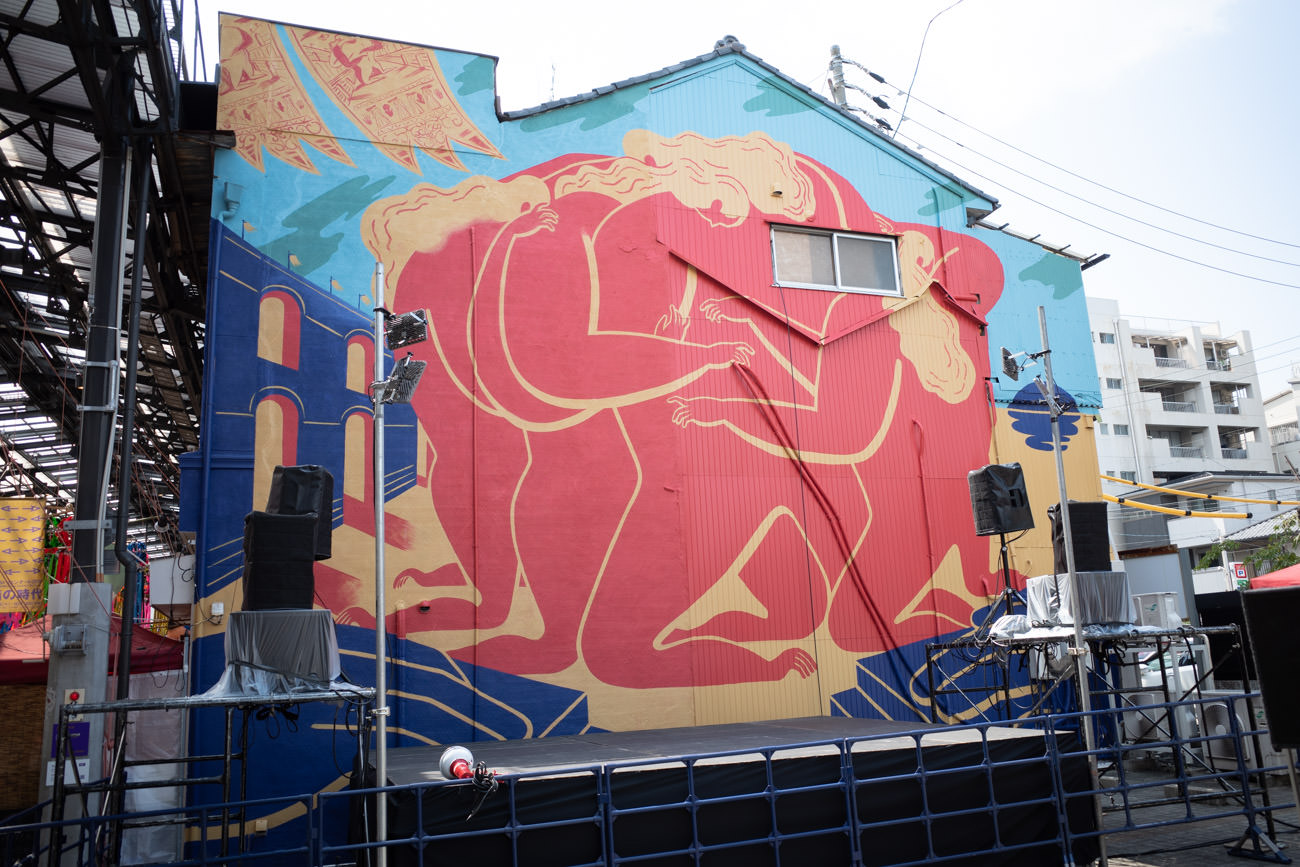
A special stage was built. The mural is “MISSING PIECE,” a huge work by Aichi-based artist Tomoyuki Washio.
It’s painted on the parking lot wall of Chokyusan Endoji Temple in the Endoji shopping street, with a specially built stage set up beneath it for live music and other events.
Tomoyuki Washio, “MISSING PIECE,” 2019
Kanji Yumisashi
Kanji Yumisashi’s exhibition “Shining Children” takes as its theme the incident on April 18, 2011 in Kanuma, Tochigi Prefecture, in which a crane truck plowed into a line of children on their way to school, killing six.
It’s an art project built on Yumisashi’s careful reporting, centered on the children who lost their lives in the traffic accident.
Kanji Yumisashi, “Shining Children,” 2019
A full article with images is available below.
Takahiro Iwasaki
The Ito Family House in the Shikemichi area is a merchant residence dating from around Kyoho 7 (1722), a designated tangible cultural property of Aichi Prefecture and one of Nagoya’s Important Landscape Buildings — a precious surviving structure. Shikemichi and the Endoji area are among the few parts of Nagoya that escaped the wartime air raids.
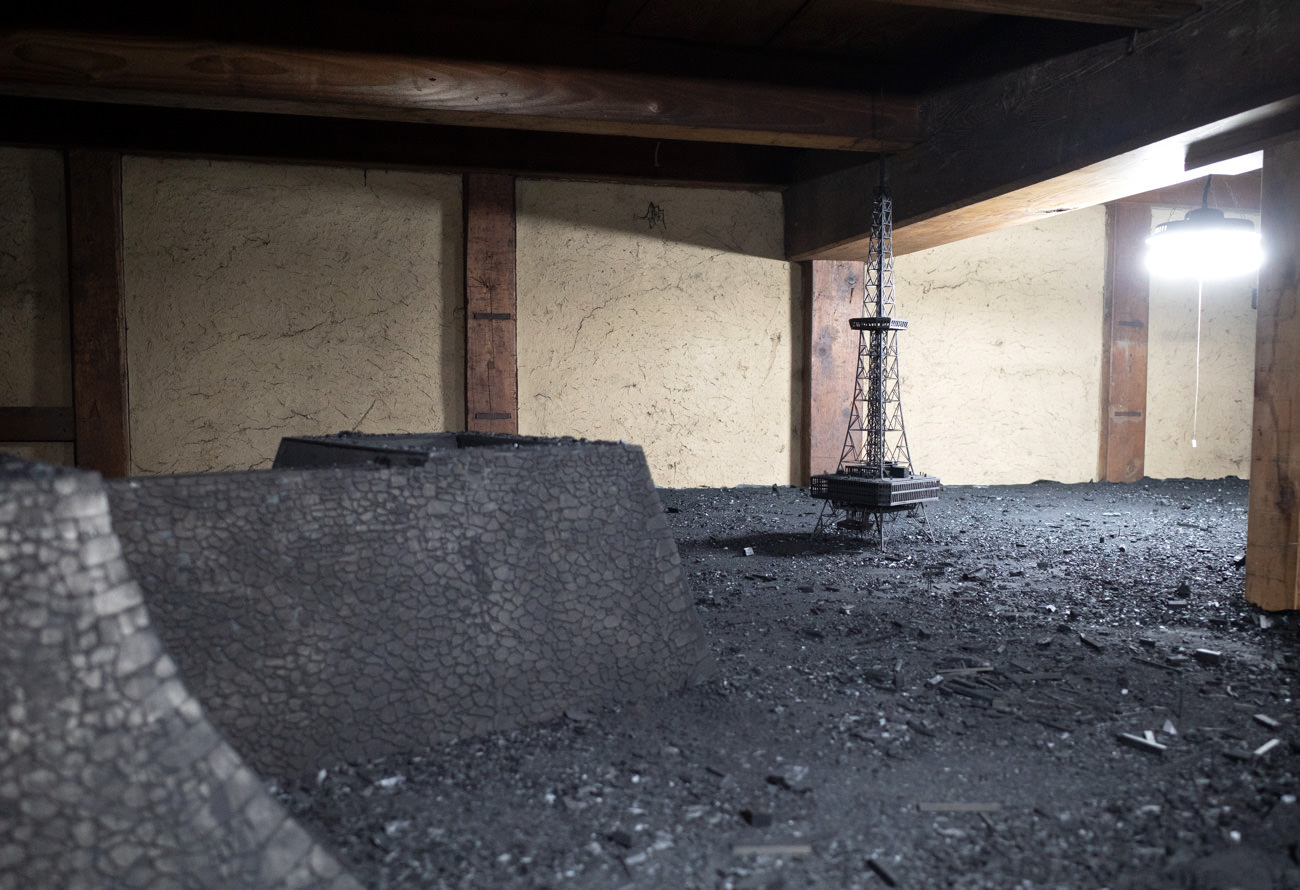
Displayed within this building was Takahiro Iwasaki’s “Machi-gura,” a work representing Nagoya’s old castle town using carbon-based materials.
Takahiro Iwasaki, “Machi-gura,” 2019
A full article with images is available below.
Toyota Municipal Museum of Art Area
Tadasu Takamine
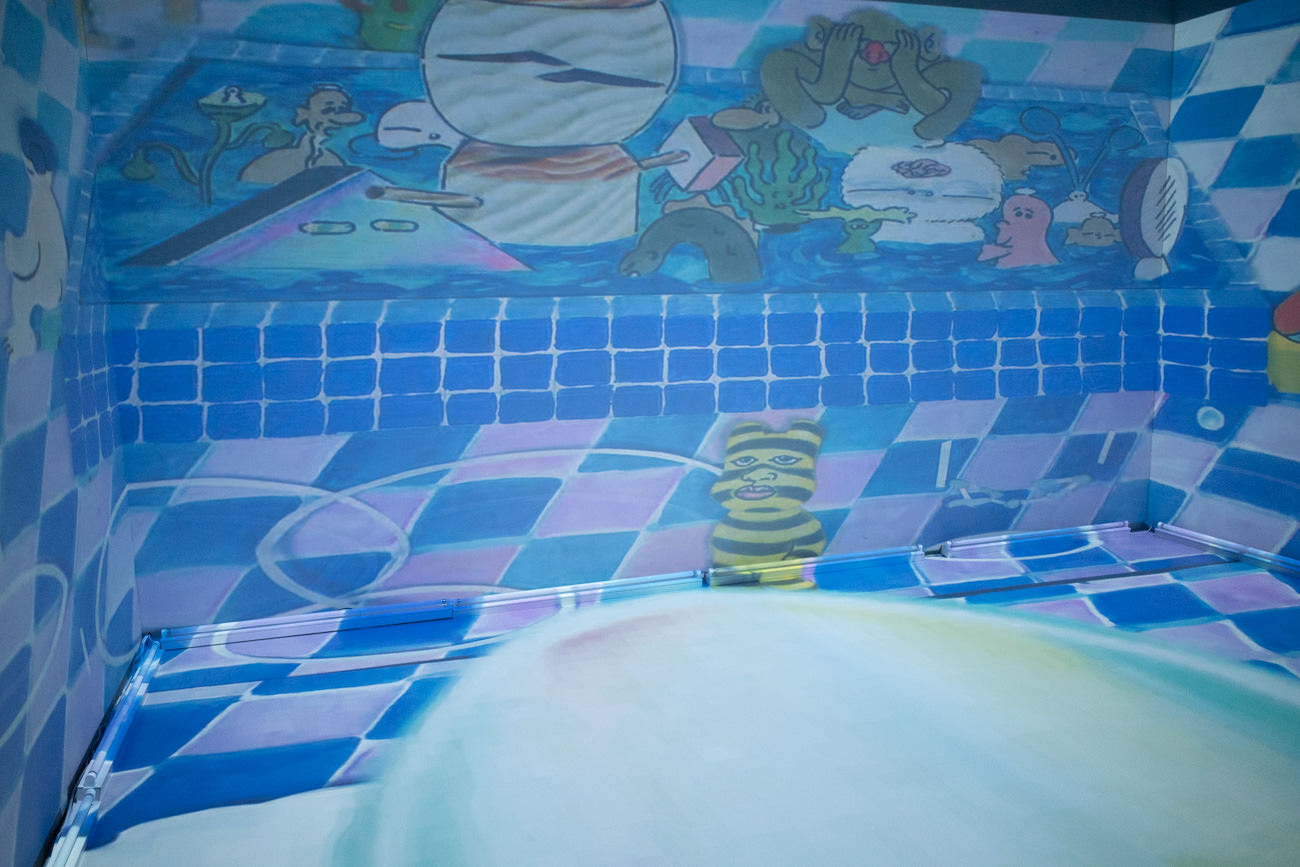
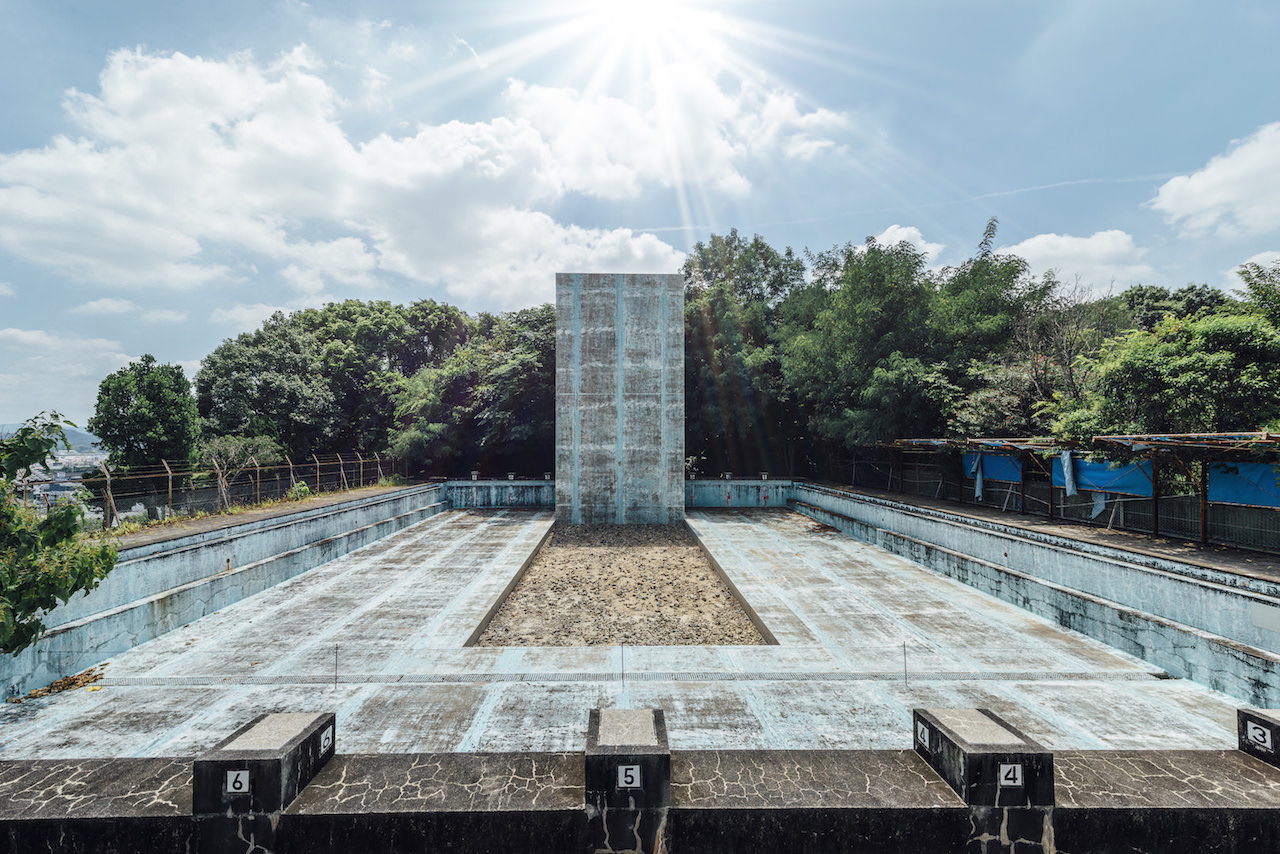
Tadasu Takamine’s work “Han-ka” is a piece created by stripping out the bottom of the swimming pool at a closed school (the former Toyota Higashi High School) and standing it upright.
Tadasu Takamine, “Han-ka: Looking Up, I Grieve the Sky, Dyed in Its Color Until I Am No Longer Myself,” 2019 Photo: Takeshi Hirabayashi
The title reads like a poem that is itself part of the work.
The piece has an overwhelming presence.
Nodoka Odawara
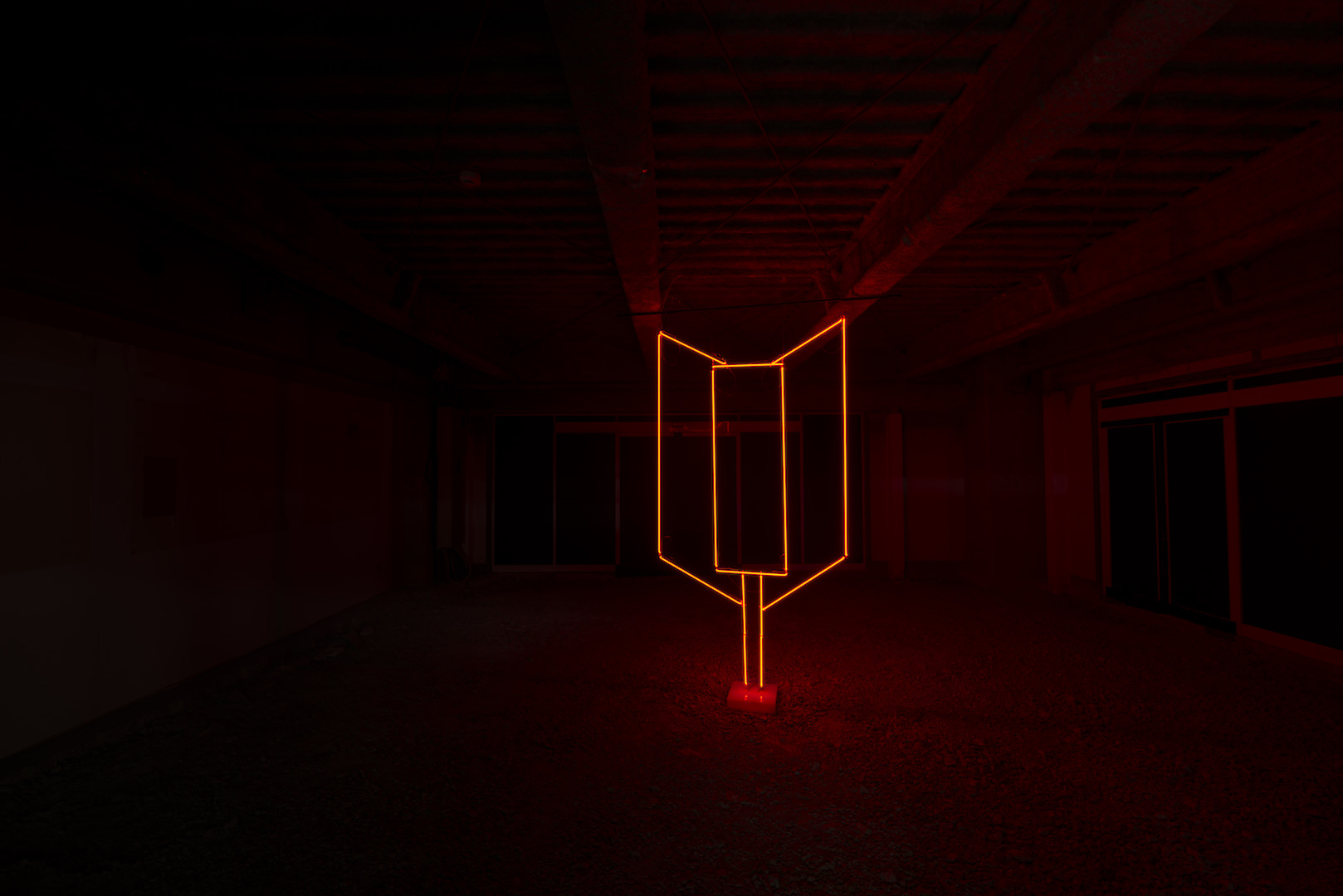
Nodoka Odawara’s signature work “↓.”
The piece takes as its motif the arrow-shaped marker post that once stood at the hypocenter of Nagasaki.
It revives the scars of war in the present as a neon sign.
A woman artist from Czechoslovakia, Anna Hulačová.
Faces are without expression, replaced by an iron and a shaver.
Anna Hulačová, “Return from the Mission,” 2018 Photo: Takeshi Hirabayashi
In closing
As the subtitle “Taming Y/Our Passion” suggests, the Aichi Triennale 2019 was a festival in which artists expressed many kinds of “passion,” and the works stirred emotions in us as viewers.
The controversy around “After ‘Freedom of Expression?'” made it easy to be swept along by biased information, but standing in front of so many works, you can feel that this really is an outstanding international art festival.
Do go and see it for yourself, take in the real works of art, and think about the future of art.
Overview
Aichi Triennale 2019
Theme: Taming Y/Our Passion
Artistic Director: Daisuke Tsuda (journalist / media activist)
Dates: August 1 (Thu) – October 14 (Mon, holiday), 2019 [75 days]
Main venues:
Aichi Arts Center
Nagoya City Art Museum
Downtown Nagoya (Shikemichi & Endoji area, etc.)
Toyota City (Toyota Municipal Museum of Art and downtown)
Organizer: Aichi Triennale Organizing Committee
Aichi Triennale 2019(爱知三年展2019)
主题:Taming Y/Our Passion(情之时代)
艺术总监:Daisuke Tsuda(新闻记者/媒体活动家)
会期:2019年8月1日(周四)—10月14日(周一・节假日)[共75天]
主要会场:
Aichi Arts Center(爱知艺术文化中心)
Nagoya City Art Museum(名古屋市美术馆)
名古屋市街区(四间道与圆顿寺地区等)
Toyota City(丰田市美术馆及市街区)
主办:爱知三年展执行委员会
아이치 트리엔날레 2019 — Taming Y/Our Passion (정의 시대)
아이치 트리엔날레는 2010년부터 3년마다 개최되어 온 일본 최대 규모의 국제 예술 축제이다.
네 번째를 맞이한 2019년에는 국내외에서 90여 팀의 아티스트가 참여했다. 국제 현대미술전을 비롯해 영상 프로그램, 퍼포밍 아트, 음악 프로그램 등 다양한 표현을 넘나드는 최첨단 예술 작품들이 한자리에 모였다.
오프닝 파티에서 인사말을 전하는 예술감독 Daisuke Tsuda
안타깝게도 「표현의 부자유전・그 후」의 중지로 인해 해외 작가를 중심으로 한 여러 출품작이 잇달아 철수되면서 트리엔날레 개최에 찬물을 끼얹는 형국이 되었다. 그러나 수많은 작가의 훌륭한 작품 덕분에, 본 예술제는 매우 높은 수준에 있음을 실감할 수 있었다.
이 글에서는 회장별로 하이라이트를 소개한다.
Aichi Arts Center (아이치 예술문화센터)
아이치 트리엔날레 회장의 중심은 Aichi Arts Center (아이치 예술문화센터)이다.
전시 층은 주로 8층과 10층이며, 관람 동선이 정해져 있었다.
Aichi Prefectural Museum of Art (아이치현 미술관, 10F)
Exonemo
Exonemo는 뉴욕(미국)을 거점으로 활동하는 Kensuke Sembo와 Yae Akaiwa의 2인조 아트 유닛이다.
본 전시의 관문이라 할 수 있는, 아이치현 미술관 입구 바로 안쪽에 전시되어 있었다.
Exonemo 《The Kiss》와 Exonemo 두 멤버
예술감독 Daisuke Tsuda는 2018년 Art Tower Mito의 그룹전에서 Exonemo의 작품을 보고 일찍부터 접촉을 이어왔다고 한다.
Ugo Rondinone
스위스 태생으로 뉴욕을 거점으로 활동하는 Ugo Rondinone. 넓은 전시 공간에 펼쳐진 작품 「vocabulary of solitude」는 살아 있는 듯한 존재감이 인상적인, 45개의 광대 조각으로 구성된 설치 작품이다. 이번 아이치 트리엔날레 2019의 메인 비주얼로도 채택되었다.
한 사람이 인생의 어느 하루, 24시간 동안 집 안에서 반복하는 고독한 행동들을 보여준다.
Ugo Rondinone 《vocabulary of solitude》 2014–2016년Ugo Rondinone 《vocabulary of solitude》
광대들의 얼굴은 모두 살짝 고개를 숙이고 있어, 하나하나 얼굴을 들여다보듯 돌아보게 되는 형태였다.
그 표정을 응시하다 보면, 마치 그 안에 생명이 깃들어 있는 것처럼 보이기 시작한다.
어딘가 자신을 닮은 광대도 있어, 복잡한 감정이 교차했다.
Ayako Ishiba
Ayako Ishiba의 사진 작품은 회화적인 표정을 지녀, 시각이 흔들리는 듯한 관람 체험을 안겨준다.
Ayako Ishiba — 아이치 트리엔날레 회장에서 촬영
작품 이미지를 포함한 기사는 아래에 정리되어 있다.
Gabin Ito
영상 작품이 많았던 이번 아이치 트리엔날레 2019에서, Gabin Ito의 작품은 놀이 정신이 가득한 프로젝션 매핑 작품이었다.
Gabin Ito 《Modern Fart 창간호 특집 몰입감과 예술, 혹은 프로젝션 매핑에 대한 이상한 사랑》 2019년여유로운 시간대의 관람 체험에서는 기분 좋은 몰입감이 느껴졌다
혼잡한 시간에는 20명씩 교대로 관람했지만, 한산할 때에는 360도 영상에 감싸여 매우 편안했다.
Aichi Prefectural Museum of Art Gallery (아이치현 미술관 갤러리, 8F)
Yohei Imamura
실크스크린 프린트를 「1만 번 반복한다」는 바보 같은(칭찬입니다) 작업을 계속하는 Yohei Imamura.
평면과 입체의 경계선을 되묻는다.
Yohei Imamura 《peak》 2019년
자세한 내용은 아래 기사에 정리되어 있다.
Stuart Ringholt
작품 「The Atomic Clock (원자력 시계)」는 양면에서 관람할 수 있는 작품이다.
10억 년 후에는 지구의 자전 속도가 느려져, 하루가 34시간이 된다고 한다.
「The Atomic Clock」은 하루의 길이가 변한 미래에서도 계속 작동하는 시계이다.
After “Freedom of Expression?” (표현의 부자유전・그 후)
「표현의 부자유전・그 후」는 프레스 프리뷰 때 관람했다.
사전 정보가 전달되지 않았기 때문에 작품을 봤을 때의 임팩트는 컸지만, 「『표현의 부자유전・그 후』를 공립 미술관에서 여는 것으로 논란을 일으키는 데 의의가 있다」는 의도는 공개 직후 큰 논쟁으로 발전해, 널리 알려진 대로의 전개로 이어졌다.
Kim Seo-kyung과 Kim Eun-sung 《Statue of a Girl of Peace (평화의 소녀상)》 전시 코너
「표현의 부자유전・그 후」의 전시 중단에 따라, 자신의 작품 전시 일시 중단 등을 요청한 작가는 12팀에 달했다.
작가들의 항의 표명은 확산되어 갔다.
Yuan Goang-Ming (袁廣鳴) 「Everyday Maneuver (일상 훈련)」
Yuan Goang-Ming의 《Everyday Maneuver》는 몇 번이나 반복해서 보게 되는 작품이었다.
현실인지 CG인지 순간적으로 판별할 수 없지만, 대만에서 1978년부터 이어져 온 방공 훈련을 드론으로 촬영한 실사 영상이다.
Yuan Goang-Ming (袁廣鳴) 《Everyday Maneuver》 2018년
타이베이에서 가장 번화한 거리를 포함한 다섯 곳이 무인화된 풍경은, 겉으로는 안정된 평화로운 도시의 일상 속에 도사린 전쟁의 위협을 우리로 하여금 생각하게 만든다.
또한 《Tomorrowland》에서는 유원지가 갑자기 폭파되고, 파괴되는 모습이 슬로모션으로 재생된다. 그 광경이 천천히 펼쳐지는 가운데 갑자기 역재생되어 원래 풍경으로 되돌아간다. 한순간에 아무 일도 없었던 듯한 풍경으로 되돌아가는 모습은 마치 현실감 없는 꿈과 같은 인상을 준다.
Yuan Goang-Ming (袁廣鳴) 《Tomorrowland》 2018년
Pangrok Sulap
2010년 말레이시아에서 결성된 아티스트 집단 Pangrok Sulap.
「펑크록」과 「농민의 휴식 오두막」을 뜻하는 말의 조합이다.
작품은 한 점, 《Devolution (진화의 쇠퇴)》이라는 가로로 긴 대형 목판화이다.
오른쪽에서 왼쪽으로 전개되는 모티프에는 곤충들이 그려져 있는데, 인류의 급격한 번영을 냉소적으로 비판하는 듯한 모습이 담겨 있다. 큰 작품이지만 치밀한 표현이 곳곳에 스며 있어, 시간을 들여 감상할 수 있었다.
Pangrok Sulap 《Devolution》 2019년Pangrok Sulap 멤버들 ※아티스트, 음악가, 사회 활동가 등 약 10명의 멤버로 구성
Aichi Prefectural Museum of Art (아이치현 미술관, 12F)
James Bridle
아이치현 미술관 11F 전망 회랑에서 내려다본 지면 위에 그려진 흰 라인은, 실재하는 무인 정찰기 「RQ-4 Global Hawk」의 실물 크기 실루엣 작품 《Drone Shadow (드론의 그림자)》이다.
기체는 가로폭 약 35m, 길이 약 14m. 이라크와 아프가니스탄에서 실전 운용되었으며, 일본 자위대에도 3대의 도입이 예정되어 있다.
James Bridle 《Drone Shadow》 2019년
잘 보이지 않는 것을 가시화한 위에, 우리에게 질문을 던지는 작품이다.
Nagoya City Art Museum (나고야 시 미술관)
sholim
「GIF」를 사용해, 인간의 얼굴이나 풍경이 기이하게 변형되는 수 초짜리 루프 영상을 제작하는 sholim.
작품은 소셜 미디어에서 발표되며, 「디지털 초현실주의」라 불리는 그 기묘한 세계관이 높은 평가를 받고 있다.
해외, 인도네시아를 거점으로 삼으면서도 왕성한 활동과 일본에서의 전시 기회가 많은 Kei Imazu.
큰 평면 작품에 더해 입체와 영상을 포함한 설치 작품이다.
제목 그대로 진화에 대해 생각하게 하는 작품이었다.
Kei Imazu 《Survive》 2019년 캔버스에 유채, 비닐에 디지털 프린트, 영상 설치Kei Imazu 《Survive》 2019년
Shikemichi & Endoji (시켄미치・엔도지)
Tomoyuki Washio
특설 무대를 만들었다. 벽화는 아이치를 거점으로 하는 아티스트 Tomoyuki Washio의 거대한 벽화 《MISSING PIECE》.
엔도지 상점가 「초큐잔 엔도지」의 주차장에 그려져 있으며, 그 아래에는 특설 무대가 설치되어 음악 라이브 등이 열리는 장소이기도 하다.
Tomoyuki Washio 《MISSING PIECE》 2019년
Kanji Yumisashi
Kanji Yumisashi의 전시 「Shining Children (빛나는 아이들)」은 2011년 4월 18일 도치기현 가누마 시에서 일어난, 등교 중이던 아동 대열에 크레인 트럭이 돌진해 6명의 아동이 사망한 사건을 주제로 한다.
교통사고로 희생된 아이들을 중심에 둔, Kanji Yumisashi의 세심한 취재와 작품에 의한 아트 프로젝트이다.
Kanji Yumisashi 《Shining Children》 2019년
작품 이미지를 포함한 기사는 아래에 정리되어 있다.
Takahiro Iwasaki
시켄미치 지역에 있는 이토 가문 주택은 기요스에서 옮겨 온 상가로, 교호 7년(1722년) 무렵에 세워진 아이치현 지정 유형문화재이자 나고야 시 경관 중요 건조물이기도 한 귀중한 건축물이다. 시켄미치와 엔도지 일대는 전쟁 중 공습으로 소실된 나고야 지구 안에서도 화를 면한 소중한 장소이다.
그 안에서 전시된 것이 Takahiro Iwasaki의 《Machi-gura (마치구라)》. 탄소 재료를 사용해 나고야의 성하마을을 표현한 작품이다.
Takahiro Iwasaki 《Machi-gura》 2019년
작품 이미지를 포함한 기사는 아래에 정리되어 있다.
Toyota Municipal Museum of Art 지역 (도요타 시립 미술관 지역)
Tadasu Takamine
Tadasu Takamine의 작품은, 폐교(옛 도요타 히가시 고등학교 부지)의 수영장 바닥을 뜯어내 수직으로 세운 작품 《Han-ka (반가)》이다.
Tadasu Takamine 《Han-ka: 우러러본 하늘을 슬퍼하노라, 그 빛깔에 물들어 마침내 내가 아닌 것에 이를 때까지》 2019년 Photo: Takeshi Hirabayashi
작품 제목은 그 자체로 작품의 일부인 듯한 노래로 되어 있다.
압도적인 압박감이 느껴지는 작품이다.
Nodoka Odawara
Nodoka Odawara의 대표작 《↓》.
나가사키의 폭심지에 세워졌던 화살 모양 표주를 모티프로 삼은 작품이다.
전쟁의 상흔을 네온사인으로 현대에 되살린 작품이다.
체코슬로바키아 출신의 여성 아티스트, Anna Hulačová.
얼굴에 표정이 없고, 다리미와 면도기로 대체된 작품이었다.
Anna Hulačová 《Return from the Mission (임무로부터의 귀환)》 2018년 Photo: Takeshi Hirabayashi
맺으며
「정의 시대」로 이름 붙여진 「아이치 트리엔날레 2019」의 제목 그대로, 제작자들은 다양한 「정」을 표현했고, 우리 관객의 「감정」을 흔드는 작품들이 여럿 있었다.
「표현의 부자유전・그 후」의 소동으로 인해 편향된 「정보」에 휩쓸리기 쉬웠지만, 수많은 작품 앞에 서 보면 훌륭한 국제 예술전임을 확실히 느낄 수 있을 것이다.
부디 현지를 찾아 직접 자신의 눈으로 감상하고, 진짜 예술 작품을 음미하면서 앞으로의 아트에 대해 생각해 보시길 바란다.
개요
Aichi Triennale 2019 (아이치 트리엔날레 2019)
테마: Taming Y/Our Passion (정의 시대)
예술감독: Daisuke Tsuda (저널리스트/미디어 액티비스트)
회기: 2019년 8월 1일(목)~10월 14일(월・공휴일) [75일간]
주요 회장:
Aichi Arts Center (아이치 예술문화센터)
Nagoya City Art Museum (나고야 시 미술관)
나고야 시내 거리 (시켄미치・엔도지 지구 등)
Toyota City (도요타 시립 미술관 및 시가지)
주최: 아이치 트리엔날레 실행위원회