The Difference Between “Primary” and “Secondary” in the Art Market
When collecting contemporary art, you will encounter situations where the terms “primary” and “secondary” are used.
“Primary” and “secondary” both refer to places of purchase. In some cases they are replaced with terms such as “primary gallery” or “secondary gallery,” while there are also expressions like “the secondary market such as auctions.”
The art market can be broadly divided into two categories: the primary market and the secondary market.
So, what kinds of artworks move through each of these markets?
What is the Primary Market?
The primary market is the first market in which an artwork enters the world.
The latest works by living artists are basically released through the primary market.
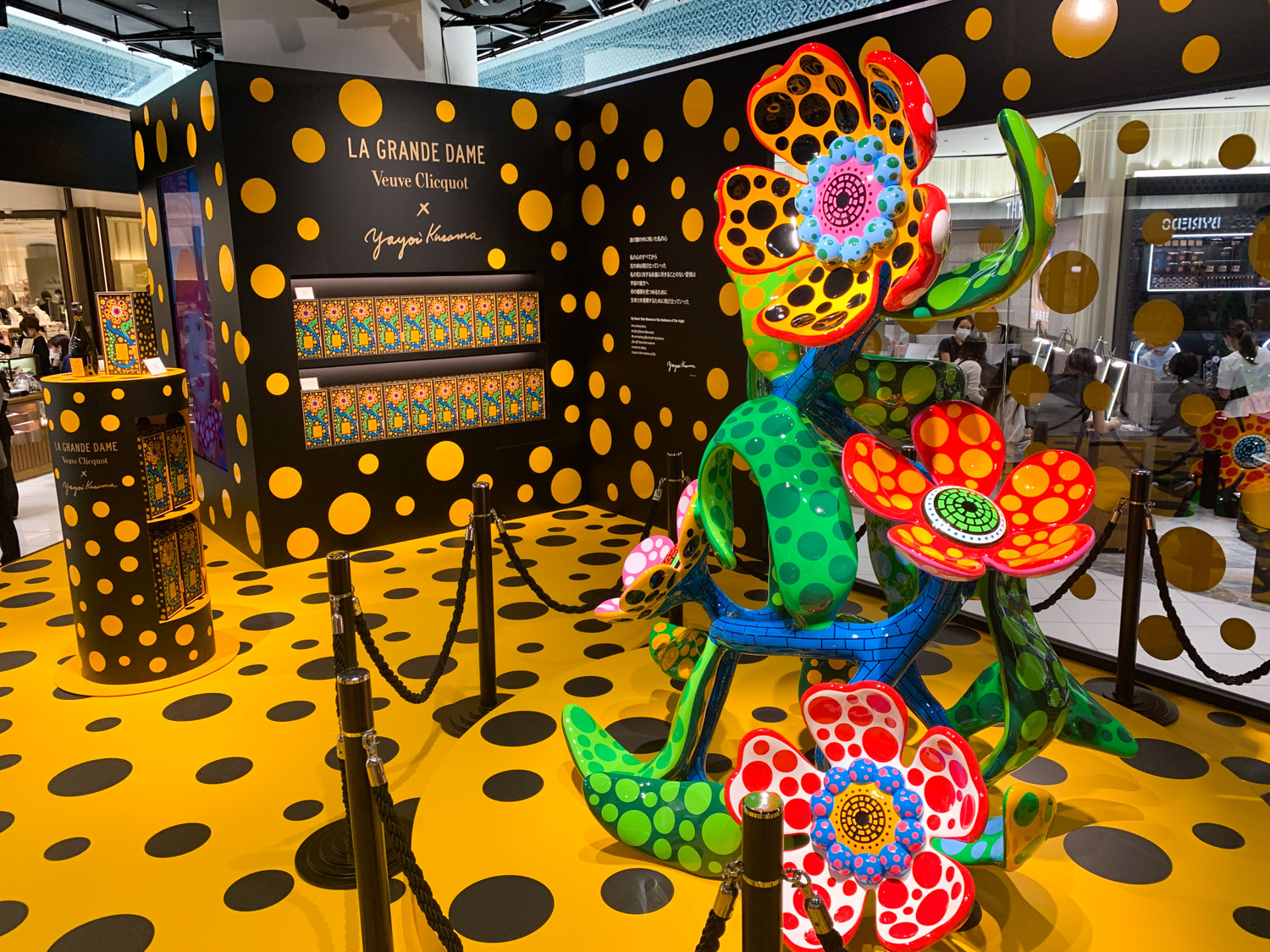
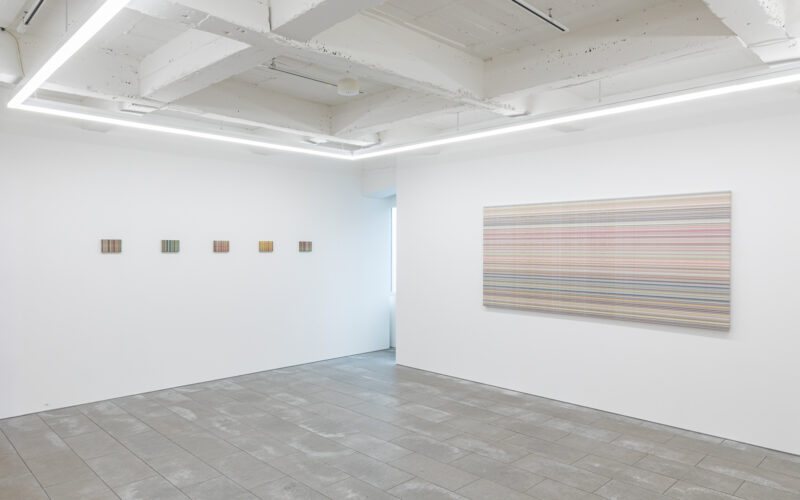
In the primary market, works are exhibited and sold simultaneously at galleries, art dealers, art fairs, department stores, and commercial facilities.
Many art fairs charge admission, but most galleries and art dealers are free to enter. You can actually see the works in person and consider purchasing them.
What is the Secondary Market?
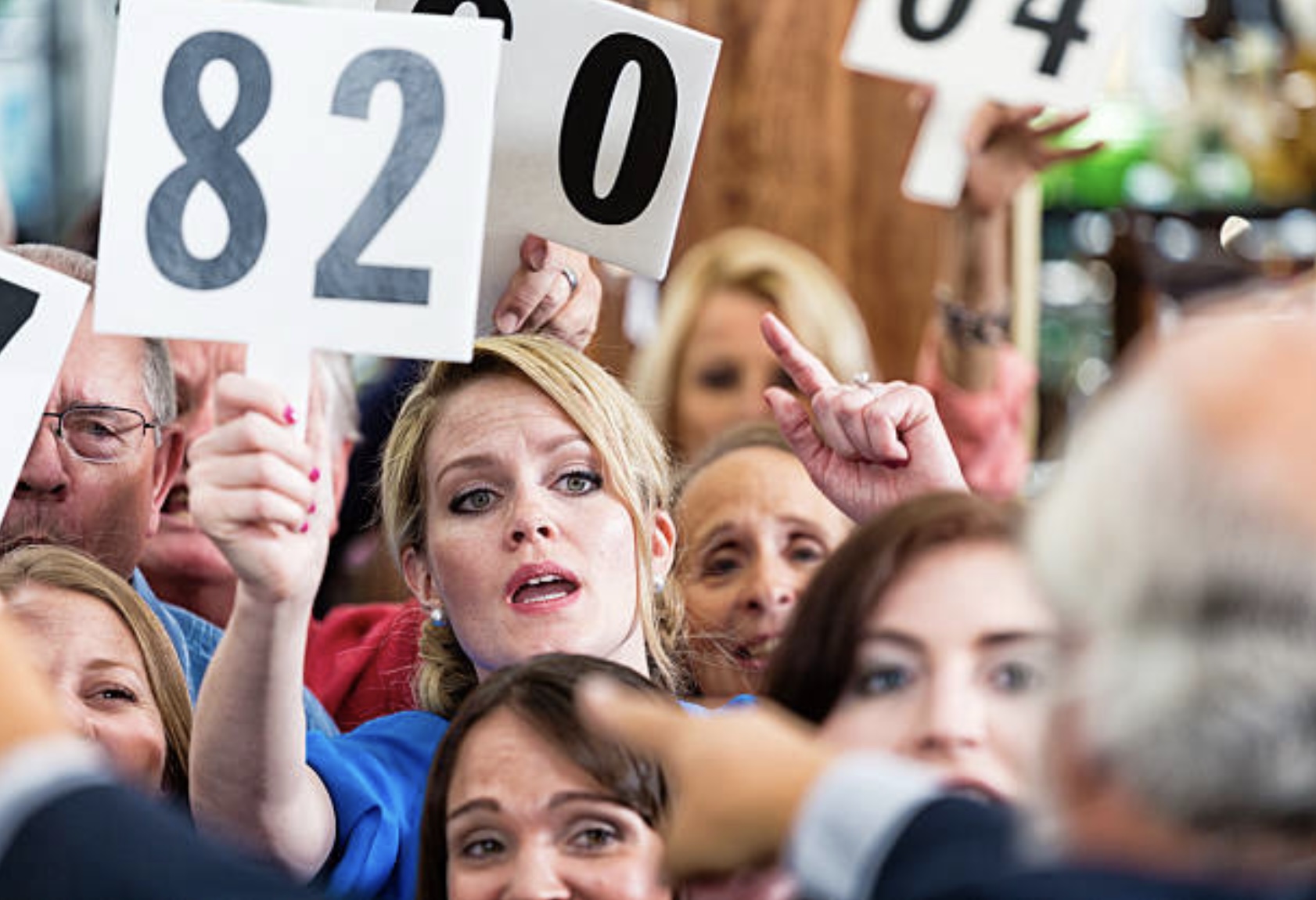
The secondary market is where works that were once sold in the primary market leave their owners’ hands and are resold — a market where such works are gathered and traded. Many of the works sold on this market appear at “art auctions,” where sellers request appraisals from art auction houses to consign their works. Internationally, art auctions held by Sotheby’s, Christie’s, and Phillips are well known. In Japan, SBI Art Auction, Mainichi Auction, and Shinwa Auction are prominent.
Recently, many artworks are also being sold on CtoC marketplaces such as Yahoo! Auctions and Mercari. Artworks consigned through art auction houses are appraised before being consigned, but Yahoo! Auctions and Mercari are venues where individuals can list items directly, so there is a possibility of encountering forgeries. Caution is required.
Art auctions actually hold “preview exhibitions” where you can view the consigned works in person.
The secondary market may evoke the image of resold goods, but the concept of “used” does not apply to artworks, and there are opportunities to buy at unexpectedly low prices or to encounter the work you have been searching for.
Stay calm when bidding
Once an artwork enters the world, it is treated simply as a single “work,” regardless of whether it is on the primary or secondary market. Throughout art history, works have been passed from hand to hand, like a baton.
Whether primary or secondary, we hope you thoroughly enjoy your art collecting.
在一级市场销售出去的作品,离开购买者手中被再次出售,这些作品聚集起来进行买卖的市场就是二级市场(Secondary)。所售作品中,很多会通过委托美术拍卖公司进行估价后上拍的”艺术拍卖”进行流通。国际上著名的艺术拍卖行有Sotheby’s、Christie’s、Phillips。在日本国内,SBI Art Auction、Mainichi Auction、Shinwa Auction等较为知名。
현대미술을 컬렉션하다 보면 “프라이머리(Primary)”, “세컨더리(Secondary)”라는 용어가 사용되는 상황을 마주하게 됩니다.
“프라이머리”와 “세컨더리”는 모두 구매 장소를 가리키는 용어로, “프라이머리 갤러리”, “세컨더리 갤러리”라는 단어로 치환되는 경우가 있는가 하면, “경매 등의 세컨더리 시장”과 같이 표현되기도 합니다.
미술작품 시장은 크게 프라이머리(1차 시장)와 세컨더리(2차 시장)로 나눌 수 있습니다.
그렇다면 각 시장에서는 어떤 작품들이 유통되고 있을까요?
프라이머리란?
작품이 처음 세상에 나오는 시장이 프라이머리(1차 시장)입니다.
현존 작가의 최신작은 기본적으로 프라이머리를 통해 발표됩니다.
프라이머리에서는 갤러리, 화랑, 아트페어, 백화점 및 상업시설 등에서 작품이 전시되며 동시에 판매됩니다.
아트페어는 대부분 유료 입장이지만, 갤러리나 화랑은 대개 무료로 입장할 수 있습니다. 실제 작품을 보며 구매를 검토할 수 있습니다.
세컨더리란?
프라이머리에서 판매된 작품이 구매자의 손을 떠나 다시 판매되고, 그런 작품들이 모여 매매되는 시장이 세컨더리(2차 시장)입니다. 판매되는 작품의 상당수는 미술 경매회사에 감정을 의뢰하여 출품되는 “아트 옥션”에서 유통됩니다. 국제적으로는 Sotheby’s, Christie’s, Phillips가 유명합니다. 국내에서는 SBI Art Auction, Mainichi Auction, Shinwa Auction 등이 잘 알려져 있습니다.
최근에는 Yahoo! Auctions, Mercari 등 CtoC 마켓에서도 판매되는 아트 작품을 많이 볼 수 있습니다. 미술 경매회사를 통해 출품되는 아트 작품은 감정을 거쳐 출품되지만, Yahoo! Auctions나 Mercari는 개인이 직접 출품할 수 있는 곳이기 때문에 위작을 잡을 가능성도 있습니다. 주의가 필요합니다.
미술 경매에서는 실제로 “프리뷰(下見会)”가 열리며 출품 작품을 직접 볼 수 있습니다.
세컨더리는 전매품 같은 이미지가 떠오를 수 있지만, 미술품에는 중고라는 개념이 없으며, 뜻밖의 저렴한 가격에 살 수 있거나 자신이 찾고 있던 작품을 만날 기회가 있습니다.
입찰 시에는 냉정해집시다
아트 작품은 세상에 나온 시점에서 프라이머리든 세컨더리든 관계없이, 하나의 “작품”으로 취급됩니다. 지금까지의 미술사도 사람의 손을 거쳐 바통처럼 이어져 왔습니다.