At Aichi Triennale 2019, we experienced a work by Takahiro Iwasaki.
The venue was the Ito Family Residence in the Shikemichi / Endoji area, where he shared the site with Michiko Tsuda, each using a different section of the space.
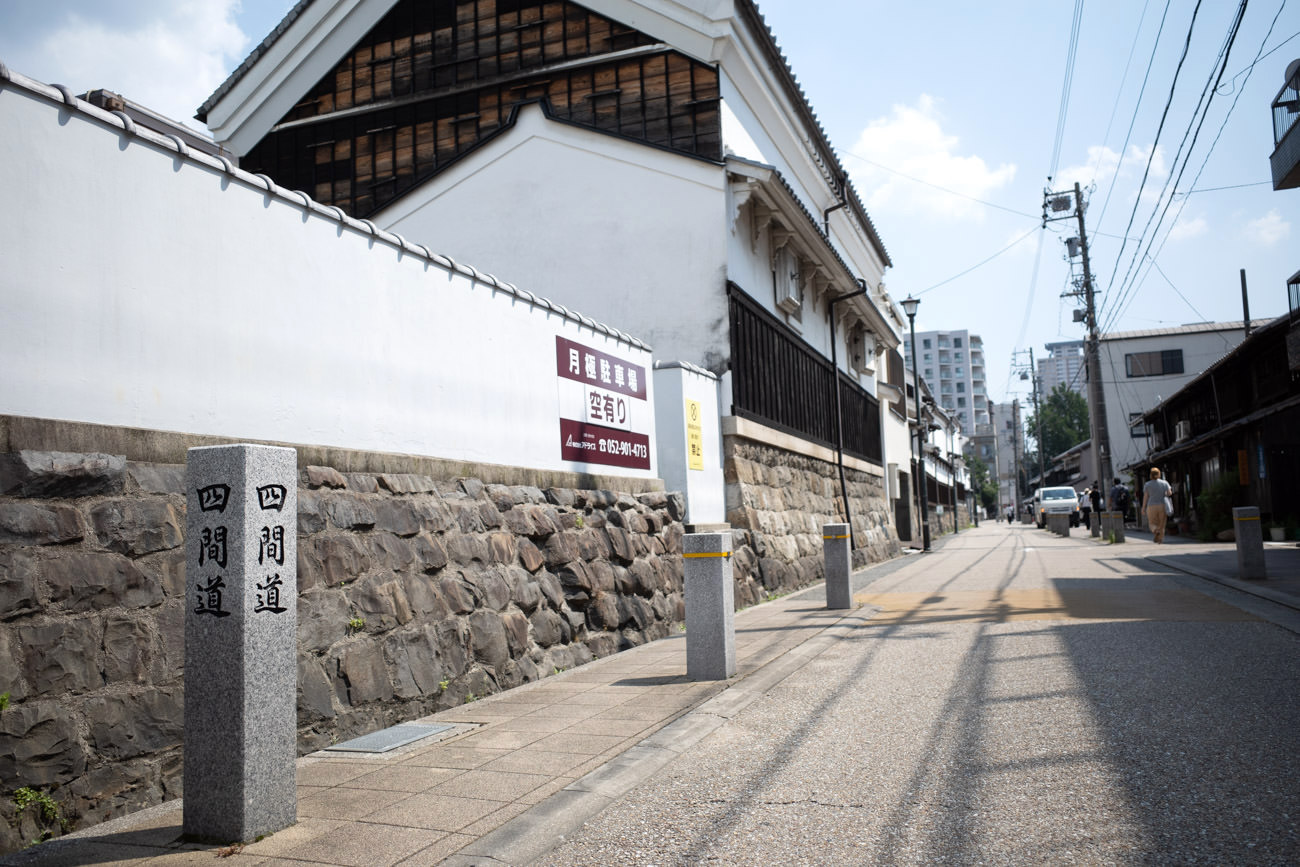
Shikemichi area
The Ito Family Residence in the Shikemichi area is a merchant house built around 1722 (Kyoho 7) by a family that relocated from Kiyosu. It is designated a Tangible Cultural Property of Aichi Prefecture as well as an Important Cityscape Building of Nagoya. Shikemichi and the neighborhood around Endoji are precious survivors — among the parts of Nagoya that were reduced to ashes by wartime air raids, this district was one of the few to be spared.
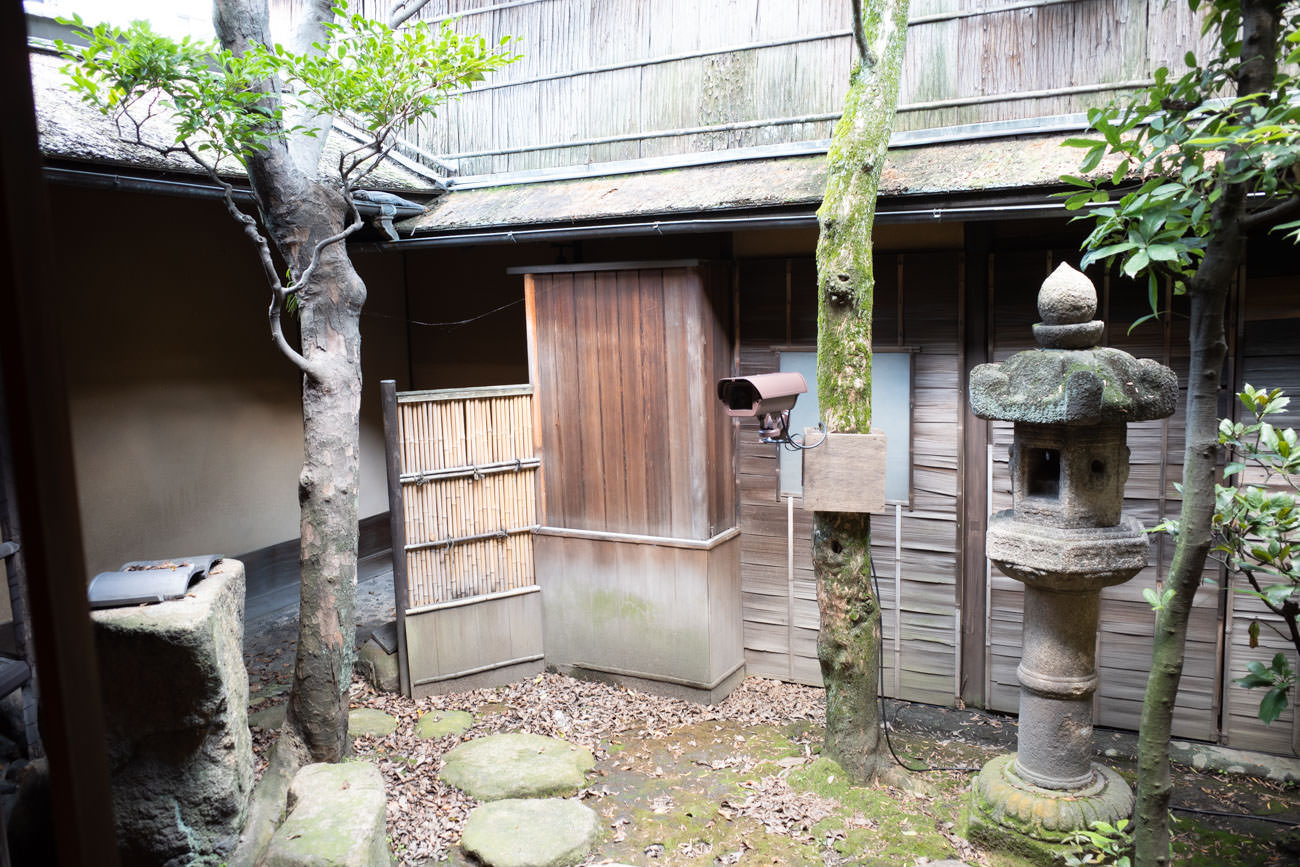
The inner garden of the Ito Family Residence
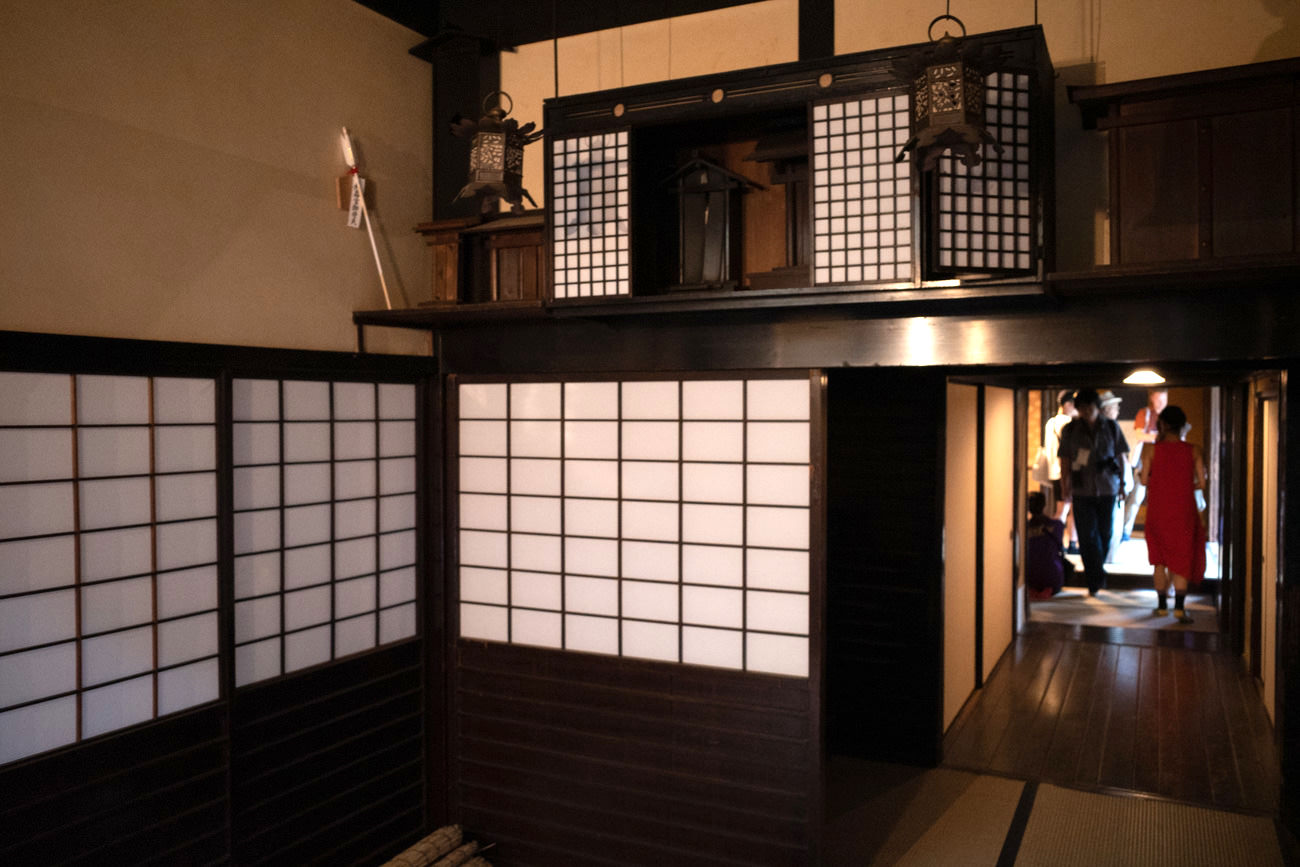
The residence consists of a main dwelling with the honke, new drawing room, and south drawing room, along with the kura (storehouse), new dozo, west storehouse, saikura and other structures, and a generous garden.
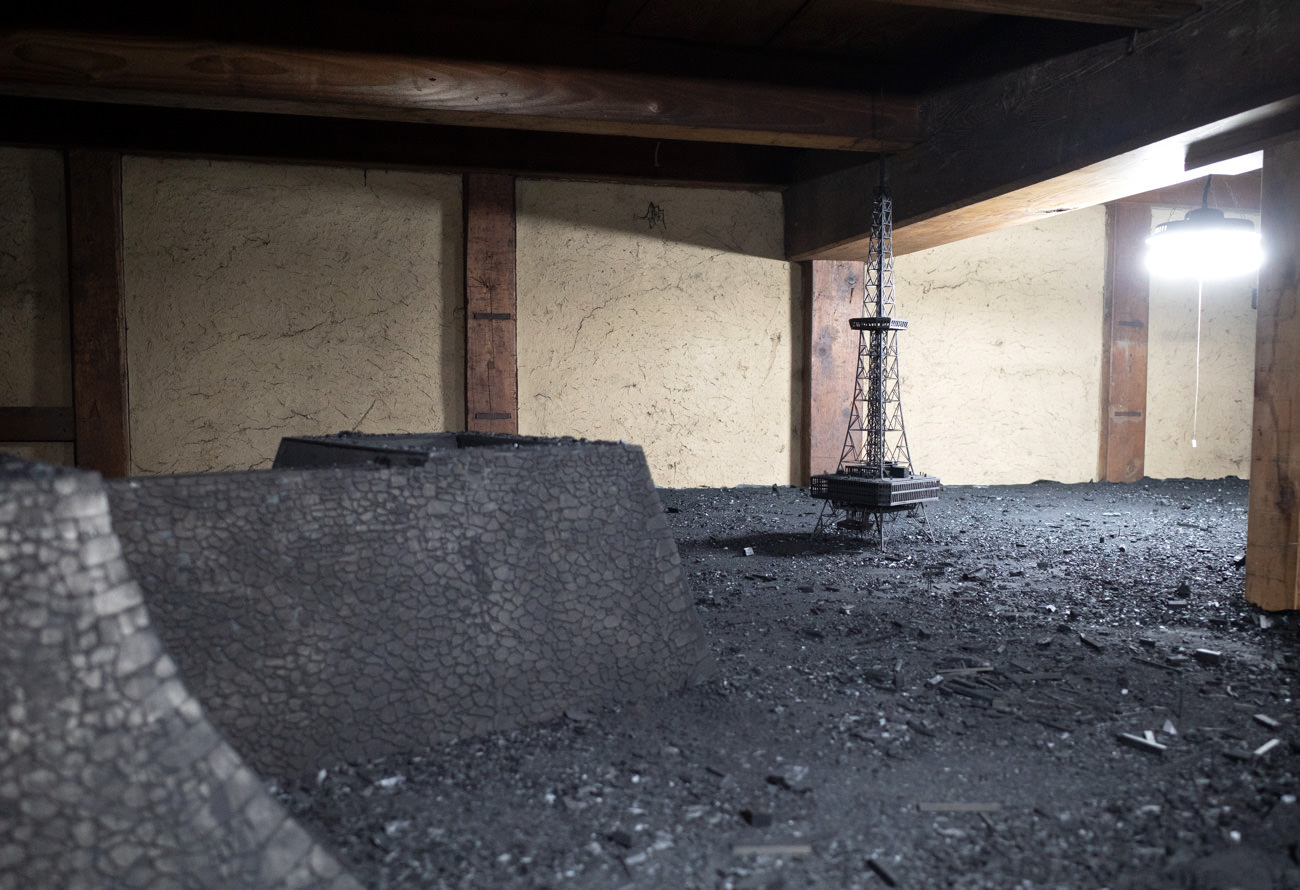
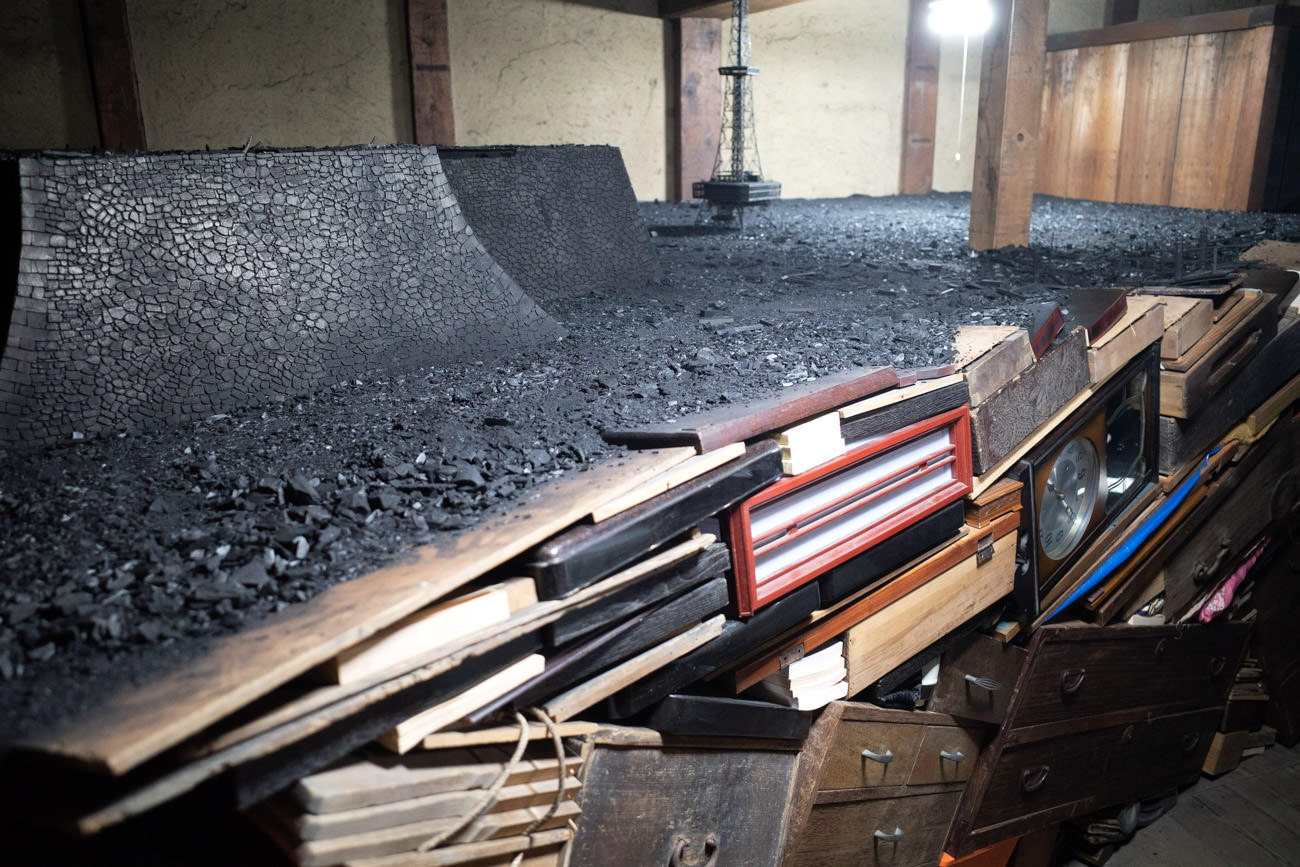
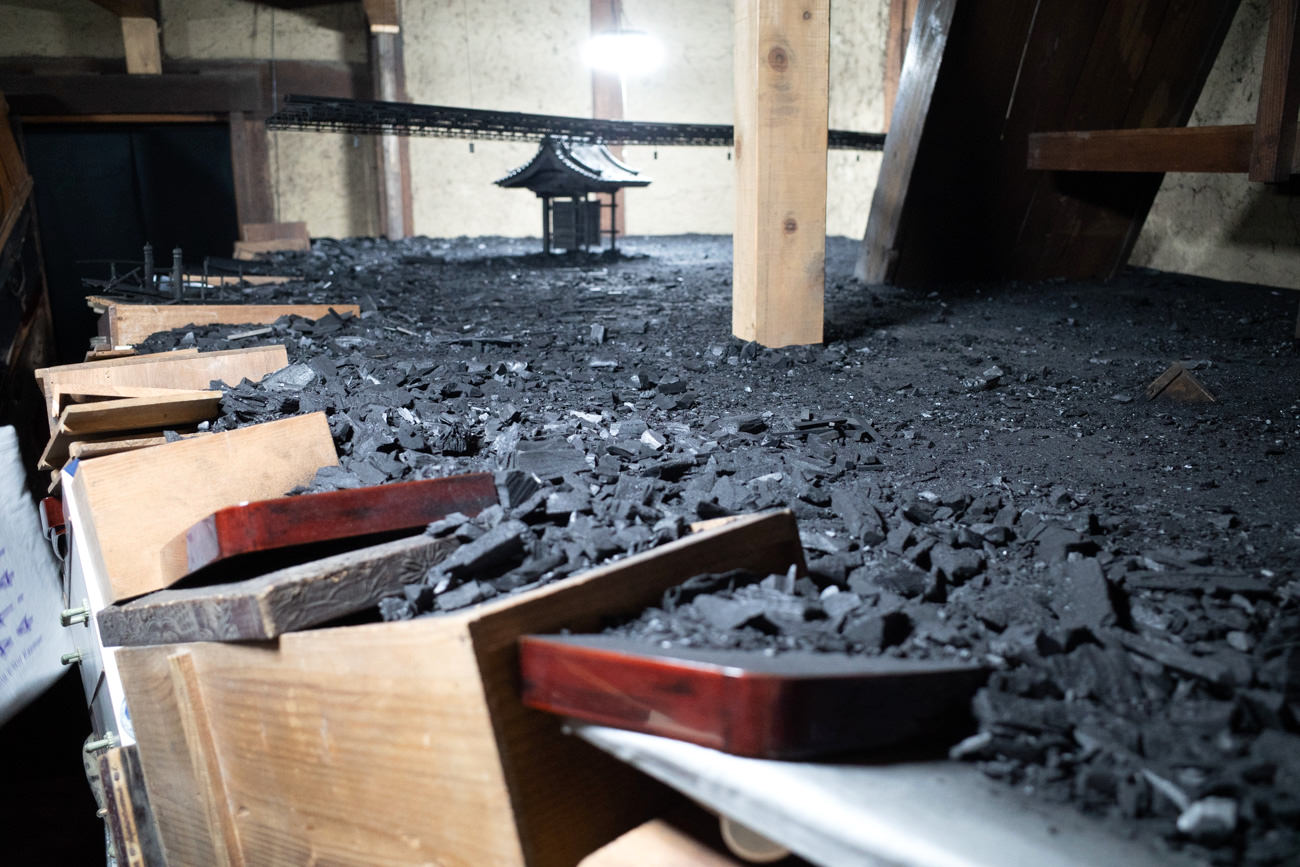
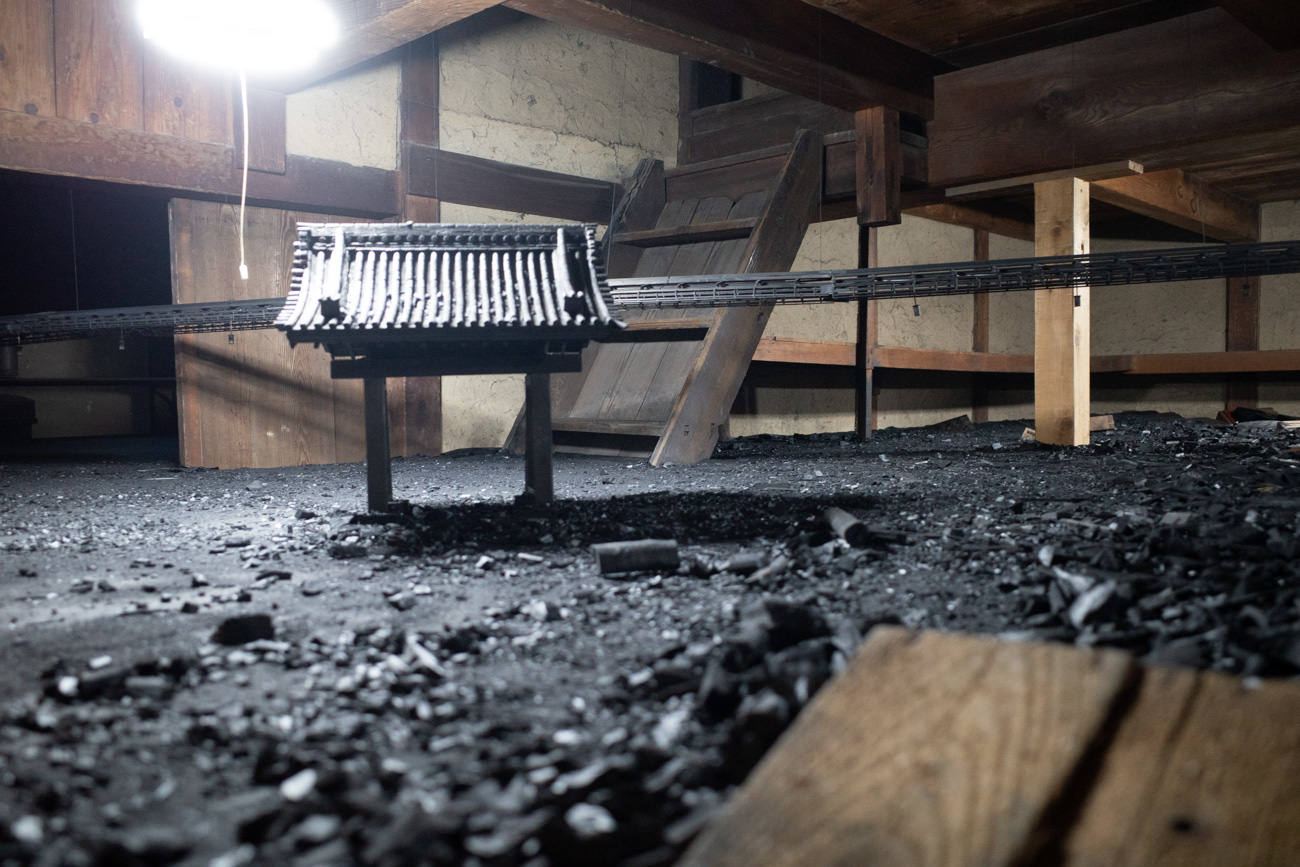
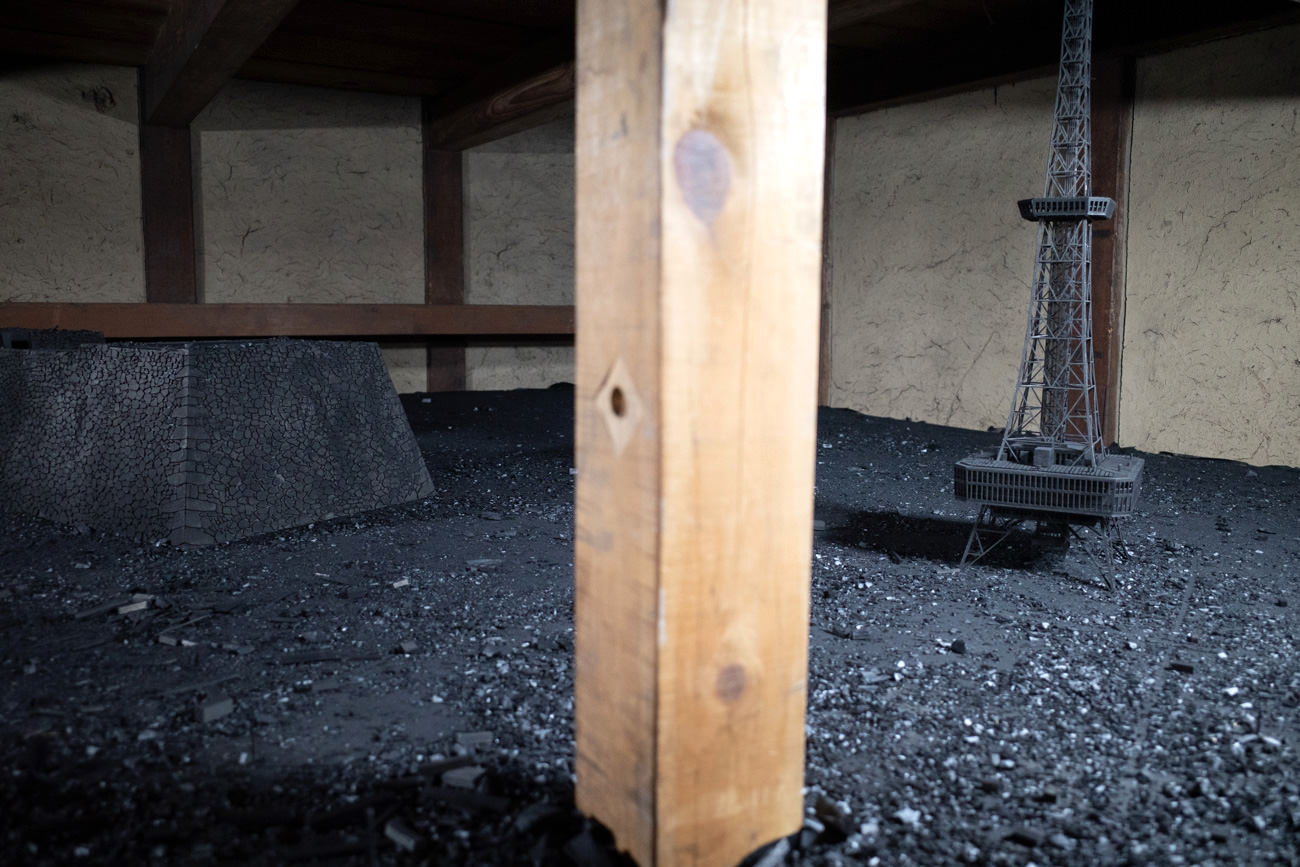
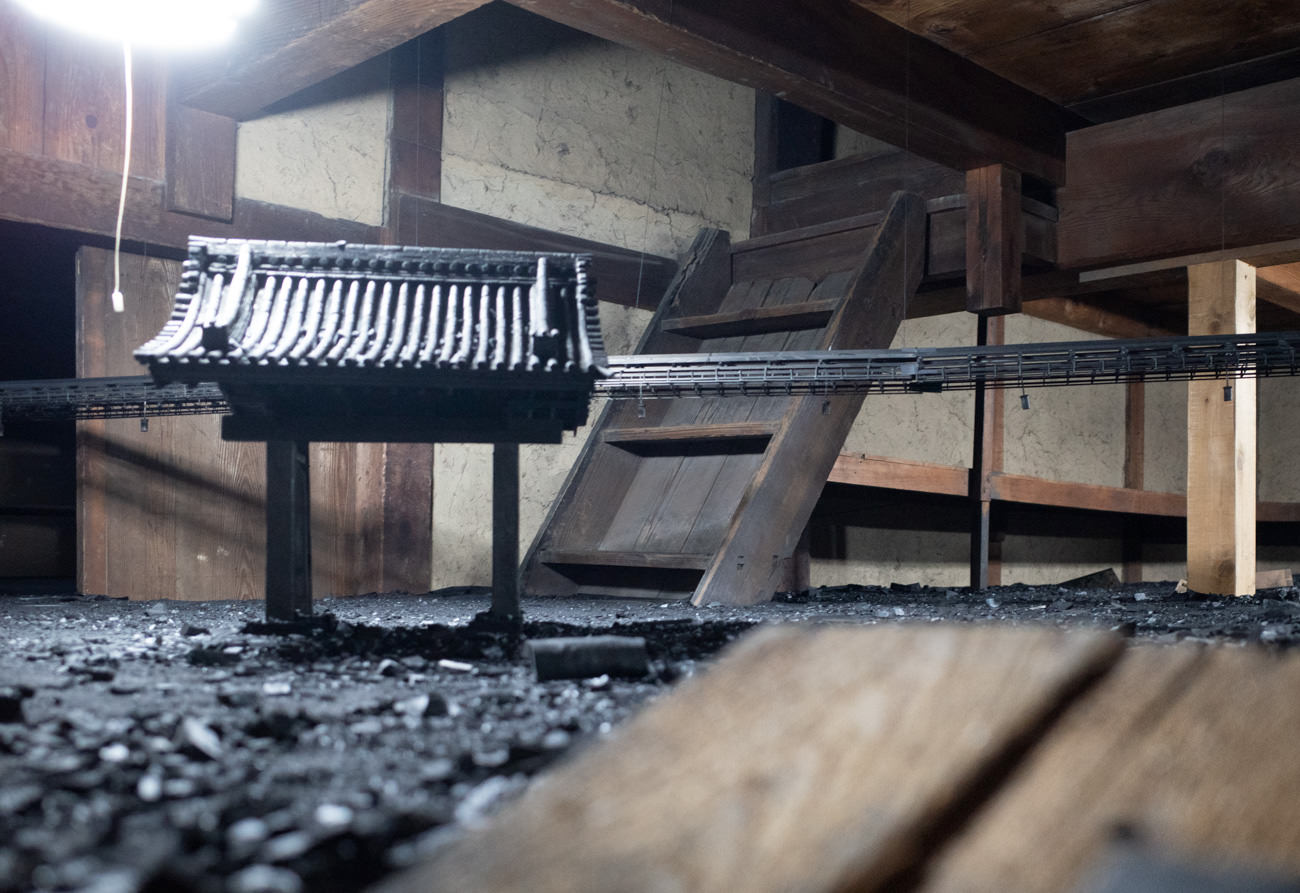
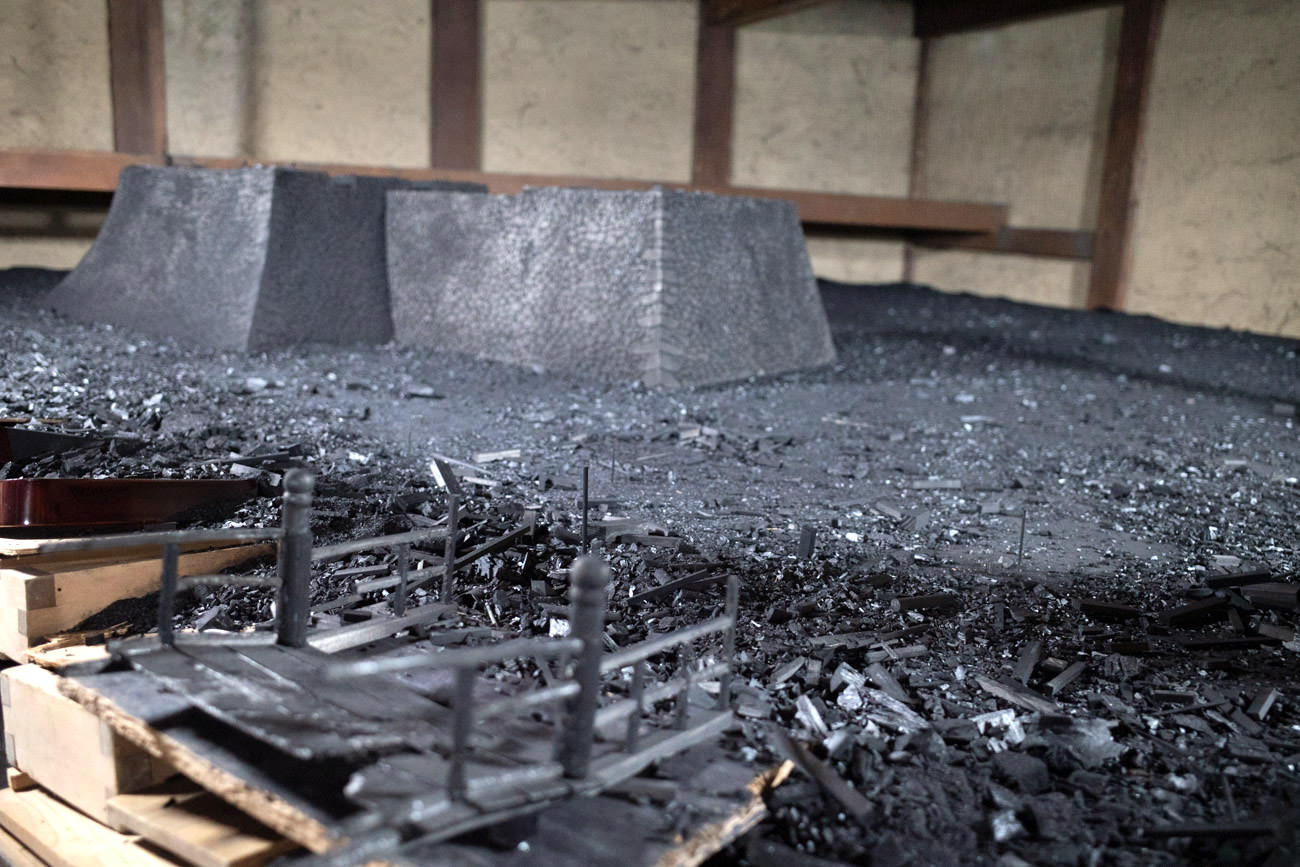
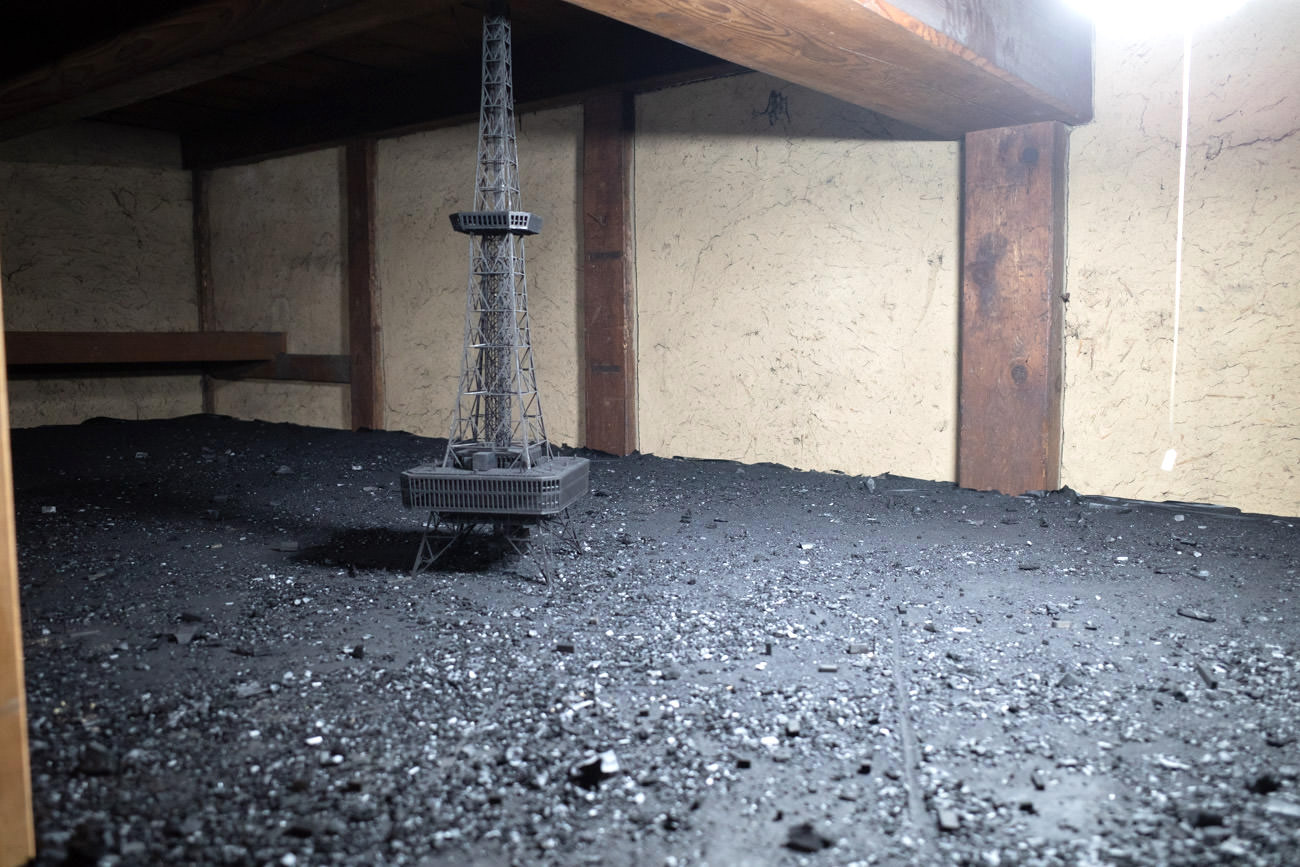
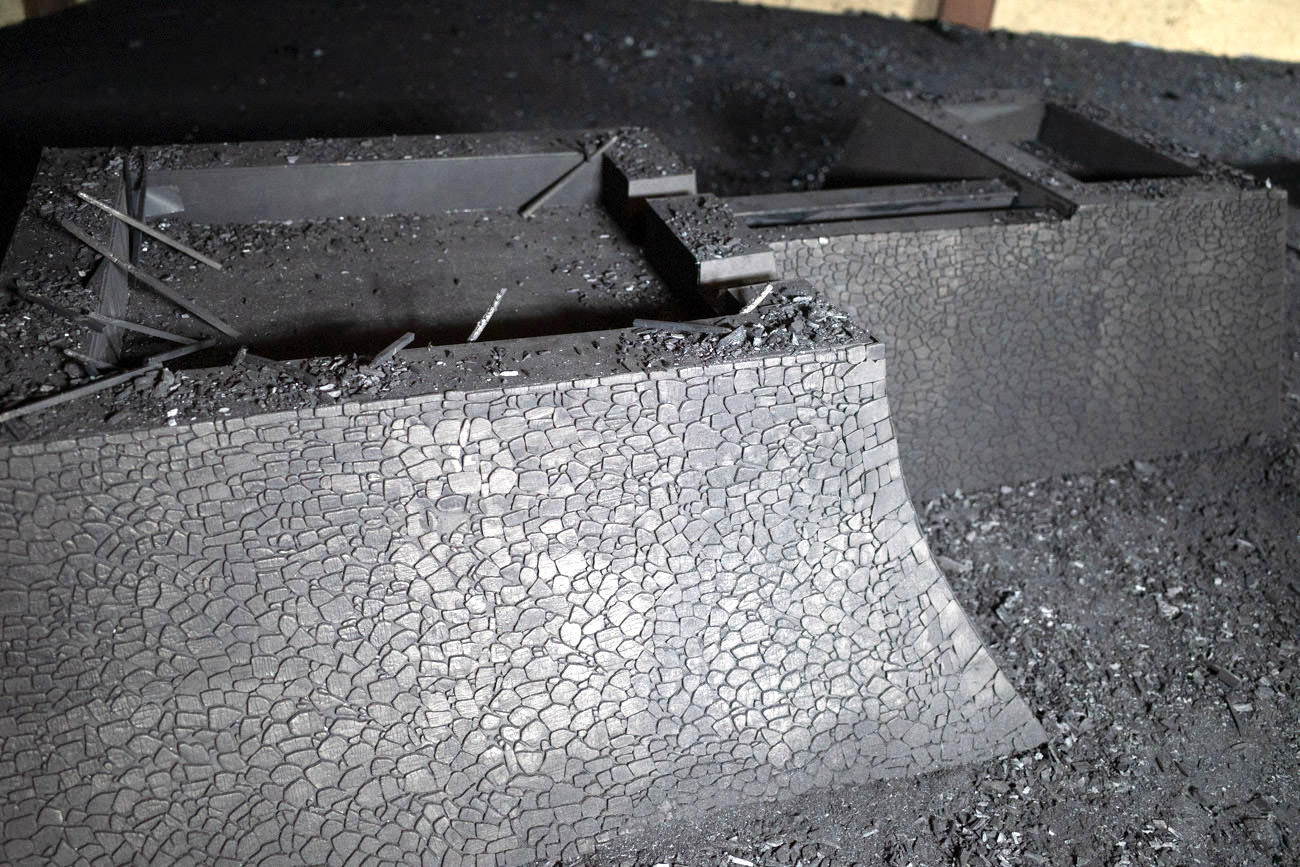
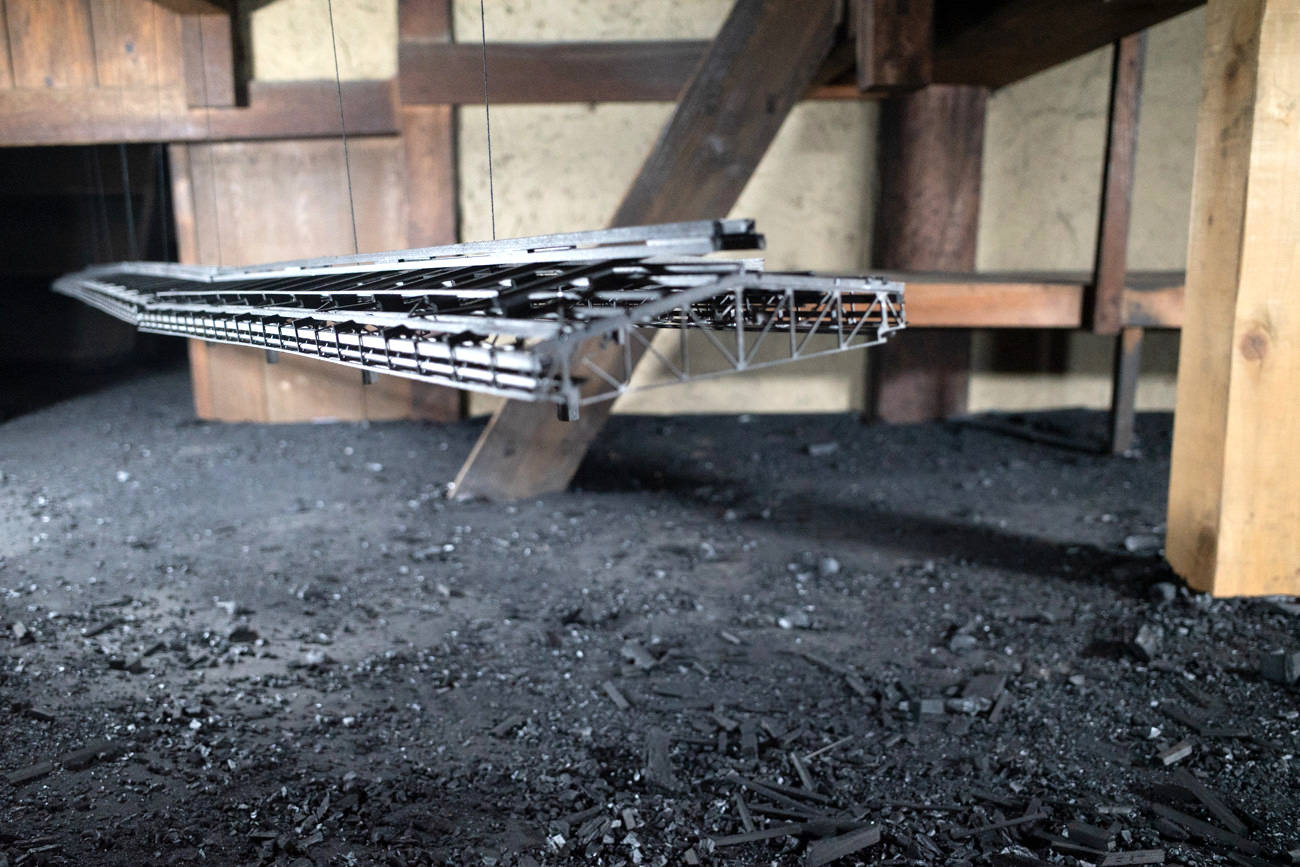
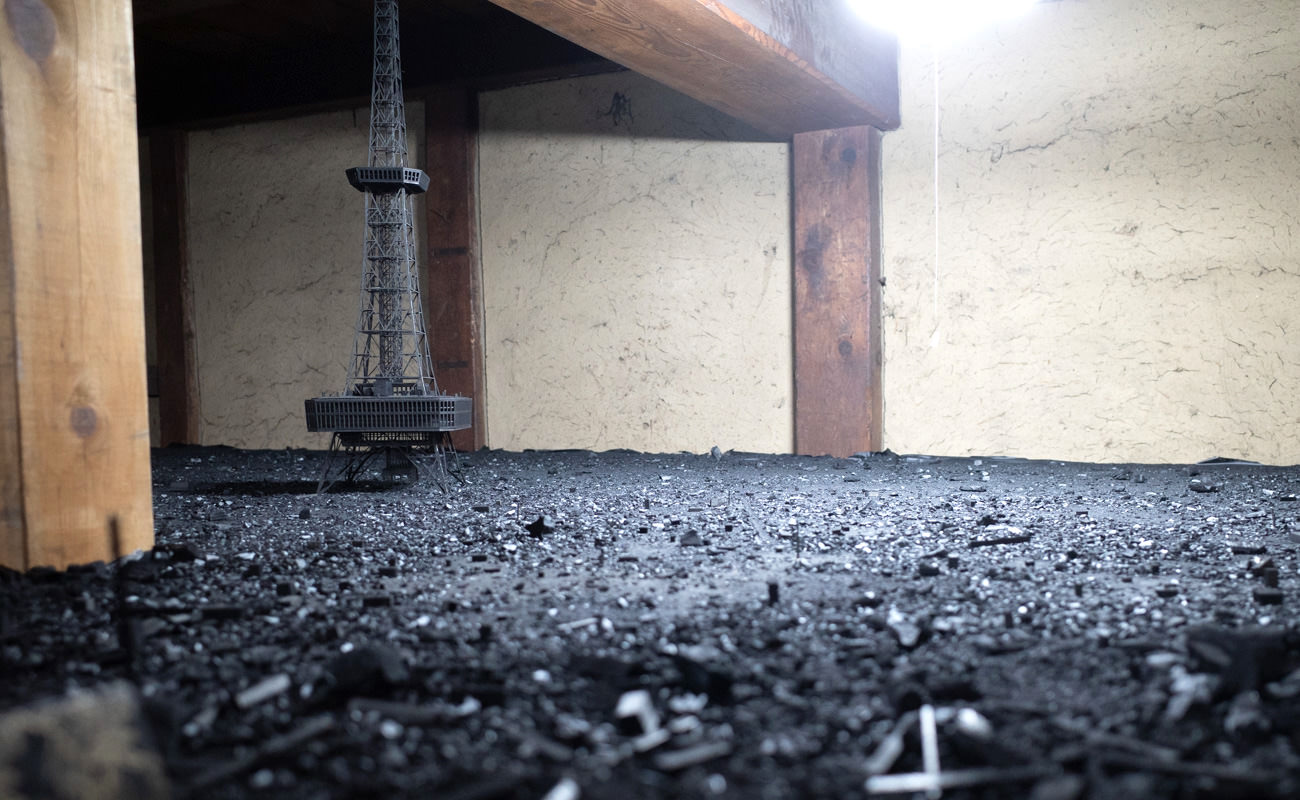
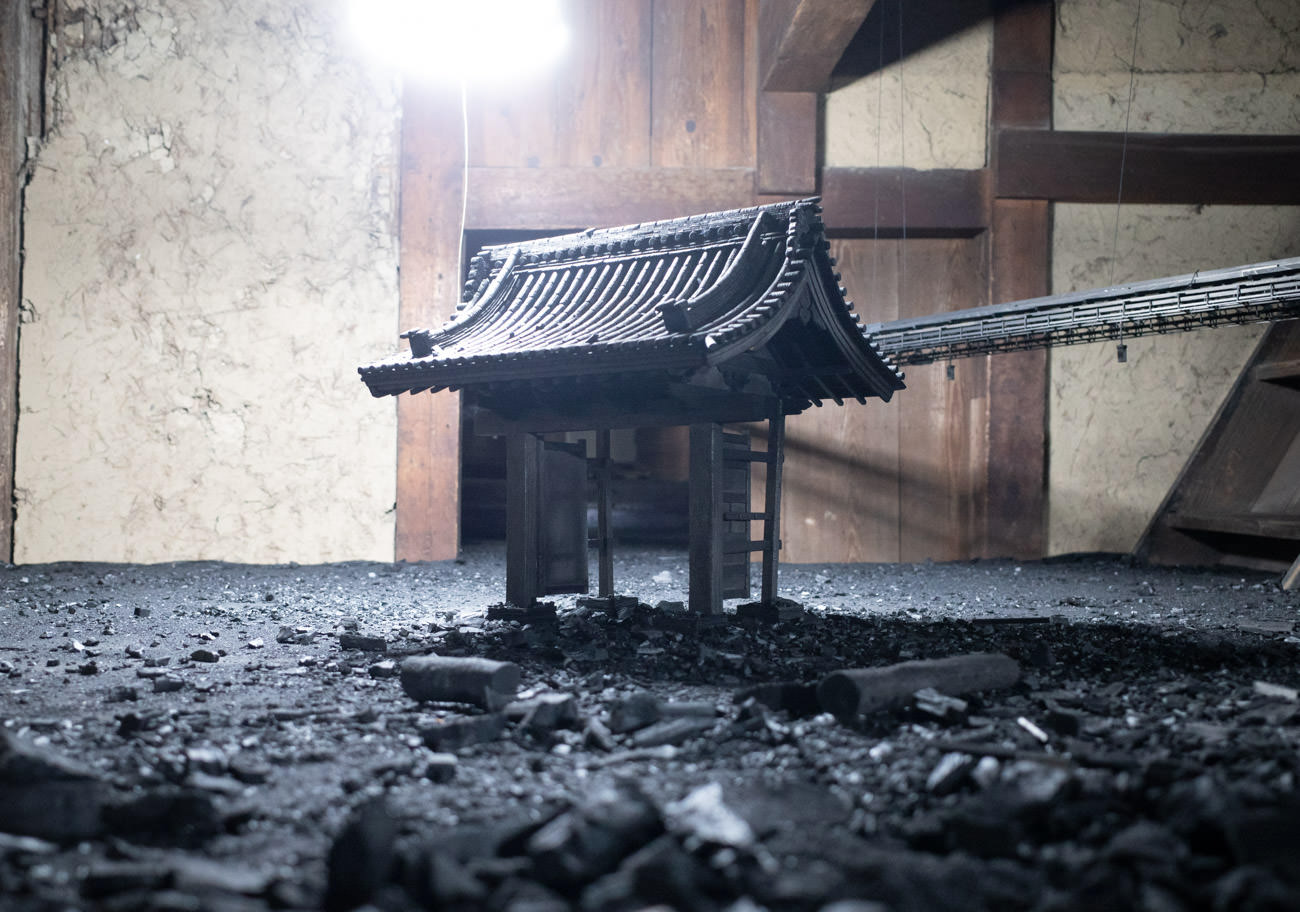
Entering the residence and pressing further inside brings you to Takahiro Iwasaki’s exhibition space — the earthen-walled storehouse.Charcoal is spread out atop stratified layers of stacked furniture and daily objects.There is no air-conditioning inside — it is remarkably hot.A castle-town Nagoya, burned to the ground, unfolds before us.It might be read as Nagoya Castle and the TV tower standing together.That expressive command of fine detail is quintessentially Iwasaki.Only the base of Nagoya Castle remains — a palpable sense of loss.When it comes to tower-building craft, he may well be in a league of his own in Japan.The ruins of Nagoya Castle
This piece places a castle town, burned down in the air raids, inside the Ito Family Residence — a building that has itself survived the centuries — and I was stunned that the material was charcoal. Whether the scene it depicts is one from the past or one that might still remain in the future, the work seems to press us with a question about time.
The making of Takahiro Iwasaki’s works has always fascinated me.
How on earth does he build them?
Aichi Triennale 2019에서 Takahiro Iwasaki의 작품을 감상했습니다.
장소는 시케미치·엔도지 지구의 “Ito Family Residence”로, Michiko Tsuda와 공간을 나눠 사용하는 형태의 전시였습니다.
시케미치 지구
시케미치 지구에 있는 Ito Family Residence는 기요스에서 옮겨온 상가로, 교호(享保) 7년(1722년)경에 지어진 아이치현 지정 유형문화재이자 나고야시 경관 중요 건조물로, 매우 귀중한 건축물입니다. 시케미치와 엔도지 일대는 전쟁 중 공습으로 잿더미가 된 나고야 지역 안에서 소실을 면한 귀중한 장소입니다.
Ito Family Residence의 안뜰
주택은 본가, 신좌부, 남좌부로 이루어진 주옥과 곳간(蔵), 새로 지어진 도조(土蔵), 서쪽 곳간, 사이쿠라(細工蔵) 등으로 구성되어 있으며, 넓은 정원도 갖추고 있습니다.
주택에 들어가 안쪽으로 나아가면 Takahiro Iwasaki의 전시 공간인 도조가 나타납니다.층층이 쌓인 가구와 일상용품 위에 탄이 두텁게 깔려 있습니다.실내는 냉방이 없어 상당한 무더위였습니다.불타버린 나고야 성하 마을의 풍경이 펼쳐져 있었습니다.Nagoya Castle과 TV 타워로 보는 것도 가능할 듯합니다.섬세한 디테일의 표현력이 Iwasaki다운 부분이지요.토대만 남은 Nagoya Castle의 상실감…….타워 계열 제작 기량은 국내에서도 손꼽힐지 모릅니다.Nagoya Castle 자리
시대를 넘어 살아남은 이 Ito Family Residence 안에, 공습으로 불타버린 성하 마을을 통째로 밀어넣는 작품이었지만, 재료가 탄이라는 사실에는 놀라지 않을 수 없었습니다. 여기 표현된 이 풍경은 과거의 것일까요, 아니면 미래에 남을지도 모를 것일까요? 작품은 우리에게 시간축에 대한 물음을 던지는 듯합니다.
Takahiro Iwasaki의 작품 제작 현장은 언제나 흥미를 자아냅니다.
대체 어떻게 만들어내는 걸까요……?