Joseph Cornell: Collage & Montage (tentative title)
An exhibition of Joseph Cornell, known as “the artist of boxes,” titled “Joseph Cornell: Collage & Montage (tentative title),” will open next March at the DIC Kawamura Memorial Museum of Art.
The DIC Kawamura Memorial Museum of Art holds 7 of Cornell’s box works and 9 collages — one of Japan’s leading Cornell collections — and in 1992–93 it held the retrospective “Joseph Cornell Exhibition” together with the Museum of Modern Art, Kamakura & Hayama (Kanagawa), the Museum of Modern Art, Shiga, and the Ohara Museum of Art.
This will be the museum’s first Cornell show since its 2010 “Joseph Cornell × Mutsuo Takahashi” exhibition. Beyond the museum’s own celebrated Cornell collection, Cornell works held by Japanese museums and private collectors will gather together. Alongside his signature “box series” and collages, the show is planned to be comprehensive — also presenting film works, printed matter such as magazines Cornell laid out, and related materials including photographs, letters, and diaries.
His box works are famous, but I hadn’t known he was an artist who made films. It’s a fascinating exhibition I’ll be keeping an eye on.
Who Was Joseph Cornell?Joseph Cornell was born in Nyack, New York, in 1903, and grew up as the eldest of a family of six.
Having lost his father to illness at a young age, from around 17 he commuted to Manhattan, supporting the household by working as a textile broker and in textile design.
In 1929 he moved with his family to Utopia Parkway in the Queens borough of New York City, where he lived until his death at 69. Using the basement of this home as his studio, Cornell is said to have thrown himself into his work from the dead of night until dawn, after the family had gone to sleep.
Cornell began making art in the 1930s, sparked by seeing works by European Surrealists at the Julien Levy Gallery in Manhattan in 1931. At first he mainly made collages, but eventually arrived at works incorporating his original “box” form — favorite trinkets found at Manhattan’s used-book shops and antique stores, placed inside handmade wooden boxes.
In the 1940s and ’50s, when Cornell worked most ambitiously, the themes of his boxes narrowed and grew increasingly serial. Though best known as “the artist of boxes,” from the 1960s to his later years collage once again became the center of his work.
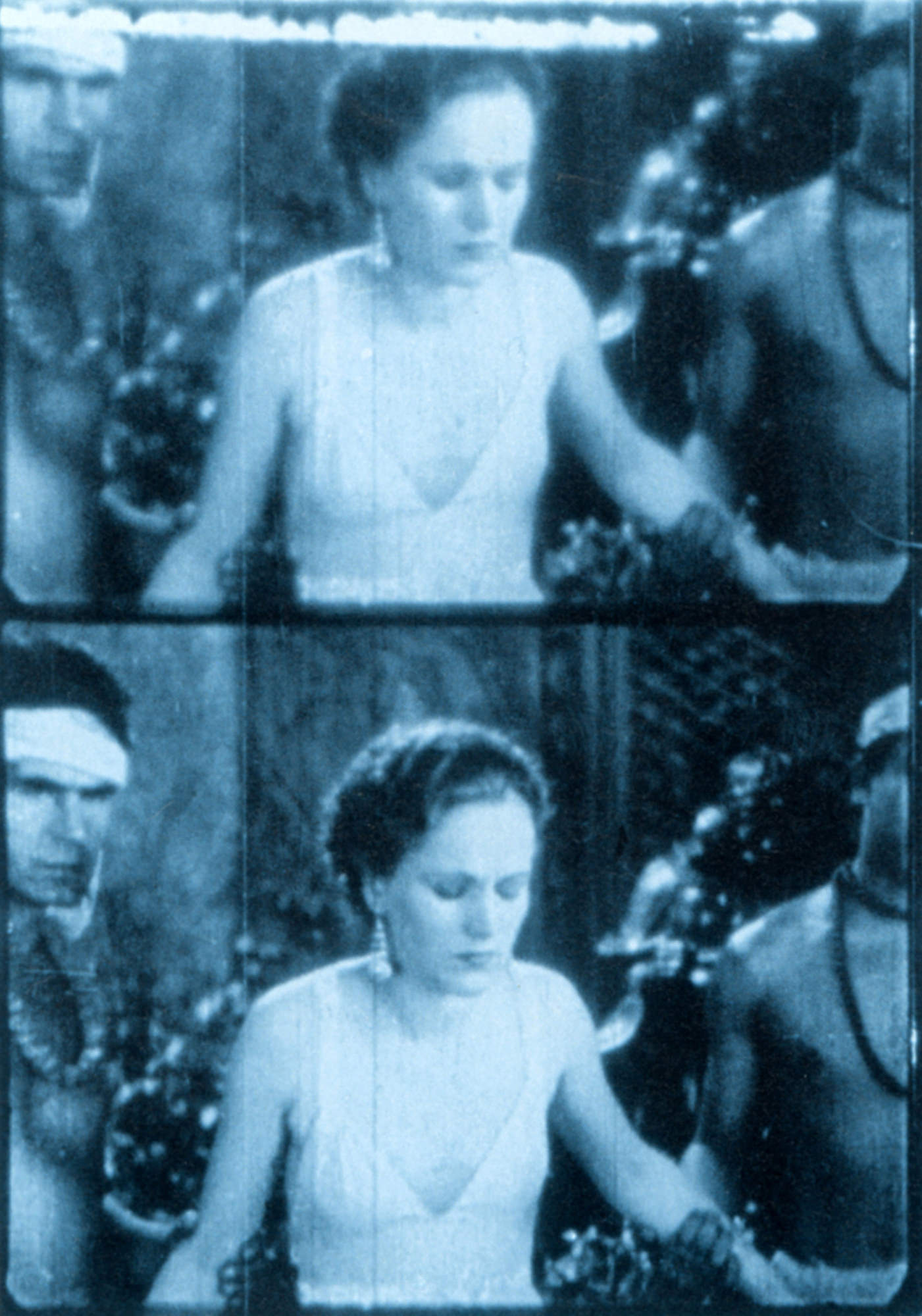
Cornell is also known as an experimental filmmaker, involved for over 30 years from the 1930s in directing and editing some 20 film works.
Cornell isn’t especially well known in Japan, but it’s said that among the artists Yayoi Kusama admired, Joseph Cornell held a special place.
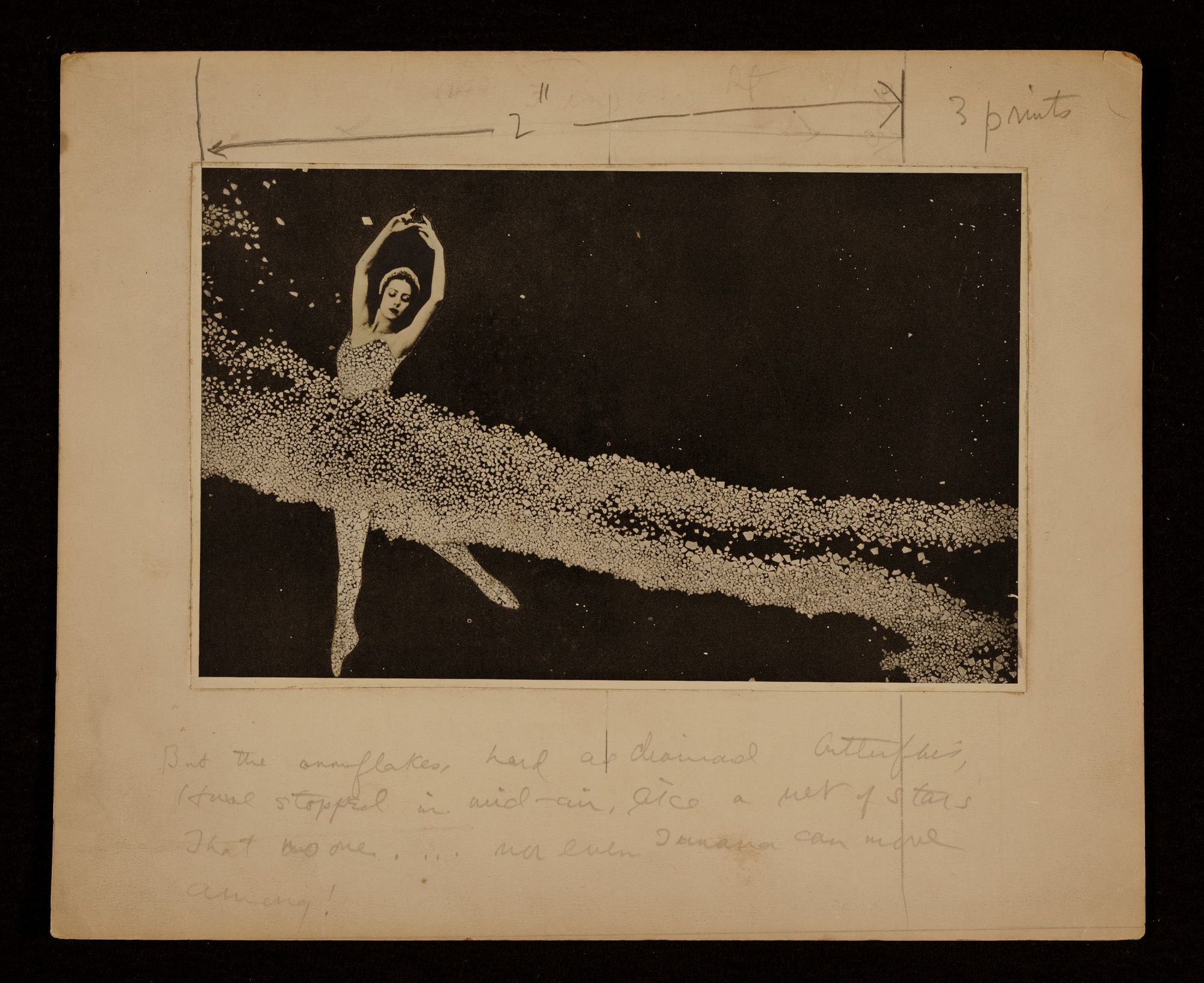
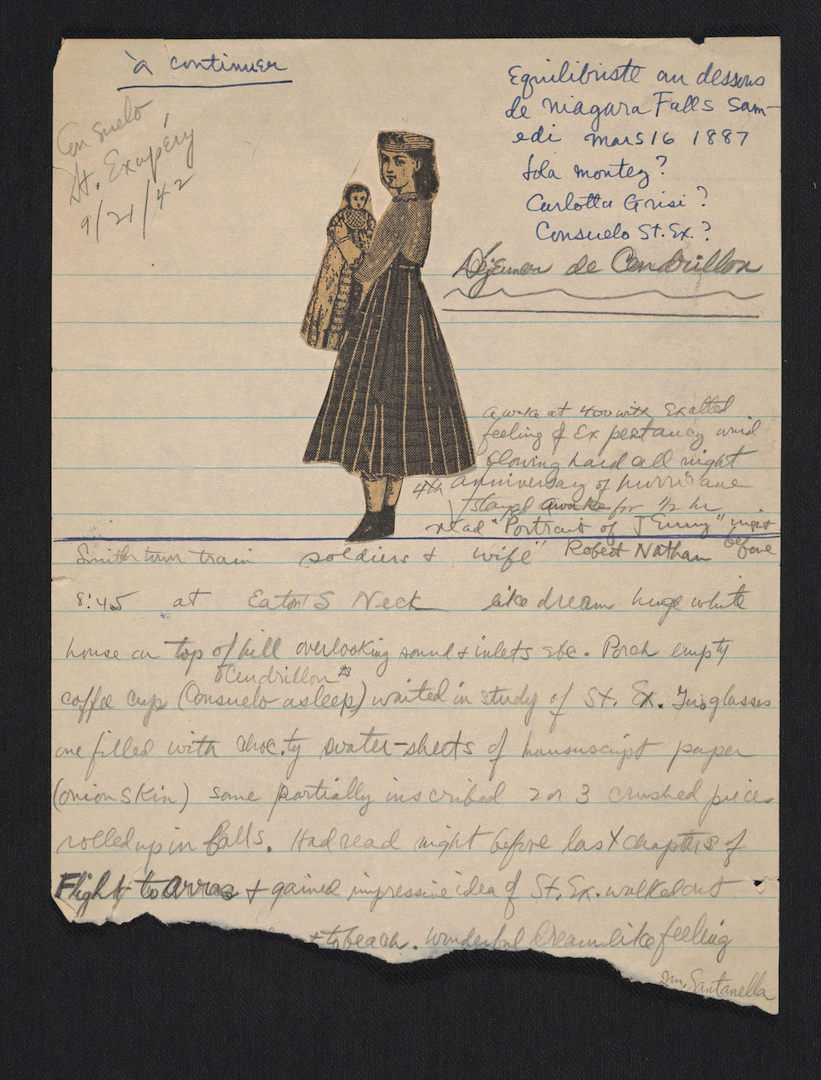
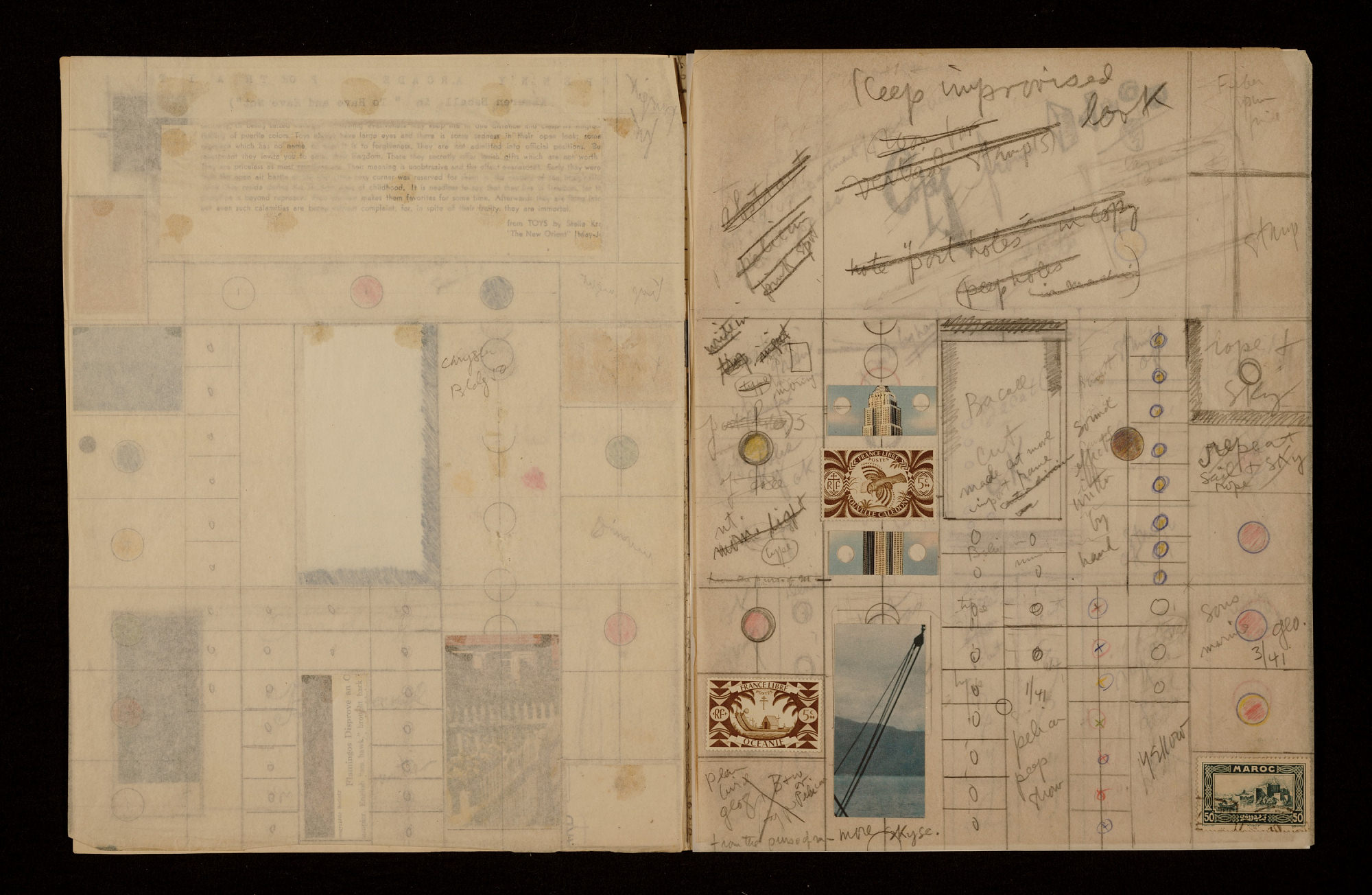
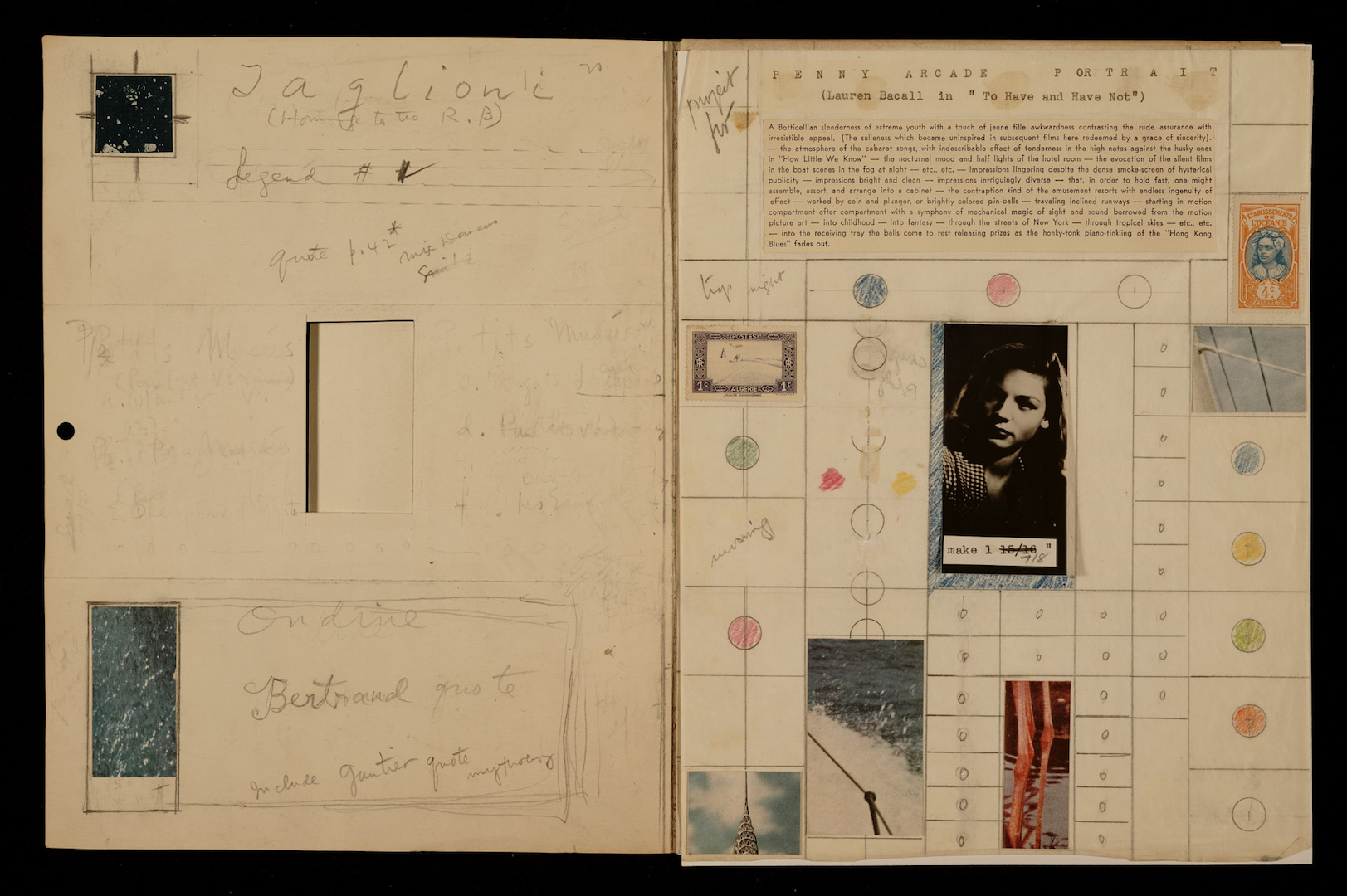
Collage of Tamara Toumanova Dancing, 1940–70, 22×27 cm Joseph Cornell papers, Archives of American Art, Smithsonian Institution.Handwritten Note with Collage Elements, September 21, 1942, 20×15 cm Joseph Cornell papers, Archives of American Art, Smithsonian Institution.From Studies for a Penny Arcade Portrait of Lauren Bacall 1945–1946, 28 x 22 cm Joseph Cornell papers, Archives of American Art, Smithsonian Institution.From Studies for a Penny Arcade Portrait of Lauren Bacall 1945–1946, 28 x 22 cm Joseph Cornell papers, Archives of American Art, Smithsonian Institution.
Works on Display (planned)
About 30 works selected mainly from boxes (and objects) and collages held by Japanese museums; 10–15 film works; 16 boxes and collages from the DIC Kawamura Memorial Museum of Art’s own collection; plus related materials such as magazines and photographs.
Details
Joseph Cornell Exhibition
Collage & Montage (tentative title)
Venue: DIC Kawamura Memorial Museum of Art
Dates: March 23 (Sat) – June 16 (Sun), 2019
Hours: 9:30 – 17:00 (last admission 16:30)
Closed: Mondays (open April 29 and May 6), April 30 (Tue), May 7 (Tue)
Organizer: DIC Corporation
《罗丝·霍巴特》约1936年 16毫米胶片 Joseph Cornell papers, Archives of American Art, Smithsonian Institution.《起舞的塔玛拉·图曼诺娃拼贴》1940–70年 22×27㎝ Joseph Cornell papers, Archives of American Art, Smithsonian Institution.《带有拼贴元素的手写便条》1942年9月21日 20×15㎝ 《为劳伦·白考尔的便士拱廊肖像所作习作之一》 Joseph Cornell papers, Archives of American Art, Smithsonian Institution.1945–1946年 28 x 22 cm 《为劳伦·白考尔的便士拱廊肖像所作习作之一》 Joseph Cornell papers, Archives of American Art, Smithsonian Institution.
「상자의 아티스트」로 알려진 조지프 코넬의 전시 「조지프 코넬 콜라주 & 몽타주(가칭)」가 내년 3월부터 DIC 가와무라 기념미술관에서 열립니다.
DIC 가와무라 기념미술관은 코넬의 상자 작품 7점과 콜라주 9점을 소장해 일본 내 손꼽히는 코넬 컬렉션을 자랑하며, 1992~93년에는 가나가와 현립근대미술관, 시가 현립근대미술관, 오하라 미술관과 함께 회고전 「조지프 코넬 전」을 개최했습니다.
이번 전시는 이 미술관에서 2010년 「조지프 코넬 × 다카하시 무쓰오」 전 이후 열리는 코넬 전입니다. 미술관이 자랑하는 코넬 컬렉션에 더해 일본 내 미술관 및 개인 소장 코넬 작품이 한자리에 모입니다. 대표작 「상자 시리즈」와 콜라주 외에도 영상 작품, 코넬이 레이아웃을 맡은 잡지 등 인쇄물, 사진·편지·일기 등 관련 자료도 함께 전시되는 망라적인 구성이 될 예정입니다.
상자 작품은 유명하지만, 영상 작품을 만드는 아티스트인 줄은 몰랐습니다. 흥미로운 전시라 주목하고 싶습니다.
조지프 코넬이란?조지프 코넬은 1903년 뉴욕주 나이액에서 태어나 6인 가족의 장남으로 자랐습니다.
어린 나이에 아버지를 병으로 여의어, 17세 무렵부터 맨해튼으로 통근하며 직물 중개와 텍스타일 디자인 등의 일로 가계를 도왔습니다.
1929년 가족과 함께 뉴욕시 퀸스구 유토피아 파크웨이로 이사한 뒤, 69세로 세상을 떠날 때까지 이곳에서 살았습니다. 코넬은 이 자택의 지하실을 아틀리에 삼아, 가족이 잠든 뒤 한밤중부터 새벽까지 작품 제작에 몰두했다고 전해집니다.
코넬이 작품 제작을 시작한 것은 1930년대. 1931년 맨해튼의 줄리언 레비 갤러리에서 유럽 초현실주의자들의 작품을 본 것이 계기가 되었습니다. 초기에는 주로 콜라주를 했지만, 이윽고 독창적인 「상자」 형태를 도입한 작품에 이릅니다. 그것은 맨해튼의 헌책방과 골동품점에서 찾아낸 마음에 드는 소품을 손수 만든 나무 상자에 담은 것이었습니다.
코넬이 가장 의욕적으로 제작에 임한 40~50년대에는 상자 작품의 주제가 좁혀지며 시리즈화가 진행됩니다. 이처럼 「상자의 아티스트」로 가장 잘 알려진 코넬이지만, 60년대부터 만년에 이르기까지는 콜라주가 다시 그의 작업의 중심이 됩니다.
또한 코넬은 실험 영화 작가로도 알려져, 30년대부터 30년 넘게 20편가량의 영상 작품 감독과 편집에 관여했습니다.
코넬의 일본 내 지명도는 그리 높다고 할 수 없지만, 쿠사마 야요이가 사랑한 아티스트 중에서도 특별한 존재가 조지프 코넬이었다고 이야기됩니다.
《춤추는 타마라 투마노바 콜라주》 1940–70년 22×27㎝ Joseph Cornell papers, Archives of American Art, Smithsonian Institution.《콜라주 요소가 있는 손글씨 메모》 1942년 9월 21일 20×15㎝ Joseph Cornell papers, Archives of American Art, Smithsonian Institution.《로렌 바콜의 페니 아케이드 초상을 위한 습작에서》 1945–1946년 28 x 22 cm Joseph Cornell papers, Archives of American Art, Smithsonian Institution.《로렌 바콜의 페니 아케이드 초상을 위한 습작에서》 1945–1946년 28 x 22 cm Joseph Cornell papers, Archives of American Art, Smithsonian Institution.
출품 작품(예정)
주로 일본 내 미술관이 소장한 상자(및 오브제)·콜라주에서 엄선한 작품 약 30점, 영상 작품 10~15점, DIC 가와무라 기념미술관 소장 상자·콜라주 16점, 그리고 잡지·사진 등 관련 자료 등.
개요
조지프 코넬 전
콜라주 & 몽타주(가칭)
회장: DIC 가와무라 기념미술관
회기: 2019년 3월 23일(토)-6월 16일(일)
개관 시간: 오전 9:30-오후 5:00(입관은 오후 4:30까지)
휴관일: 월요일(단 4월 29일, 5월 6일은 개관), 4월 30일(화), 5월 7일(화)
주최: DIC 주식회사