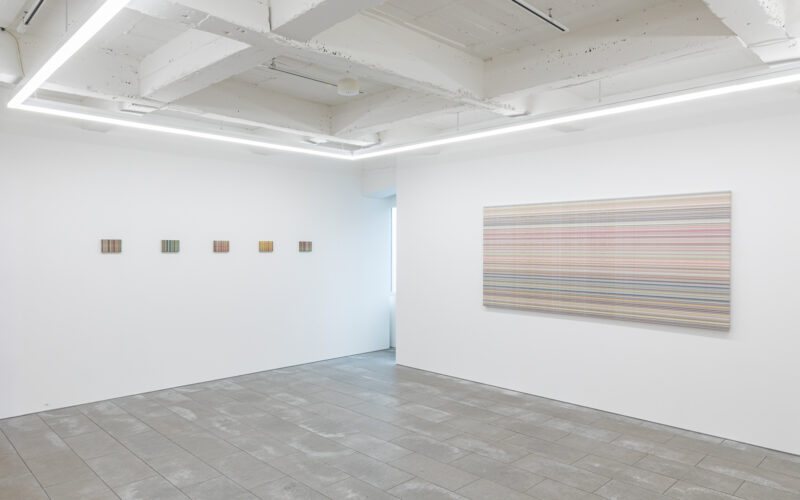
“Kazuo Sakata: Reconquest” at Tokyo Station Gallery
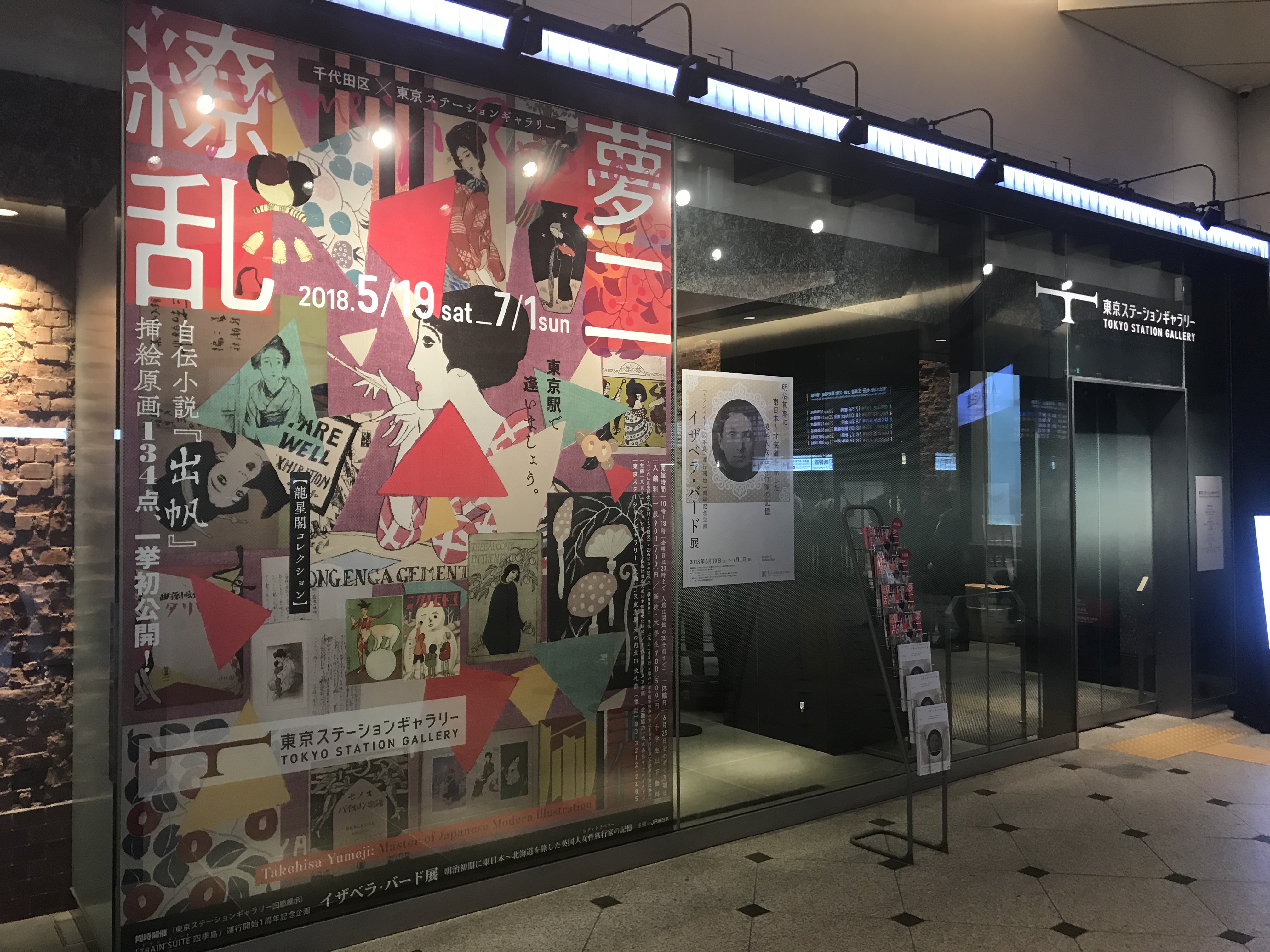
We visited “Kazuo Sakata: Reconquest,” held at Tokyo Station Gallery.
The exhibition is curated by Kenjiro Okazaki, a visual artist who is also a scholar of modern art history.
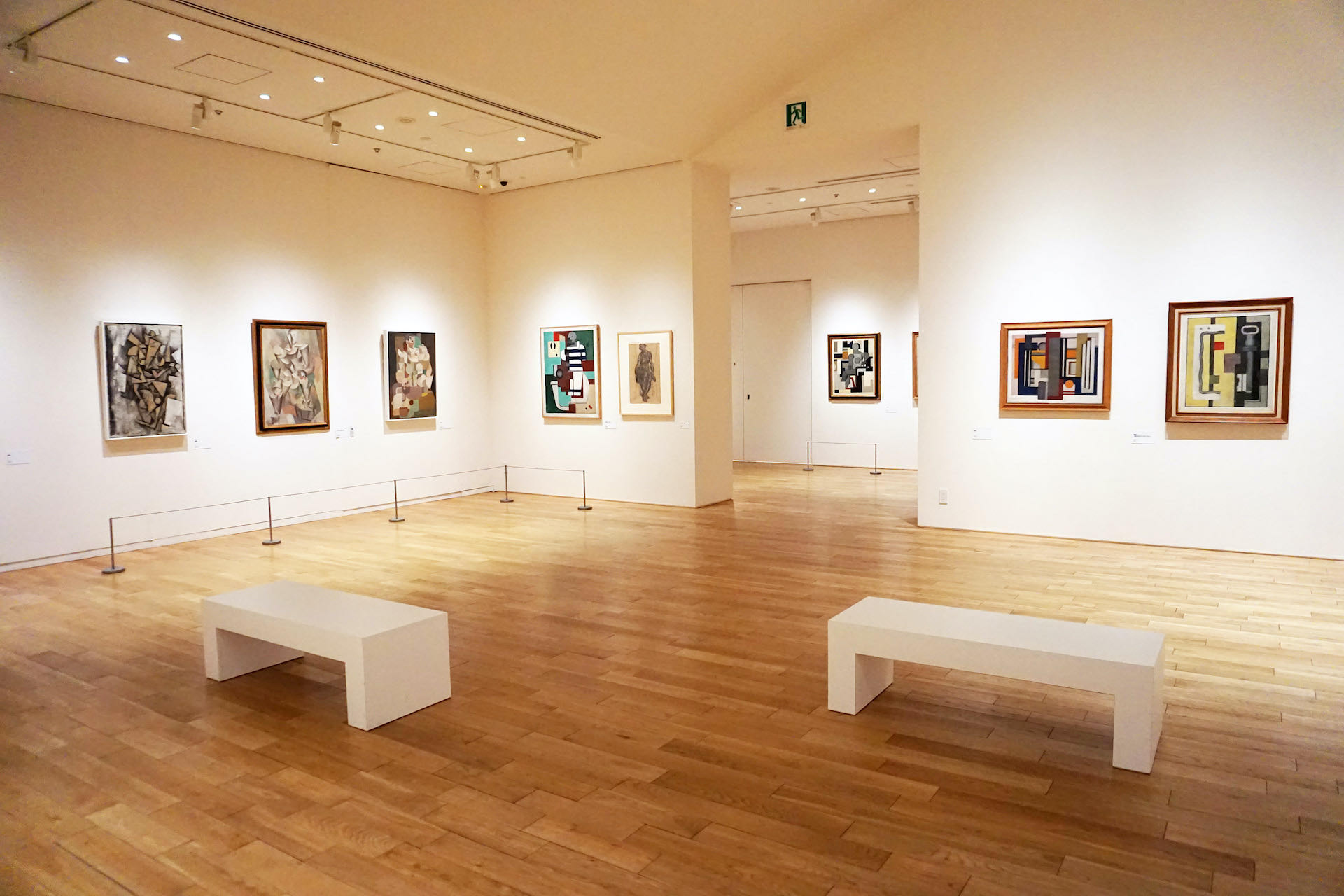
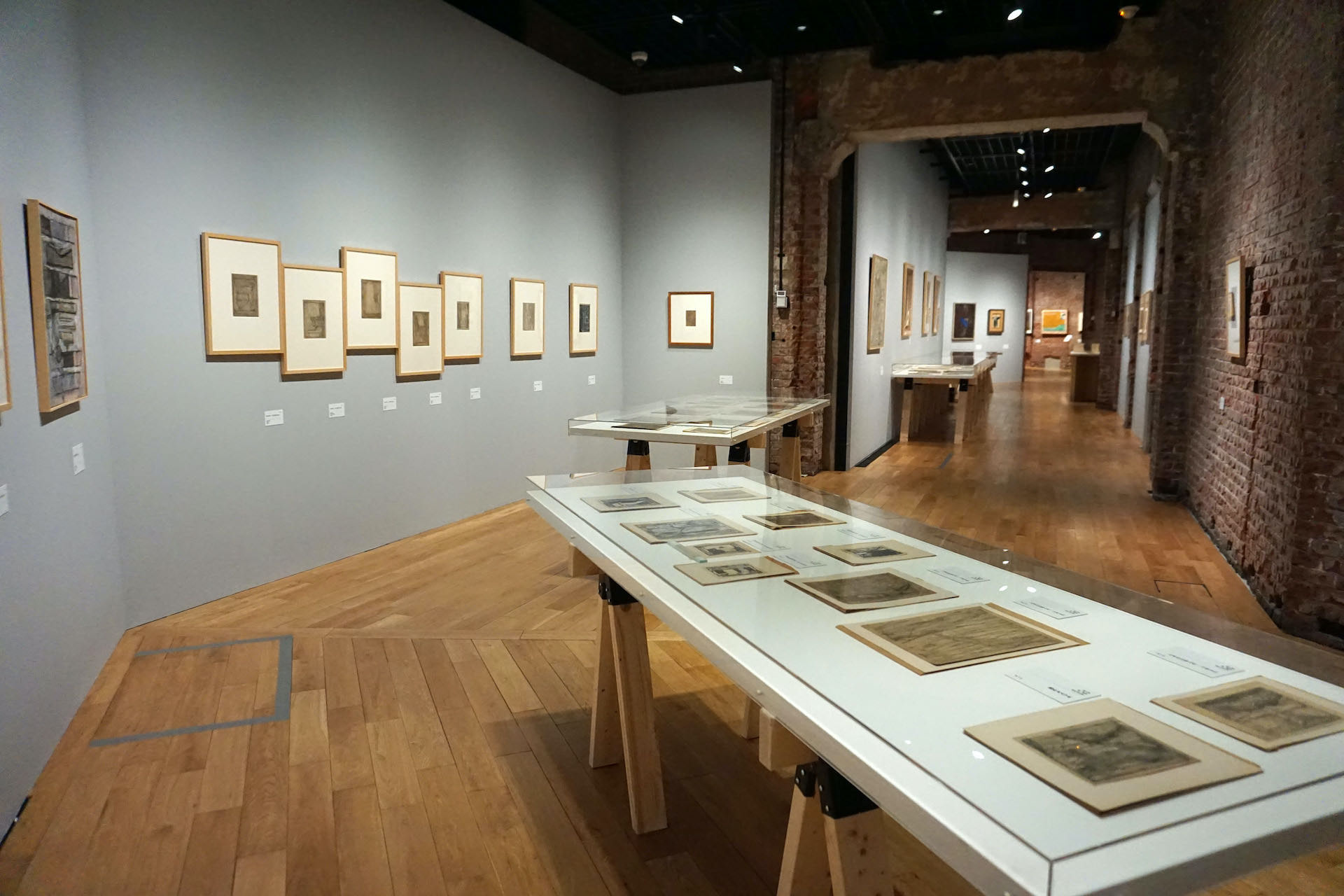
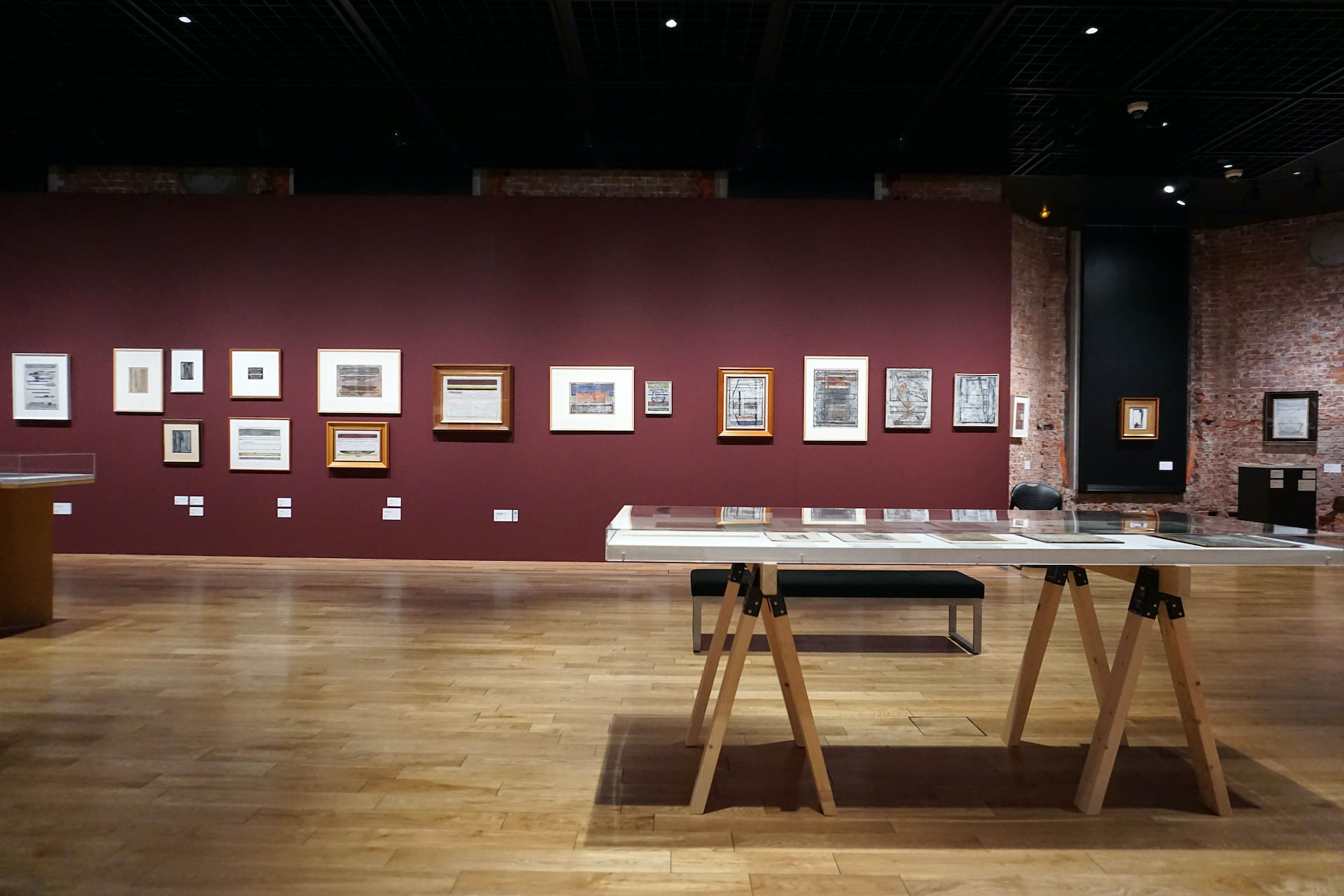
Installation view
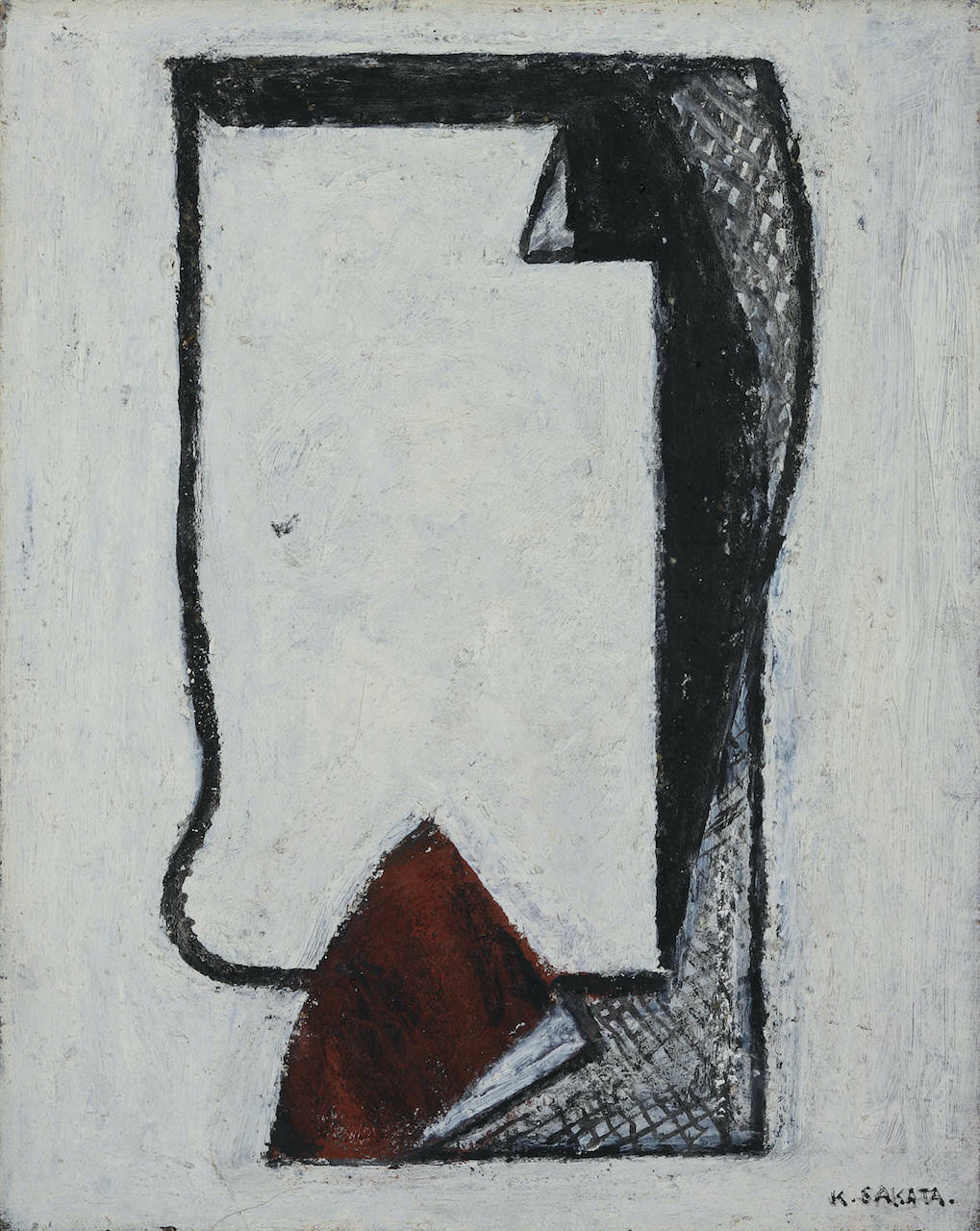
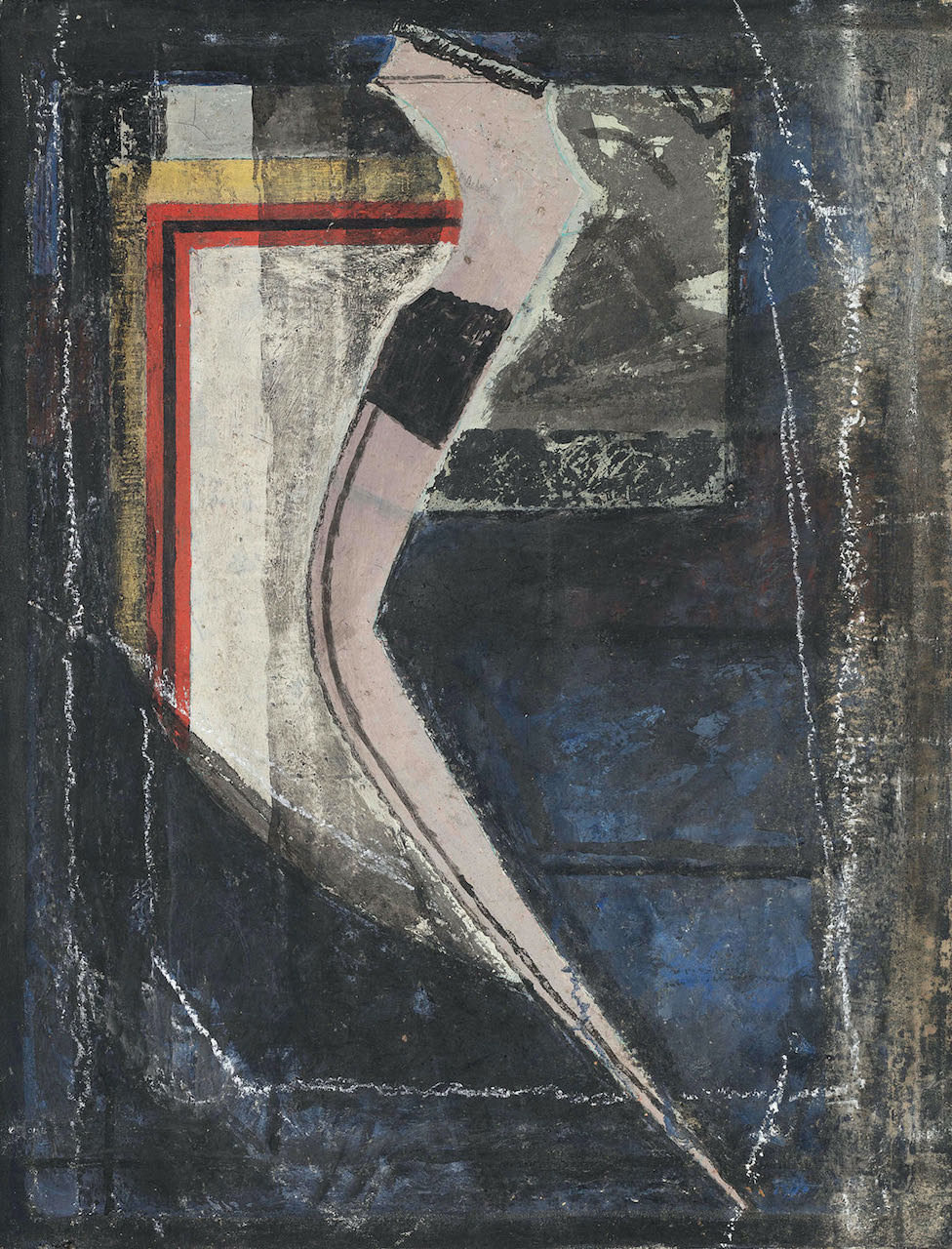
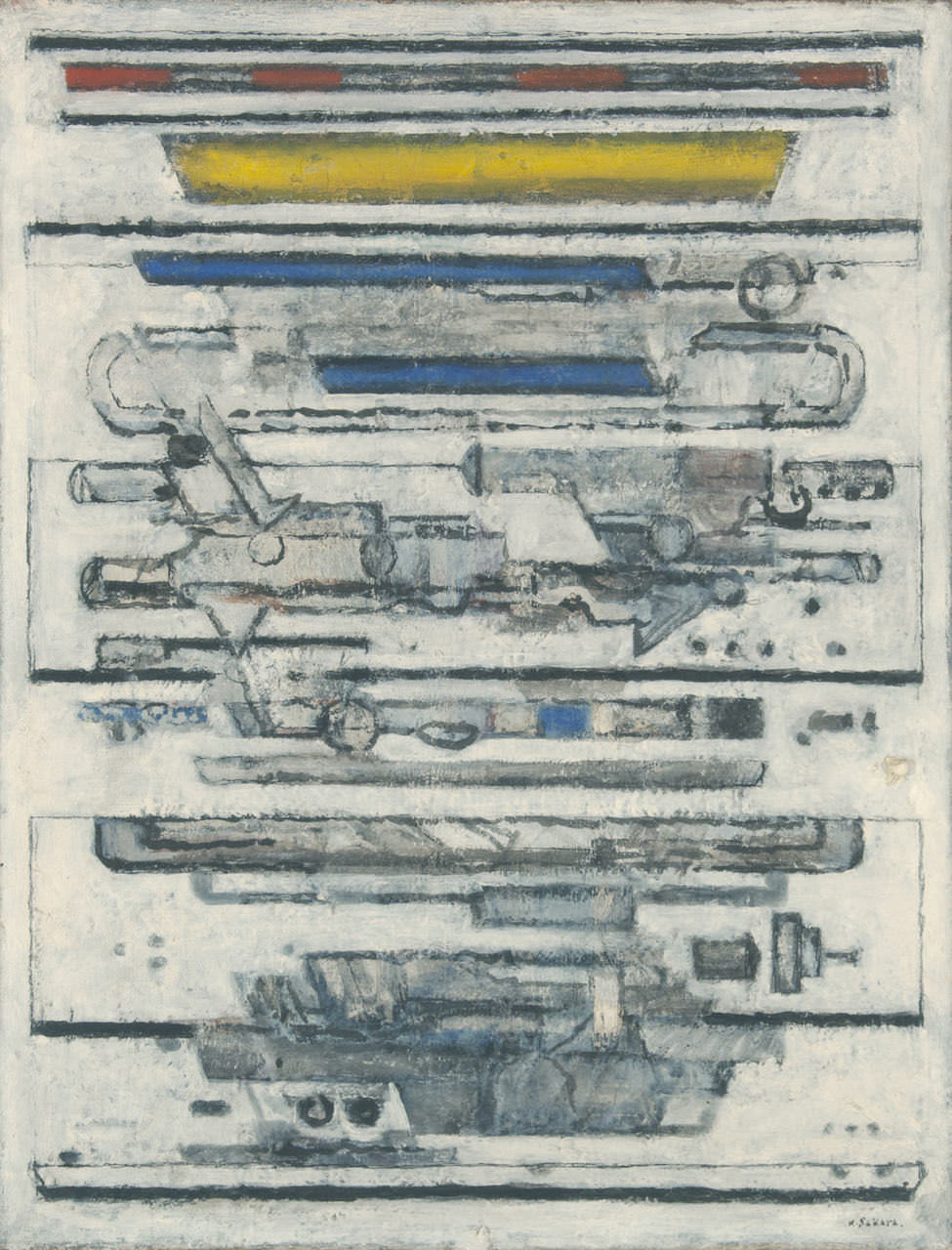
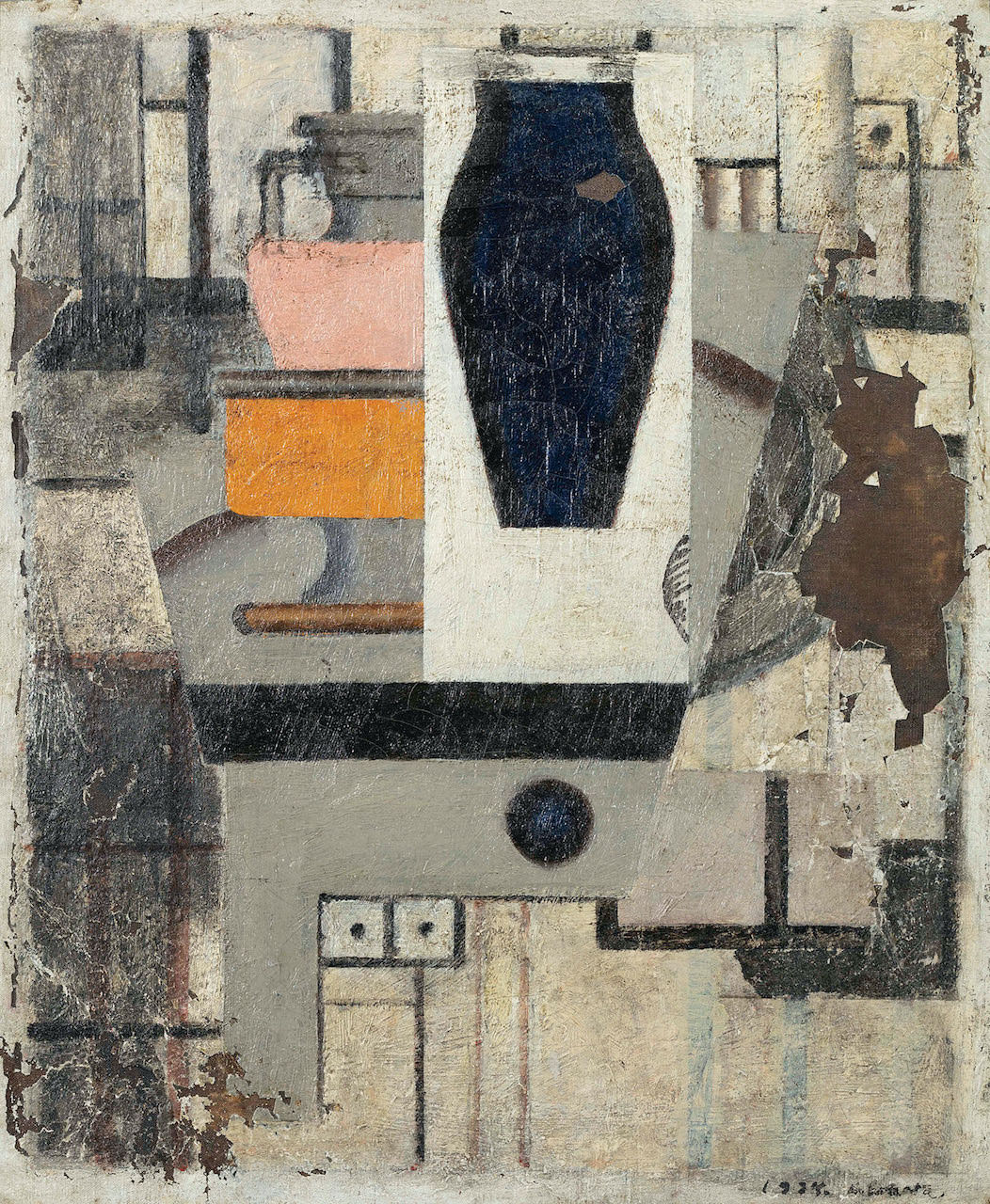
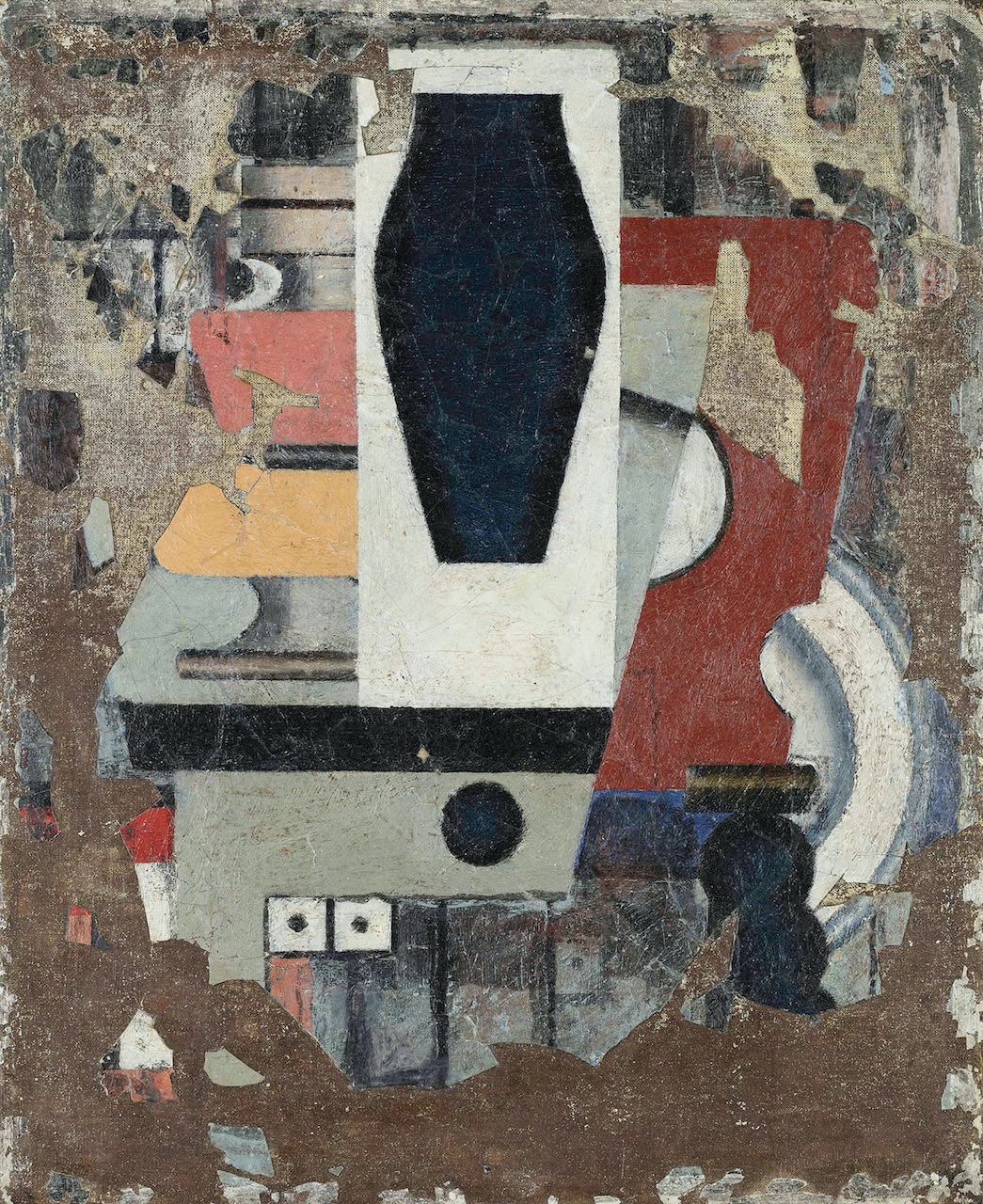
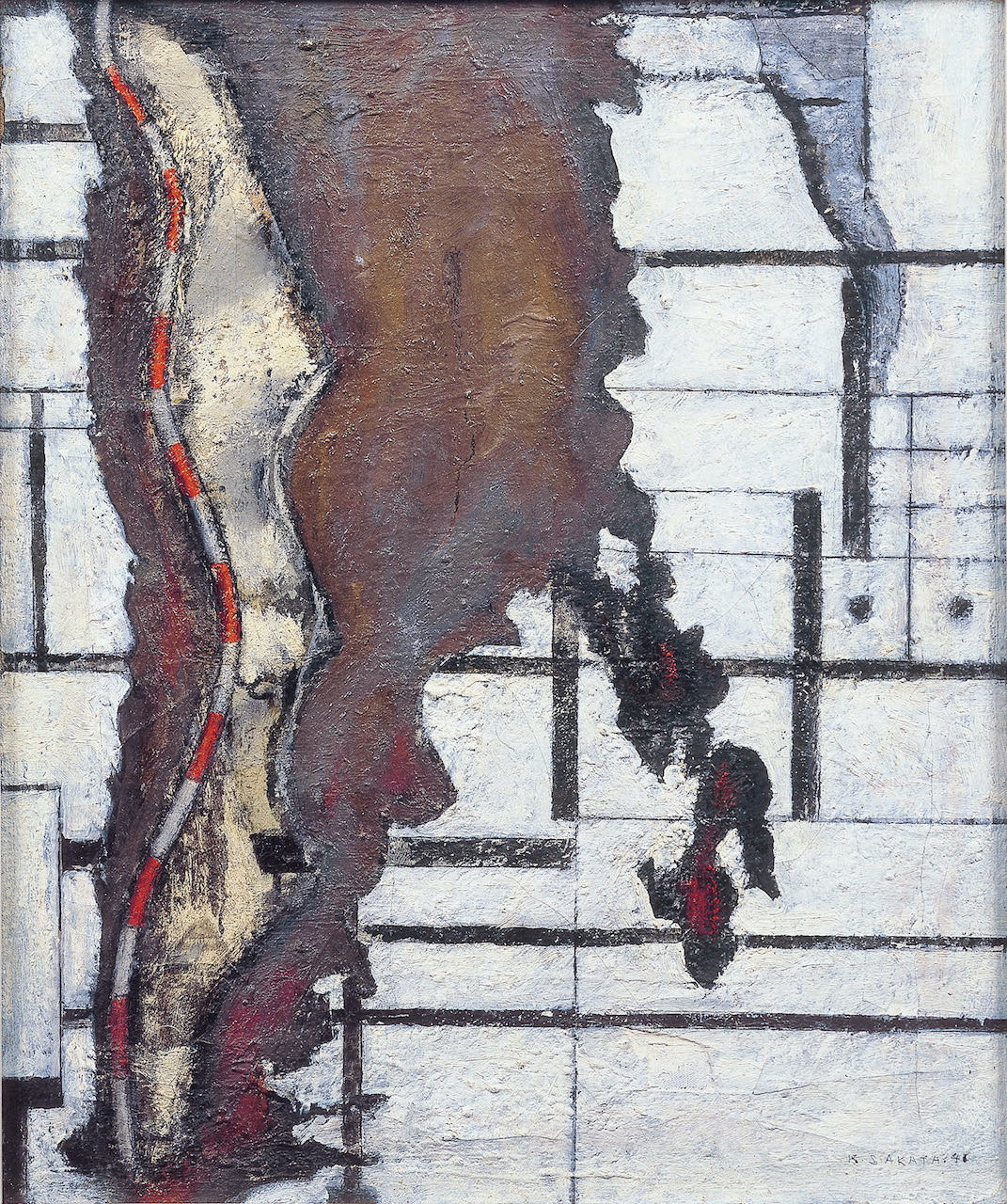
Kazuo Sakata (1889–1956) was a painter who grasped the development of abstract painting after Cubism at its core and pushed its possibilities to the utmost. This exhibition presents the full scope of Sakata’s work — which reached a rare, exceptionally high dimension on a global scale — and unravels the possibilities of the world woven into his paintings.
Sakata sailed to France in 1921, in the aftermath of World War I, where he encountered contemporary abstract painting and worked for over ten years as one of France’s most avant-garde painters. After returning to Japan in 1933, he devoted himself to production in his hometown of Okayama, and also founded the avant-garde group “Avant-Garde Okayama,” dedicating himself to nurturing the next generation.
However, Sakata’s work was scarcely introduced outside of Okayama, either during his lifetime or after his death, and it is no exaggeration to say he had been forgotten. This exhibition — the first to present the full scope of Sakata as “a painter of the present” — is supervised by visual artist Kenjiro Okazaki, who has undertaken a rigorous analysis of modern art history and taken on the challenge of rediscovering and renewing its possibilities.
In particular, the section that reads the development of Sakata’s work after his return to Japan through to the postwar era as part of the problem field of 20th-century painterly expression, comparing him with artists both in Japan and abroad, will be an opportunity to unleash the latent power of painting. The reconquest — the regeneration — of painting, and of the world, is still possible.
≪Cubist Figure≫ 1925, Okayama Prefectural Museum of Art≪Composition≫ 1936, Private collection≪Ensin≫ 1954, Private collection≪Composition A≫ 1948, Private collection≪Esquisse for Composition≫ date unknown, Private collection≪Composition (Mechanical Element)≫ 1955, Okayama Prefectural Museum of Art≪Still Life I≫ 1934, Ohara Museum of Art≪Still Life II≫ 1934, Ohara Museum of Art≪Composition≫ date unknown, Private collection≪Composition≫ 1946, U Forum MuseumInstallation viewInstallation view
Beyond Kazuo Sakata himself, the participating artists are as follows.
Fernand Léger, Hanjiro Sakamoto, Le Corbusier, Giorgio Morandi, Nicolas de Staël, Kikuji Yamashita, Richard Diebenkorn, Jasper Johns, Isamu Wakabayashi
“Kazuo Sakata 卷土重来”东京站画廊
我们探访了”Kazuo Sakata 卷土重来”展。会场为东京站画廊(Tokyo Station Gallery)。
“Kazuo Sakata 권토중래”전을 찾아갔습니다. 회장은 도쿄 스테이션 갤러리(Tokyo Station Gallery)입니다.
본 전시는 근대 미술사 연구자이기도 한 조형 작가 Kenjiro Okazaki가 큐레이션하는 기획전입니다.
전시 전경
Kazuo Sakata(1889-1956)는 큐비즘 이후 추상 회화의 전개를 그 핵심에서 이해하고, 그 가능성을 궁극까지 밀고 나간 화가입니다. 세계적으로도 드물게 높은 차원에 도달했던 Kazuo Sakata의 작업 전모를 전시하며, 그의 회화에 짜여진 세계의 가능성을 풀어냅니다.
Kazuo Sakata는 제1차 세계대전 후인 1921년에 프랑스로 건너가 동시대의 추상 회화와 만나, 10년 이상에 걸쳐 프랑스에서 최전위 화가로 활동했습니다. 1933년 귀국 후에는 고향인 오카야마에서 제작에 몰두하며, 전위 그룹 “Avant-Garde Okayama”를 결성하여 후진 양성에도 힘썼습니다.
그러나 Sakata의 작업은 생전과 사후를 통틀어 오카야마 외의 지역에서 크게 소개된 적이 거의 없었으며, 잊혀졌다고 해도 과언이 아닙니다. 본 전시는 근대 미술사를 정밀히 해석하고 그 가능성의 재발굴과 쇄신에 도전하는 조형 작가 Kenjiro Okazaki 씨를 감수자로 초빙하여, “현재의 화가로서의” Kazuo Sakata의 전모를 제시하는 최초의 전람회가 됩니다.
특히 일본 귀국 후부터 전후에 걸친 Sakata의 작업 전개를 국내외 작가들과 비교하면서, 20세기 회화 표현의 문제군으로 풀어내는 섹션은 회화의 잠재력을 해방하는 기회가 될 것입니다. 회화, 그리고 세계의 권토중래=재생은 아직 가능합니다.
≪큐비즘적 인물상≫ 1925년 오카야마 현립 미술관≪컴포지션≫ 1936년 개인 소장≪Ensin≫ 1954년 개인 소장≪컴포지션 A≫ 1948년 개인 소장≪컴포지션의 에스키스≫ 제작 연도 미상 개인 소장≪컴포지션(메카닉 엘리먼트)≫ 1955년 오카야마 현립 미술관≪정물 I≫ 1934년 오하라 미술관≪정물 II≫ 1934년 오하라 미술관≪컴포지션≫ 제작 연도 미상 개인 소장≪구성≫ 1946년 U Forum 미술관전시 전경전시 전경
또한, Kazuo Sakata 외 참여 작가는 다음과 같습니다.
Fernand Léger, Hanjiro Sakamoto, Le Corbusier, Giorgio Morandi, Nicolas de Staël, Kikuji Yamashita, Richard Diebenkorn, Jasper Johns, Isamu Wakabayashi