キャンバスを組みながら、直接手を使って描くスタイルが特徴的な小林正人さん。
oil on canvasならぬ「oil with canvas」という言葉で表現するように、絵と一体になるような没入するメンタリティに驚かされます。作品制作に向き合う時の思考や行動が丁寧に再現されていて、物語を読み進めるうちに芸術家としての凄みを感じるようになりました。
本書は1996年頃の記述までで1つの区切りを迎えています。
次の巻では、現代アートキュレーター「ヤン・フート氏」からベルギーゲントに呼ばれる「海外編」が展開されるような予感を感じさせます。
I love Masato Kobayashi’s paintings, and the other day I happened upon the sales area at Tsutaya Books in GINZA SIX where his work “Model of This Planet” was being sold, and I found myself drawn in, gazing at it for a long time.
The two works, placed in a glass case in one corner of the bookstore, were each a very small size-0 work; precisely because they were small, the fine details of the canvas caught my eye, and I kept looking, bringing my face right up to the glass without reserve. To those around me, I may have looked like a suspicious person simply staring at one point. I must have kept looking for about ten minutes—or perhaps even longer. Even after taking my time, there still seemed to be more depth beyond, and time passed without my growing tired.
The Paint of This Planet
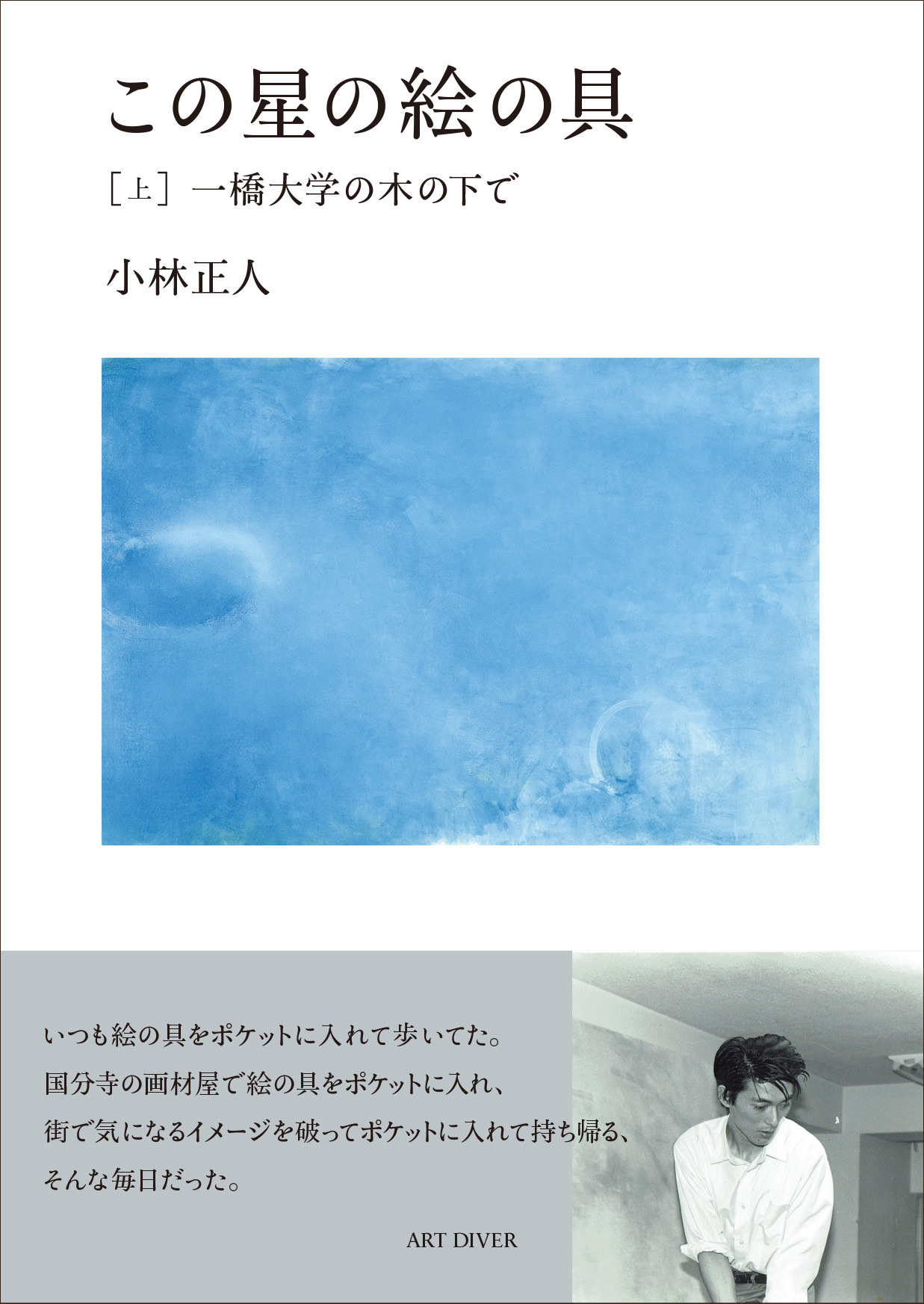
The reason the work was being sold at Tsutaya Books may also be that it coincided with the timing when hisfirst autobiographical book“The Paint of This Planet [Vol. 1]: Under the Trees of Hitotsubashi University”was published. This article is a review after reading it.
Masato Kobayashi, “The Paint of This Planet [Vol. 1]: Under the Trees of Hitotsubashi University,” published by Art Diver
Right after viewing the aforementioned work, I was fortunately given a complimentary copy by the publisher, so I luckily got hold of the book. And I read itin one sitting, in the blink of an eye. Like the work itself, it was an unadorned autobiographical coming-of-age story that pulls you in. It depicts the story of the artist’s young days—human yet still artist-like, at times fierce, at times delicate—in a way that makes you want to laugh off critical approaches like theoretical analysis of art or tracing art-historical context.
The exchanges with Shugo Satani, the current owner of ShugoArts—beginning with an approach for a planned exhibition from Satani Gallery—retain the raw conversations of the art scene as they were, reproducing in the present, with a raw texture, the young days of an artist who represents Japan.
A particularly key episode concerns the subtle relationship between Kobayashi and a female teacher he met in high school, and how it ended.
The story that connects to his life as an artist—young, fierce, and poignant—is written in the artist’s own realistic prose, showing how readers too are moved.
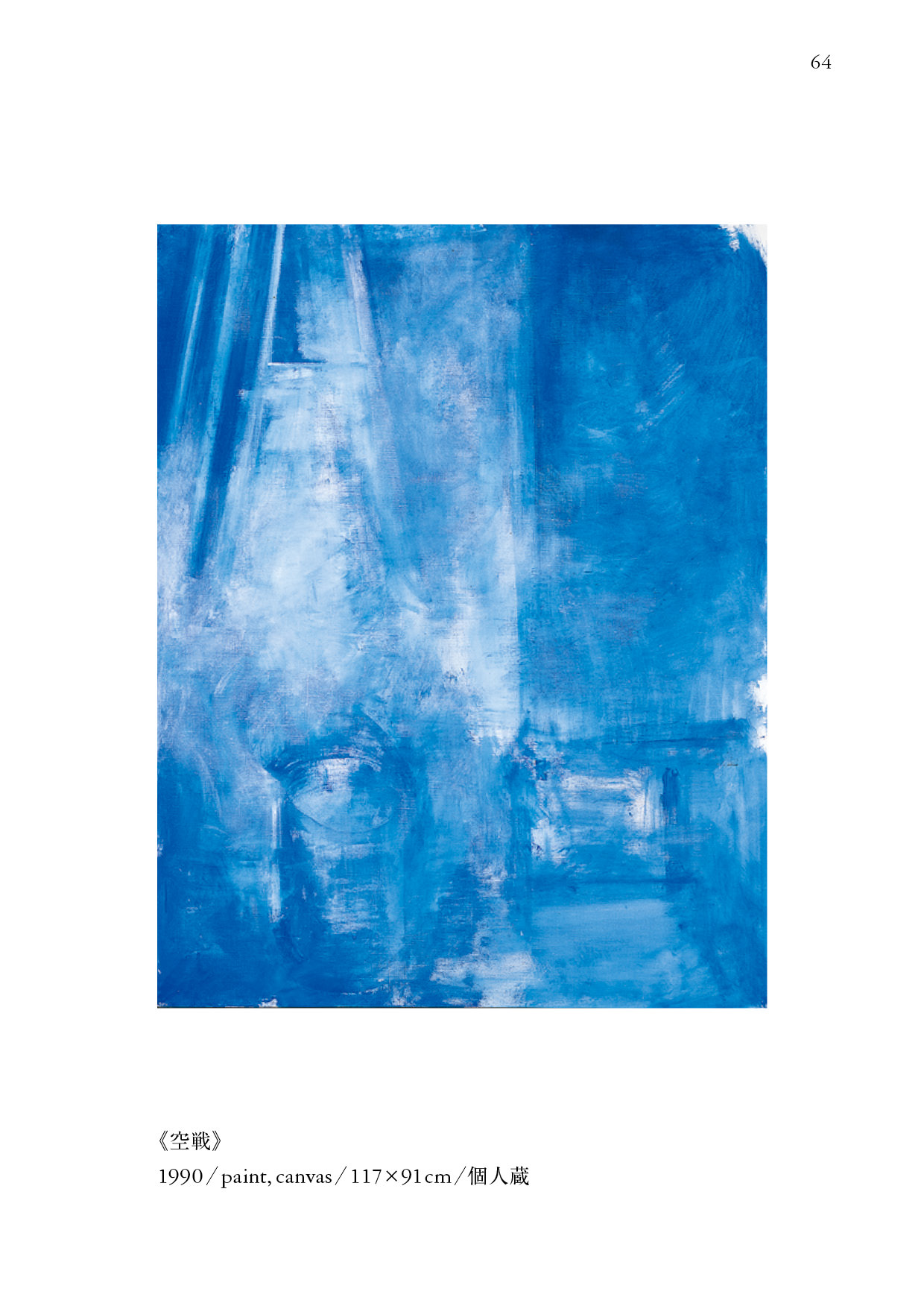
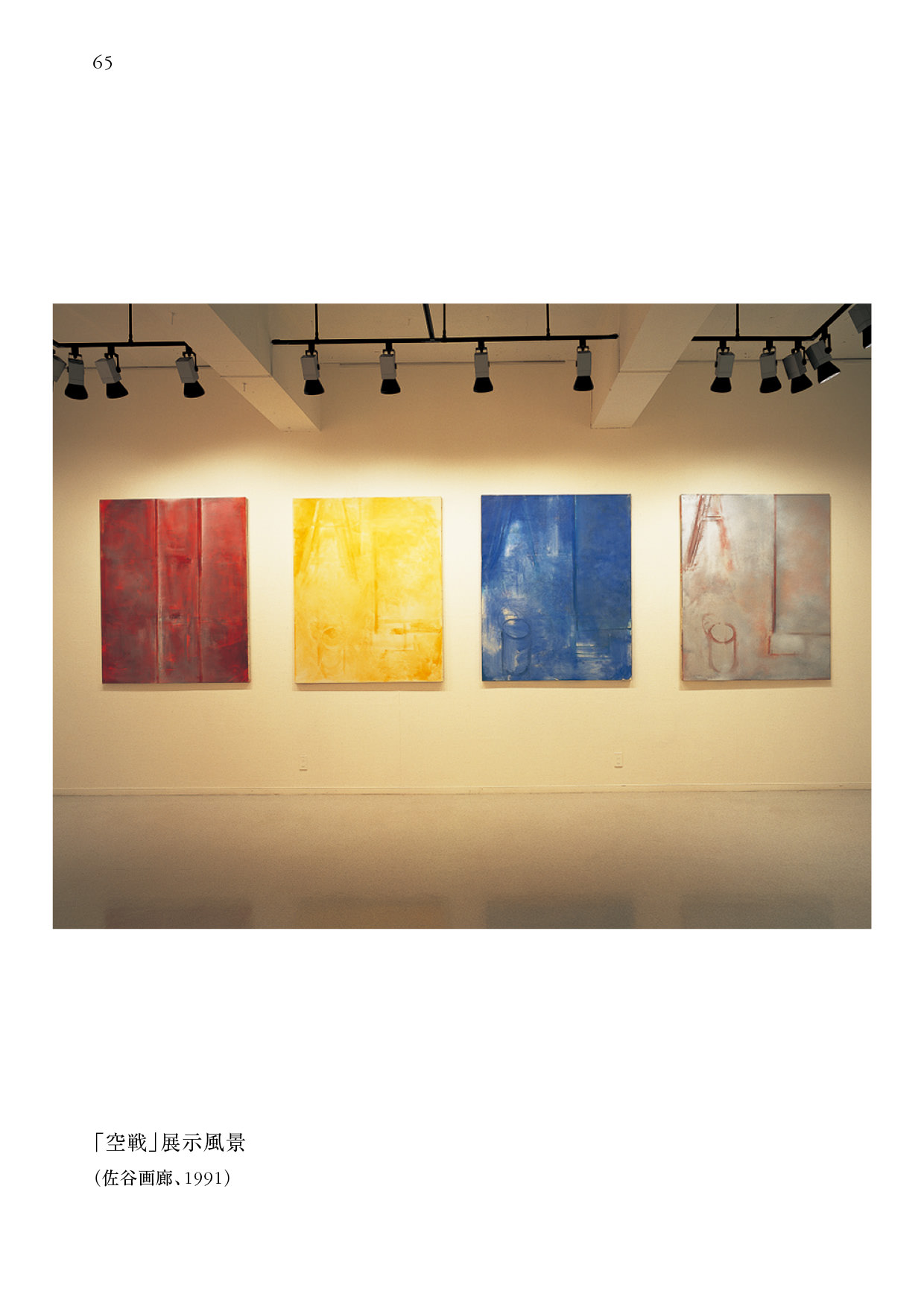
This book also includes plates of Kobayashi’s works (16 pages in all). Being able to check the works in between as you read on is a nice point. The descriptions of making the works, and the painterly expression conveyed through the writing, are also wonderful.
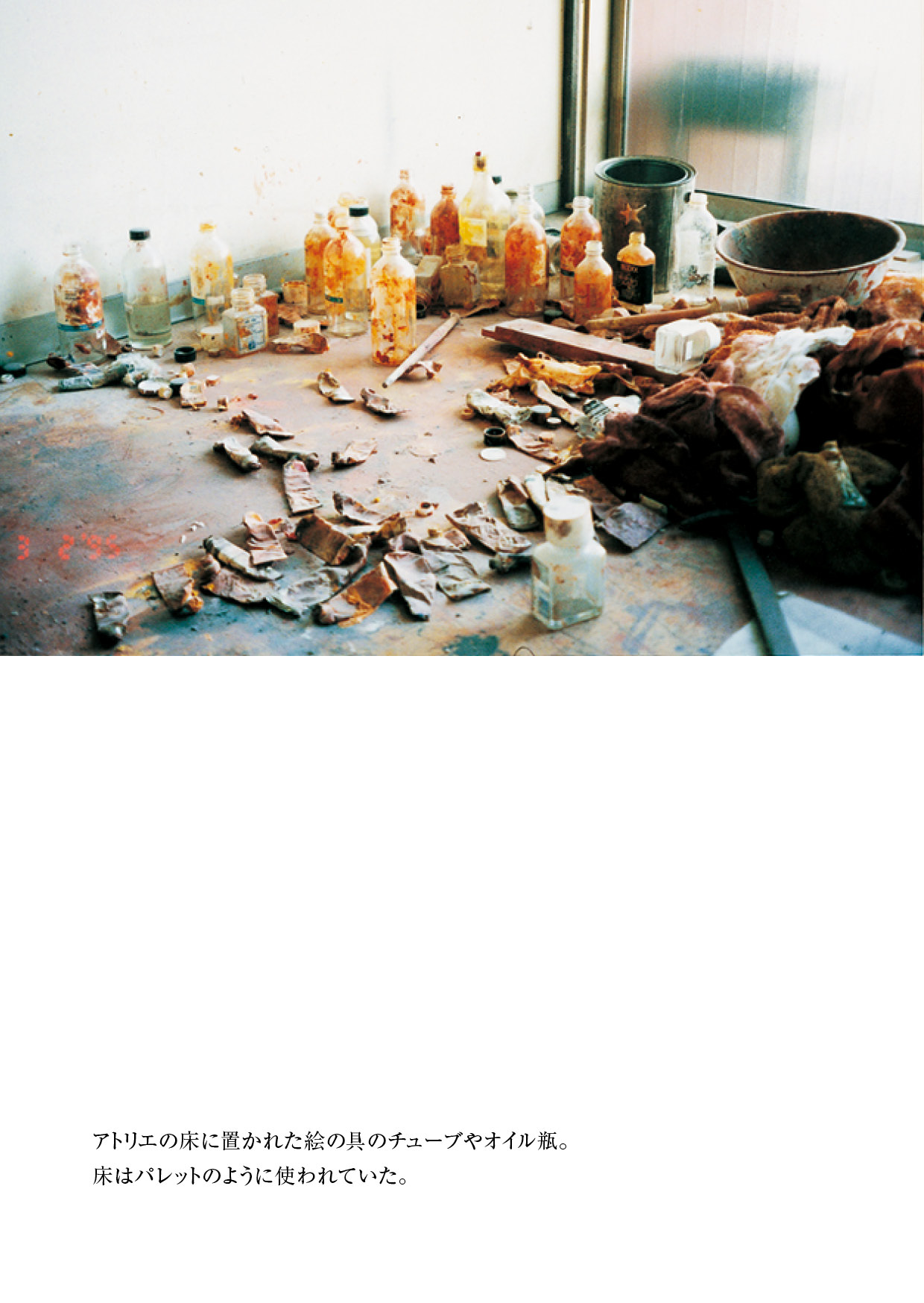
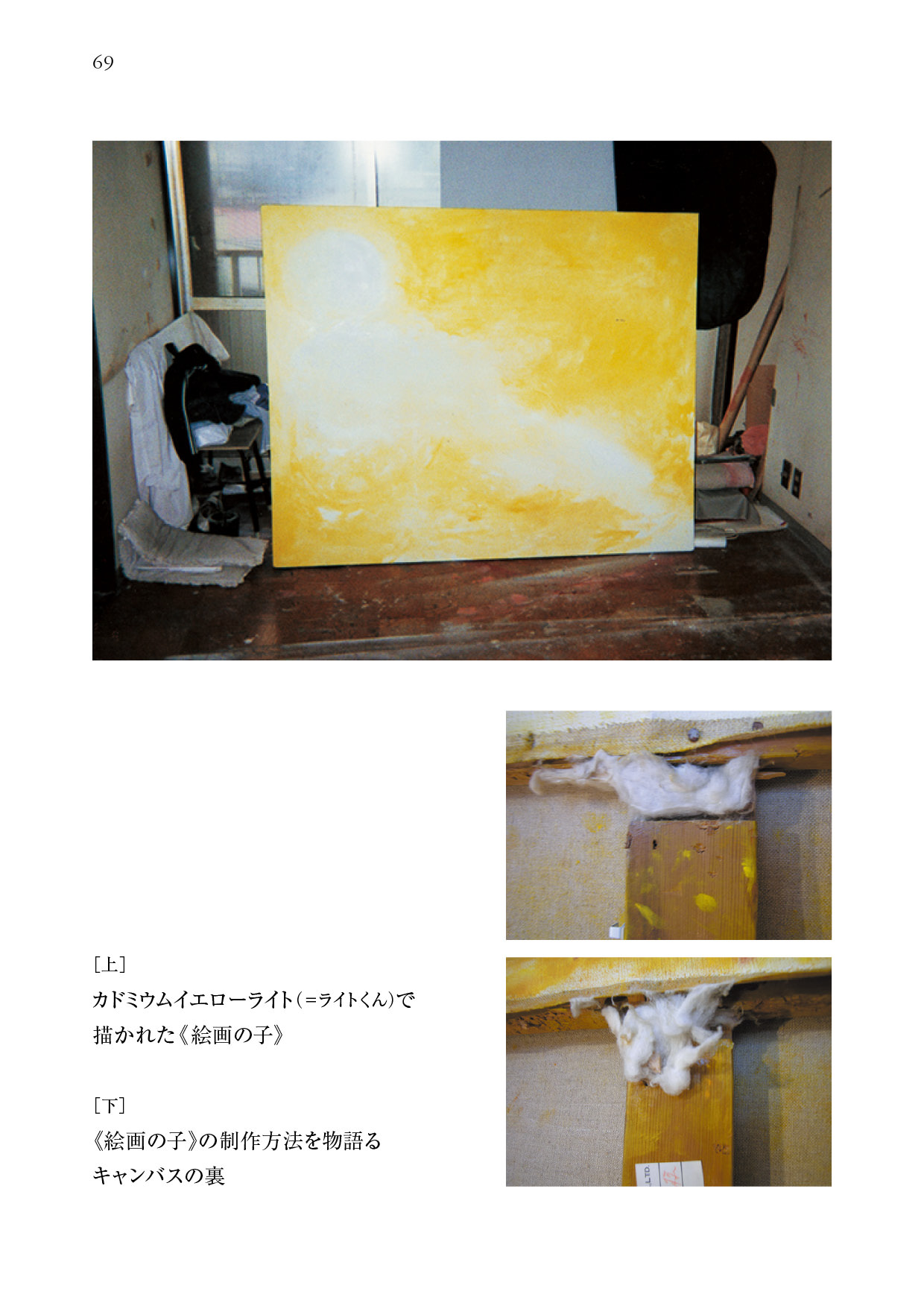
The atelier is a room in an apartment in Kunitachi
Masato Kobayashi is characterized by a style of painting directly with his hands while assembling the canvas.
As expressed by the phrase “oil with canvas” rather than “oil on canvas,” his immersive mentality—becoming one with the painting—is astonishing. His thoughts and actions when facing the making of a work are carefully reproduced, and as I read on, I came to feel his formidable power as an artist.
This book reaches a break point at descriptions up to around 1996.
The next volume gives a premonition that an “overseas chapter,” in which he is called to Ghent, Belgium by the contemporary-art curator “Jan Hoet,” will unfold.
With all three volumes planned, this book is the story of the first half. How will the coming-of-age story of the young artist Masato Kobayashi develop after this? A big reason readers are drawn in must be that he writes candidly, in his own words, at a good tempo.
Summary
The reason one is drawn into Kobayashi’s works is, of course, the inherent perfection of the works themselves.
When I looked at them again after reading, they shone even more than before, and I felt as though a strong energy was being emitted from behind the paint on the canvas.
A coming-of-age story of a painter with few parallels
An autobiography in unadorned words
Writing that reads at a good tempo
Raw, candid content depicting an artist’s life
The many color plates of works inserted throughout
I already want to read the next chapter.
It is a book I’d like to recommend to art lovers and art practitioners.
INDEX
One Painting = Sky, 1985–1986
“Painting there is too late! (Beautiful Square)”
Shugo
Two: Having the Sun Paint for Me / A Picked-Up Panel
Christmas White, 1989–1990
Three: Air Battle, 1990–1991
Painting by hand while stretching the canvas!
A “certain place” where the air battle happens
Opening (April 17)
Spring Storm — Work = Music
It was the morning of May 3
Four: Once Upon a Time…
“Kobayashi, want to try painting?”
A brand-new paint set
My first painting
Waking the one who fell asleep first (sleep and death)
Five: Child of Painting, 1992–1996
New light
The art-supply shop in Kokubunji
On brightness
Light-kun
Almost-square, almost-flat oil with canvas!
Twilight — Magic Hour
Under the trees of Hitotsubashi University
That which has not fallen by existing
The paint of this planet — so much brightness
Plates
Overview
Author: Masato Kobayashi
Title: “The Paint of This Planet [Vol. 1]: Under the Trees of Hitotsubashi University”
Pages: 160 pages (16 color pages including work plates, 144 monochrome)
Binding: softcover
Size: bunko format
Design: Toshimasa Kimura
ISBN: 978-4-908122-10-1
Published December 2018
고바야시 마사토의 그림을 좋아하는데, 얼마 전 GINZA SIX의 쓰타야 서점에서 작품 「この星のモデル(이 별의 모델)」이 판매되던 매장을 마주쳐, 빨려 들어가듯 한참을 들여다보고 말았습니다.
서점 한 코너의 유리 케이스에 든 두 작품은 각각 0호 사이즈의 매우 작은 작품으로, 작은 작품이기에 오히려 캔버스의 섬세한 디테일이 눈에 들어와, 유리 케이스에 거리낌 없이 얼굴을 가까이 대고 계속 보았습니다. 주위 사람들이 보기에는 한 점을 그저 응시하는 수상한 사람으로 비쳤을지도 모릅니다. 10분쯤 계속 봤을까요. 어쩌면 더 긴 시간이었을지도 모릅니다. 시간을 들여 감상해도 여전히 깊은 작품의 그 너머가 있는 듯하여, 질리지 않고 시간이 흘러갔습니다.
이 별의 그림물감
쓰타야 서점에서 작품이 판매된 것은, 본인의첫 자서전인 저서「この星の絵の具[上]一橋大学の木の下で(이 별의 그림물감[상]히토쓰바시 대학의 나무 아래에서)」가 간행된 타이밍이었던 것도 있을 듯합니다. 본 기사는 독서 후의 리뷰 기사입니다.
고바야시 마사토 「この星の絵の具[上]一橋大学の木の下で」 발행:Art Diver
필자는 앞의 작품을 감상한 직후, 타이밍 좋게 출판사 측에서 증정받아 운 좋게 본서를 손에 넣었습니다. 그리고순식간에 단숨에 읽어내려갔습니다. 작품과 마찬가지로 쭉쭉 빨려 드는, 꾸밈없는 자서전 형식의 성장 스토리였습니다. 미술에 대한 이론적 분석이나 미술사의 맥락을 좇는 등의 비평적 접근을 코웃음 치고 싶어질 만큼, 인간적이면서도 그럼에도 예술가다운, 때로는 격렬하고 때로는 섬세한 작가의 젊은 시절 이야기가 그려져 있습니다.
사타니 화랑에서 온 기획전 타진에서 시작되는, 현 ShugoArts 오너 사타니 슈고와의 교류는, 아트 현장의 생생한 대화가 그대로 남아 있어, 일본을 대표할 만한 작가의 젊은 시절이 생생한 감촉으로 현대에 재현되어 있습니다.
특히 핵심이 되는 에피소드는 고바야시 마사토가 고교 시절에 만난 여교사와의 미묘한 관계성과 그 결말에 대해서입니다.
작가 인생으로 이어지는 이야기는 젊고, 격렬하고, 애틋하여, 독자도 마음이 움직여 가는 모습이 본인에 의한 리얼한 문장으로 엮여 있습니다.
본서에는 고바야시 마사토의 작품 도판도 포함되어 있습니다(총 16P). 읽어 나가면서 틈틈이 작품을 확인할 수 있는 것은 기쁜 포인트네요. 작품 제작의 서술이나, 문장에서 전해지는 회화적 표현도 멋집니다.
아틀리에는 구니타치의 맨션에 있는 한 방
캔버스를 짜면서 직접 손을 사용해 그리는 스타일이 특징적인 고바야시 마사토.
oil on canvas가 아닌 「oil with canvas」라는 말로 표현하듯, 그림과 일체가 되는 듯 몰입하는 멘털리티에 놀라게 됩니다. 작품 제작에 마주할 때의 사고와 행동이 정성껏 재현되어 있어, 이야기를 읽어 나가는 동안 예술가로서의 대단함을 느끼게 되었습니다.
본서는 1996년경의 서술까지로 하나의 구분을 맞이합니다.
다음 권에서는 현대미술 큐레이터 「얀 후트(Jan Hoet)」로부터 벨기에 겐트로 불려 가는 「해외편」이 전개될 듯한 예감을 느끼게 합니다.
전 3권 출판이 예정된 가운데, 본서는 전반전의 이야기입니다. 젊은 작가 고바야시 마사토의 성장 스토리는 이후 어떤 전개가 될까요? 독자가 빠져드는 것은, 템포 좋게 본인의 말로 적나라하게 쓰여 있다는 점도 큰 것이 아닐까요.
정리
고바야시 마사토의 작품에 빠져드는 이유는, 작품 본래의 완성도에 있음은 물론입니다.
읽은 뒤 작품을 다시 보니, 이전에 봤을 때보다 한층 빛을 더해, 캔버스에 그려진 물감의 배후에서 강한 에너지가 발산되고 있는 것처럼 느껴집니다.
유례가 드문 페인터의 성장 이야기
꾸밈없는 말의 자서전
템포 좋게 읽히는 문장
생생한 작가 인생의 적나라한 내용이 그려짐
삽입되는 컬러 작품 도판의 수많음
벌써 다음 장을 읽어 보고 싶어집니다.
아트를 좋아하는 분이나 미술 작가분께 추천하고 싶은 서적입니다.
INDEX
一 회화=하늘 1985-1986
「거기에 그리는 건, 너무 늦어!(아름다운 사각)」
슈고
二 태양에게 그려 달라기/주워 온 패널
크리스마스 화이트 1989-1990
三 공중전 1990-1991
캔버스를 치면서 손으로 그린다!
공중전을 벌이는 〝어느 장소〟
오프닝 (4월 17일)
봄의 폭풍〜작품=음악
5월 3일의 아침이었다
四 옛날 옛적에……
「고바야시 군, 그림 그려 보지 않을래?」
새 그림물감 세트
첫 그림
먼저 잠든 자가 상대를 깨운다(잠과 죽음)
五 회화의 아이 1992-1996
새로운 빛
고쿠분지의 화방
밝음에 대하여
라이트 군
거의 사각, 거의 평면의 oil with canvas!
트와일라잇――매직 아워
히토쓰바시 대학의 나무 아래에서
존재함으로써 실추하지 않은 것
이 별의 그림물감――수많은 밝음
도판
개요
저자:고바야시 마사토
서명:「この星の絵の具[上]一橋大学の木の下で」
페이지:160페이지(작품 도판 등 컬러 16페이지, 흑백 144페이지)
제본:소프트커버
사이즈:문고판
디자인:기무라 도시마사
ISBN:978-4-908122-10-1
2018년 12월 간행