Places called galleries are, for the most part, free to enter and open to all.
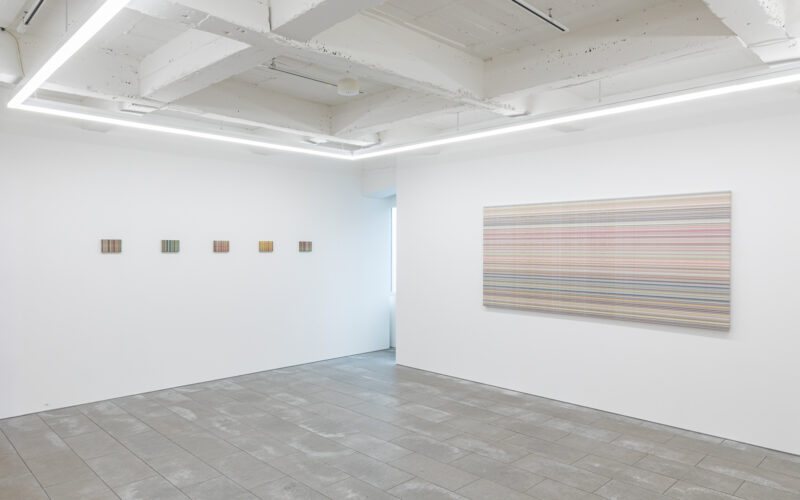
Long-established galleries in Ginza, thought to have a high threshold, exude a weighty atmosphere in their storefronts, but basically they harbor the true intent of wanting to gather as many visitors as possible and bring them closer to buying works.
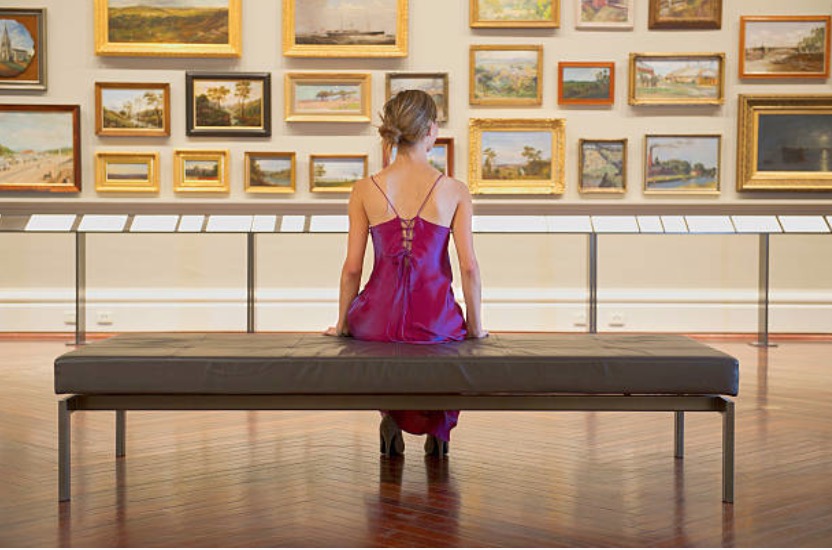
The image is for illustration.
This is inevitable because the exhibition business model depends on “work sales income”; they take the approach of maximizing attendance through free admission and connecting it directly to work sales.
This differs greatly from the revenue model of large exhibitions at national museums, with admission income, merchandise income, and advertising income.
Incidentally, even within the work-sales-income business model, there are galleries that take a kind of “real-estate business form” called “rental galleries.” These are galleries operated by collecting a period rent from artists (work sales income also occurs additionally).
In both, work sales revenue is a “revenue share,” with the sales amount distributed between the gallery and the artist at a decided ratio.
Price list
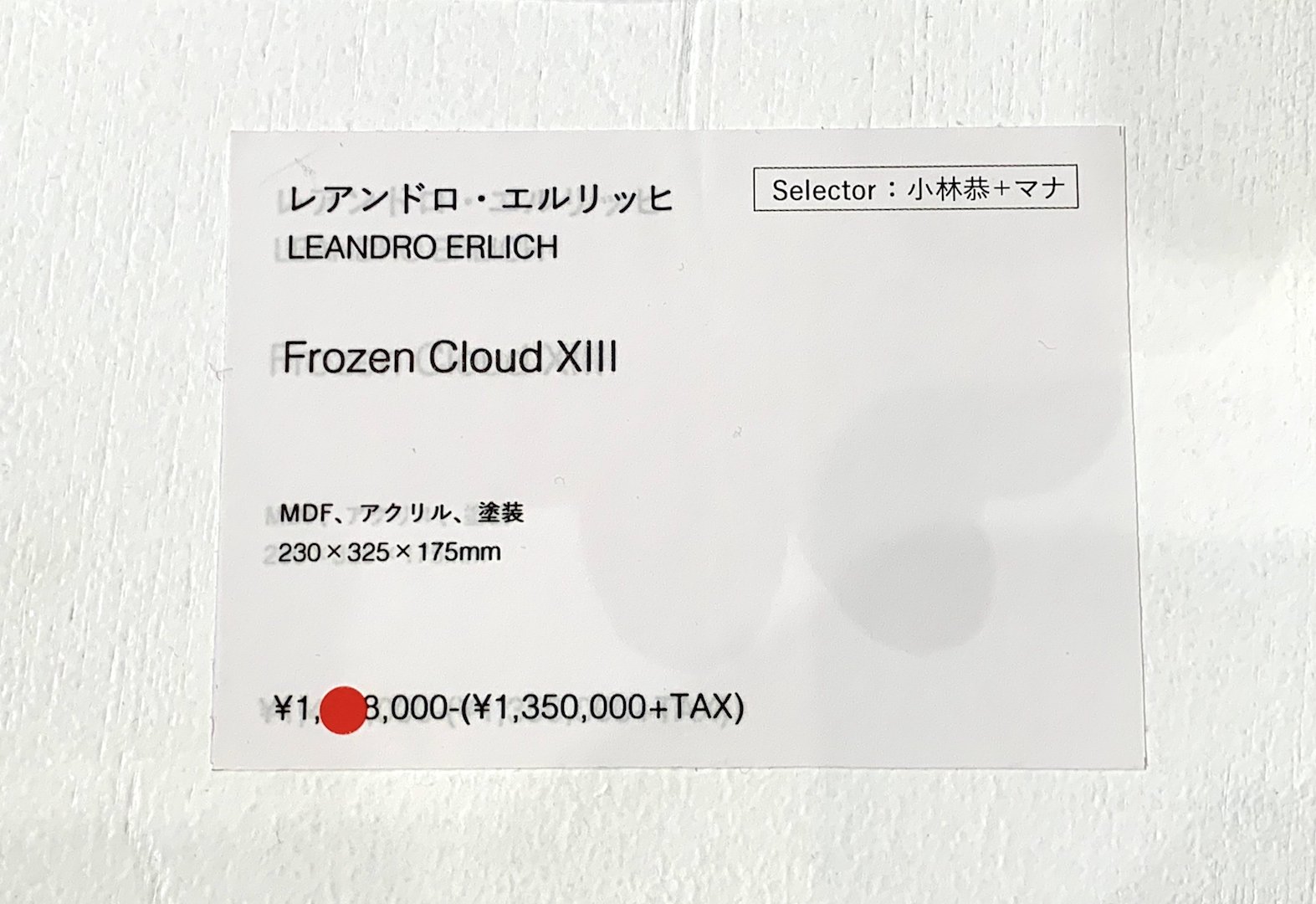
A work’s selling price is sometimes written on a small tag called a “caption,” together with the artist’s name, work title, year, and materials used.
However, there are many cases where only the title, size, and technique are written on the caption, with no price listed.
In such cases, what you want to check is the material with the prices written on it, called the “price list.”
A price list is, literally, a work “price table.”
Forms vary, but roughly it lists work names and related information, with prices. Some have a layout map of the works clearly plotted, and the format varies by gallery.
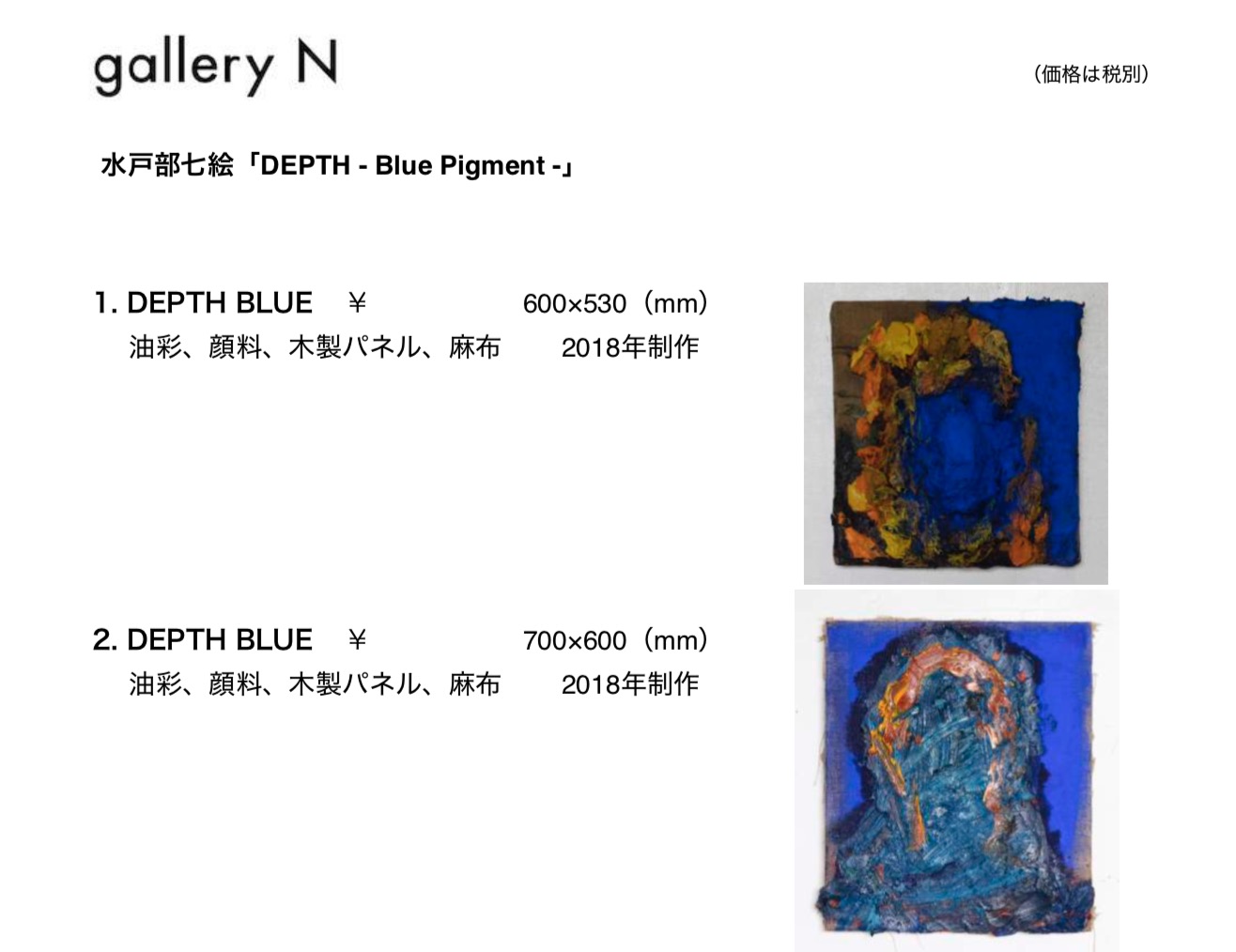
An example of a price list—the price parts are whited out here to hide them, but in reality they’re written (edited by the author).
Price lists are often placed in an easy-to-find spot, but depending on the gallery, only a work list may be out, or in some cases it won’t come out unless you ask verbally.
In any case, it’s a “menu” that always exists at a normal gallery.
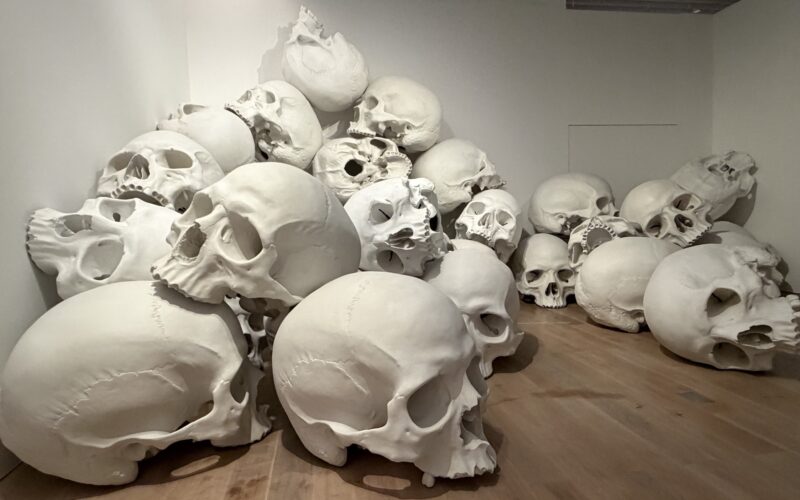
Leandro Erlich, 《Frozen Cloud XIII》, 2018—photographed at “Shūshū-shūshō.”
What you want to be careful of is the mark indicating “sold.”
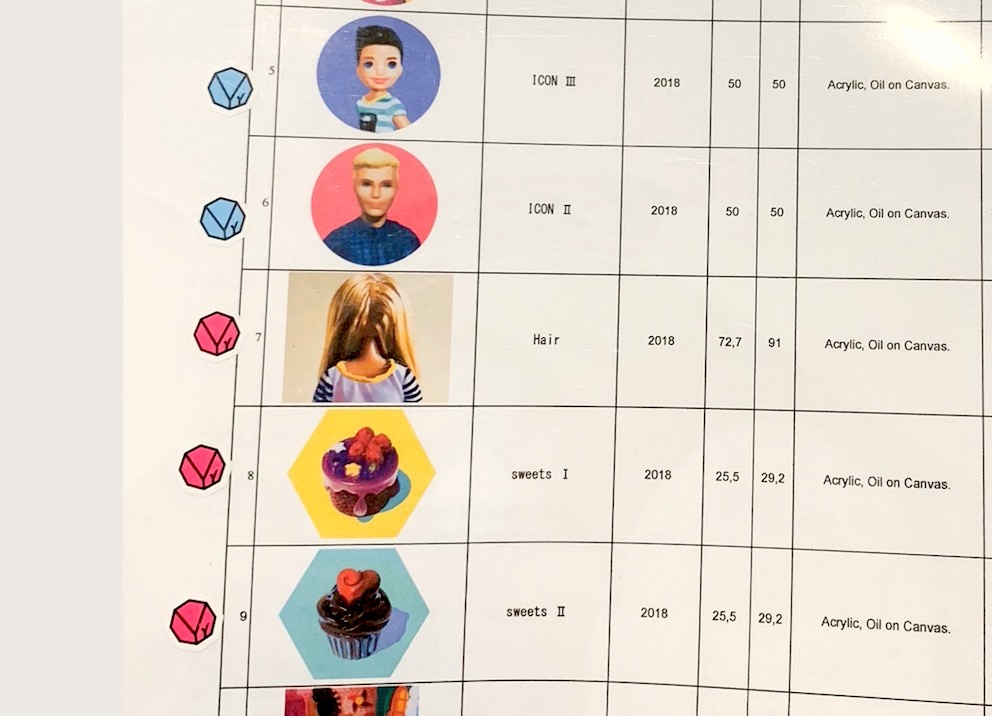
In many cases, a red-circle sticker means “sold out,”so please be careful. It’s a work for which someone has already expressed the intention to buy.
A blue-circle sticker is “under consideration for purchase”—it’s often used as a marker for this.
At Aki Moriyama’s solo exhibition, the red-circle and blue-circle stickers were nice ones that harmonized with the works.
Purchase is first-come, first-served
Work sales at galleries are, in principle, on a “first-come, first-served” rule, so please be careful.
*Lotteries and auctions, etc., rarely occur too.
Also, even without going to the gallery, many galleries will send you the price list.
Galleries that respond via email correspondence sometimes send the price list as an attachment even before the run.
For popular artists, there are collectors who take action early and early. Act early; the gods will smile on those who keep their information antennae up for good works and quickly move to action.
For collecting artworks, checking the price list is the first step.
Summary
If there’s a work that catches your interest, check the price list.
By repeatedly checking price lists, your eye as a collector is cultivated.
If there’s a work you want, try expressing your intention to the gallerist (something might happen).
Buy carefully. It’s OK to say “I’ll think about it overnight” and leave the gallery. Shop without regrets!
문턱이 높다고 여겨지는 긴자의 노포 화랑 등은 가게 외관에 중후한 분위기를 풍기고 있지만, 기본적으로는 가능한 한 많은 관람객을 모아 작품 판매에 가까워지고 싶은 본심을 품고 있습니다.
이미지는 이미지컷입니다.
이는 전람회의 비즈니스 모델을 「작품 판매 수입」에 의존하고 있기 때문에 필연으로, 무료 입장으로 집객을 최대화하여 작품 판매로 직결시키는 방법을 취하고 있기 때문입니다.
국립미술관의 대형전에 있는 입장료 수입이나 물품 판매 수입, 광고 수입의 수익 모델과는 크게 다릅니다.
참고로, 작품 판매 수입형 경영 모델이라고는 해도 「대여 화랑」이라는 일종의 「부동산 업태」를 취하는 갤러리도 존재합니다. 작가로부터 기간 임대료를 징수하여 운영하는 갤러리입니다(작품 판매 수입도 추가로 발생합니다).
양쪽 모두 작품 판매 매출은 「레비뉴 셰어(이익 배분)」가 되어, 매출 금액을 갤러리 측과 작가 사이에서 비율을 정해 배분합니다.
프라이스 리스트
작품의 판매 가격은 「캡션」이라 불리는 작은 팻말에, 작가명이나 작품명, 제작 연도, 사용 소재와 함께 기재되어 있는 경우가 있습니다.
그러나 제목, 사이즈, 기법만 기재된 캡션으로 금액 기재가 없는 경우도 많습니다.
그럴 때 확인하고 싶은 것이 「프라이스 리스트」라 불리는 금액이 적힌 자료입니다.
프라이스 리스트란 문자 그대로 작품의 「가격표」입니다.
형태는 다양하지만, 대략 작품명과 관련 정보의 기재가 있고 가격이 실려 있는 것입니다. 작품 배치도가 보기 쉽게 매핑된 것도 있고, 갤러리에 따라 그 형식은 다양합니다.
프라이스 리스트의 일례〜금액 부분은 흰색으로 칠해 가렸지만, 실제로는 기재되어 있습니다(필자가 편집).
프라이스 리스트는 알기 쉬운 곳에 놓여 있는 경우가 많지만, 갤러리에 따라서는 작품 리스트만 나와 있거나, 구두로 부탁하지 않으면 나오지 않는 경우도 있습니다.
어쨌든 일반적인 갤러리에는 반드시 존재하는 「메뉴표」입니다.
레안드로 에를리치 《Frozen CloudⅩⅢ》 2018년 작품〜「슈슈슈쇼」에서 촬영.
주의하고 싶은 것이 「판매 완료」를 나타내는 마크입니다.
많은 경우 빨간 동그라미 스티커가 「매진」을 의미하는 마크이니 주의해 주세요. 이미 누군가가 구입 의사를 표명한 작품입니다.
파란 동그라미 스티커는 「구입 검토 중」이라는 표시로 사용되는 경우가 많습니다.
모리야마 아키의 개인전에서는, 빨간 동그라미 스티커와 파란 동그라미 스티커가 작품과 조화를 이루는 스티커라 좋았습니다.
구입은 선착순
갤러리에서의 작품 판매는 원칙적으로 「선착순」 룰이니 주의해 주세요.
※추첨이나 경매 등도 드물게 있습니다.
또한 갤러리에 가지 않아도 프라이스 리스트를 보내 주는 갤러리는 많이 있습니다.
메일로 대응해 주는 갤러리는 회기 전부터도 프라이스 리스트를 첨부 파일로 보내 주는 곳도 있습니다.
인기 작가의 경우 일찌감치 행동하는 컬렉터가 있습니다. 행동은 일찍, 좋은 작품은 정보 안테나를 세우고 재빨리 행동에 옮긴 자에게 미소 지어 줄 것입니다.
아트 작품 컬렉션에는 프라이스 리스트 확인이 첫걸음입니다.
정리
마음에 드는 작품이 있으면 프라이스 리스트를 확인합시다.
프라이스 리스트를 반복해 확인함으로써 컬렉터로서의 안목이 길러집니다.
갖고 싶다고 생각한 작품이 있으면 갤러리스트에게 의사를 표시해 봅시다(무언가 일어날지도).
구입은 신중하게. 「하룻밤 생각하겠습니다」라고 말하고 갤러리를 떠나도 OK. 후회 없는 쇼핑을!