“Kansei wa Kandō Shinai” (Sensibility Is Not Moved)
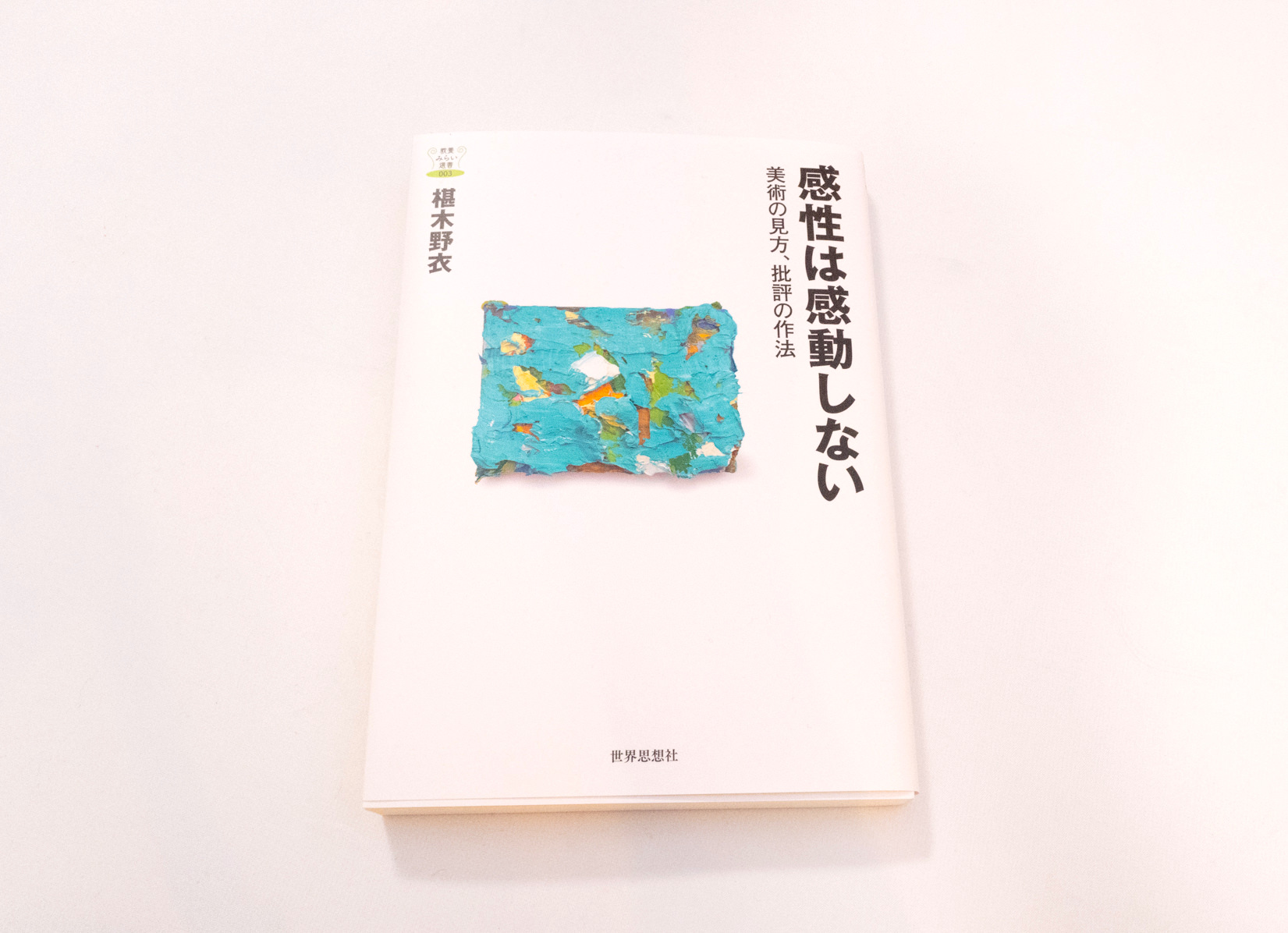
“Kansei wa Kandō Shinai — How to Look at Art, the Craft of Criticism” (published by Sekaishisosha)Noi Sawaragi, whose dense prose gives most of his books a reputation for being hard to read, has published his first essay collection: “Kansei wa Kandō Shinai.”
It gathers essays including “Kansei wa Kandō Shinai” (Sekaishiso No. 39, 2012), which has even appeared on university entrance exams. Unusually for the author, gentle, plain writing runs throughout.
It is broadly in three parts: Part 1 on “how to look at artworks,” Part 2 on “the craft of criticism,” and Part 3 on “the author’s own life.”
Ⅰ
How to Look at and Savor Paintings
What struck me most was Chapter 1, on how to look at art. Seeing (feeling) a work as a “mass” is something I’m mindful of day to day, so I related to it strongly. There is much to relate to in his descriptions of how to view works in a museum, and his image as a difficult, hair-splitting critic collapses — in the best sense — which is a delight. Since he writes, “If something catches your eye, don’t fuss over the small details; swallow it whole, stray thoughts and all,” it’s fine to face a work without stiffening up.
Precisely because he uses plain words, it would be a waste to breeze through without thinking deeply about their meaning. The content is richly suggestive, so if you read it savoring each part, every reader will find passages that leave a strong, personal impression.
Ⅱ
How to Read Books, How to Write Criticism
He asserts that “reading is necessary” when you set out to think through the strong impression a work of art has made on you.
From one’s attitude toward reading and how to choose books to how to write criticism, it is all set down in an essayistic style. He introduces recommended books while also touching on things like how we use our smartphones — which makes for interesting reading.
Ⅲ
The Memories and Daily Life at the Root of Criticism
The final chapter gathers episodes ranging from Noi Sawaragi’s childhood memories and stories about his own children to how he chooses a seat on an airplane. The role of this chapter is, perhaps, to show that when we face art, our “sense of self / identity” comes into play as a major factor.
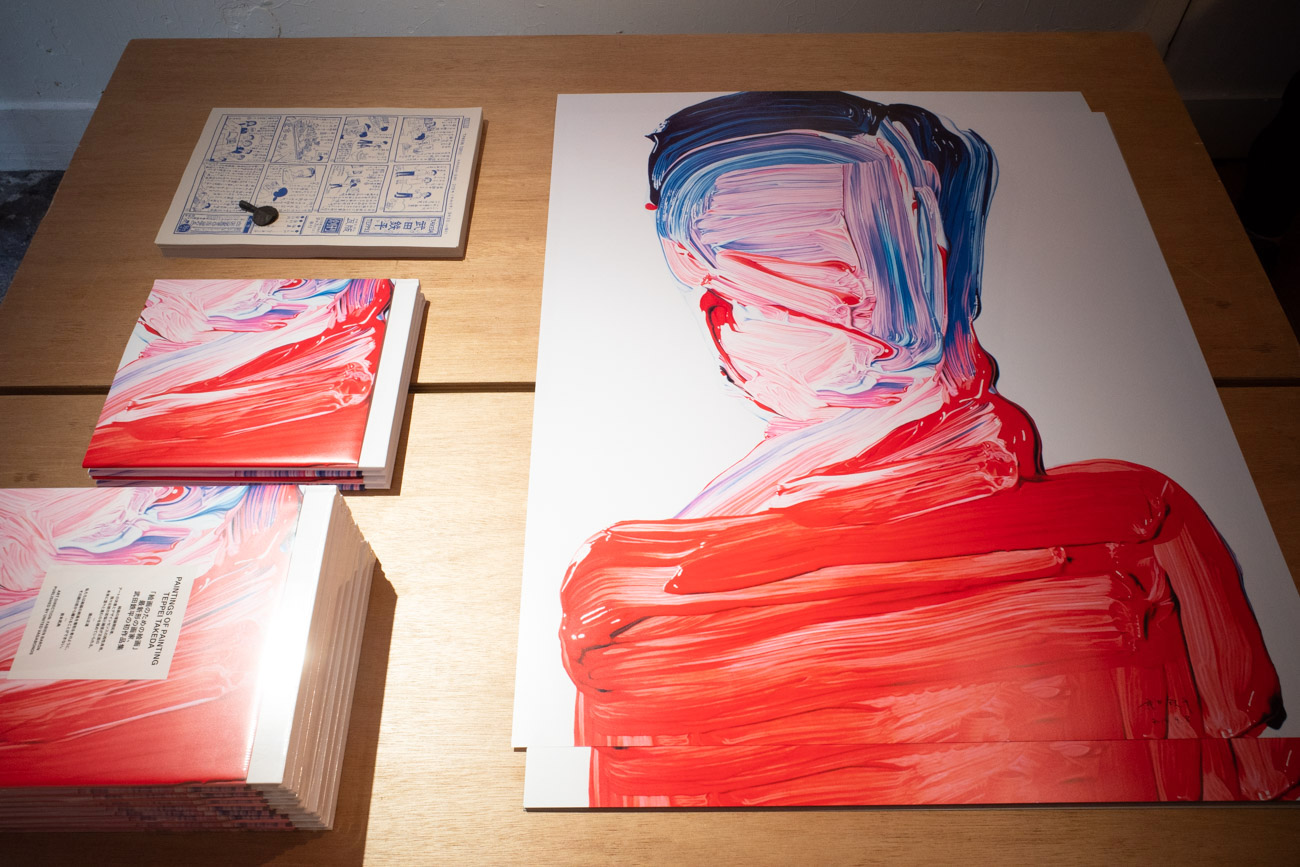
Incidentally, the artwork used on the cover is byDaisuke Takahashi — his piece “Untitled .”
The text makes no mention of this work, yet it is exactly the kind of “mass” Sawaragi describes, and it feels almost like a question posed to us readers: “How will you look at this work?”
「감성은 감동하지 않는다 ― 미술을 보는 법, 비평의 작법」 세카이시소샤 간행난해한 문장으로 대부분의 저서가 읽기 어렵다는 인상을 주던 사와라기 노이가 첫 에세이집을 냈습니다. 「감성은 감동하지 않는다」입니다.
여러 대학의 입시 문제에도 출제된 「감성은 감동하지 않는다」(《세카이시소》 39호, 2012년)를 포함한 에세이로, 저자로서는 드물게 전편에 걸쳐 부드럽고 평이한 문장이 이어집니다.
크게 3부 구성으로, 제1부는 「미술 작품을 보는 법」, 제2부는 「비평의 작법」, 제3부는 「저자 자신의 인생」에 대해 쓰여 있습니다.
Ⅰ
그림을 보는 법, 음미하는 법
가장 인상적이었던 것은 제1장의 미술을 보는 법에 관한 내용이었습니다. 작품을 「덩어리」로 보는(느끼는) 것은 평소 의식하던 점이라 크게 공감했습니다. 미술관에서의 감상법에 관한 서술에도 공감되는 부분이 많아, 사와라기의 다소 어려운 비평가 이미지가 좋은 의미로 무너져 반가워집니다. 「신경이 쓰이면 자잘한 것은 생각하지 말고 잡념까지 통째로 삼켜 버린다」고 하니, 어깨에 힘을 빼고 작품과 마주하면 되는 것이지요.
평이한 말을 쓰기에 오히려 그 의미를 깊이 생각하지 않고 슥 읽어 버리면 아깝습니다. 매우 시사적인 내용이라 하나하나 음미하며 읽으면 사람마다 다른 부분에서 강하게 인상에 남는 문장을 발견하게 될 것입니다.
Ⅱ
책을 읽는 법, 비평을 쓰는 법
미술을 보고 받은 강한 인상을 사유할 때 「독서가 필요하다」고 단언합니다.
독서를 대하는 자세와 책 고르기부터 비평을 쓰는 법까지 에세이 풍으로 서술되어 있습니다. 추천 도서를 소개하면서 스마트폰 사용법 등에도 언급하고 있어 흥미롭습니다.
Ⅲ
비평의 뿌리가 되는 기억과 생활
마지막 장은 사와라기 노이의 어린 시절 기억, 자신의 아이 이야기부터 비행기 좌석 잡는 법까지 에피소드를 소개하며 정리하고 있습니다. 이 장의 역할은 미술과 마주할 때 「자기 정체성」이 큰 요소로 작용한다는 것을 보여 주려는 것이겠지요.