The Shosoin and Horyuji: The Culture of the Ancient World Cherished by the Imperial Family
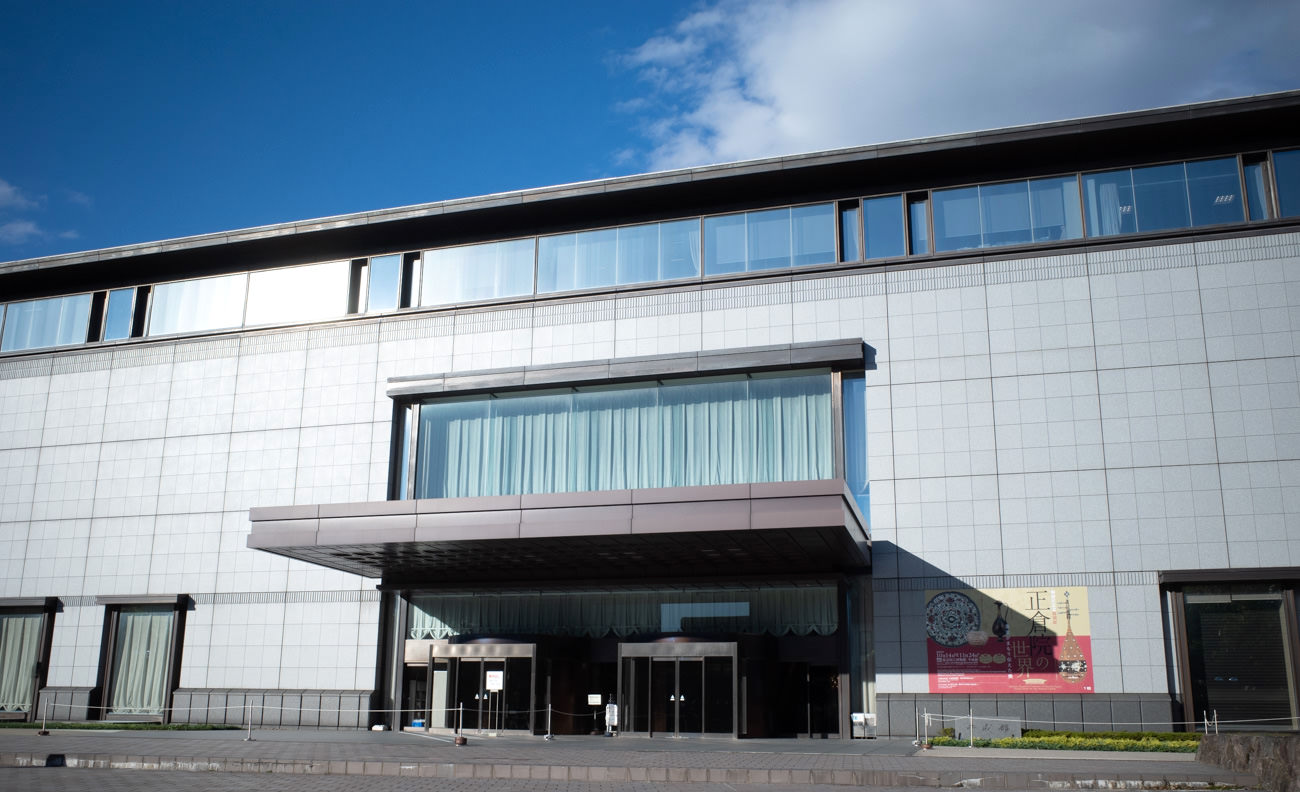
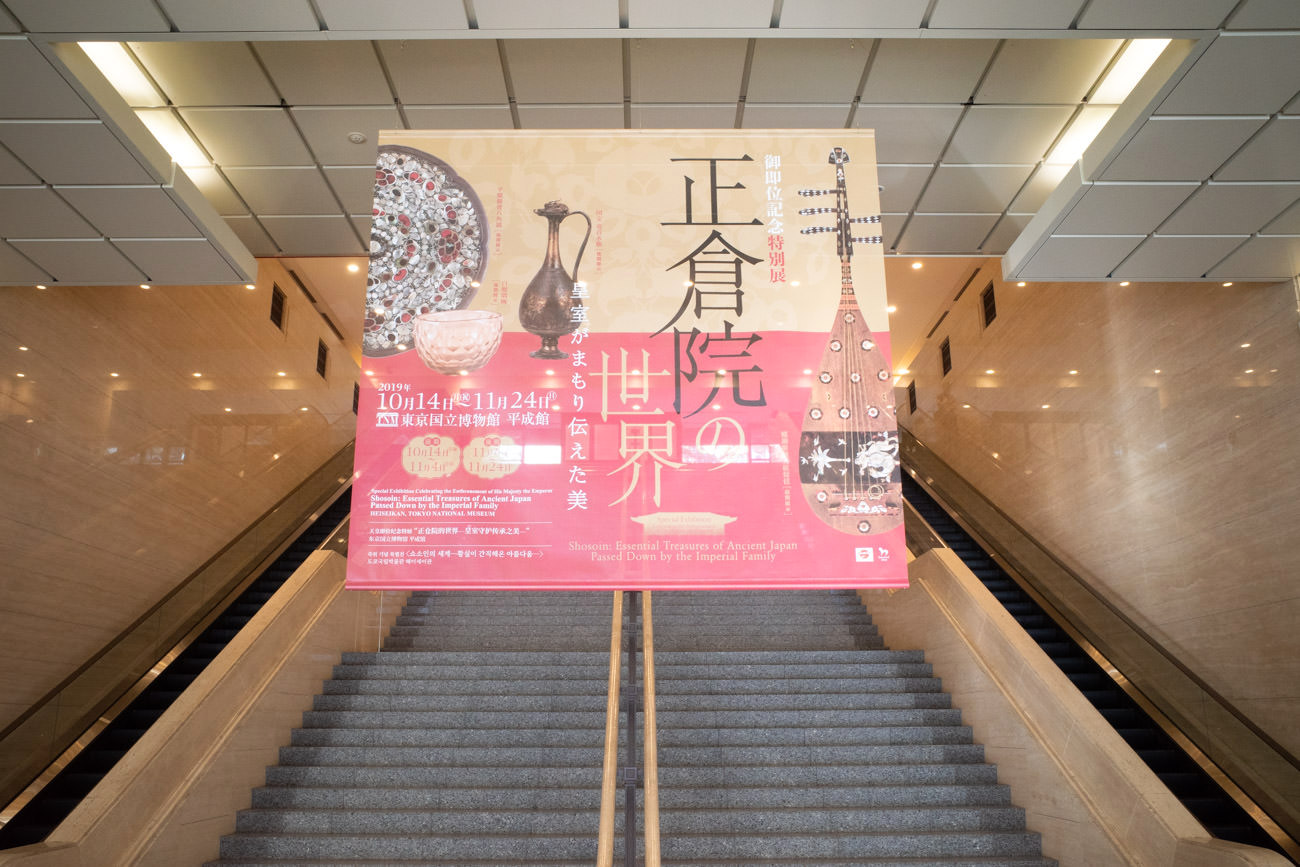
Commemorating His Majesty the Emperor’s enthronement, we visited the special exhibition “The Shosoin and Horyuji: The Culture of the Ancient World Cherished by the Imperial Family,” which focuses on the internationally rich visual culture of the Asuka and Nara periods, centered on the treasures of the Shosoin. The venue is the Heiseikan of Tokyo National Museum.
Heiseikan, Tokyo National Museum
This exhibition is a rare occasion in which the treasures of the Shosoin and the treasures donated to Horyuji Temple, both representative cultural properties of Japan, are gathered together in one place.
“The Shosoin and Horyuji: The Culture of the Ancient World Cherished by the Imperial Family”
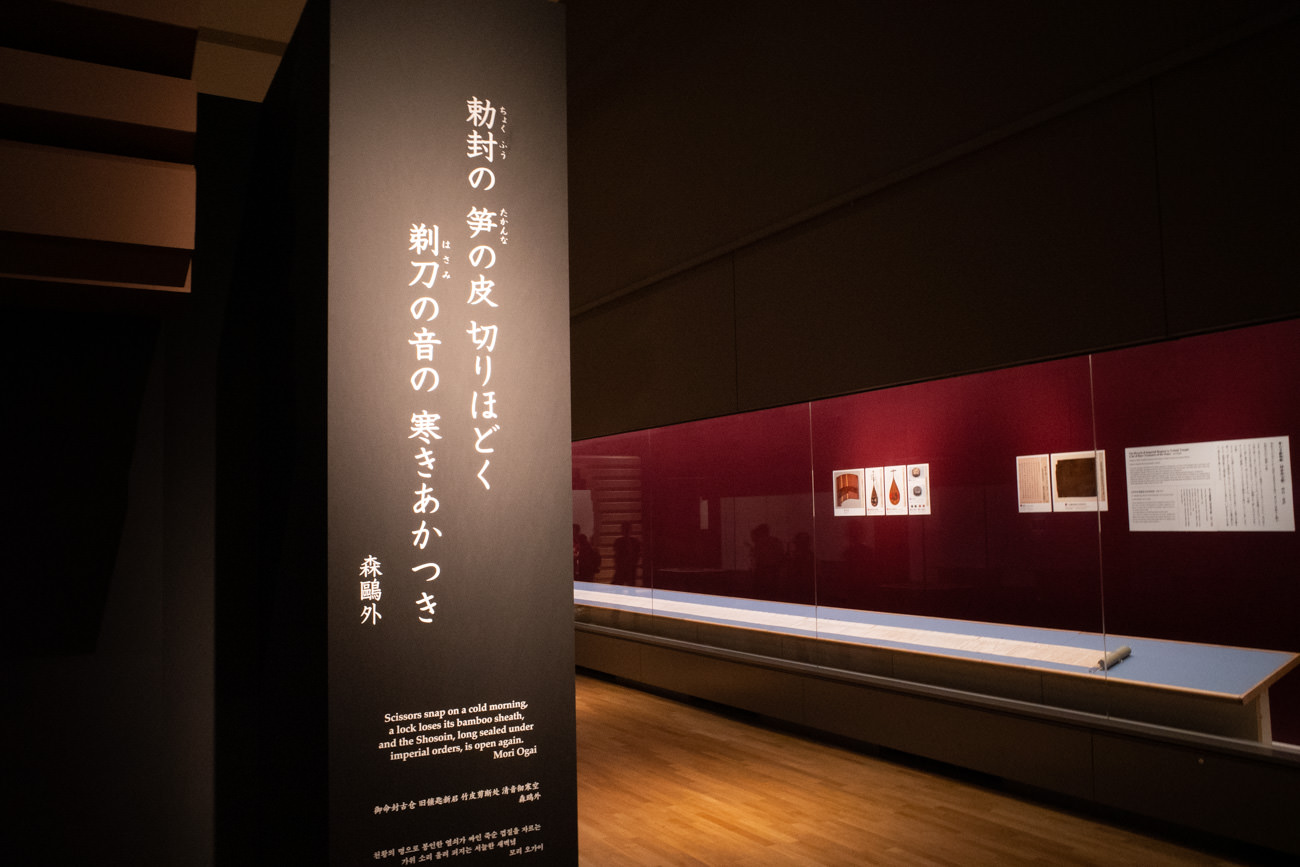
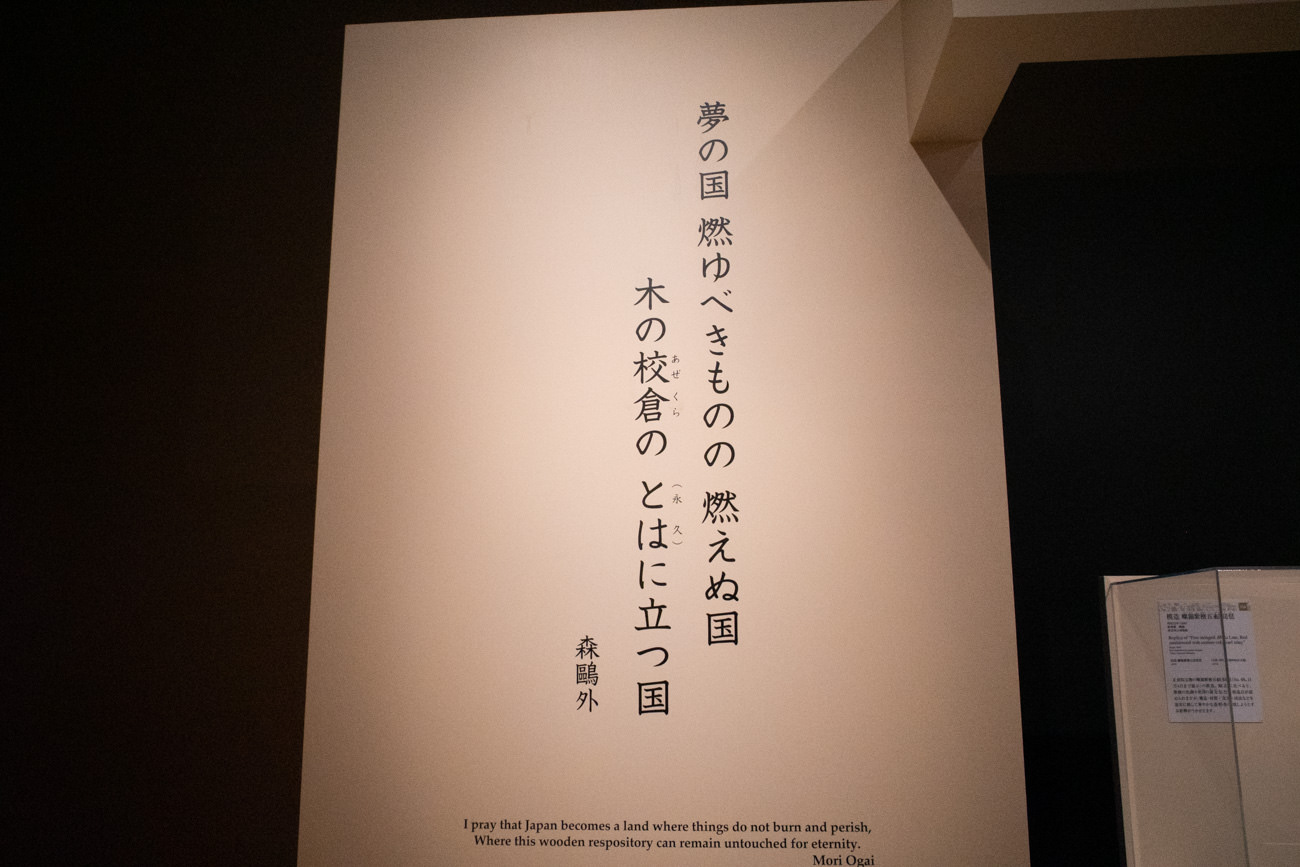
Passing through the entrance, a verse by Mori Ogai, known from the “Fifty Poems of Nara,” is displayed prominently, opening the curtain on the exhibition.
The chilly dawn — the sound of scissors cutting through the bamboo-sheath wrapping of the imperial seal. — Mori Ogai
Exhibition Structure
This exhibition is organized around six themes.
Chapter 1: “Treasures Associated with Emperor Shomu and Empress Komyo”
On the 21st day of the 6th month of the 8th year of Tempyo-shoho (756), the forty-ninth day after Emperor Shomu’s passing, Empress Komyo dedicated more than six hundred treasures, including items cherished by the late emperor, to the Great Buddha (Vairocana) of Todaiji Temple, praying that the emperor might dwell peacefully in the world of Vairocana Buddha, the “Jeweled Temple of the Lotus Treasury.”
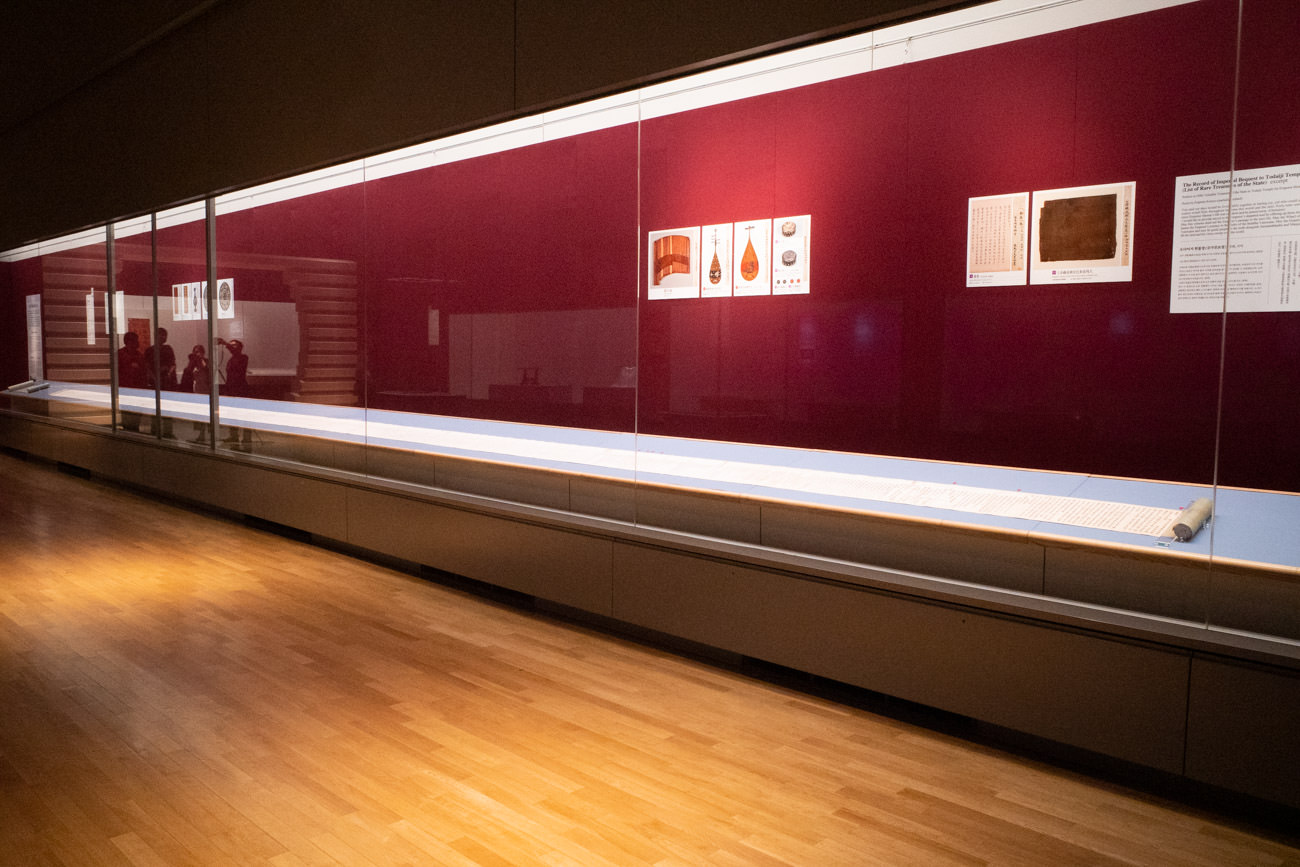
This chapter introduces treasures associated with Emperor Shomu and Empress Komyo, centered on the objects recorded in the “Register of Rare National Treasures” (Kokka Chinpo Cho), the inventory prepared on that occasion.
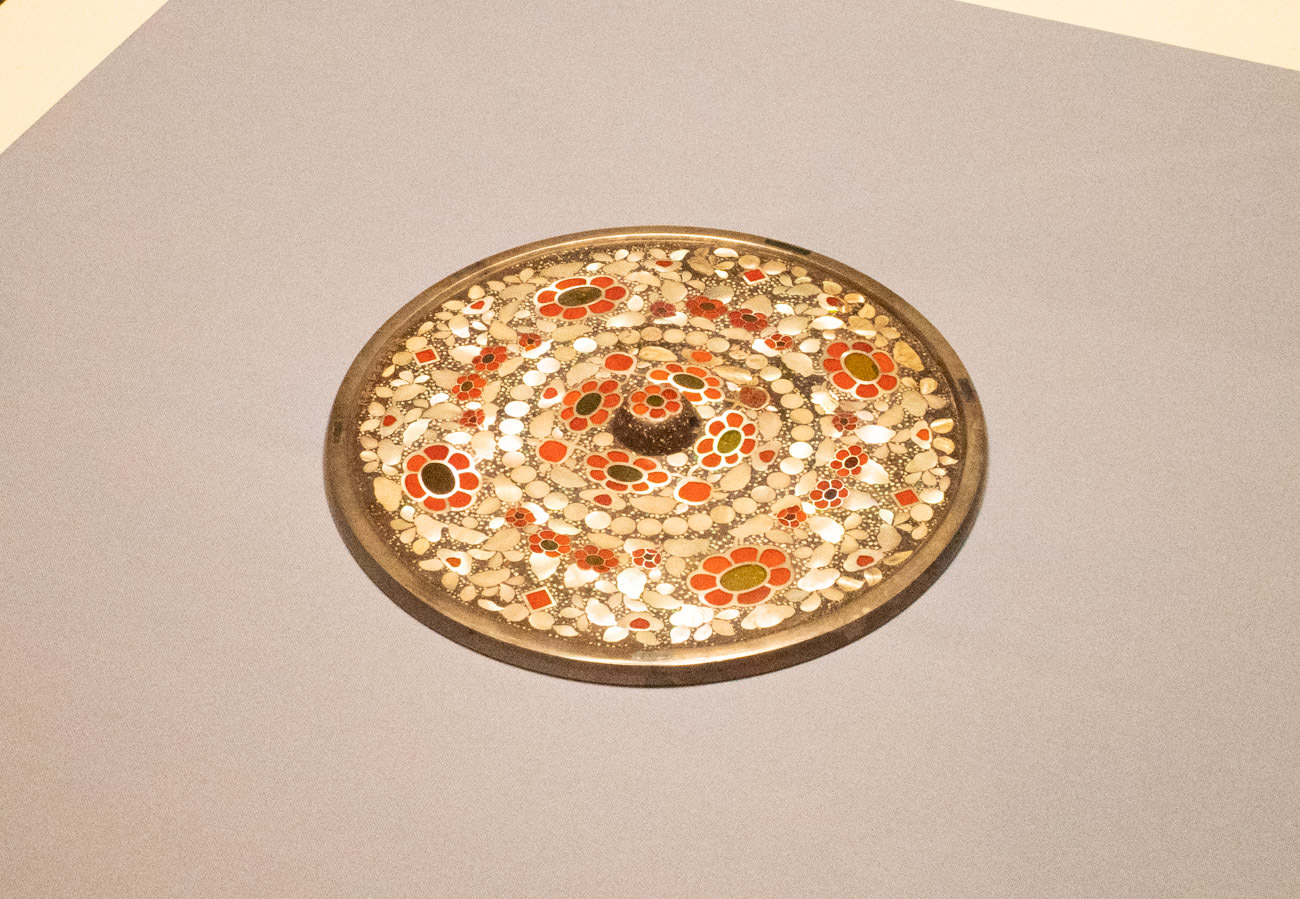
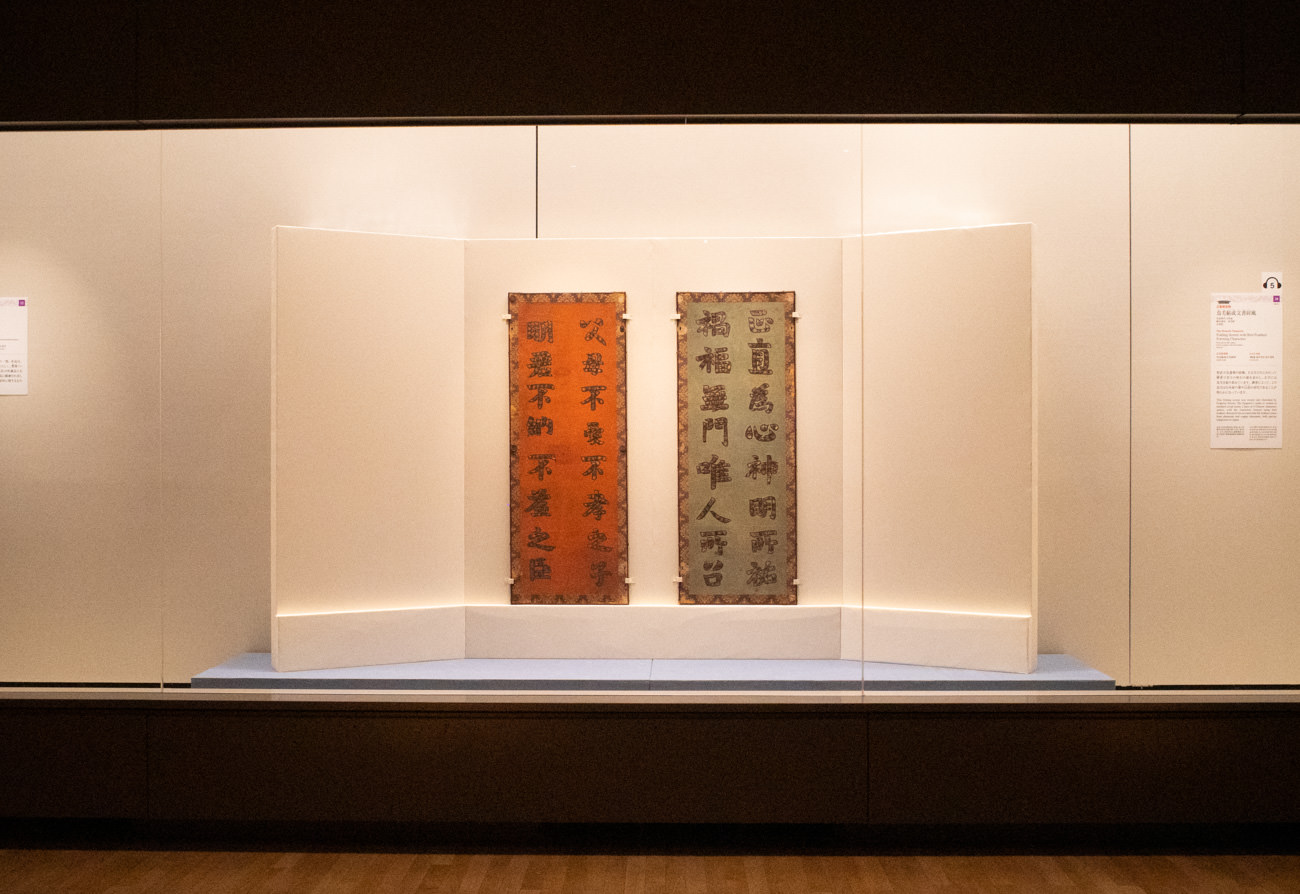
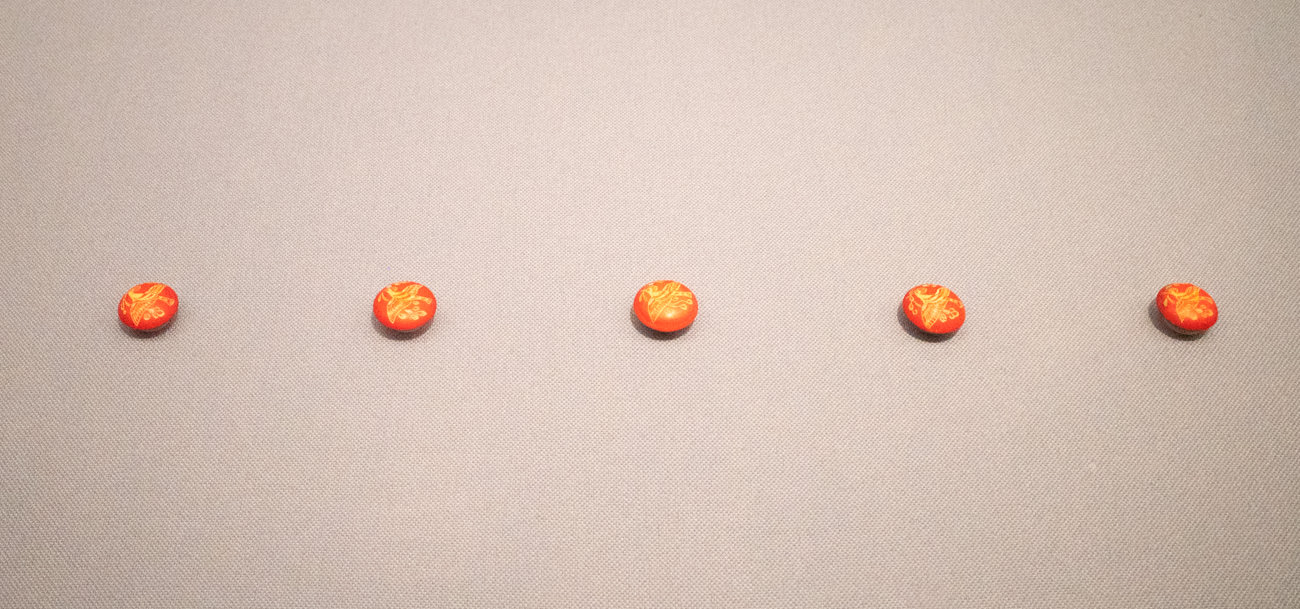
The Shosoin treasure “Register of Objects Donated to Todaiji Temple (Register of Rare National Treasures),” approximately 15 meters long, Shosoin [first-half display]The Shosoin treasure “Round Mirror with Mother-of-Pearl Inlay on the Back,” Shosoin [first-half display]The Shosoin treasure “Folding Screen with Bird-Feather Calligraphy,” Shosoin [first-half display]The Shosoin treasure “Go Stones with Engraved Ivory Dyed Red,” Shosoin [display rotation]
Chapter 2: “The Splendor of Textile Art”
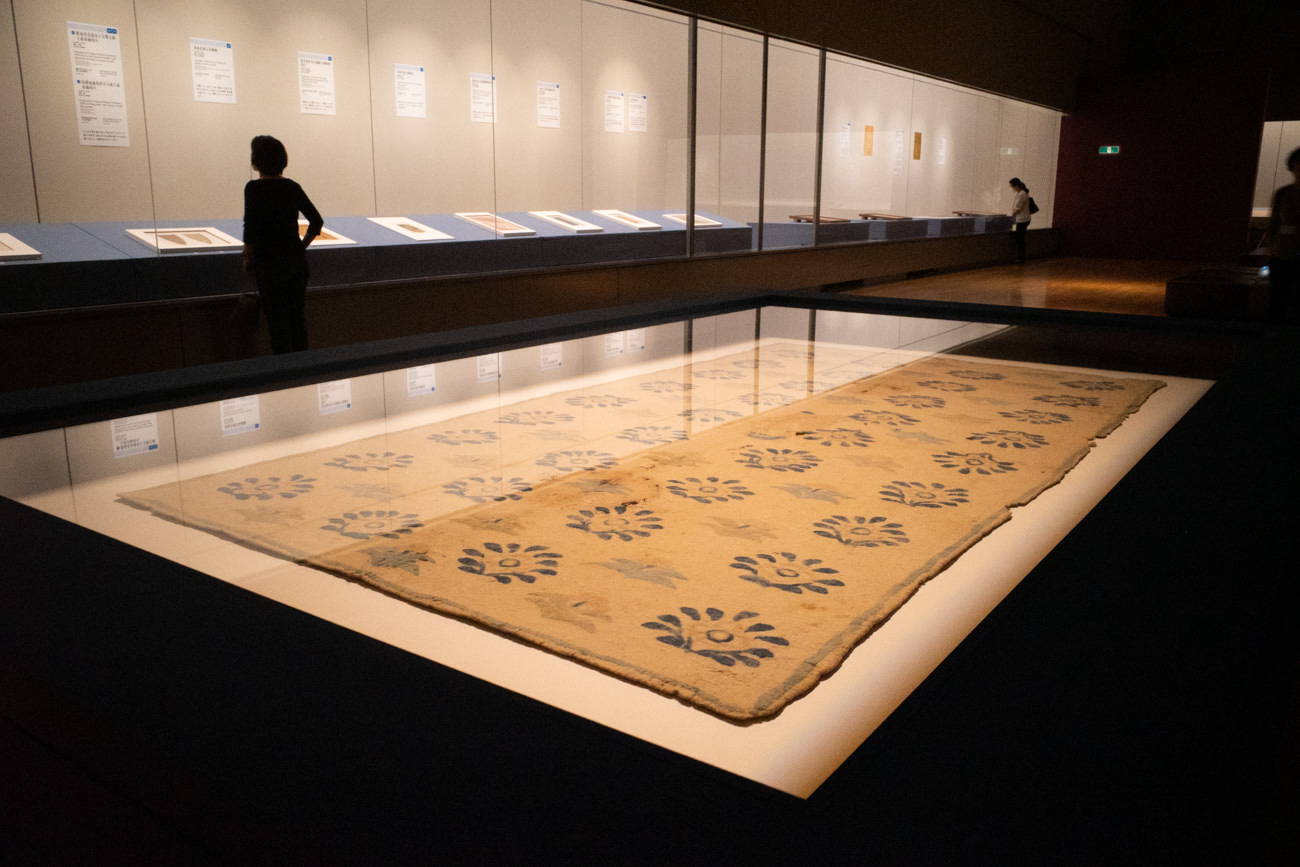
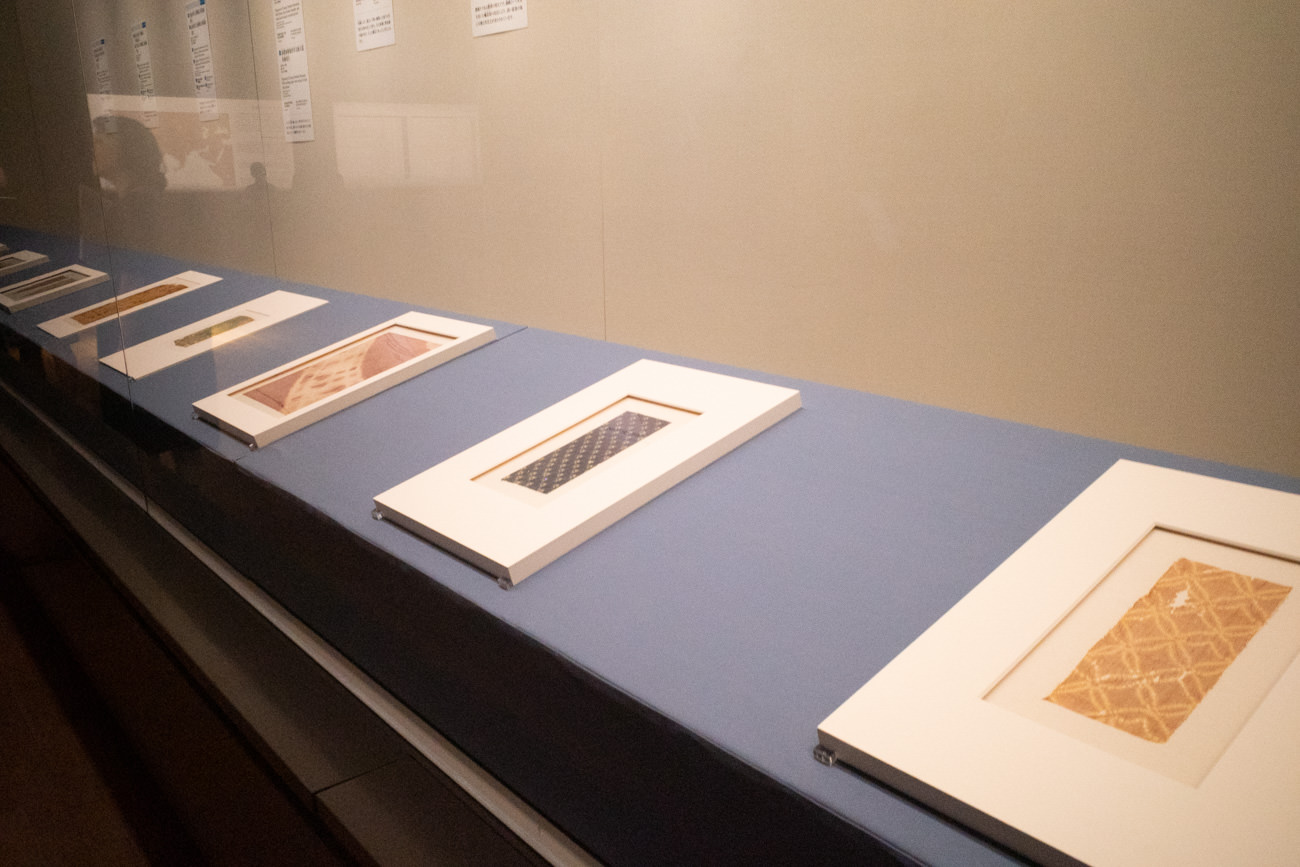
The textiles of the Shosoin, along with those among the treasures donated to Horyuji Temple, are known as the world’s oldest transmitted examples.
For the eye-opening ceremony of the Great Buddha at Todaiji and the first-anniversary memorial service for Emperor Shomu, large numbers of banners, canopies, and cushions were required, and after the ceremonies they were dedicated to Todaiji, where they have been transmitted to the present as Shosoin treasures.
In this chapter, the representative works of the Shosoin are brought together. Enjoy the splendid world of textile art that colored the Tempyo culture.
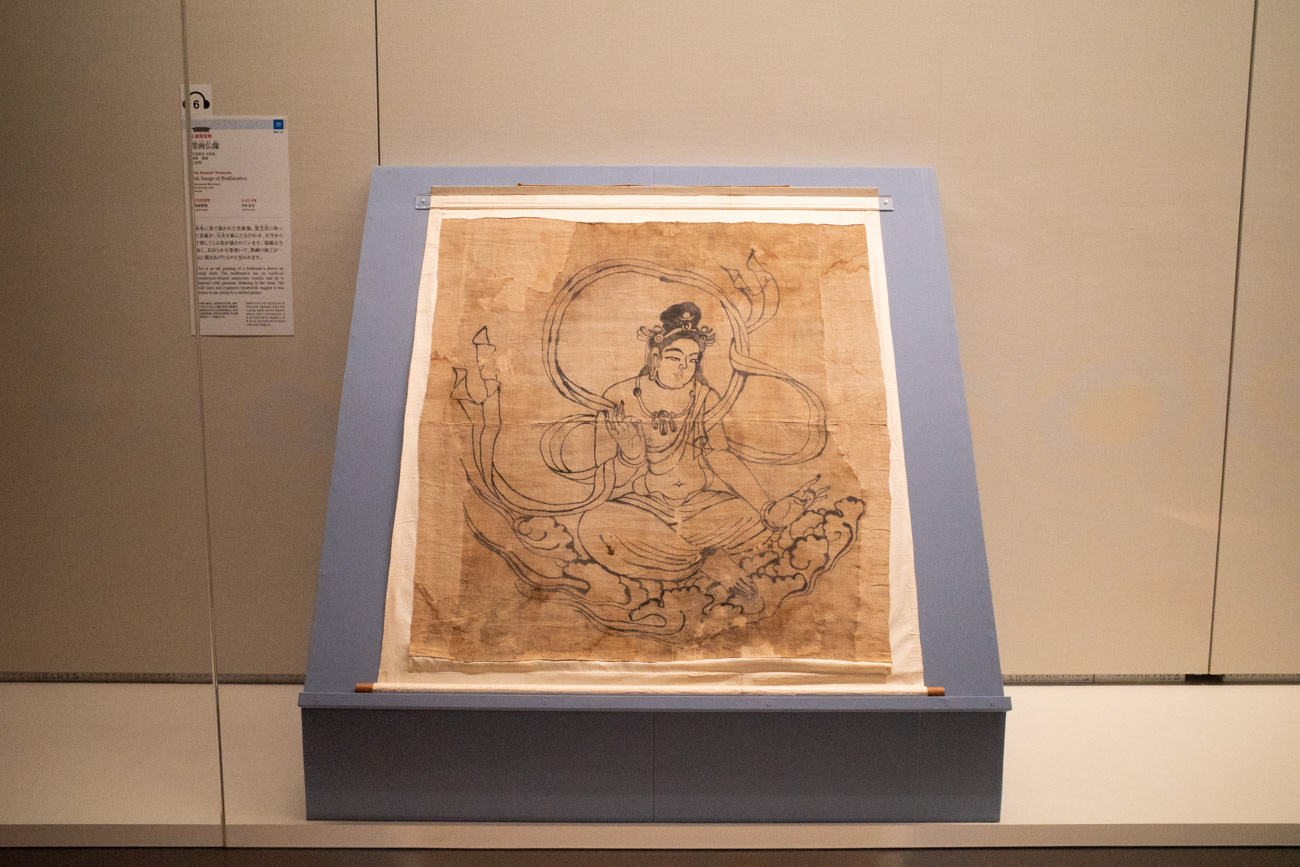
The Shosoin treasure “Ink Painting of a Buddhist Image,” Shosoin [first-half display]The Shosoin treasure “Felt Rug with Floral Design,” Shosoin [first-half display]Installation view
Chapter 3: “The World of Famous Fragrances”
In Buddhist rituals, precious incense is burned as an offering to the Buddha.
Ritual settings such as the eye-opening ceremony of the Great Buddha at Todaiji must have been filled with rich fragrance.
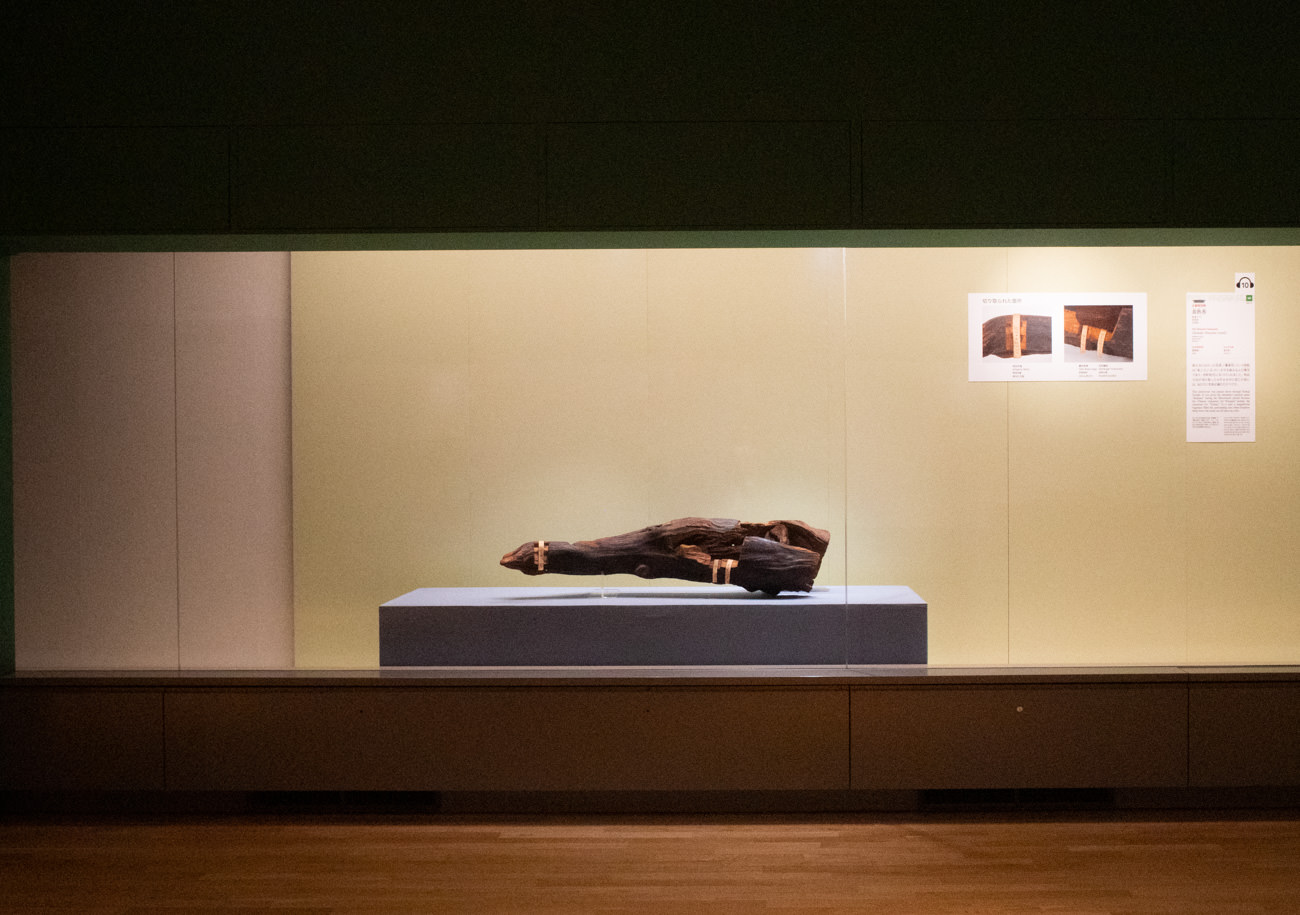
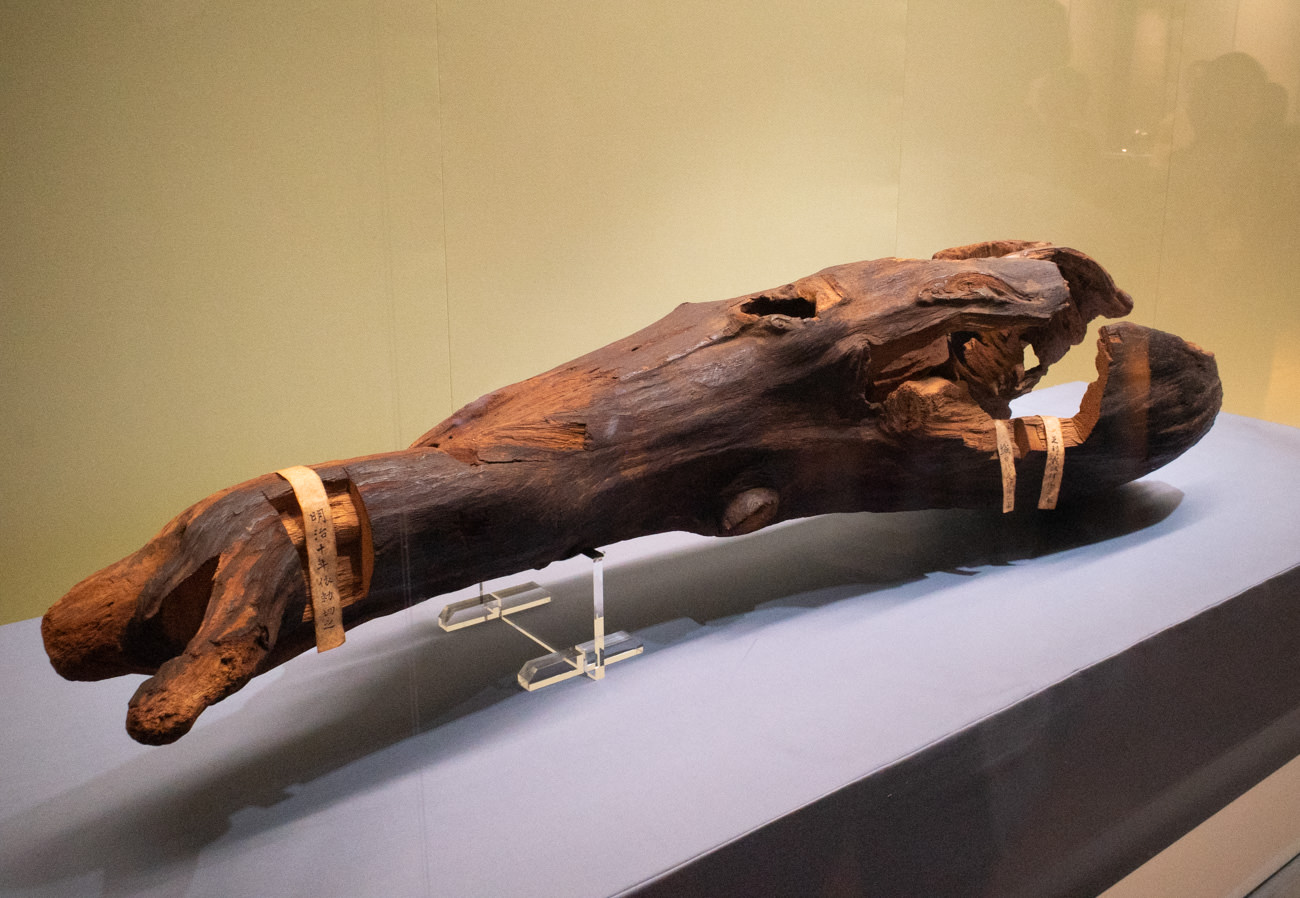
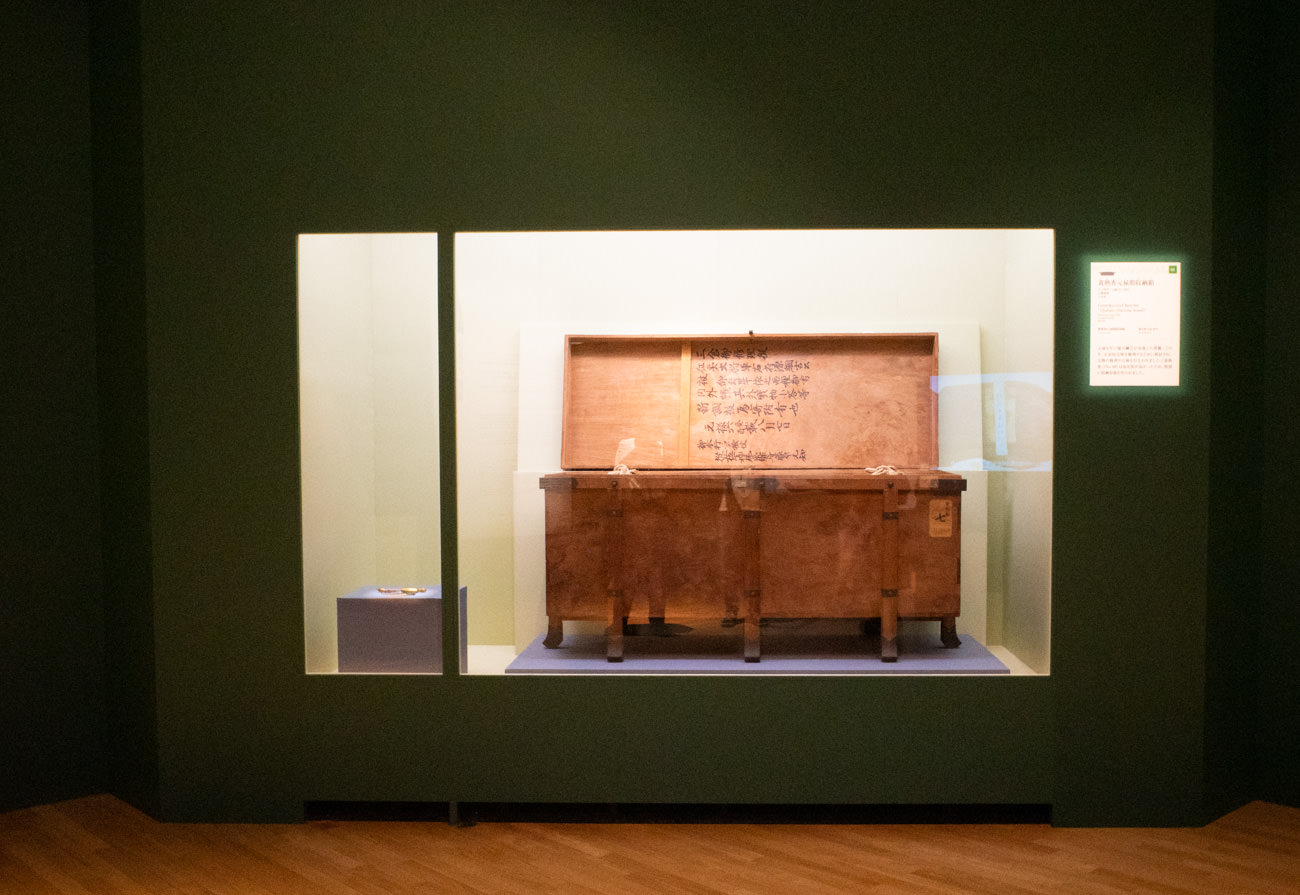
This chapter introduces fragrant woods, focusing on the Ojukuko — the representative fragrant wood of the Shosoin — as well as the aloeswood transmitted among the treasures donated to Horyuji Temple, along with implements such as incense burners and censers used for burning incense.
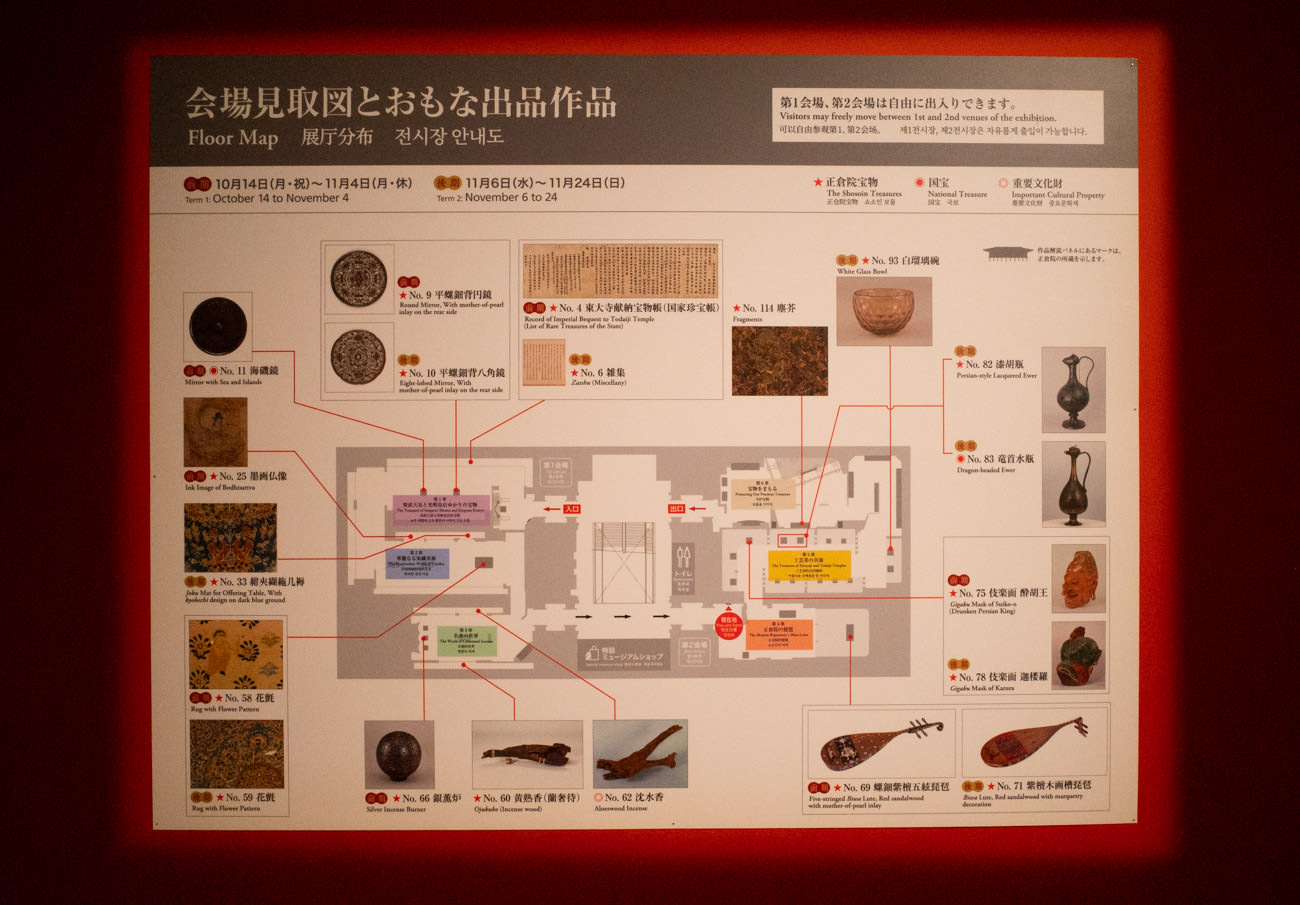
Installation viewThe Shosoin treasure “Ojukuko (Fragrant Wood),” Shosoin [full-run display]“Genroku-Era Storage Box for the Ojukuko,” Shosoin [full-run display]From left: Reproduction of “Silver Censer,” Office of the Shosoin Treasure House [full-run display]; the Shosoin treasure “Silver Censer,” Shosoin [first-half display]; the Shosoin treasure “White Stone Incense Burner,” Shosoin [first-half display]The floor plan inside the venue allows you to check the overall flow and structure.
Chapter 4: “The Biwa Lutes of the Shosoin”
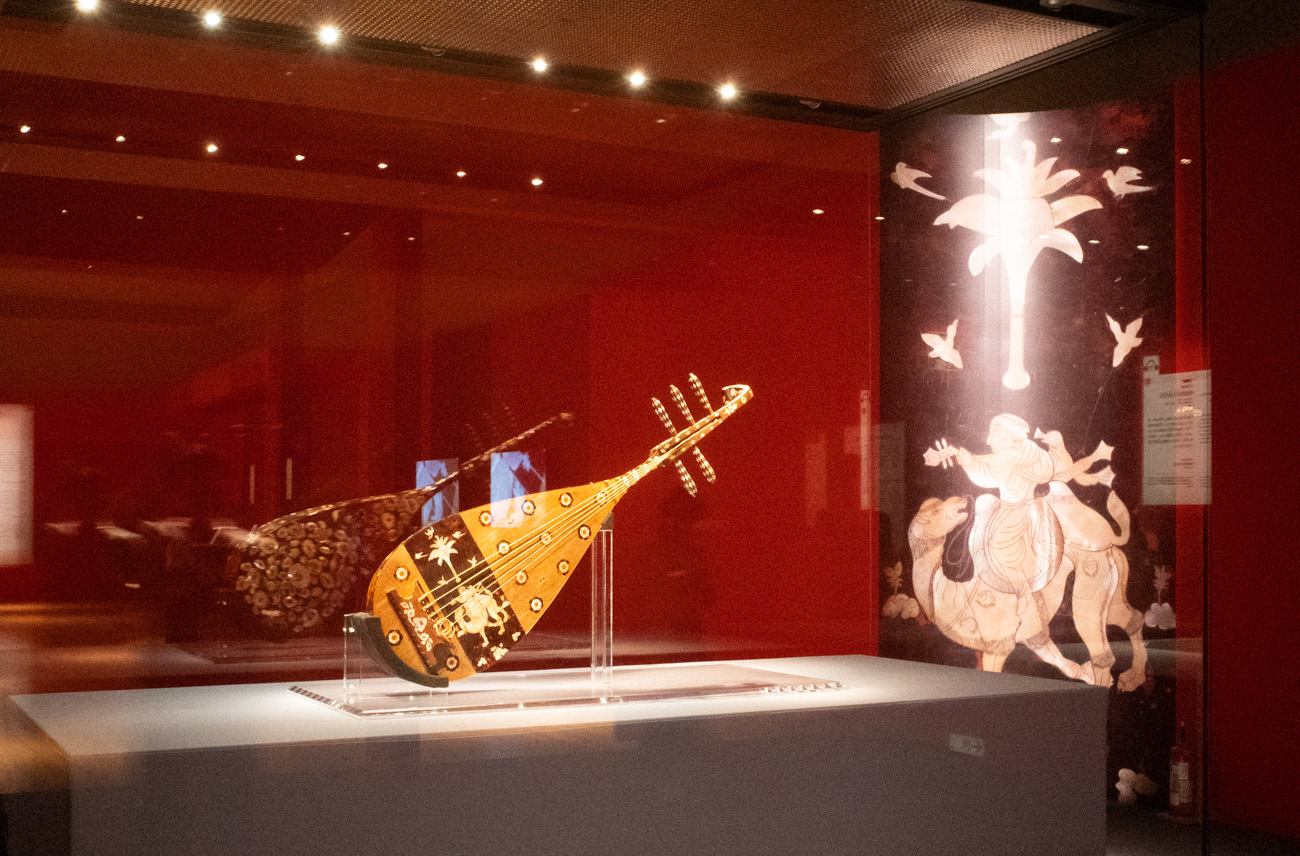
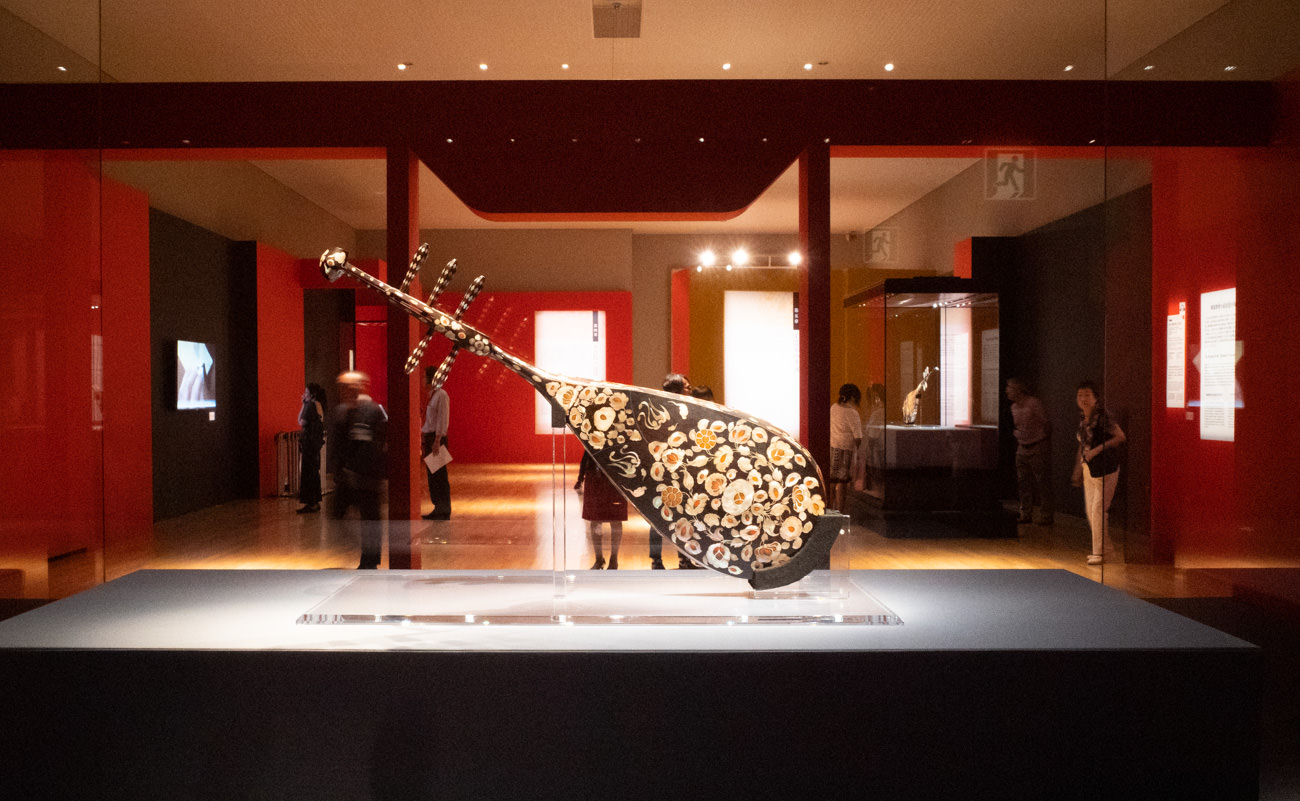
The Shosoin is also a treasure house of ancient musical instruments.
The fact that it has preserved instruments from ancient China and the Korean Peninsula that have already been lost in their places of origin is worthy of special mention in the history of world music.
Among them, the biwa lutes with their gorgeous decorations are especially famous.
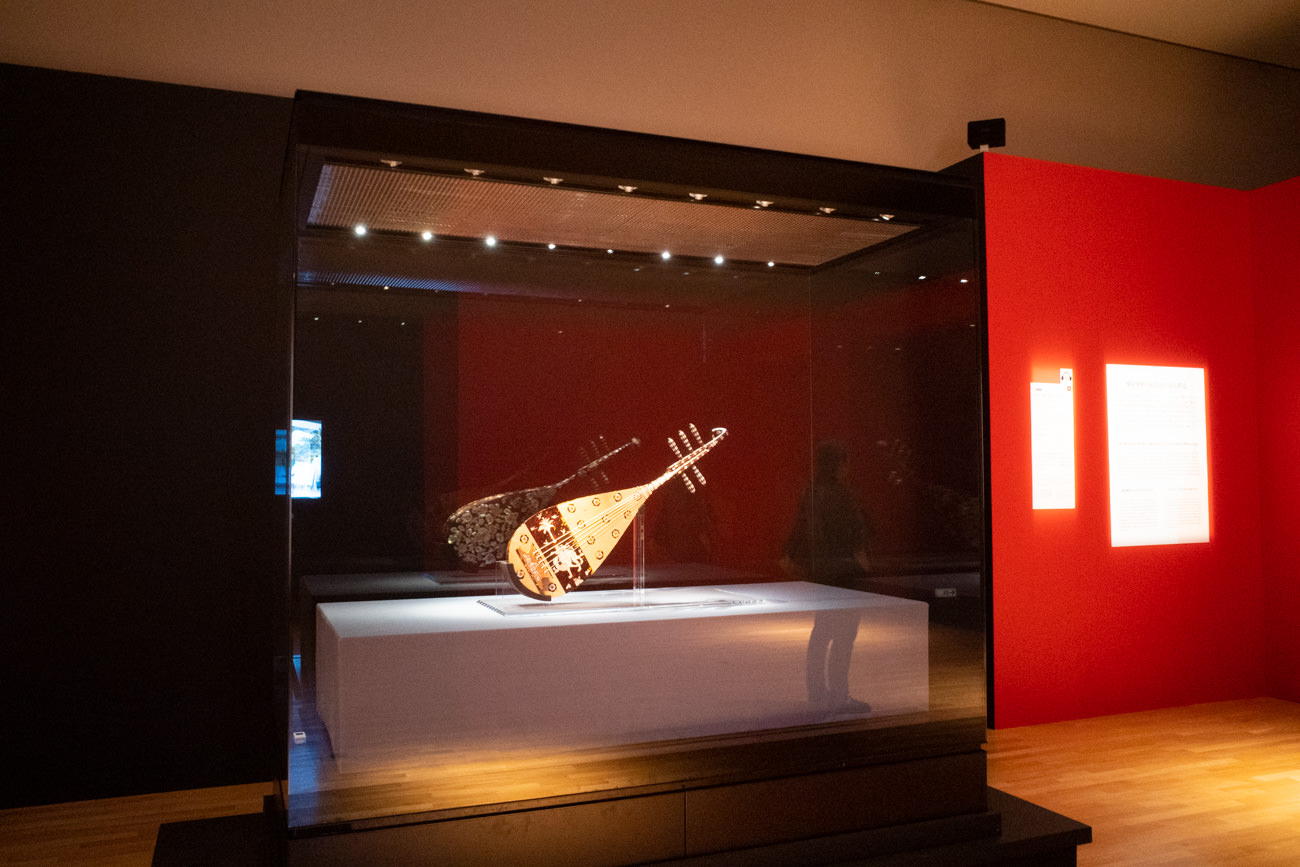
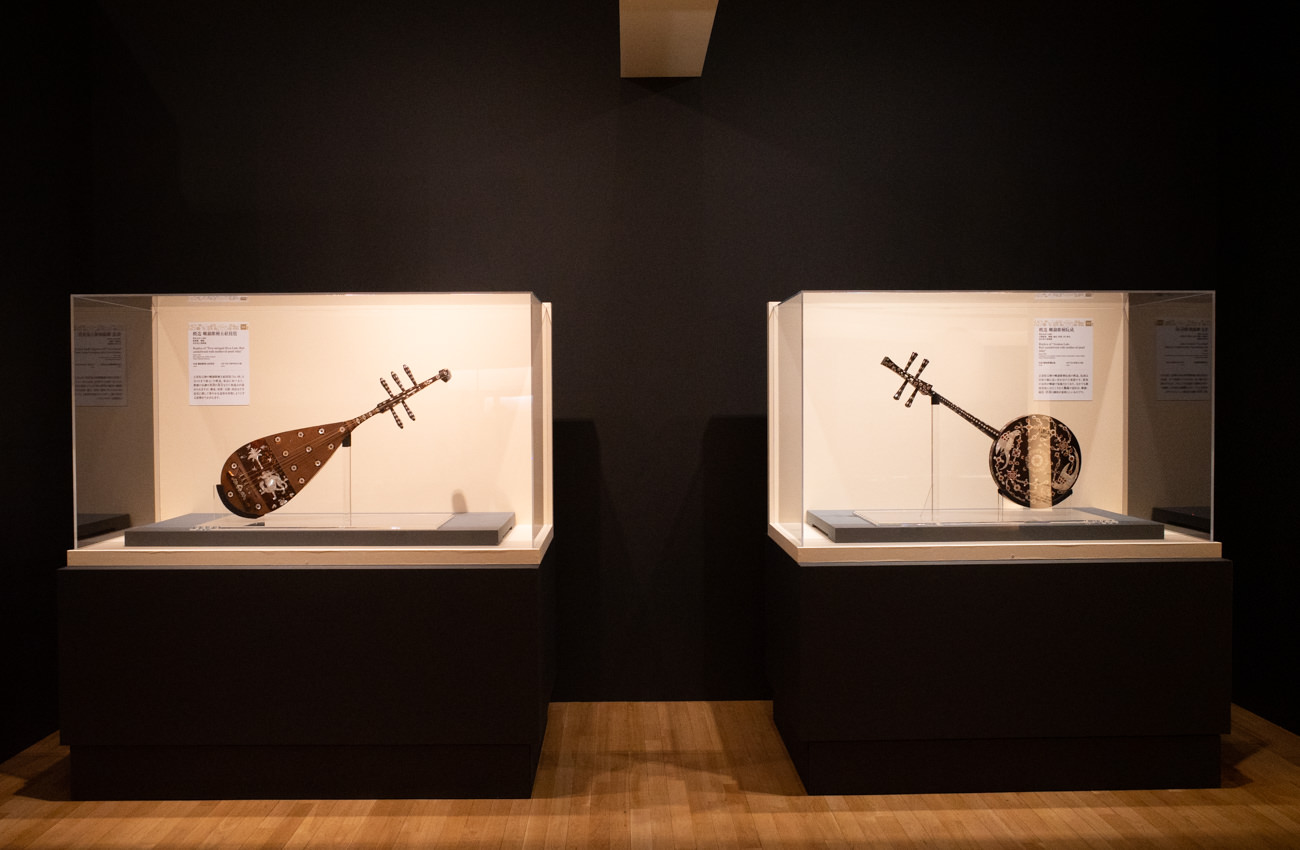
This chapter presents two biwa lutes representative of the Shosoin’s ancient instruments, along with the results of the reproduction project completed this year. Enjoy the ultimate beauty of form of what might be called instruments of a heavenly world.
Installation viewThe Shosoin treasure “Five-Stringed Biwa Lute of Red Sandalwood with Mother-of-Pearl Inlay,” Shosoin [first-half display]“Five-Stringed Biwa Lute of Red Sandalwood with Mother-of-Pearl Inlay” ※photographed from the reverse side
Chapter 5: “A Duet of Craft Beauty”
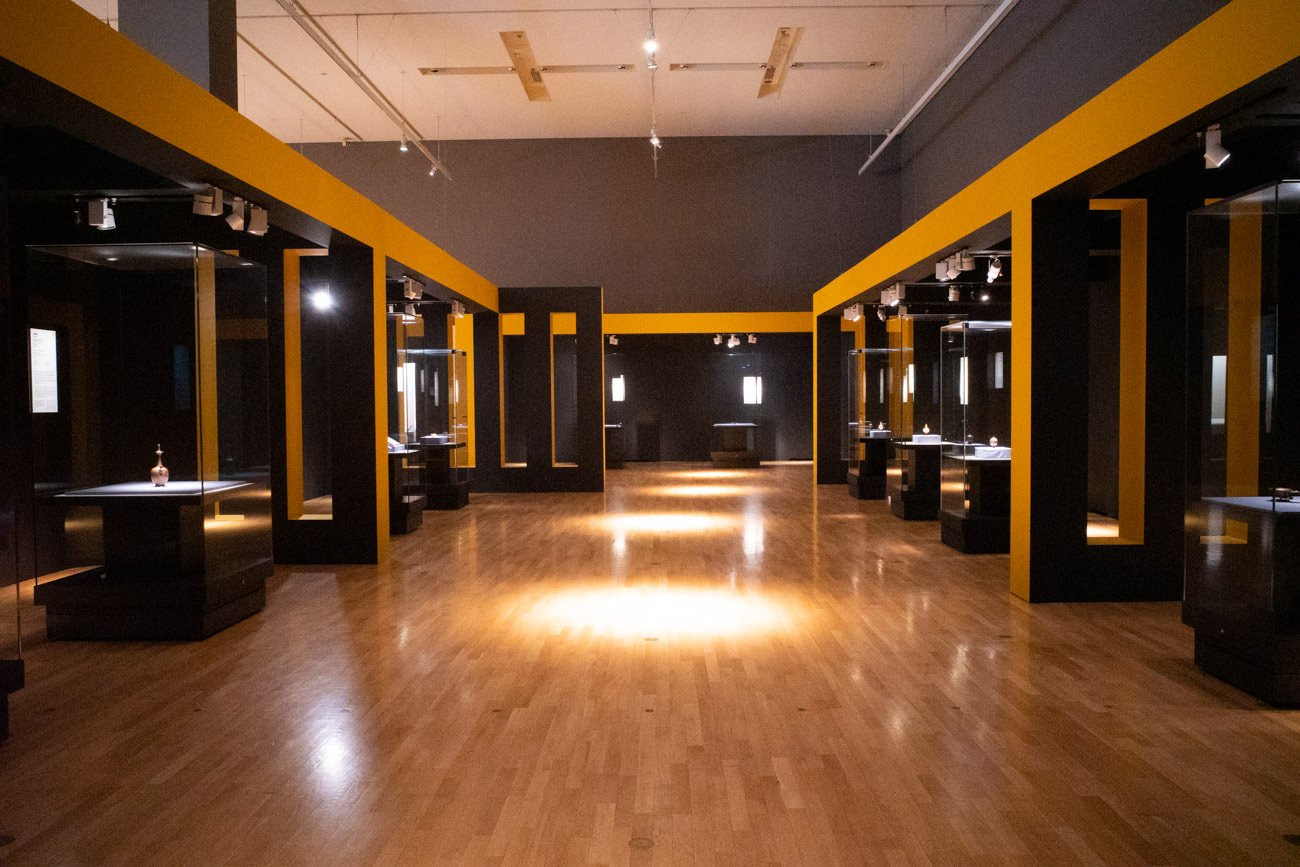
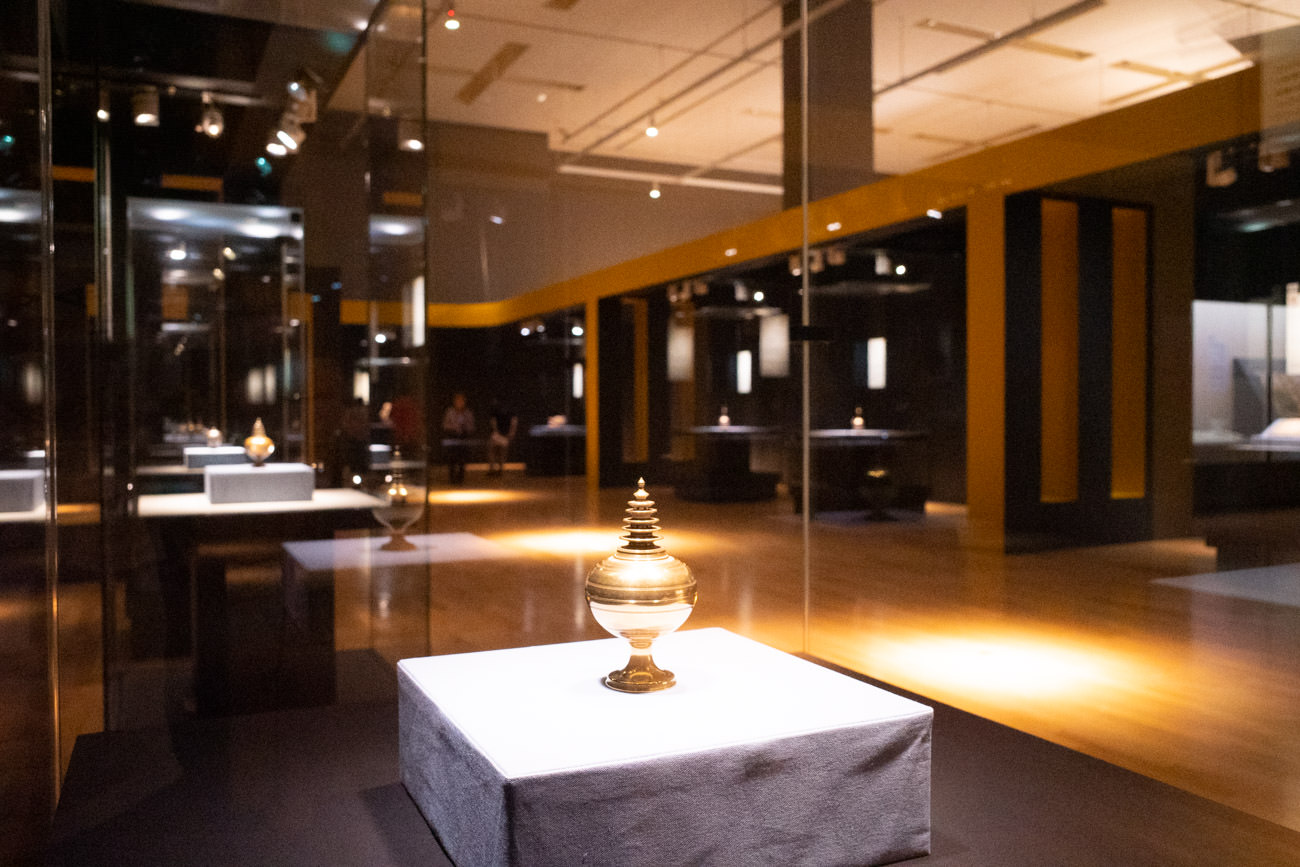
The treasures donated to Horyuji Temple, representing 7th-century Japanese art, and the Shosoin treasures, representing 8th-century Japanese art.
Although the treasures associated respectively with Prince Shotoku and Emperor Shomu span a considerable stretch of time, they include works made for the same purposes.
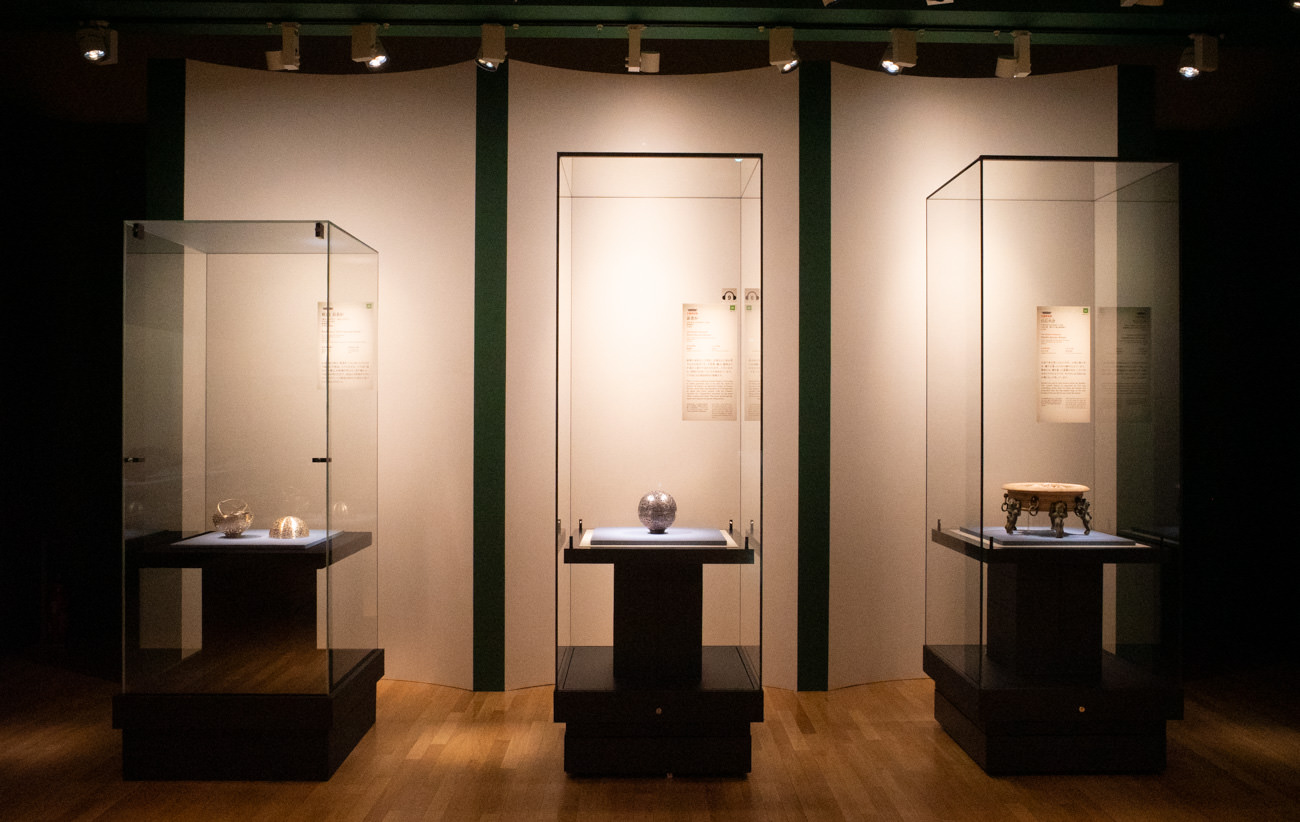
This chapter primarily displays the two collections side by side, examining how the forms of the works changed from the Asuka to the Nara period, and characterizing their aesthetic sensibilities.
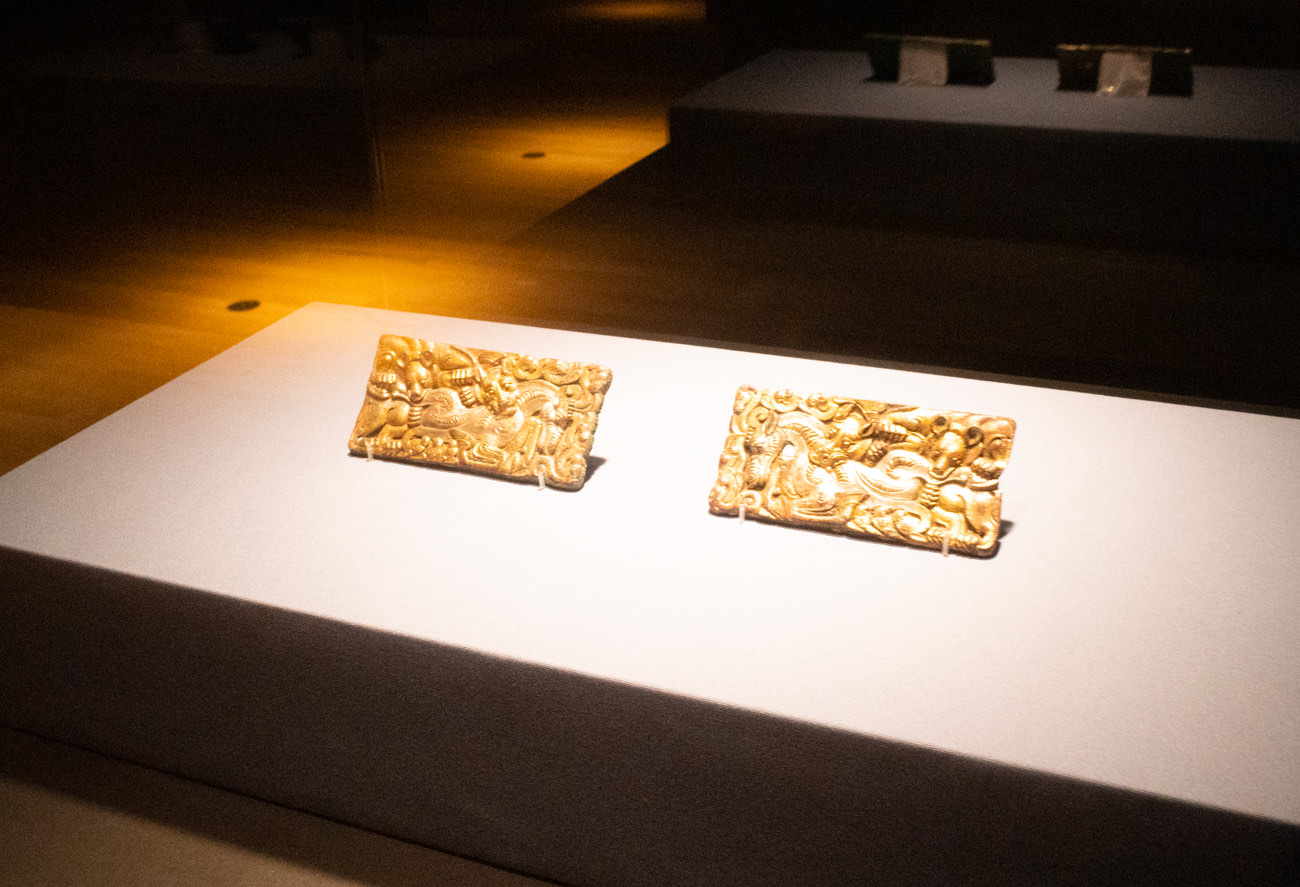
Installation viewForeground: the Shosoin treasure “Brass Lidded Vessel,” Shosoin [first-half display]“Belt Ornament with Animal Combat Motif,” Tokyo National Museum [full-run display]
Chapter 6: “Protecting the Treasures”
For more than 1,260 years, the Shosoin has transmitted its treasures.
That works made of fragile materials such as lacquerware and textiles have been preserved to the present day is by no means a matter of chance. Protected by successive imperial households and handed down from person to person — this is what gives them irreplaceable significance in world cultural history.
This chapter focuses on the survey and conservation work on the Shosoin treasures, which began in earnest in the Meiji era, and also introduces the ties between Tokyo National Museum and the Shosoin dating back to the era of the Imperial Museum.
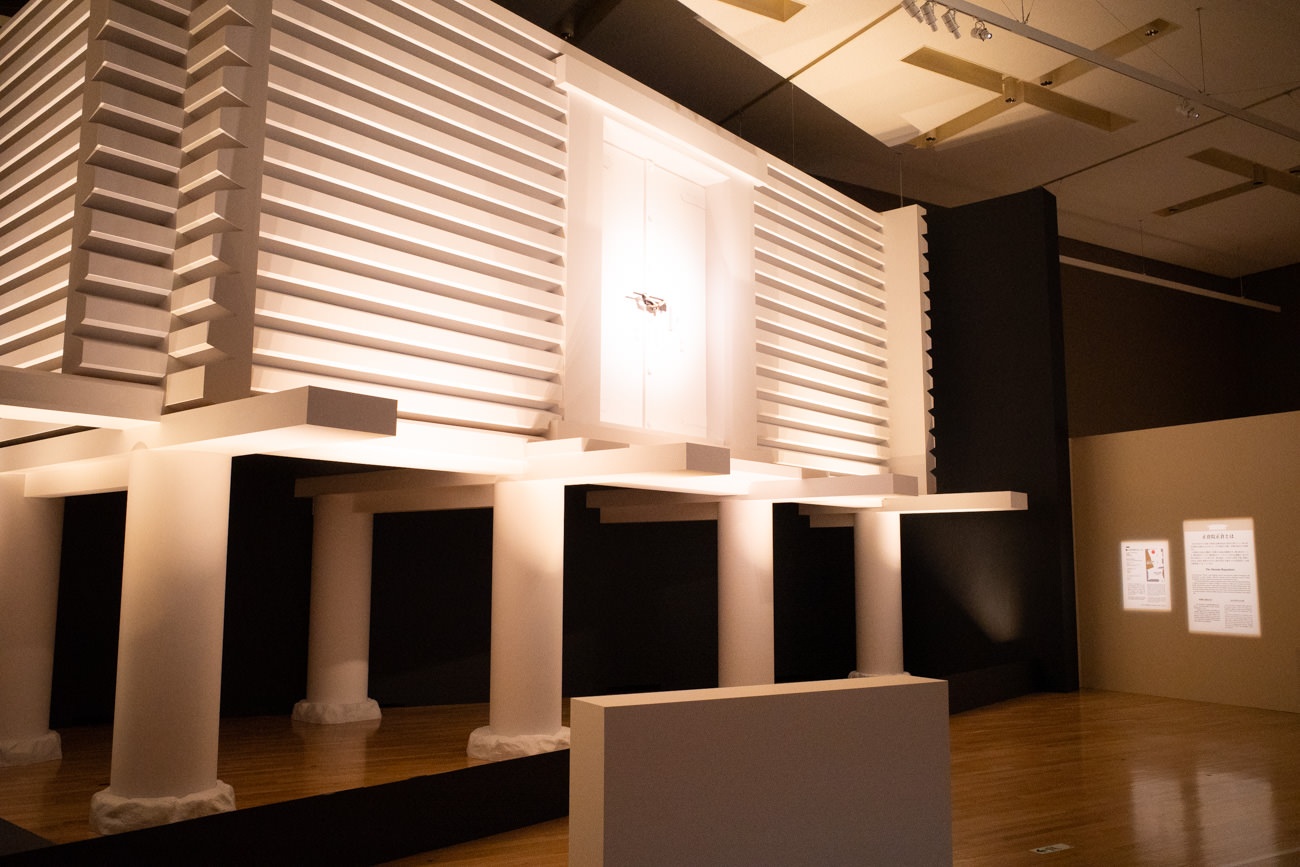
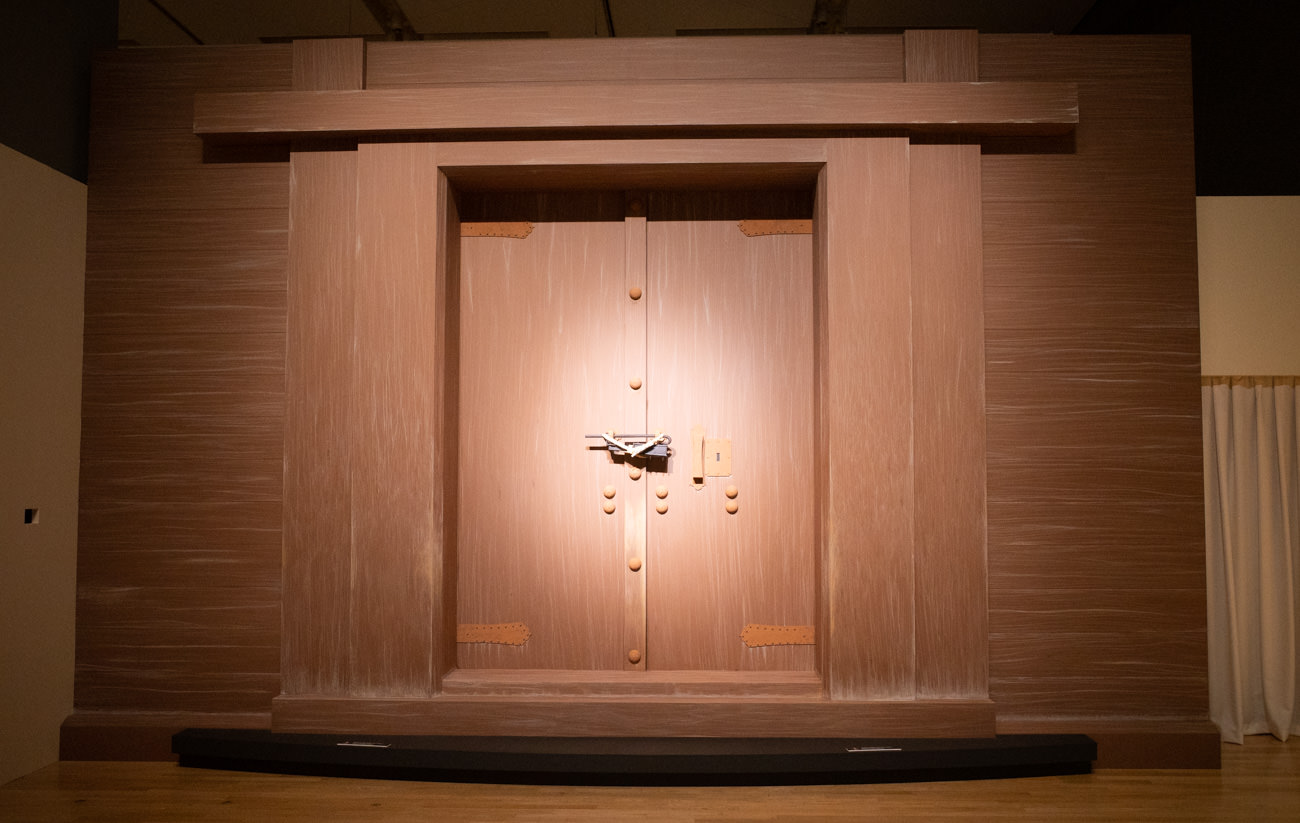
Left: Reproduction of “Five-Stringed Biwa Lute of Red Sandalwood with Mother-of-Pearl Inlay”; Right: Reproduction of “Ruan Xian Lute of Red Sandalwood with Mother-of-Pearl Inlay,” both Tokyo National Museum [full-run display]A portion of the treasure house reconstructed at full scaleThis area is a photography-permitted zone.
Near the exit, another verse by Mori Ogai closes the exhibition.
A land of dreams — a land where what should have burned did not, a land where the wooden azekura storehouse stands forever. — Mori Ogai
天平胜宝八年(756)六月二十一日,圣武天皇驾崩后的第四十九天,光明皇后为祈愿天皇早日安住于卢舍那佛的世界”华藏宝刹”,将天皇御遗爱之品等六百余件宝物献纳于东大寺大佛(卢舍那佛)。
本章以当时的目录”Register of Rare National Treasures”(国家珍宝帐)所记载的宝物为中心,介绍与圣武天皇和光明皇后有关的物品。
展示风景前景:正仓院宝物《黄铜合子》正仓院[前期展示]《动物斗争纹带饰板》Tokyo National Museum[通期展示]
第6章”守护宝物”
1260余年来一直传承宝物的正仓院。
漆艺品、染织品等由脆弱材料制成的作品能流传至今,绝非偶然。在历代皇室的保护下,由人传人守护传承——这正是它在世界文化史上具有不可替代意义的原因。
本章聚焦明治以后正式展开的正仓院宝物调查与修复工作,同时介绍自帝室博物馆时代以来Tokyo National Museum与正仓院的联系。
左:模造《螺钿紫檀五弦琵琶》 右:模造《螺钿紫檀阮咸》均为Tokyo National Museum[通期展示]按原尺寸复原的宝库一部分该区域可以拍照。
在出口附近,另一首Mori Ogai的俳句作为本展的结束语高悬于此。
梦之国——应燃之物未燃之国,木造校仓永恒屹立之国——Mori Ogai
쇼소인의 세계 – 황실이 지키고 전해온 아름다움 –
천황 폐하의 어즉위를 기념하여 쇼소인 보물을 중심으로 아스카·나라 시대의 국제색 풍부한 조형 문화에 초점을 맞춘 어즉위 기념 특별전 “쇼소인의 세계 – 황실이 지키고 전해온 아름다움 -“을 관람했습니다. 전시장은 Tokyo National Museum 헤이세이칸입니다.
Tokyo National Museum 헤이세이칸
본 전시는 쇼소인 보물과 호류지 헌납 보물이라는 일본을 대표하는 문화재가 한자리에 모이는 흔치 않은 기회입니다.
“쇼소인의 세계 – 황실이 지키고 전해온 아름다움 -“
입구를 지나면 “나라 오십수”로도 알려진 Mori Ogai의 시구가 크게 전시되어 본 전시의 막을 엽니다.
칙봉의 죽순 껍질을 자르는 가위 소리가 차가운 새벽 – Mori Ogai
전시회 구성
본 전시는 6개의 테마로 구성되어 있습니다.
제1장 “쇼무 천황과 고묘 황후 인연의 보물”
텐표쇼호 8년(756) 6월 21일. 쇼무 천황이 붕어하신 후 49일째에 해당하는 이 날, 고묘 황후는 천황이 노사나불의 세계 “화장의 보찰”에 하루빨리 안주하시길 기원하며, 도다이지의 대불(노사나불)에 천황이 애용하시던 물품을 비롯해 600여 점의 보물을 헌납하셨습니다.
이 장에서는 그때의 목록인 “Register of Rare National Treasures”(국가진보장)에 기록된 보물을 중심으로 쇼무 천황과 고묘 황후 인연의 물품들을 소개합니다.
약 15m에 이르는 쇼소인 보물 《동대사 헌물장(국가진보장)》 쇼소인[전기 전시]쇼소인 보물 《평나전배원경》 쇼소인[전기 전시]쇼소인 보물 《조모첩성문서병풍》 쇼소인[전기 전시]쇼소인 보물 《홍아발루기자》 쇼소인[전시 교체 있음]
제2장 “화려한 염직 미술”
쇼소인의 염직품은 호류지 헌납 보물의 작품들과 함께 세계 최고(最古)의 전세품으로 알려져 있습니다.
도다이지 대불의 개안회와 쇼무 천황의 1주기 법요에서는 대량의 번, 천개, 방석 등이 필요했고, 이들은 의식 후 도다이지에 봉납되어 현재 쇼소인 보물로 전해지고 있습니다.
이 장에서는 쇼소인을 대표하는 작품들이 한자리에 모입니다. 텐표 문화를 수놓은 화려한 염직 미술의 세계를 감상해 주십시오.
쇼소인 보물 《묵화불상》 쇼소인[전기 전시]쇼소인 보물 《화전》 쇼소인[전기 전시]전시 풍경
제3장 “명향의 세계”
불교 의례에서는 귀중한 향을 피워 부처님께 공양을 드립니다.
도다이지 대불 개안회로 대표되는 의례의 장은 풍성한 향기로 가득했을 것입니다.
이 장에서는 쇼소인을 대표하는 향목인 오주코를 중심으로 호류지 헌납 보물로 전해지는 침수향 등의 향목, 그리고 향을 피우기 위해 사용하는 화사와 훈로 같은 도구를 소개합니다.
전시 풍경쇼소인 보물 《황숙향》 쇼소인[통기 전시]《황숙향 겐로쿠기 수납상자》 쇼소인[통기 전시][/caption>
[caption id="attachment_22934" align="aligncenter" width="1300"] 왼쪽부터 《모조 은훈로》 쇼소인 사무소[통기 전시], 쇼소인 보물 《은훈로》 쇼소인[전기 전시], 쇼소인 보물 《백석화사》 쇼소인[전기 전시]
전시장 내의 회장 배치도로 전체 흐름과 구성을 확인할 수 있습니다.
제4장 “쇼소인의 비파”
쇼소인은 고대 악기의 보고이기도 합니다.
이미 현지에서는 사라져 버린 고대 중국과 한반도의 악기를 전하고 있다는 점은 세계 음악사에서도 특필할 만한 것입니다.
그중에서도 특히 유명한 것이 화려한 장식이 새겨진 비파입니다.
본 장에서는 쇼소인의 고대 악기를 대표하는 두 개의 비파를 중심으로 올해 완료된 모조 사업의 성과도 소개합니다. 천상 세계의 악기라 할 만한 궁극의 조형미를 만끽하십시오.
전시 풍경쇼소인 보물 《나전자단오현비파》 쇼소인[전기 전시]《나전자단오현비파》※뒷면에서 촬영
제5장 “공예미의 공연”
우리나라 7세기 미술을 대표하는 호류지 헌납 보물과 8세기 미술을 대표하는 쇼소인 보물.
각각 쇼토쿠 태자와 쇼무 천황에 유래한 보물에는 시간적 격차가 있지만, 같은 용도로 제작된 작품도 포함되어 있습니다.
본 장에서는 주로 두 보물을 동시에 전시함으로써 아스카 시대에서 나라 시대에 걸쳐 작품의 형태가 어떻게 변화했는지, 또한 미의식의 특징에 대해 살펴봅니다.
전시 풍경앞: 쇼소인 보물 《황동합자》 쇼소인[전기 전시]《동물투쟁문대식판》 Tokyo National Museum[통기 전시]
제6장 “보물을 지키다”
1260년이 넘는 오랜 세월 보물을 전해온 쇼소인.
칠기, 염직품 등 취약한 소재로 만들어진 작품이 현대에 전해진 것은 결코 우연이 아닙니다. 당시 황실의 보호 아래 사람에게서 사람으로 지키고 전해온 것이야말로 세계 문화사에서 대체 불가능한 의의를 가지고 있습니다.
본 장에서는 메이지 이후 본격화된 쇼소인 보물의 조사와 수복 작업에 초점을 맞추고, 아울러 제실박물관 시대 이래 Tokyo National Museum과 쇼소인의 연결도 소개합니다.
왼쪽: 모조 《나전자단오현비파》 오른쪽: 모조 《나전자단완함》 모두 Tokyo National Museum[통기 전시]원치 크기로 재현된 보고의 일부이 구역은 촬영 가능 존입니다.
출구 부근에는 Mori Ogai의 시구가 걸려 본 전시를 마무리하고 있었습니다.
꿈의 나라, 타야 할 것이 타지 않은 나라, 나무 아제쿠라가 영원히 서 있는 나라 – Mori Ogai