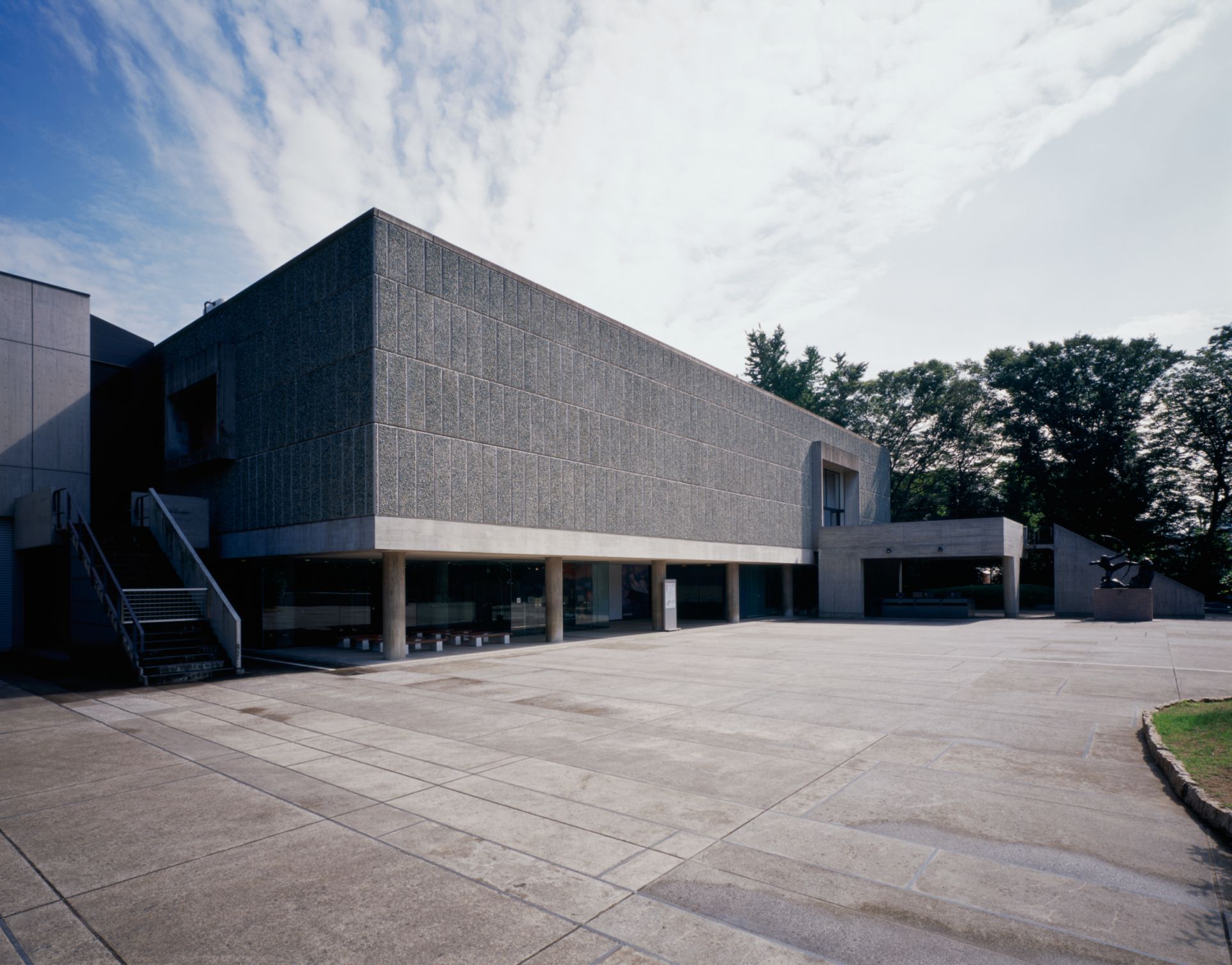
June 2019, when the National Museum of Western Art—which opened on June 10, 1959 (Shōwa 34)—marked its 60th anniversary.
It was the timing of a collection exhibition of the collector Kojiro Matsukata, who dreamed of building a museum while holding up the cause of “I want to deliver real art to Japan’s youth!”
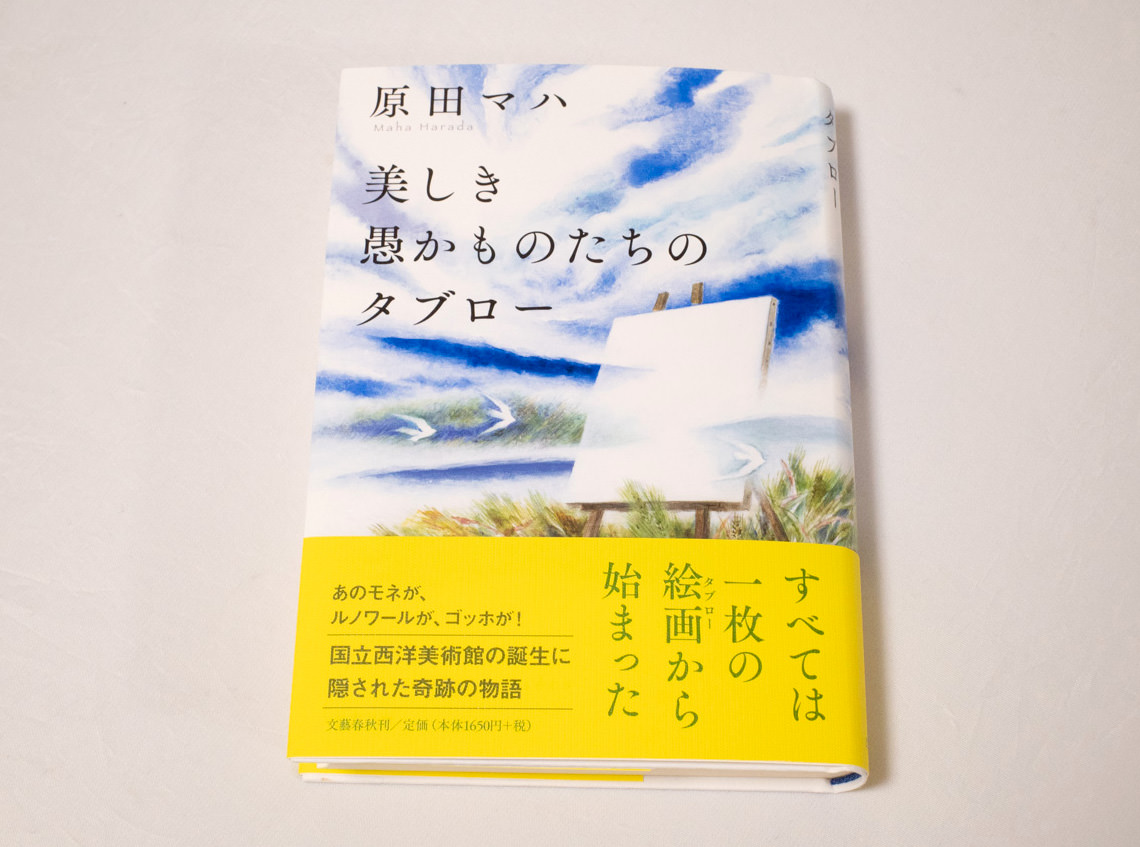
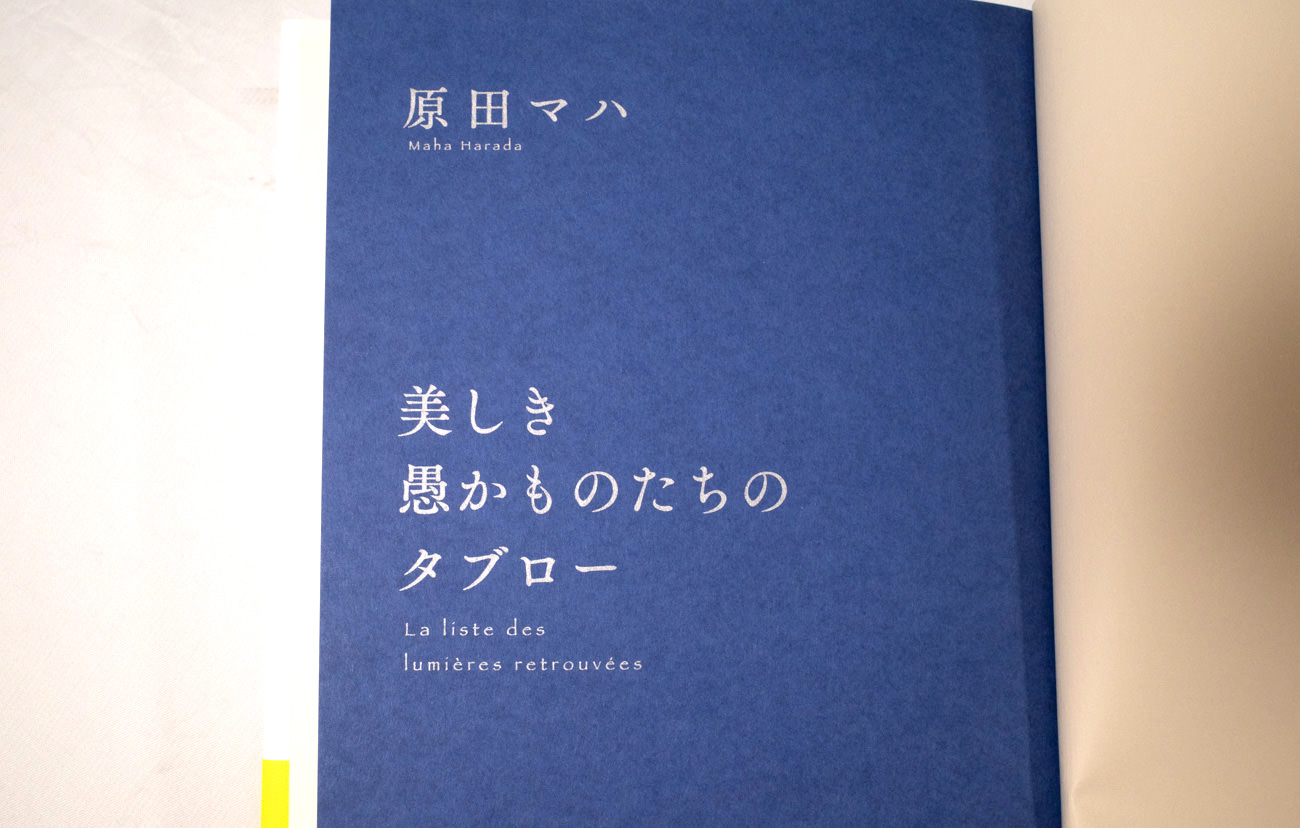
The new book edited with this timing in mind is “The Tableau of Beautiful Fools” by novelist Maha Harada, who centers her work on art.
Maha Harada “The Tableau of Beautiful Fools”
This book is a work that can be called Maha Harada’s true forte: “writing fiction based on historical fact.”
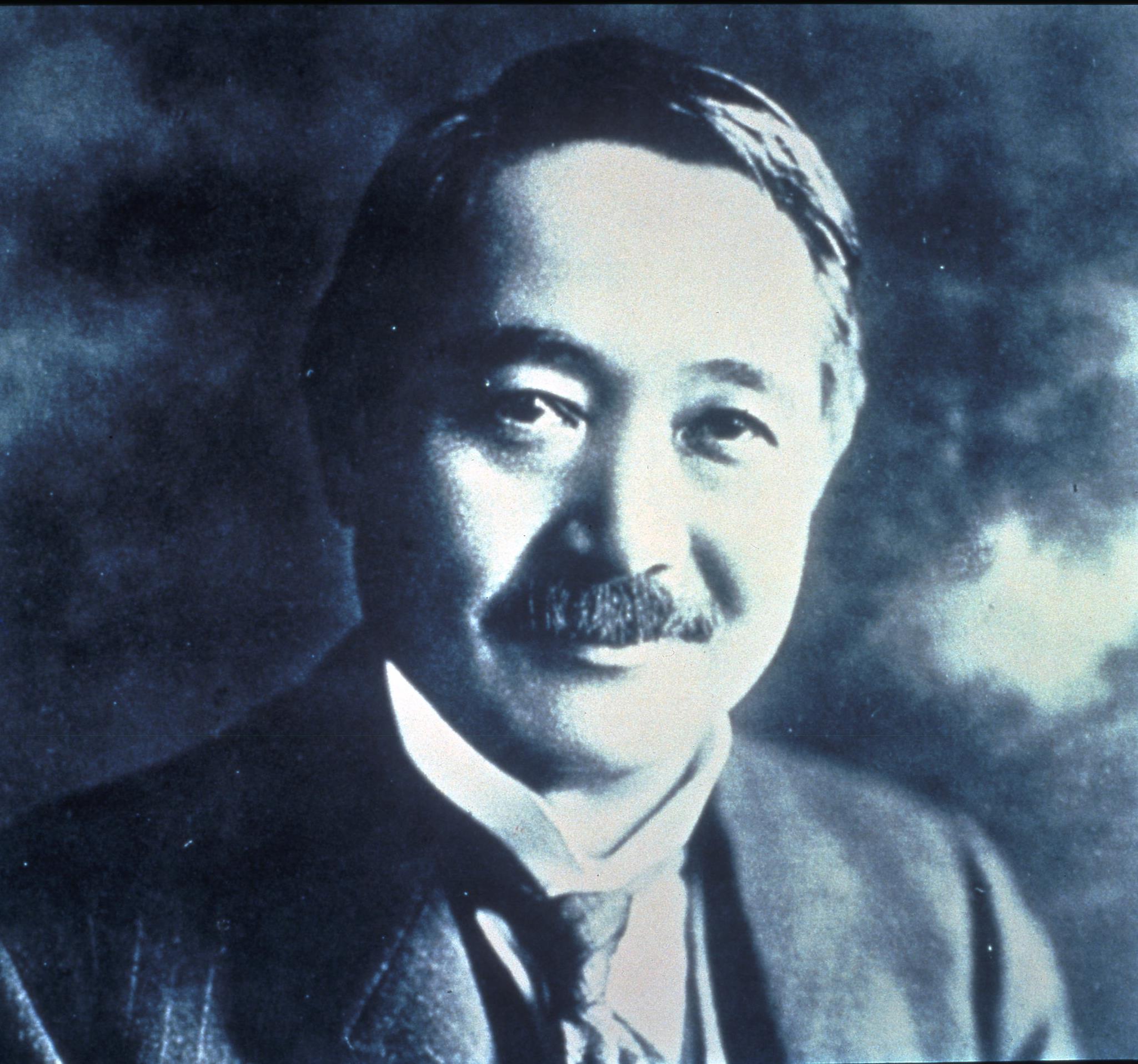
Kojiro Matsukata
It’s a story that unfolds around the most centrally depicted character, “Yuichi Tashiro (real-life model: Yukio Yashiro),” together with “Kojiro Matsukata” himself, who built the Matsukata Collection; “Prime Minister Shigeru Yoshida,” the mastermind who had the collection returned to Japan; and “Kozaburo Hioki,” who protected the collection through the ravages of war.
Synopsis
This book weaves the footprints left by the businessman Kojiro Matsukata, who kept buying a collection out of a desire to create a museum in Japan and “deliver real art to Japan’s youth!”
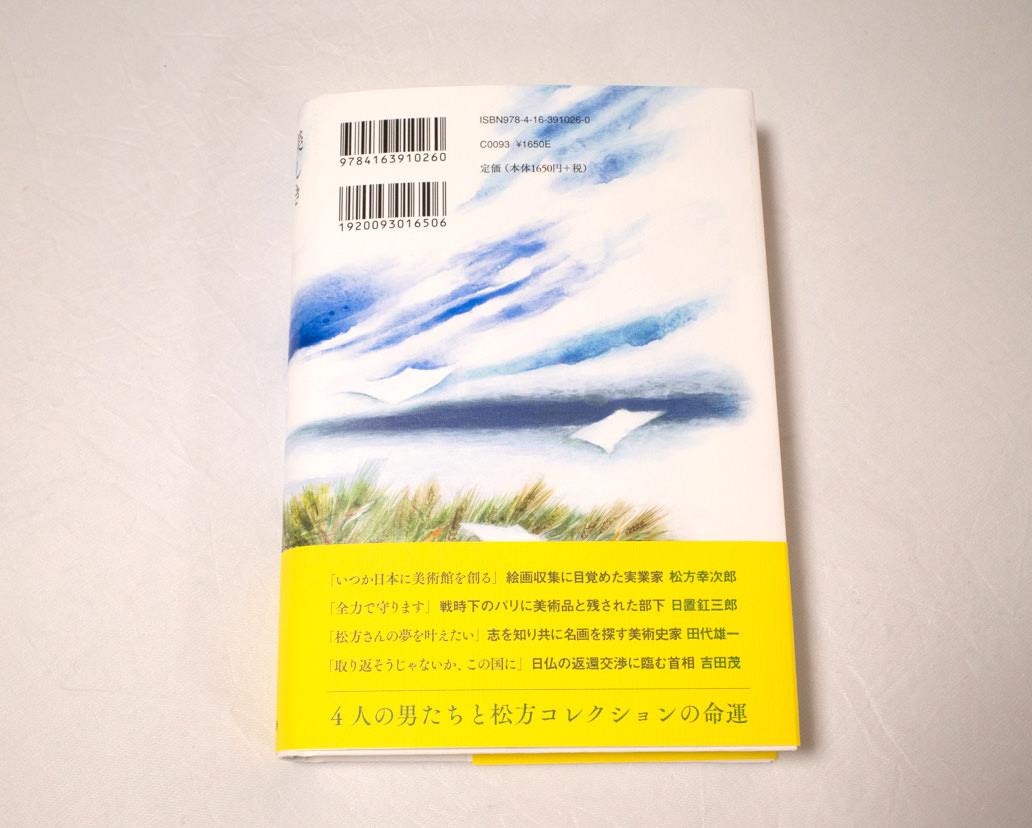
Four men and the fate of the Matsukata Collection
In an era when almost no Japanese had seen a real Western painting, Kojiro Matsukata, who bought up paintings in London and Paris, was a man without an “eye for beauty.” For that reason, he bought by looking at people rather than at pictures; the one who accompanied him to galleries and artists as an advisor was the book’s central figure, Yuichi Tashiro. Including the prime minister who appointed him, Shigeru Yoshida, and Kozaburo Hioki, who protected the painting collection in wartime France, the book expands its depiction of tense return negotiations and the friendships in which each is involved.
The story unfolding around the four men connects to the present National Museum of Western Art, containing the appeal of a biographical novel.
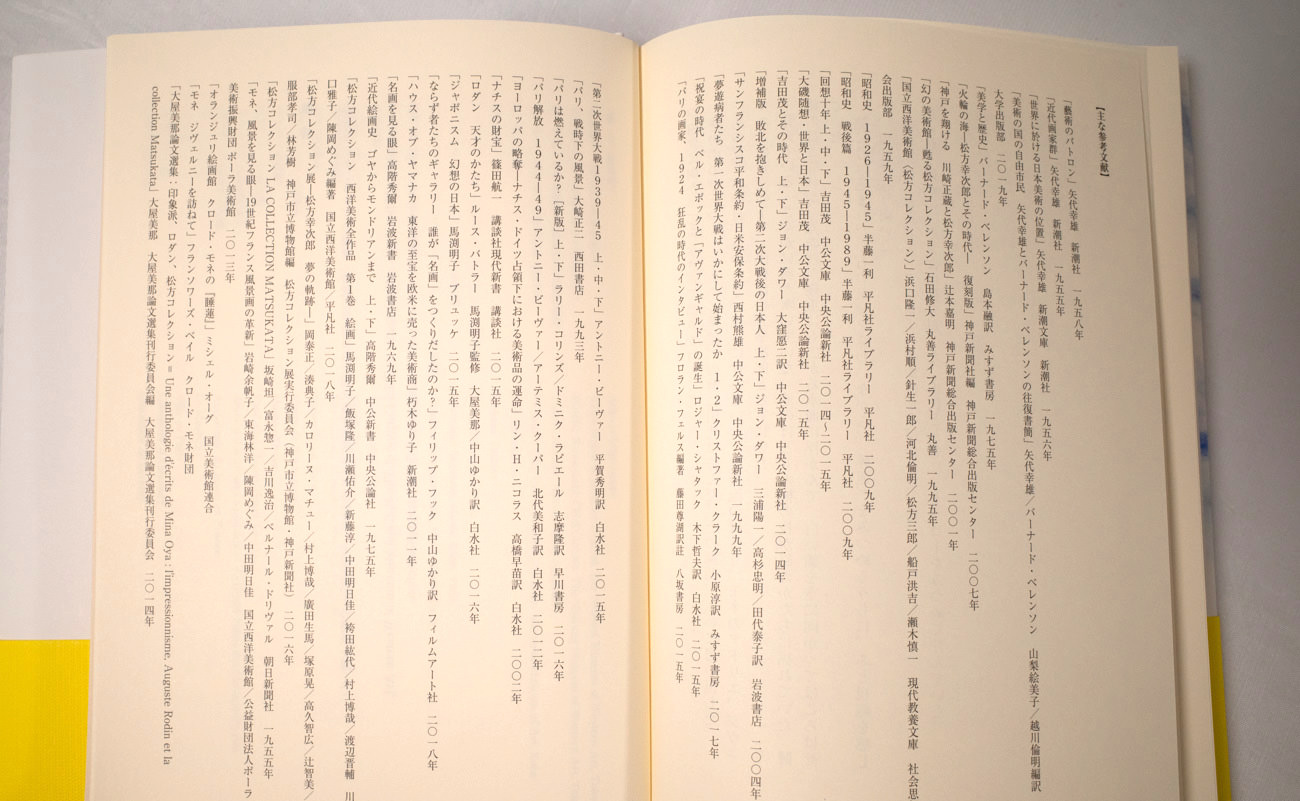
Although fiction, its reference materials are wide-ranging, and meticulous research was reportedly carried out.
Art and the Four Men
What strikes the heart is the straight devotion to Western art of the four men and those around them.
That sight connects to the passion for building Japan’s first museum to exhibit Western paintings, and one is moved by the strong energy of these predecessors.
Kojiro Matsukata‘s large-scale purchase of artworks, backed by his bold temperament and financial power, connects to the collection now kept at the Museum of Western Art; but even while working as a businessman, his drive to buy art in Europe and his manner toward local art people contain much of the appeal men admire.
Shigeru Yoshida‘s negotiation skills as prime minister command renewed admiration.
The episode of drawing a large quantity of valuable artworks requisitioned by France into a flow of donation-return had something thrilling about it.
Also, this book is Yuichi Tashiro (real-life model: Yukio Yashiro), composed mainly around his viewpoint. The story of a young art historian growing while caught up in various human dramas—through Maha Harada’s brushwork, like a tableau, rich colors come flying in.
Placed in the latter half of the story, Kozaburo Hioki‘s role and way of life were very impressive.
The way Hioki, who had been unrelated to art, has his life tossed about by art is like a mystery.
How did the Matsukata Collection works that Hioki evacuated to Abondant return to Paris? And why were they kept at the National Museum of Modern Art in Paris and requisitioned by France? It still seems not well understood. I wanted to know him more deeply, but perhaps it will never be clarified.
Each of the four characters is drawn, making an attractive human drama.
Things I Noticed from a Collector’s Viewpoint
I’ve compiled what I noticed reading this book from “an art collector’s viewpoint.”
It includes cautions to myself and realizations as a collector, and was full of suggestion.
The following is my summary, but each reader will surely have their own impressions.
Make a list of the works you own
The Matsukata Collection reportedly wasn’t accurately grasped in full. The whole picture of the collection remains unclarified even now.
Just in case, perhaps a prior database of collection works is necessary.
Direct conversation with artists and buying works
Matsukata bought by looking at people, not just pictures. Even in France, where there was a commercial custom of buying through galleries, he reportedly had many chances to make direct contact with artists and buy. Through direct engagement with artists, various factors—the work, the personality, the compatibility—seem to have led to purchase decisions.
The problem of storage
Part of the Matsukata Collection was burned, and many works went missing in wartime chaos.
We should properly handle the storage problem after buying works! I recently contracted a trunk room, but my thoughts extended not just to storage for works but to a work-centered way of passing them to the next generation. How should the works I own be handled after my death…?
Art advisor
Just as the art historian “Yuichi Tashiro (real-life model: Yukio Yashiro),” one of the book’s protagonists, and Masakazu Naruse became the connoisseurs of the Matsukata Collection, having someone advise on purchases while relating to the context of art history is a field I too would like to request.
A collector’s pride
It may be only some collectors, but I think one carries various egos as an art collector—wanting to own masterpieces, wanting to make oneself look big and strong by wearing the armor of art. I realized anew that a collector bears responsibility for the works they own.
I’m proud that Japanese who collected with a cause certainly existed before we were born.
National Museum of Western Art
Summary
This book contains no plates at all, including the cover. It seems to embody Maha Harada’s feelings, including a role like a device that creates a route to the Museum of Western Art. I definitely want to check it at the museum.
What I feel after finishing it is that my gaze on the Museum of Western Art and the Matsukata Collection has changed. I came to be able to enjoy even more the “National Museum of Western Art 60th Anniversary: Matsukata Collection Exhibition” (June 11 – September 23, 2019), planned to coincide with the book’s release.
This book was compiled to make it in time for the special exhibition, but I felt the latter half of the story is a bit rushed.
If there is a sequel, one awaits a project offering a glimpse behind the scenes leading to the construction of the Museum of Western Art.
I think the content is easy to understand and enjoyable both for art lovers and for those about to encounter art.
2019년 6월, 1959년(쇼와 34년) 6월 10일에 개관한 국립서양미술관이 60주년을 맞았습니다.
「일본의 청소년을 위해 진짜 예술을 전하고 싶다!」는 대의를 내걸며 미술관 건설을 꿈꾸던 컬렉터 마쓰카타 고지로의 컬렉션 전시가 개최되는 타이밍이 되었습니다.
이 타이밍을 염두에 두고 편집된 신간이, 아트를 축으로 하는 소설가 하라다 마하의 「아름다운 어리석은 자들의 타블로」입니다.
하라다 마하 「아름다운 어리석은 자들의 타블로」
본서는 「사실(史実)을 바탕으로 픽션을 쓴다」는 하라다 마하의 진면목이라 할 만한 작품입니다.
마쓰카타 고지로
가장 중심적으로 그려진 등장인물 「다시로 유이치(실존 모델은 야시로 유키오)」를 둘러싸고, 마쓰카타 컬렉션을 쌓은 본인 「마쓰카타 고지로」, 컬렉션을 일본에 반환시킨 장본인 「요시다 시게루 총리」, 컬렉션을 전화(戦禍)로부터 지켜낸 「히오키 고자부로」 등이 펼치는 이야기입니다.
줄거리
본서는 「일본의 청소년을 위해 진짜 예술을 전하고 싶다!」는 마음으로 일본에 미술관을 세우고자 컬렉션을 계속 사들인 실업가 마쓰카타 고지로가 남긴 발자취를 엮는 이야기입니다.
네 남자와 마쓰카타 컬렉션의 명운
일본인 대부분이 진짜 서양 회화를 본 적 없던 시대에, 런던과 파리에서 회화를 사 모은 마쓰카타 고지로는 「심미안」을 갖추지 못한 남자였습니다. 그렇기에 그림이 아니라 사람을 보고 사는 상황이었는데, 어드바이저로서 갤러리나 작가에게 수행한 이가 본서의 중심 인물인 다시로 유이치입니다. 그를 지명한 총리 요시다 시게루, 그리고 히오키 고자부로——전시하의 프랑스에서 회화 컬렉션을 지켜낸——를 포함해, 긴박한 반환 교섭 묘사와 각자가 얽히는 교우 관계가 펼쳐집니다.
네 남자를 중심으로 펼쳐지는 스토리는 현재의 국립서양미술관으로 이어져, 전기 소설로서의 재미를 담고 있습니다.
픽션이라 해도 참고 문헌은 다방면에 걸치고, 면밀한 취재도 이루어졌다고 합니다.
미술과 네 남자
마음을 울리는 것은 네 남자와 그를 둘러싼 관계자들의 서양 미술을 향한 곧은 마음입니다.
그 모습은 일본에서 처음으로 서양화를 전시하는 미술관 건설에 대한 마음으로 이어져, 선인들의 강한 에너지에 마음이 울립니다.
마쓰카타 고지로의 호쾌한 기질과 재력을 배경으로 한 미술 작품의 대량 구입은 현재 서양미술관에 보관된 컬렉션으로 이어지지만, 실업가로서 일하면서도 유럽에서 미술품을 구입하는 행동력과 현지 미술 관계자를 대하는 방식에는 남자가 동경하는 매력이 많이 담겨 있습니다.
요시다 시게루 총리의 교섭술에는 새삼 감복합니다.
프랑스에 접수된 대량의 가치 있는 미술 작품을 기증 반환의 흐름으로 끌어들인 에피소드에는 짜릿한 것이 있었습니다.
또한 본서는 다시로 유이치(실존 모델은 야시로 유키오)의 시점을 중심으로 구성되어 있습니다. 젊은 미술사가가 다양한 인간 드라마에 휘말리며 성장해 가는 스토리는, 하라다 마하 특유의 타블로와 같은 필력으로 풍부한 색채가 날아듭니다.
이야기 후반에 놓인 히오키 고자부로의 역할과 삶의 방식은 매우 인상적이었습니다.
아트와 무관했던 히오키 고자부로가 아트에 의해 삶이 휘둘려 가는 모습은 미스터리 같습니다.
히오키가 아봉당으로 소개(疎開)시킨 마쓰카타 컬렉션 작품이 어떻게 파리로 돌아왔는가? 그것이 왜 파리 국립근대미술관에 보관되어 프랑스가 접수하기에 이르렀는가? 지금도 잘 밝혀지지 않은 듯합니다. 그를 더 깊이 알고 싶었지만, 규명되지 않을지도 모릅니다.
네 사람 각자의 캐릭터가 그려져, 매력적인 인물극이 되었습니다.
컬렉터 시점에서 알아차린 것
본서를 읽고 알아차린 것을 「아트 컬렉터의 시점」으로 정리해 보았습니다.
자신에 대한 경계와 컬렉터로서의 깨달음을 담고 있어 시사가 풍부했습니다.
이하는 필자의 정리이지만, 독자마다 각자의 감상이 있을 것입니다.
소장 작품 리스트를 만들자
마쓰카타 컬렉션은 정확히 다 파악되지 못했던 모양입니다. 컬렉션의 전모는 지금도 규명되지 않았습니다.
만일을 위해 사전에 컬렉션 작품의 데이터베이스화가 필요할지도 모릅니다.
미술 작가와의 직접 대화 및 작품 구입
그림만이 아니라 사람을 보고 산 마쓰카타. 갤러리를 통해 구입하는 상관습이 있던 프랑스에서도 작가와 직접 접촉해 구입하는 기회가 많았던 모양입니다. 작가와의 직접적 관계를 통해 작품·인격·상성 등 다양한 요소가 구입 의사 결정으로 이어졌던 듯합니다.
보관의 문제
마쓰카타 컬렉션의 일부는 소실되거나 전시하의 혼란 등으로 행방을 알 수 없게 된 작품도 많습니다.
작품 구입 후의 보관 문제를 제대로 해야겠지요! 필자는 최근 트렁크룸을 계약했지만, 작품을 위한 보관뿐 아니라 다음 세대로 이어 가는 작품 본위의 방식에까지 생각이 미쳤습니다. 자신의 사후에 소장 작품을 어떻게 다뤄야 하는가……?
미술 어드바이저
본서 주인공 중 한 명인 미술사가 「다시로 유이치(실존 모델은 야시로 유키오)」나 나루세 마사카즈가 마쓰카타 컬렉션의 감정가가 되었듯, 미술사의 맥락에 견주어 작품 구입 조언을 해 주는 것은 저도 부탁하고 싶은 분야입니다.
컬렉터의 긍지
일부 컬렉터일지 모르지만, 아트 컬렉터로서 명품을 지녔다거나, 미술이라는 갑옷을 입고 자신을 크고 강하게 보이고 싶다거나, 여러 에고를 품고 있다고 생각합니다.
컬렉터는 소유한 작품에 대한 책임을 지고 있음을 새삼 알아차렸습니다.
대의를 품고 컬렉션하던 일본인이 우리가 태어나기 전에 분명히 존재했음을 자랑스럽게 여깁니다.
국립서양미술관
정리
본서에는 표지를 포함해 도판 게재가 일절 없습니다. 서양미술관으로의 동선을 만드는 장치와 같은 역할을 담은, 하라다 마하의 마음이 담긴 듯합니다. 꼭 미술관에서 확인하고 싶습니다.
다 읽고 느끼는 것은, 서양미술관과 마쓰카타 컬렉션을 보는 시선이 변화했다는 것입니다. 본서 발매 타이밍에 기획된 「국립서양미술관 개관 60주년 기념 마쓰카타 컬렉션 전시」(개최 기간: 2019년 6월 11일〜9월 23일)를 더욱 즐길 수 있게 되었습니다.
기획전에 맞추듯 정리된 본서이지만, 이야기 후반이 다소 급하게 진행된다는 느낌을 받았습니다.
속편이 있다면, 서양미술관 건설에 이르는 무대 뒤를 엿볼 수 있는 기획이 기다려집니다.
미술 애호가에게도, 앞으로 미술을 접할 분에게도 이해하기 쉽고 즐길 수 있는 내용이라고 생각합니다.