When the Dojunkai Aoyama Apartments were reborn as Omotesando Hills, I still vividly remember looking at the finished building and naturally accepting its presence with an “Ah, this is nice.”
It was not a new structure competing over novelty or the scale of its extravagance, but one reborn as if to respect history, the present environment, and the feelings of the people who live and gather there. The way it expressed a meaningful mode of being and a respect for the past was very beautiful and deeply moving.
What becomes clear when you stand on Western soil is the stark “gap” in city-making compared with Tokyo — a history of urban renewal in which old towns are scrapped and the city is abruptly overwritten. I was glad, feeling as if Tadao Ando were raising his voice from Omotesando, that most cutting-edge of districts.
I am an amateur, unfamiliar with the industry. I have neither the design expertise to speak from a professional’s viewpoint nor the detailed information, and I am in no position to know the circumstances behind the completion of Omotesando Hills.
Even now I am not in a position to break it down and pursue it, but there were things I could understand in my amateur way — such as how the building’s height is kept down by a structure sunk deep underground, and how the gentle interior slopes evoke the streets of Omotesando.
In that sense, perhaps it was designed not with excessive staging, but — like a skilled chef — with a recipe of subtle, exquisite balance.
That Omotesando Hills was the work of Tadao Ando.
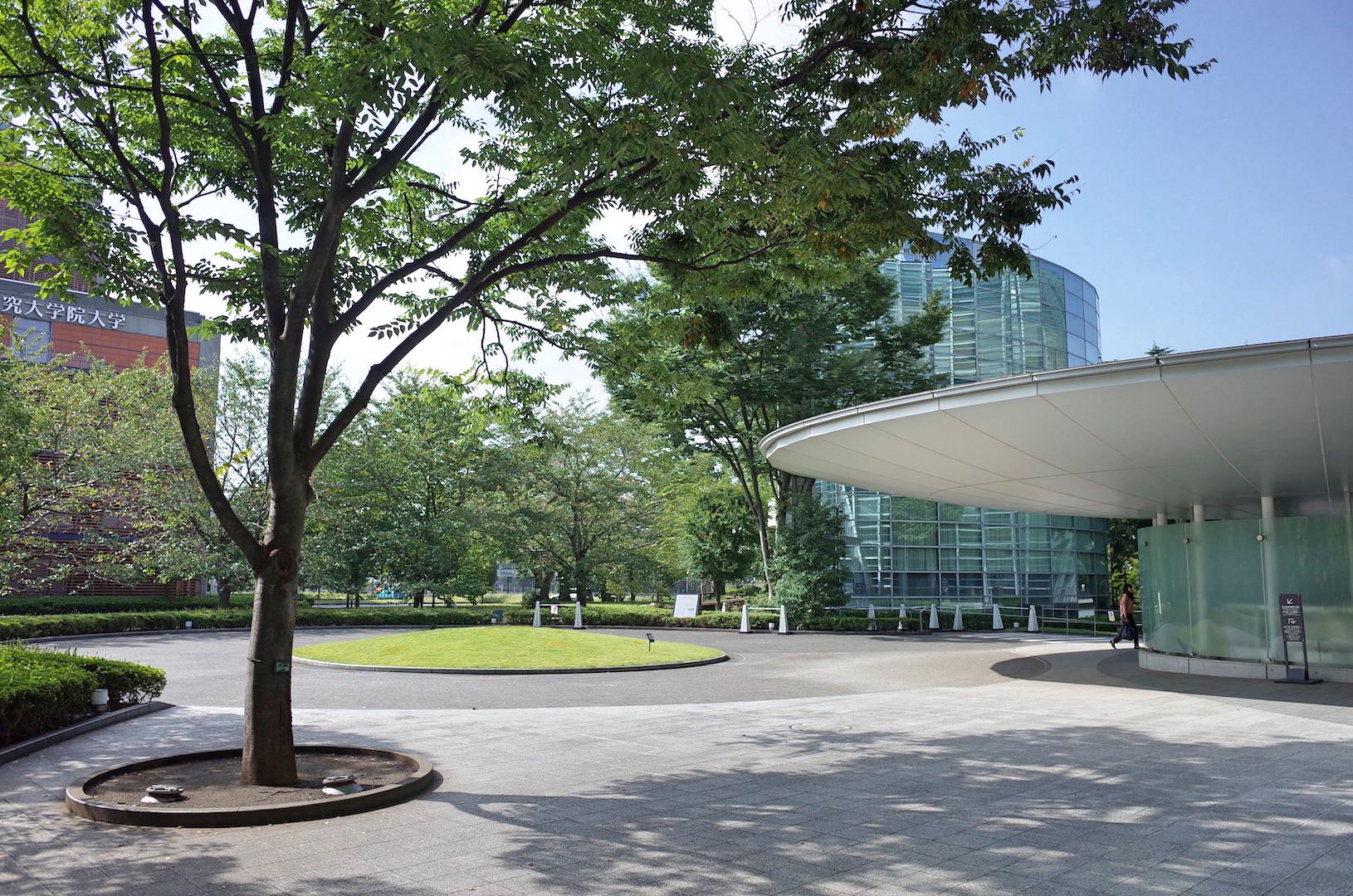
I went to see “Tadao Ando: Endeavors,” held as an exhibition commemorating ten years since the opening of The National Art Center, Tokyo.
I visited on a fine-weather weekend, right after opening. Good weather matters, because it lets you see the outdoor exhibits in good condition.
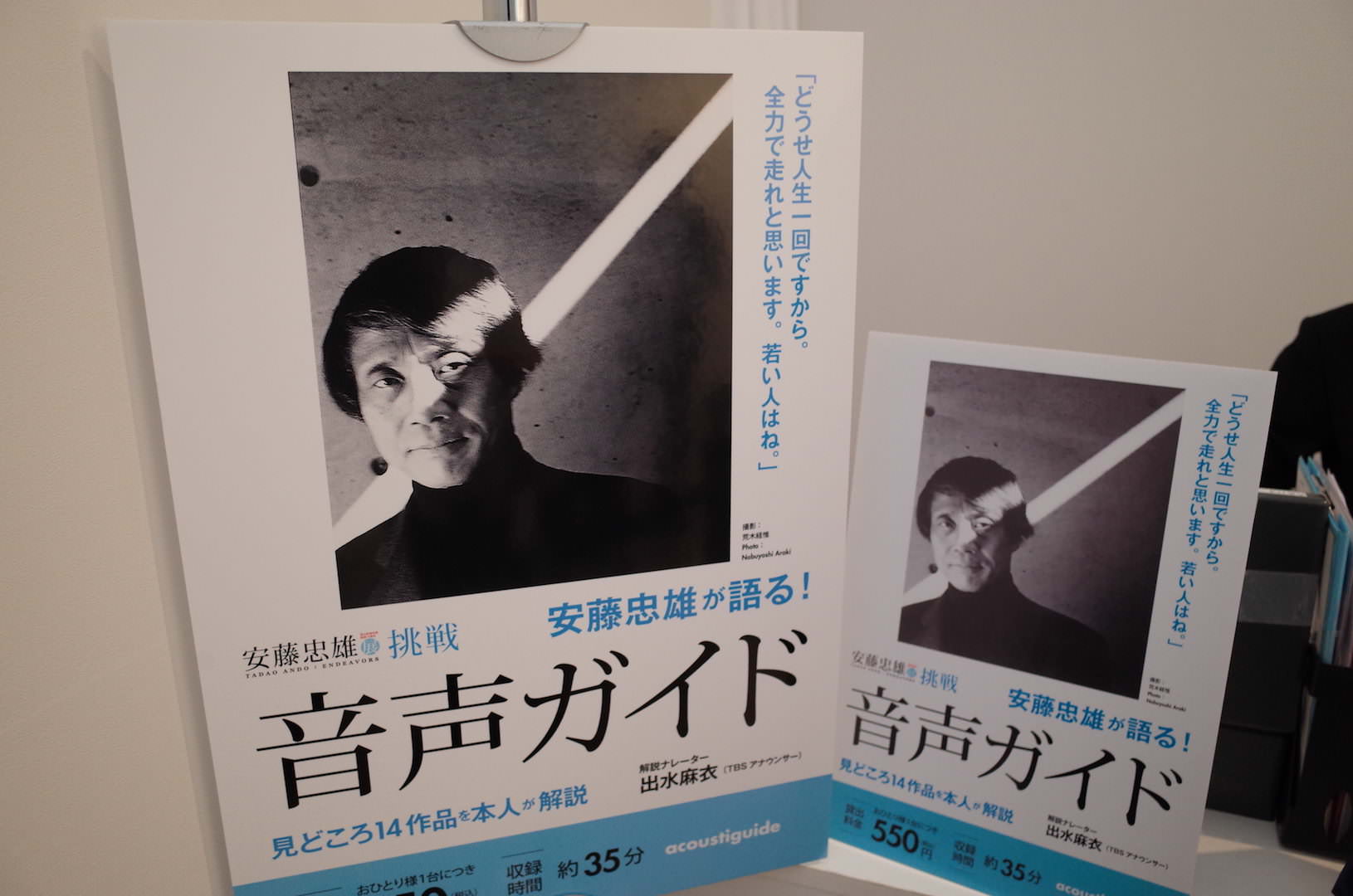
The 550-yen audio guide comes with commentary by the man himself.
Tadao Ando
From tiny homes of just 12 tsubo or a 2.9-meter frontage to large-scale apartment complexes and museums owned by the wealthy, Tadao Ando is an architect known to all, one who has worked across every size and genre of architecture.
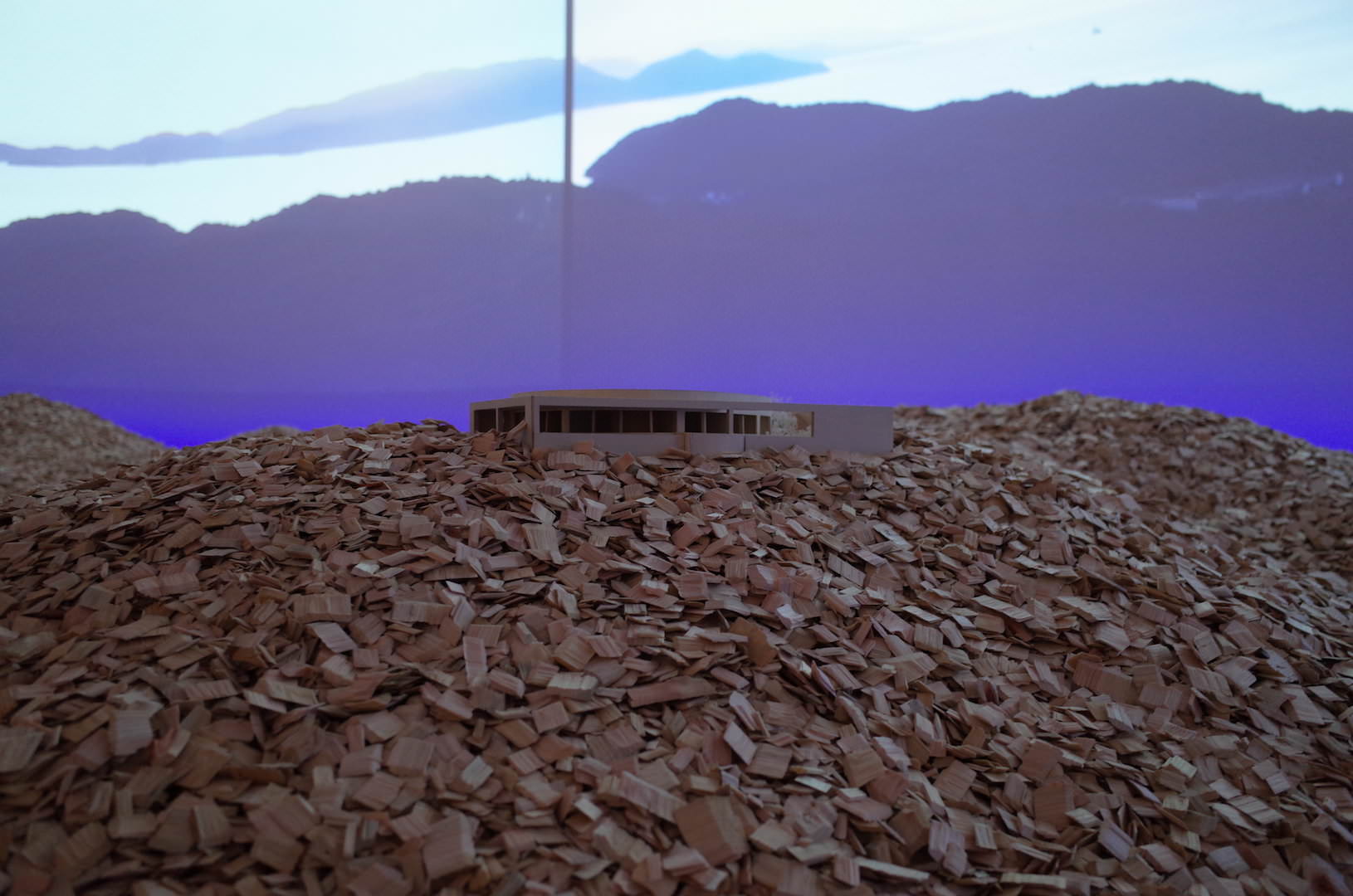
The exhibition recreated his past achievements through drawings, models, photographs, and video, presented with the treatment of historic works of art.
What I liked was the “Hill of the Buddha” in Makomanai. There is real meaning behind its outrageous design: precisely because it is hard to see, it draws in the imagination — an idea that turns a minus into a plus. It is said to be popular now with tourists from Asia. It makes you want to see it once.
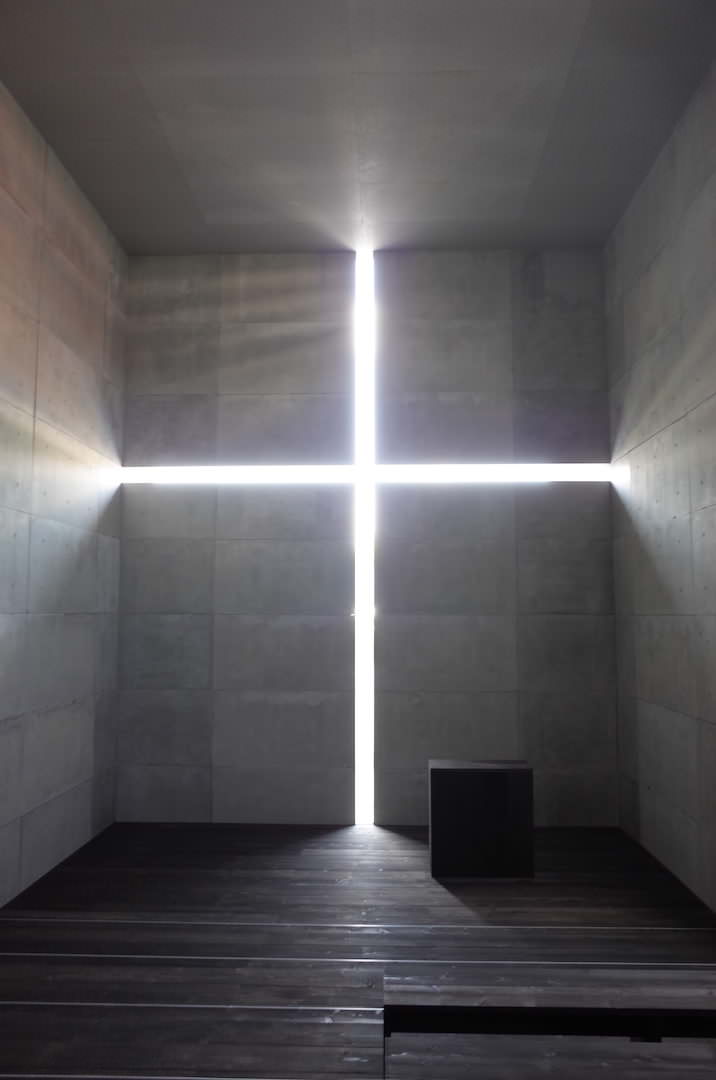
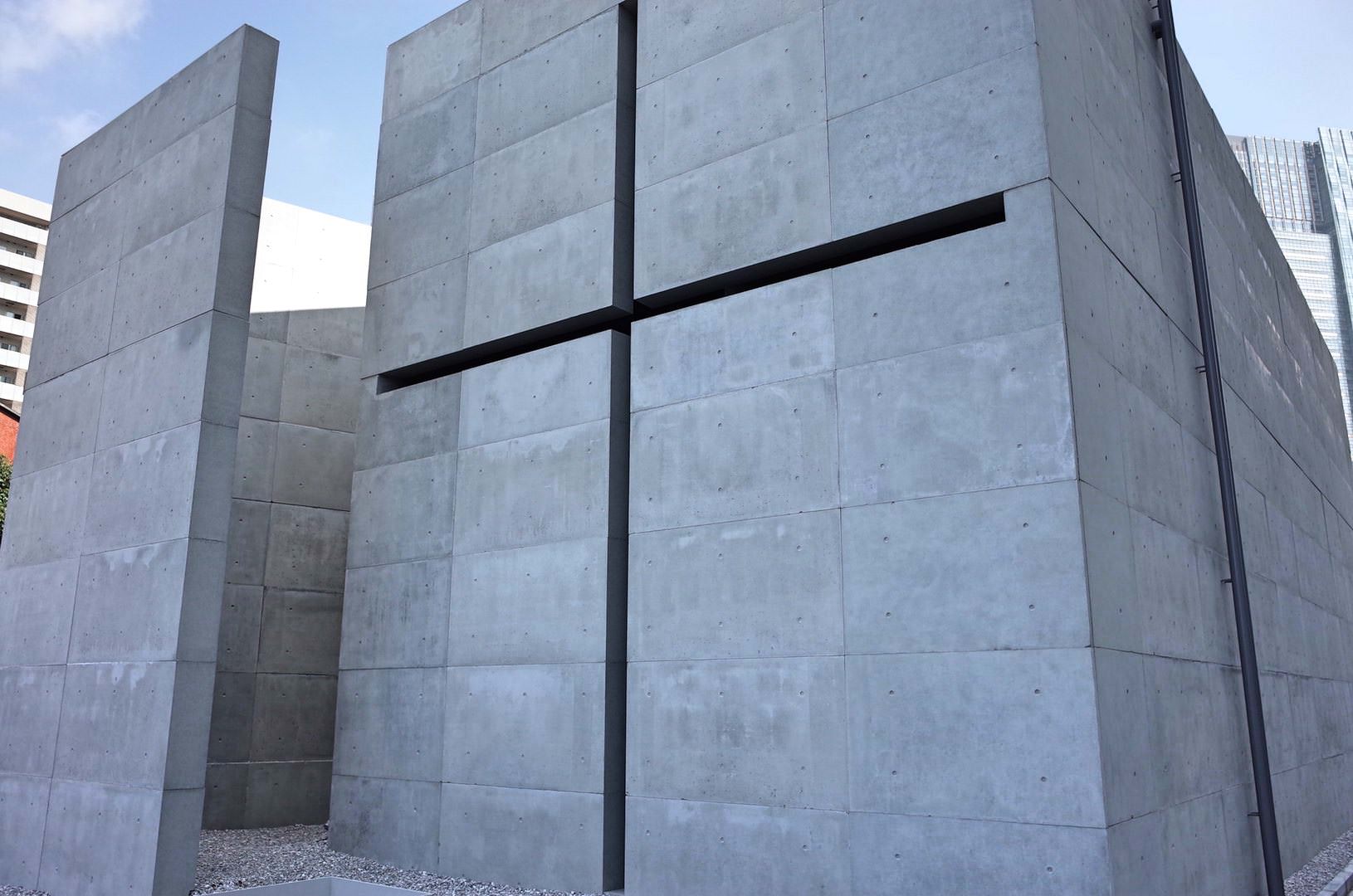
The area that drew the most attention from visitors was the “Church of the Light,” recreated at the same size as the actual building.
The beauty of the light leaking through the cross-shaped cut is beautiful precisely because it is a sacred space like a church — radiant, yet carrying a sense of transience. Because it is unchanging, it draws close to human life; the strength of nature’s energy takes your breath away.
Is Architecture Art?
By the way, is a building an “artwork” worthy of being viewed at a place called a “national art museum”?
Although a building is created through work that involves imagination, it is produced within a set of rules — the surrounding environment, laws, the client’s requests and constraints. It is not something in which the independence and autonomy that refuse to conform to the world, born purely from the artist, are expressed.
I watched with a slight sense of discomfort at something necessary to someone’s life being discussed under the label of art.
On the other hand, I sensed a professional who skillfully cooks up a balance of meaning and play, with the leadership and coordination to guide a project to completion amid various rules and conditions.
The architect Tadao Ando has the power to understand the background of the buildings he handles and the meaning and dedication hidden in their surroundings, and to drive them into execution.
“My house may be a little hard to live in.” There is no artist-like positioning in the strength and defiant candor with which he can say this openly; perhaps it is precisely because he holds a strong perspective as an everyday person that he has the persuasiveness to give things form.
At the same time, before these works I could not find the empathy for and rapture over beauty that art evokes, nor the time to feel a heart-shaking impulse or to project my own thoughts.
찾은 것은 날씨 좋은 주말, 개관 직후였습니다. 날씨가 좋은 것은 의미가 있어, 야외 전시물을 좋은 상태로 볼 수 있습니다.
550엔의 오디오 가이드는 본인의 해설이 딸려 있습니다.
Tadao Ando
불과 12평이나 정면 폭 2.9m의 협소 주택부터, 대규모 맨션과 부호가 소유한 미술관까지, 온갖 크기와 장르의 건축을 다뤄 온 누구나 아는 건축가가 Tadao Ando입니다.
전람회에서는 도면과 모형, 사진과 영상으로 과거의 실적을 재현하여, 역사적인 예술 작품처럼 다루어 전시하고 있었습니다.
필자가 마음에 든 것은 마코마나이의 “Hill of the Buddha(머리 대불)”입니다. 파격적이기 그지없는 디자인에는 제대로 된 의미가 있어, 잘 보이지 않기에 오히려 상상력을 끌어당기는, 마이너스를 플러스로 전환하는 발상입니다. 지금은 아시아에서 온 관광객에게 인기라고 합니다. 한번 보고 싶어지네요.