“Jam Session” is a program in which the Ishibashi Foundation Collection and contemporary artists perform together.
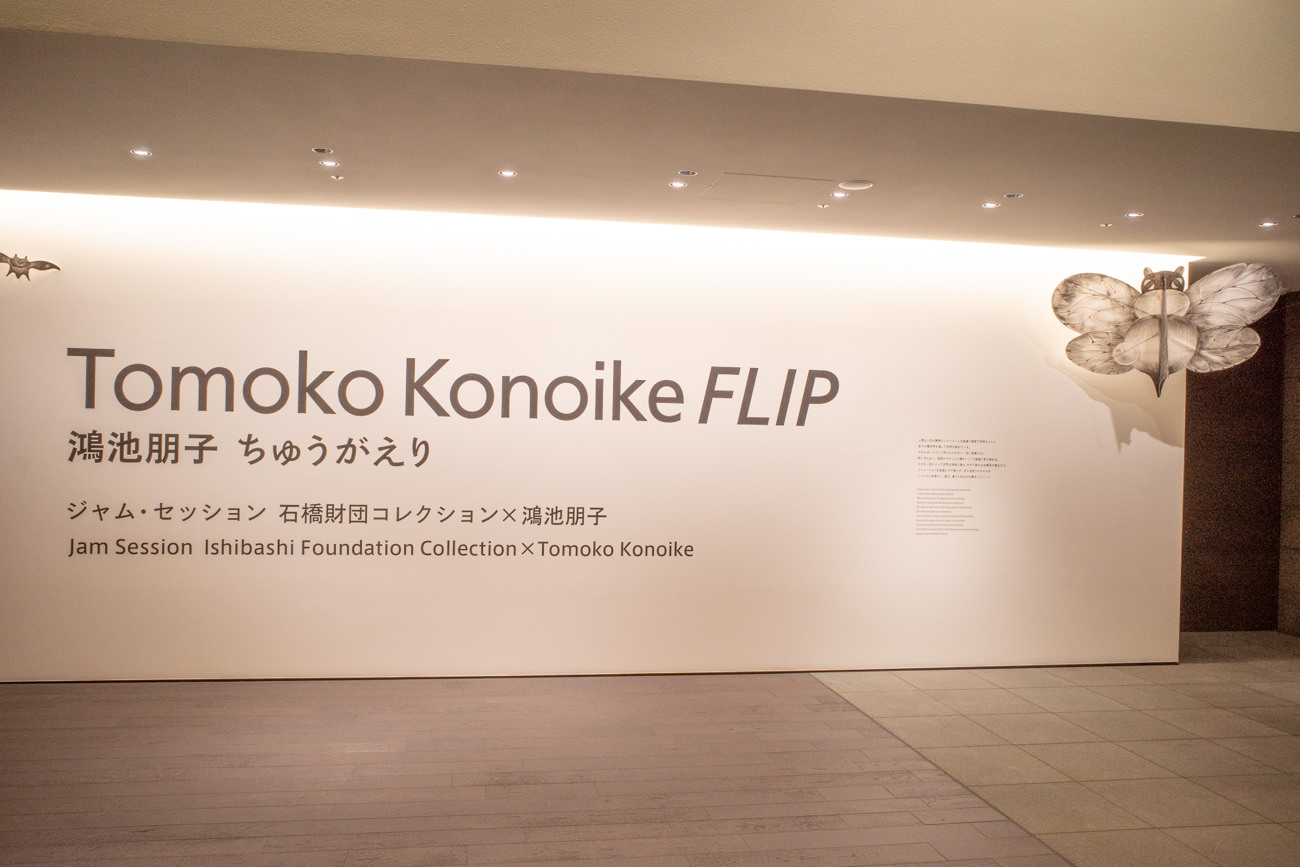
This time I visited “Flip,” the first in the series, organized with Tomoko Konoike as the invited artist. The venue is the Artizon Museum.
Tomoko Konoike “Flip,” Artizon Museum
The title “Flip” (in Japanese written in hiragana) was chosen by Konoike because she wanted a title that carried as little meaning as possible — something more like an animal cry — and the hiragana script was used to strip meaning away as much as possible.
Installation view
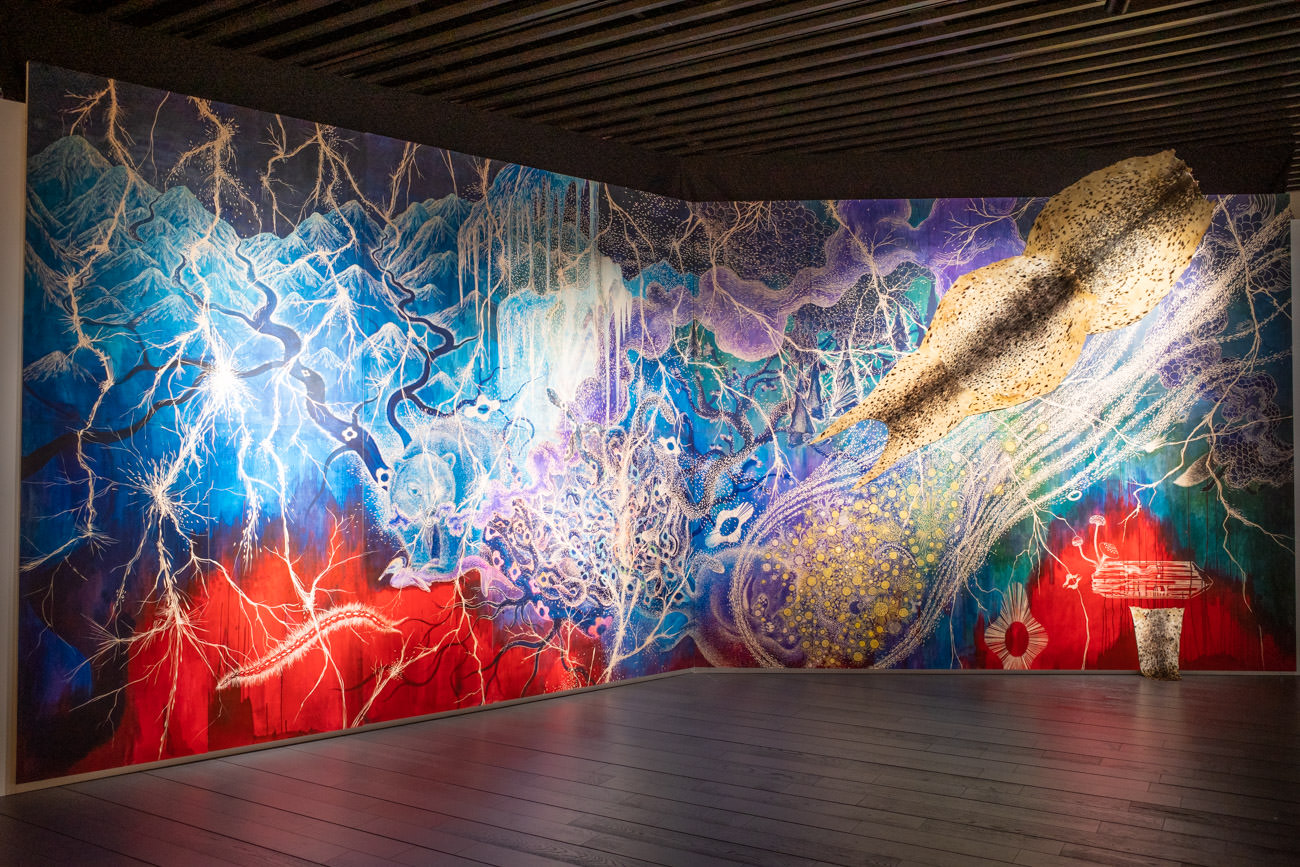
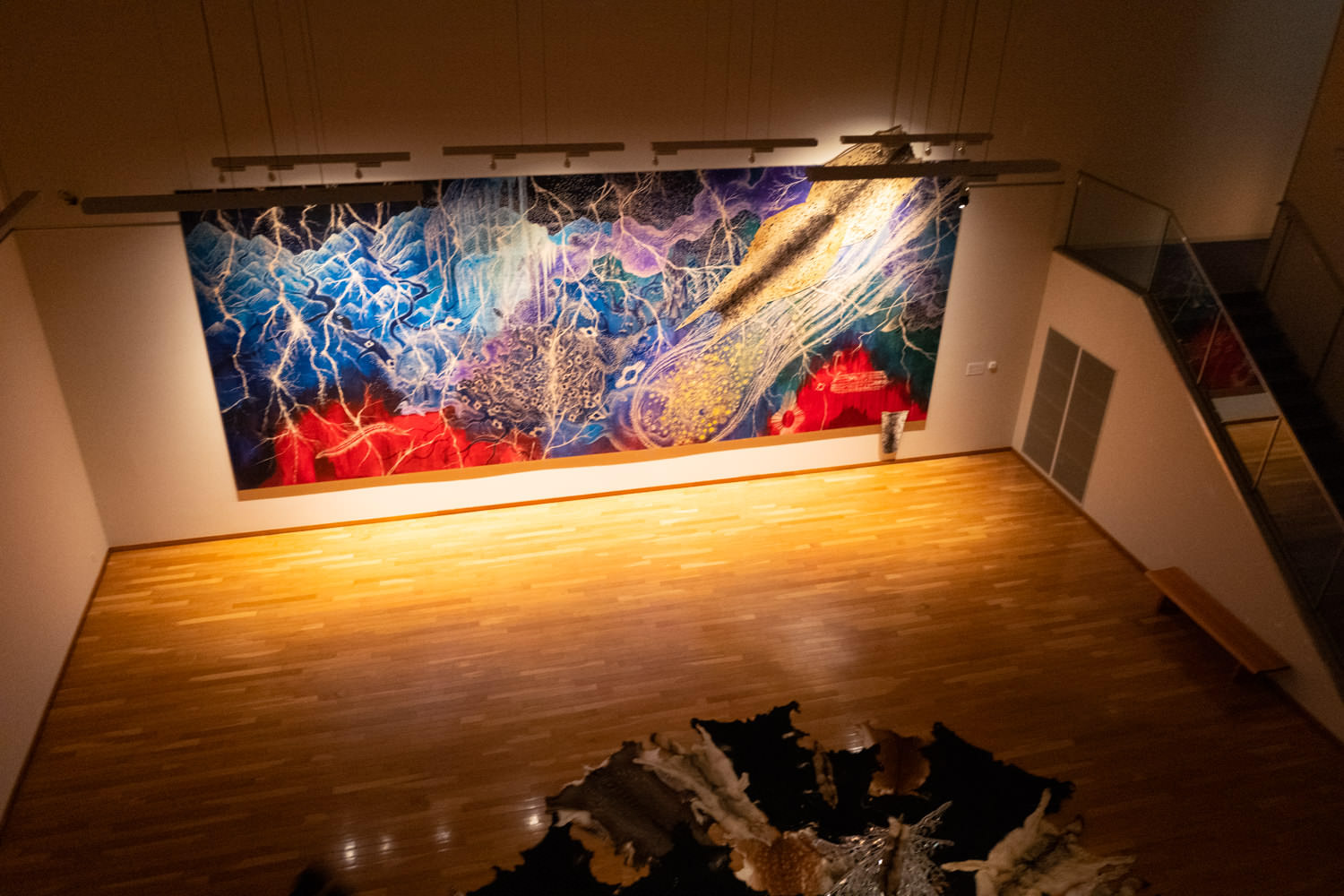
The exhibition presents two large-scale works that had previously been shown in regional venues.
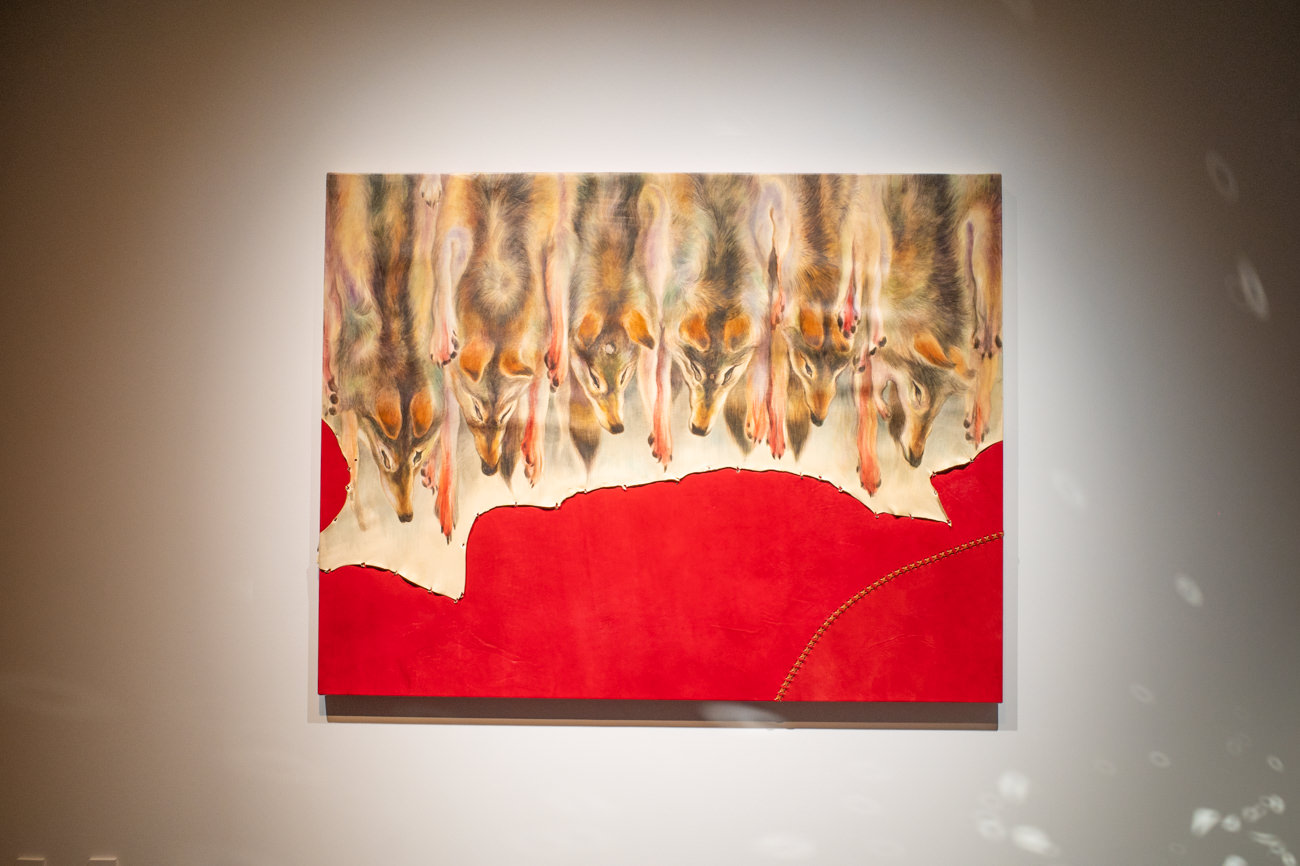
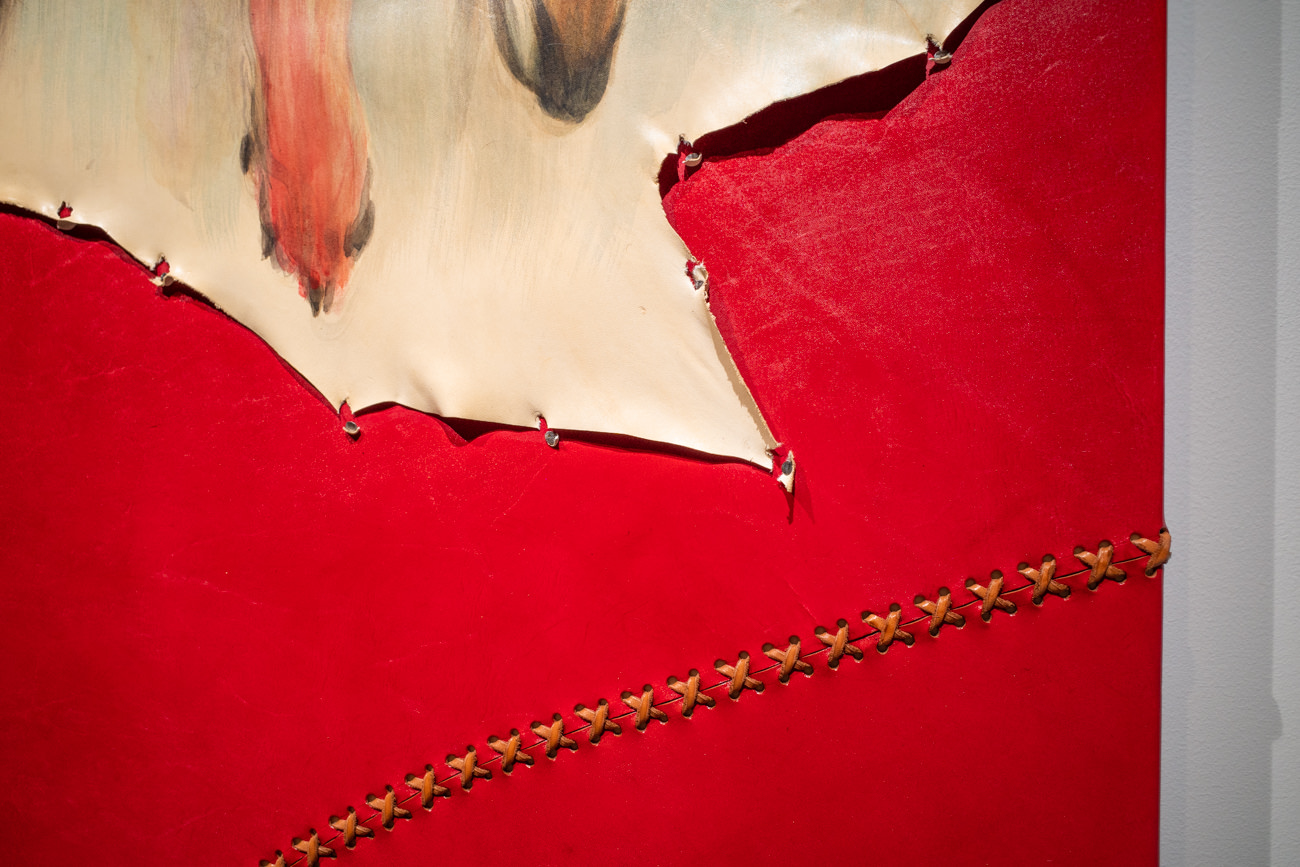
One is “Dream Hunting Grounds,” originally exhibited in her solo show “Hunter Gatherer” in Akita.
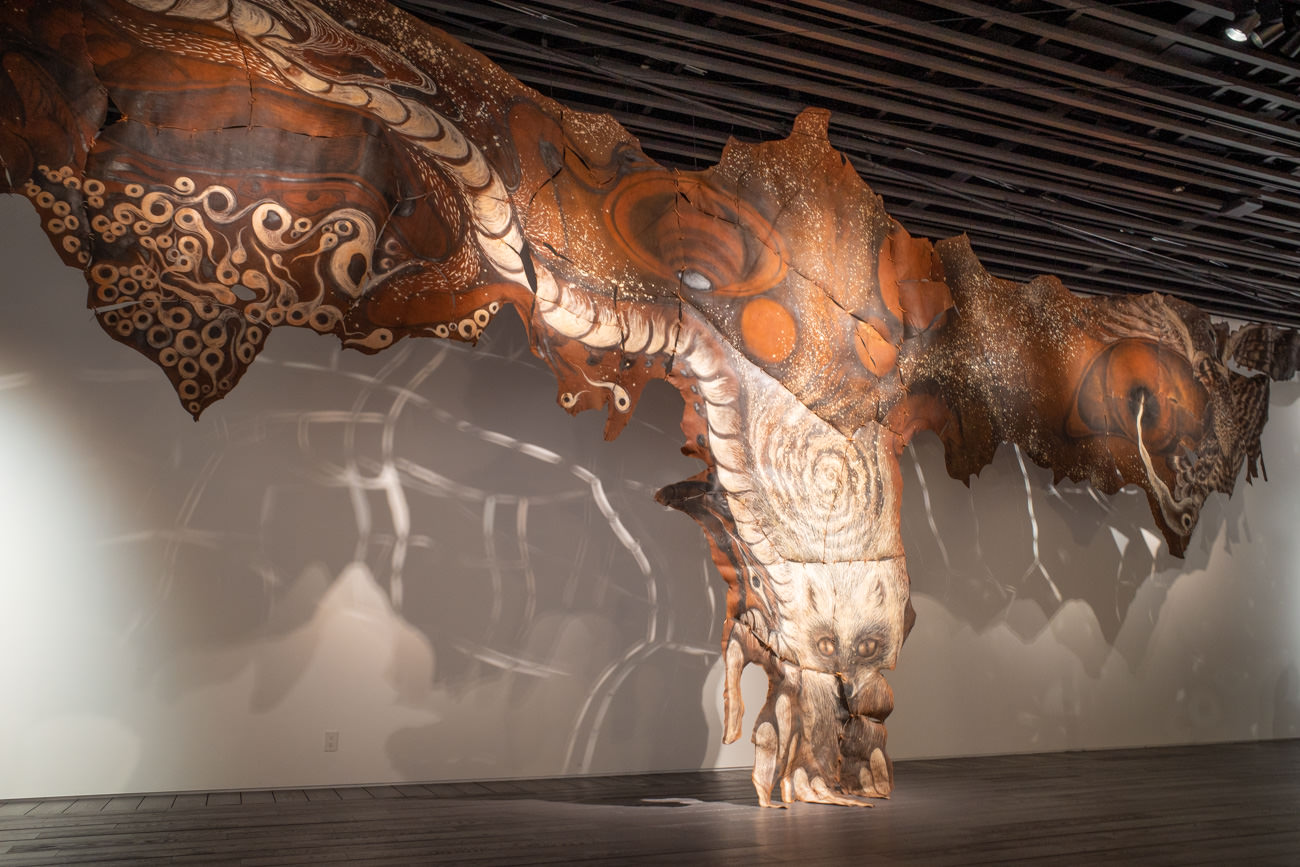
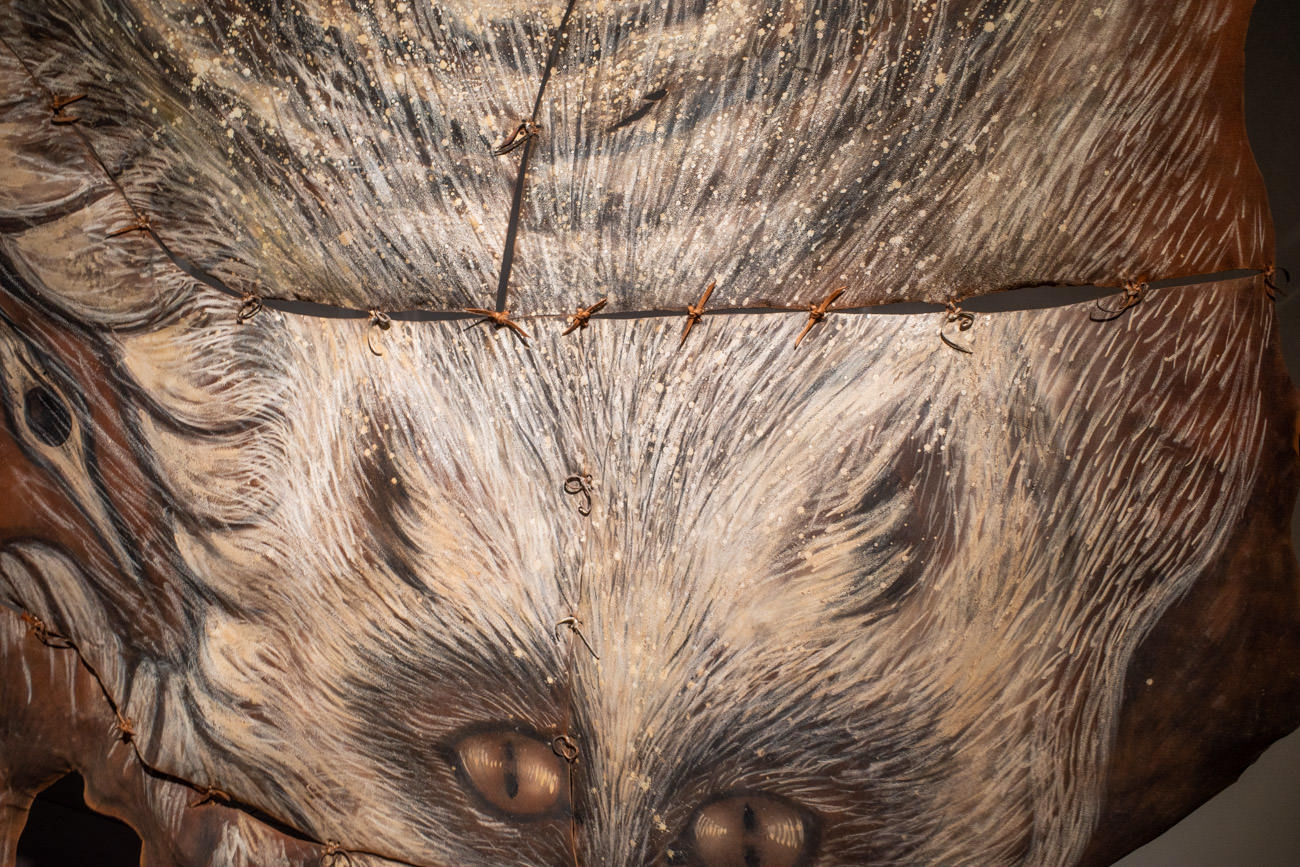
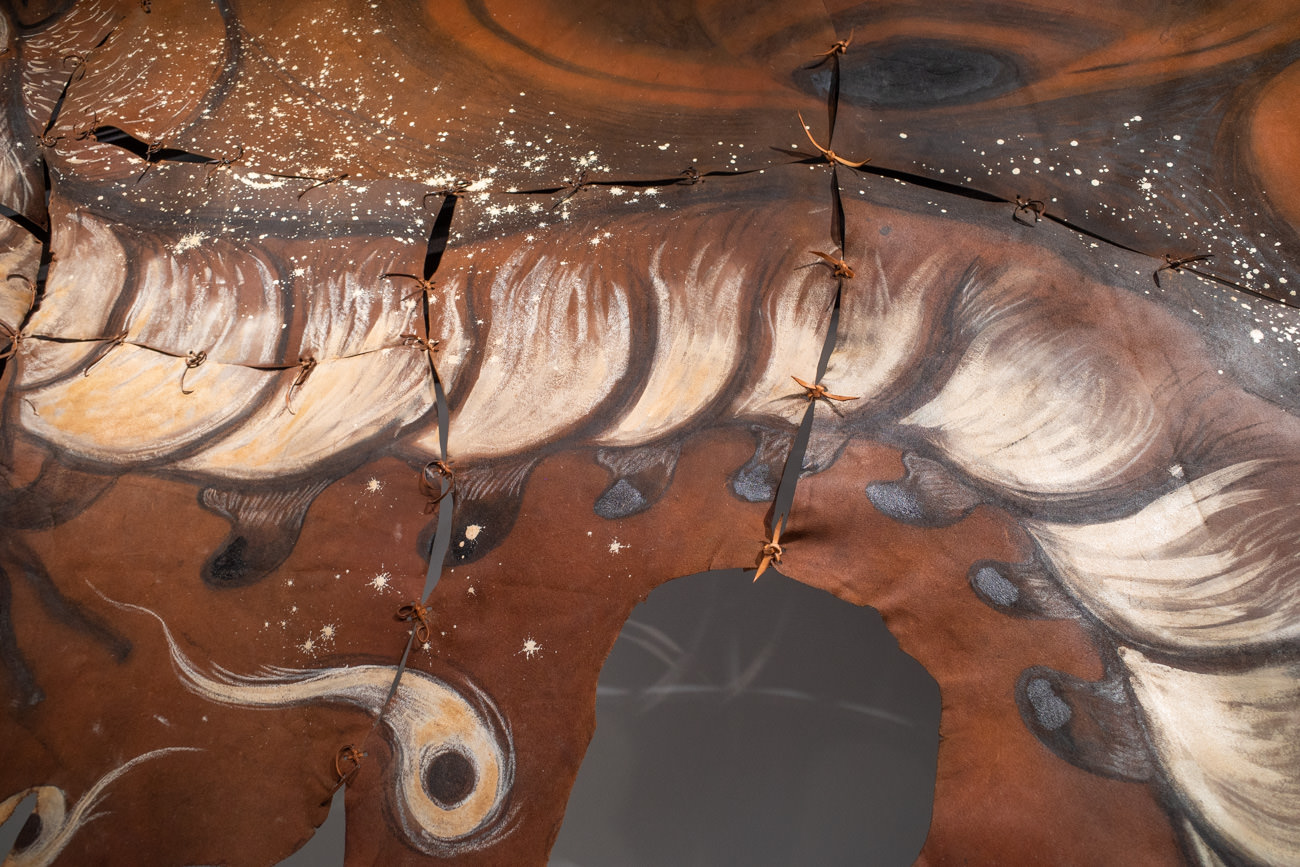
The other is “Kawa Tombi (Skin Kite),” originally presented at the Setouchi Triennale 2019.
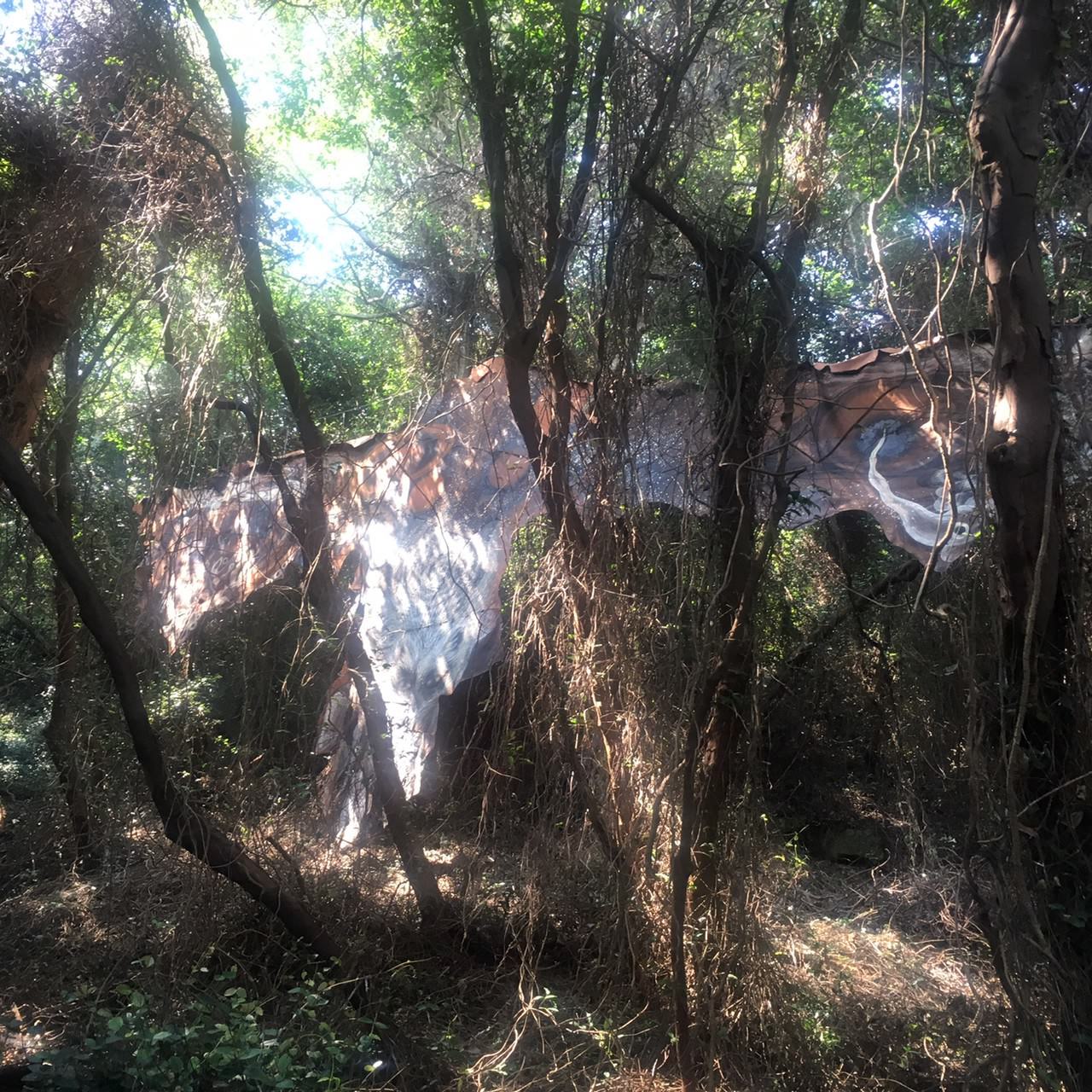
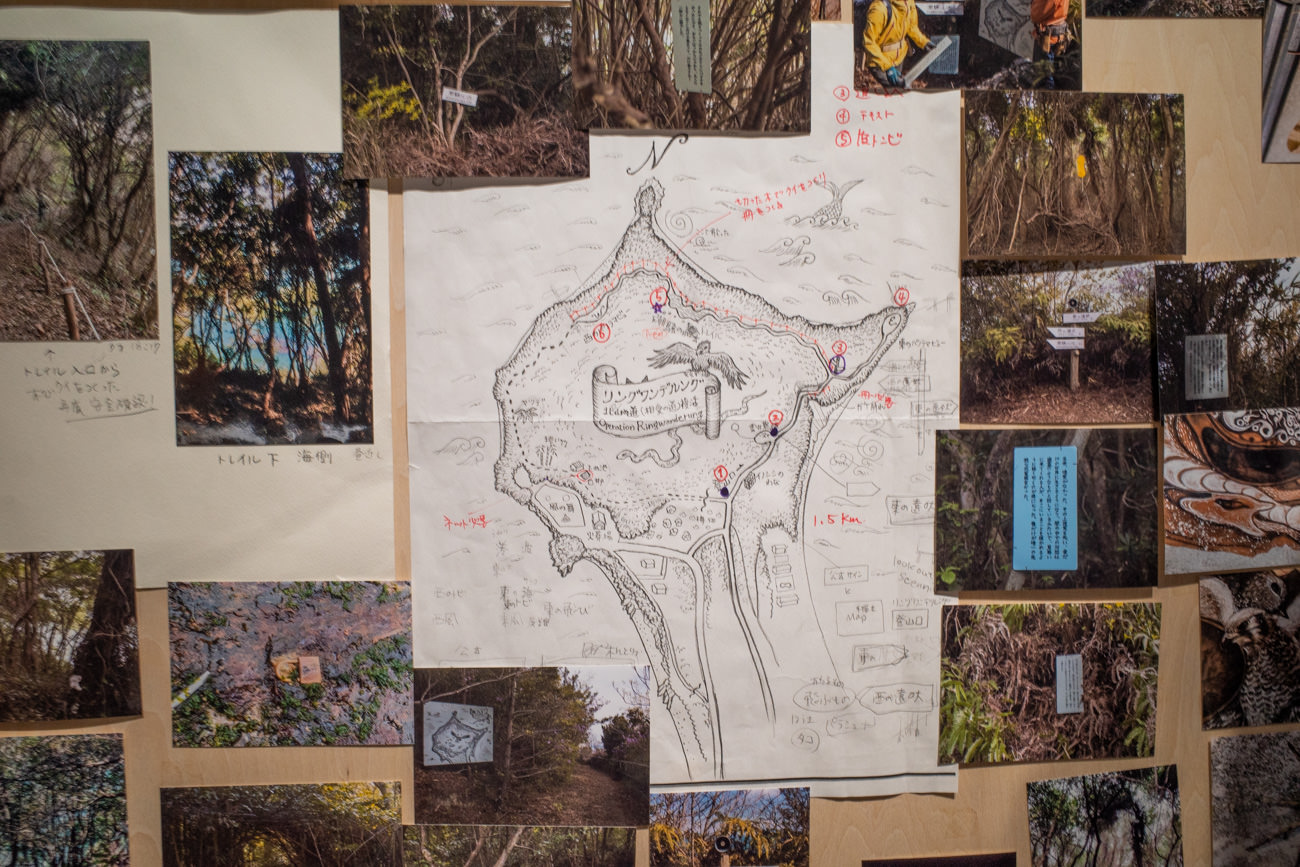
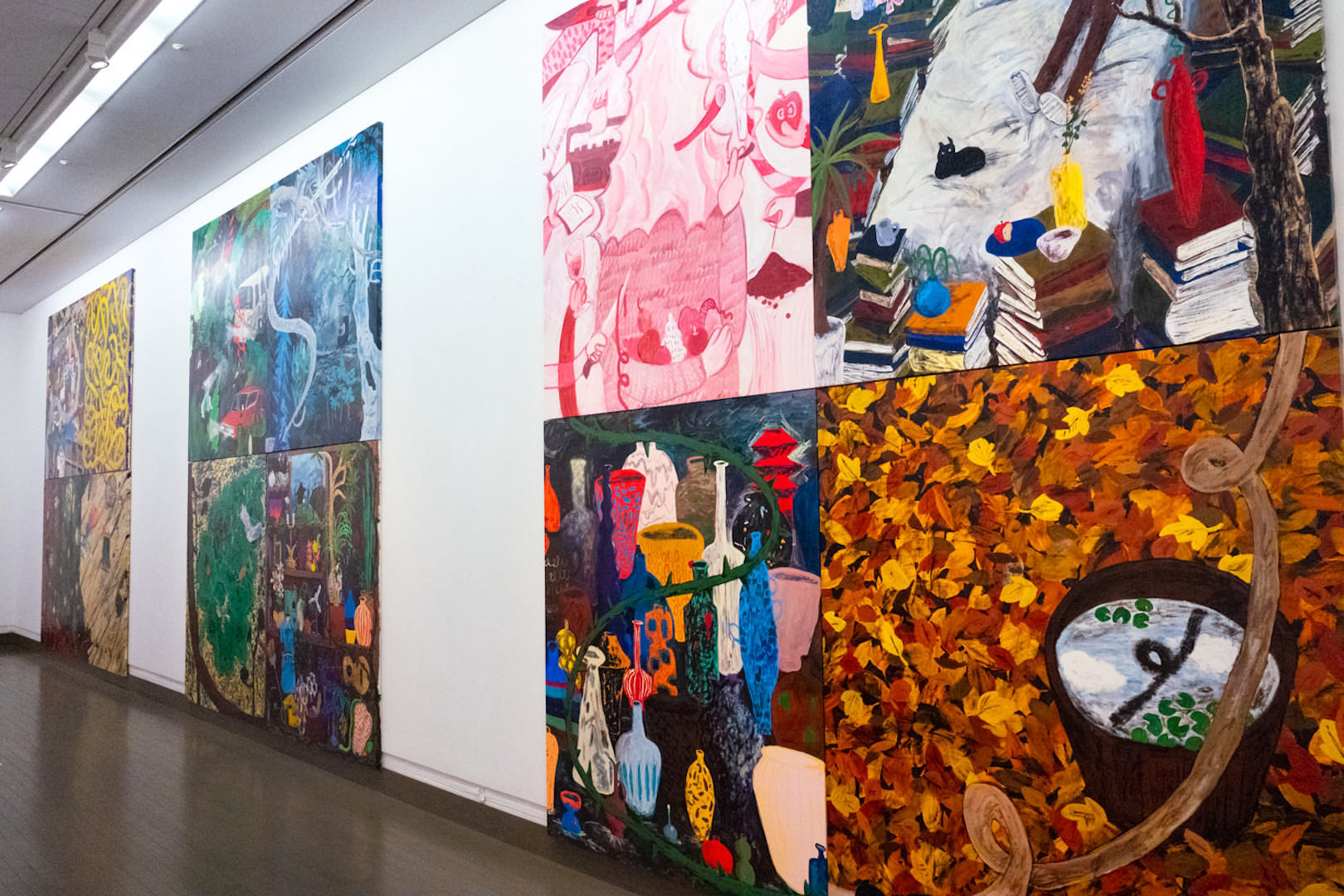
“Kawa Tombi” was shown outdoors, exposed to the elements, along “Ringwanderung” — a circular walking path cut through the mountainside behind the National Hansen’s Disease Sanatorium on Oshima Island. Measuring 4 m × 12 m, the piece felt even more monumental here than it had on-site.
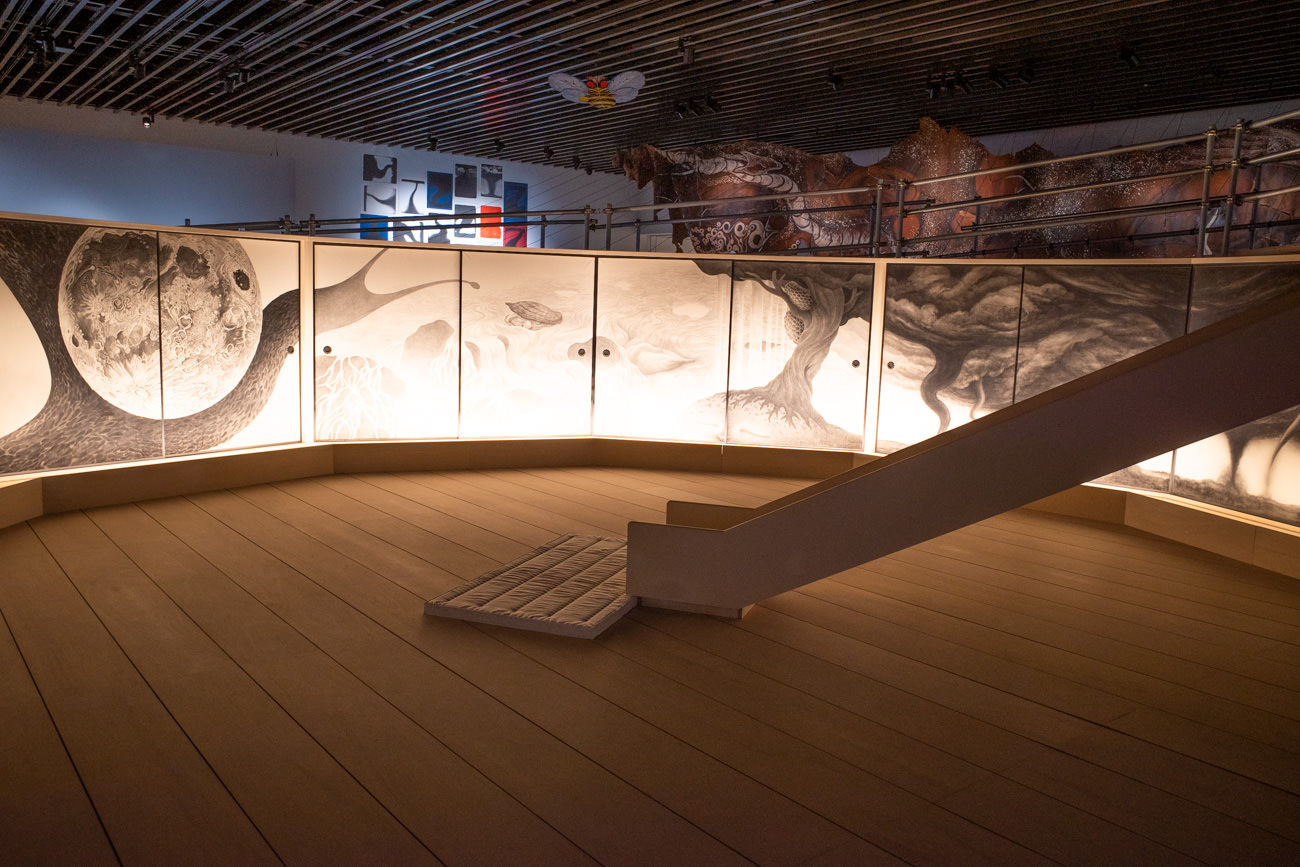
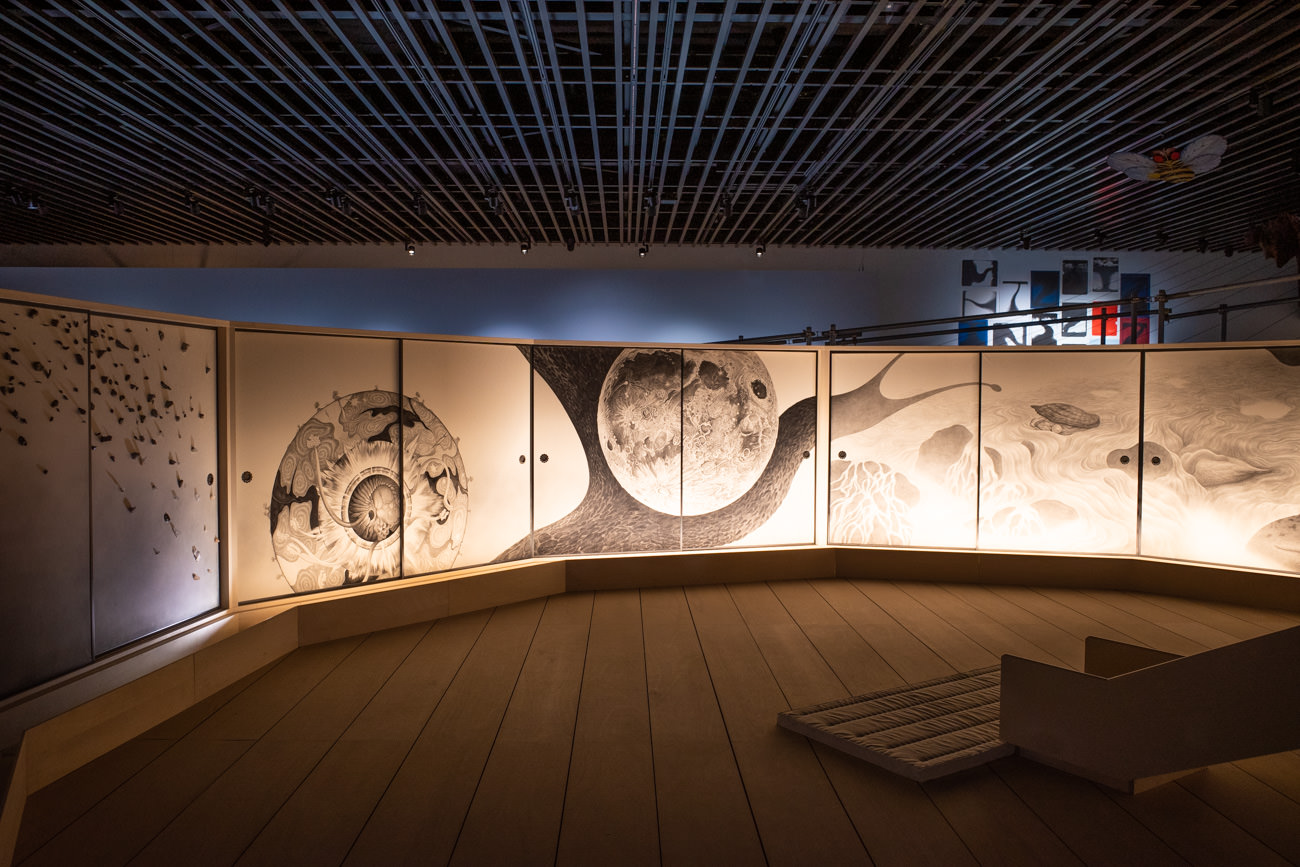
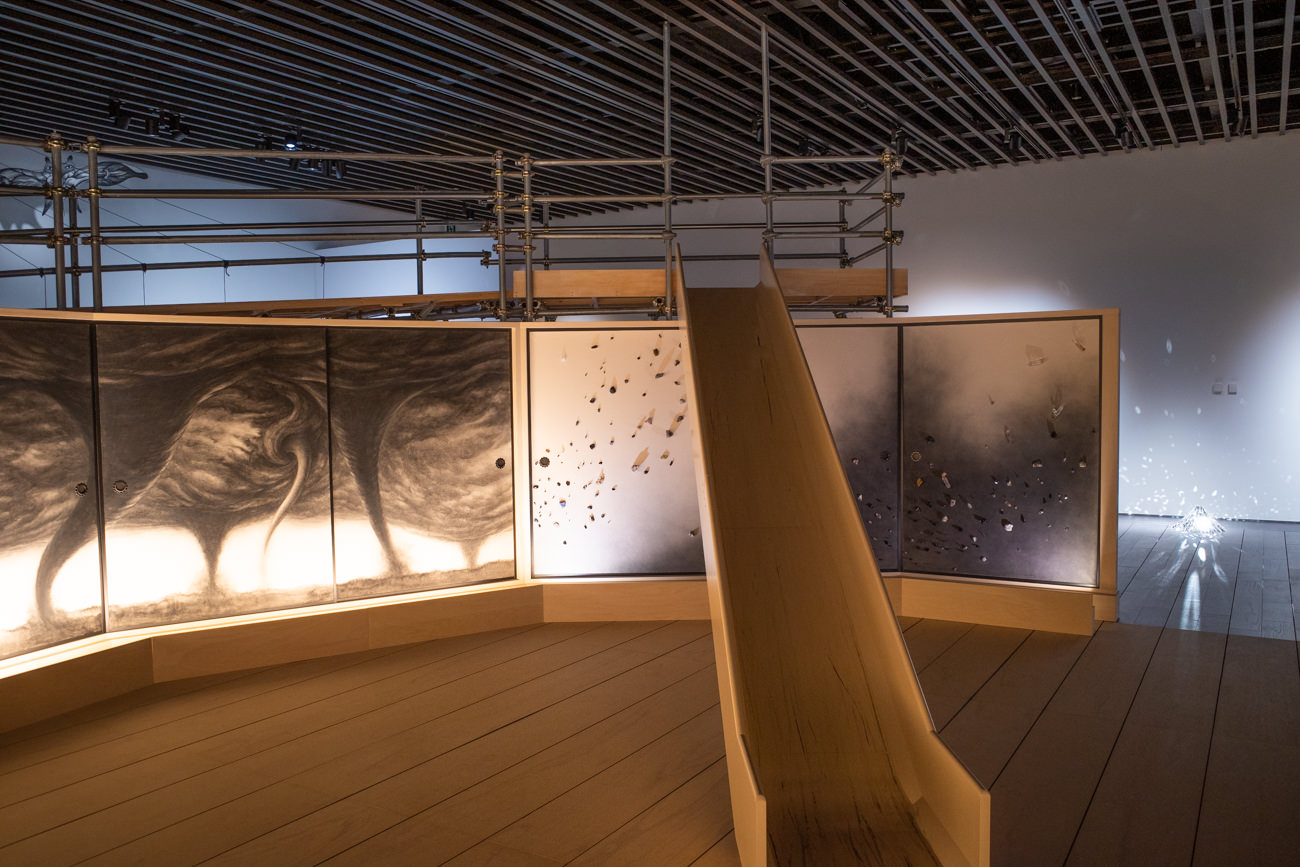
The new work “Fusuma-e (Sliding Door Paintings)” was a large piece installed in a circular arrangement. A slide that suddenly appears at the center draws the viewer’s gaze.
Tomoko Konoike, “Fusuma-e (Sliding Door Paintings),” installation, 2020
The slide is solidly built so that viewers can actually ride it.
Through this bodily experience, the encounter with the work was inscribed as something tangible.
From the high vantage point at the start of the slide down to the low viewpoint at the bottom, I enjoyed the shifting sensations while surrounded by the art on all sides.
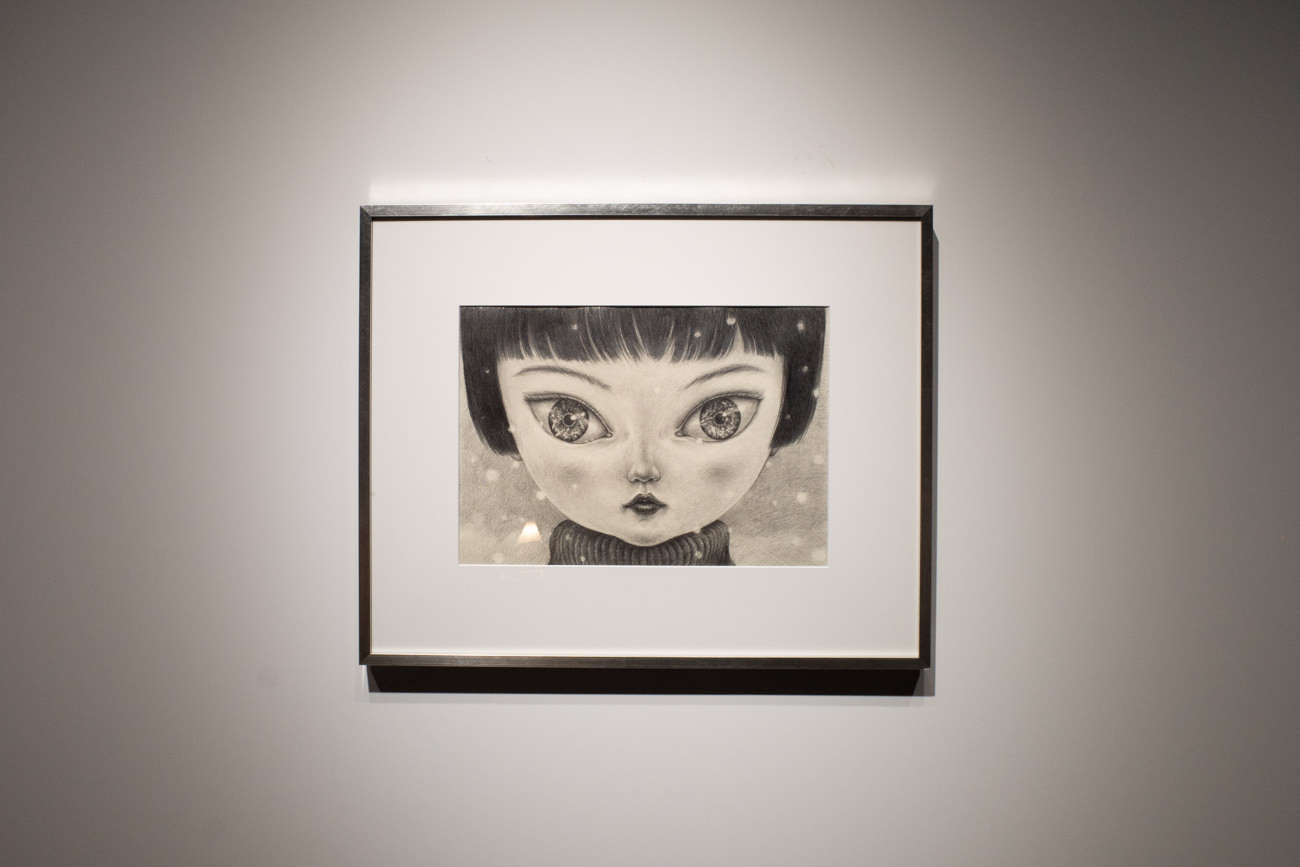
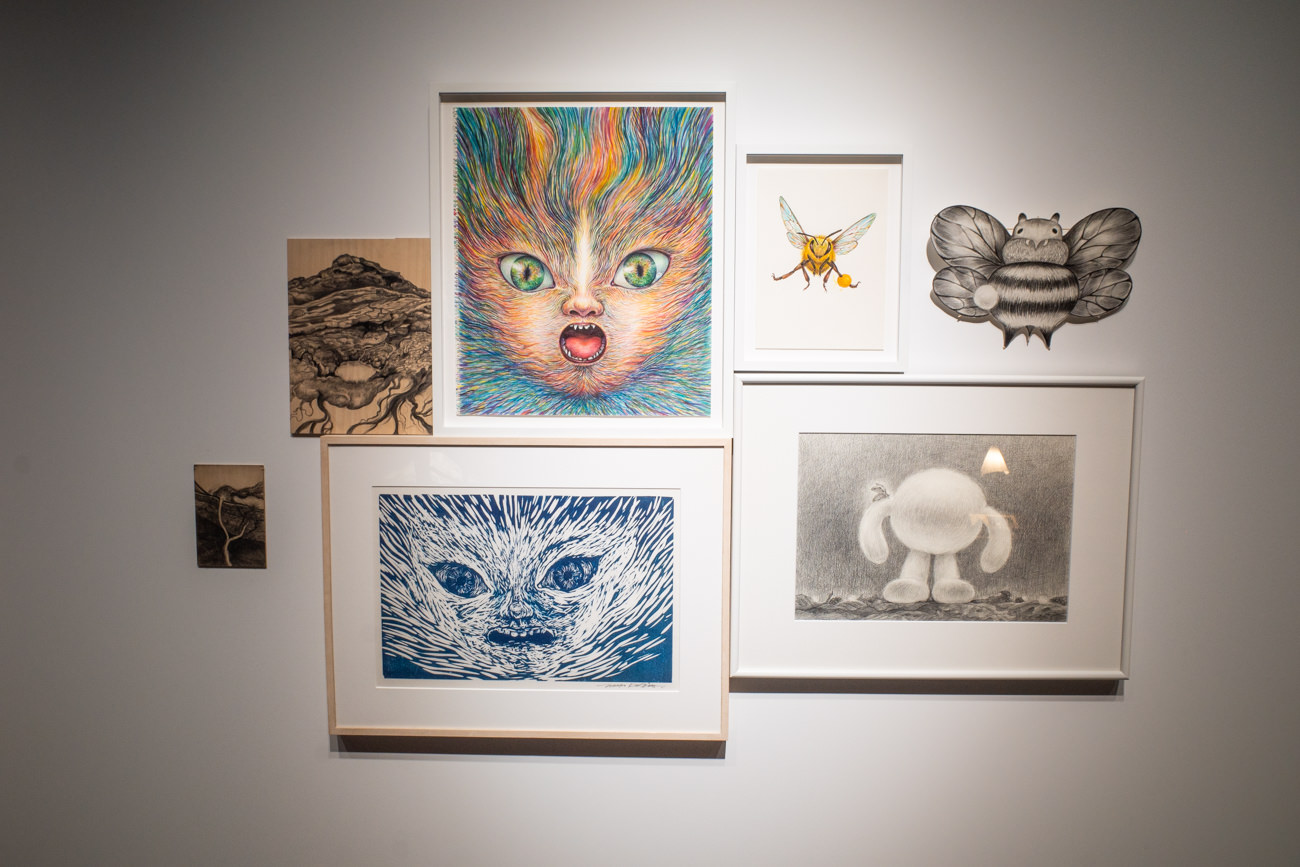
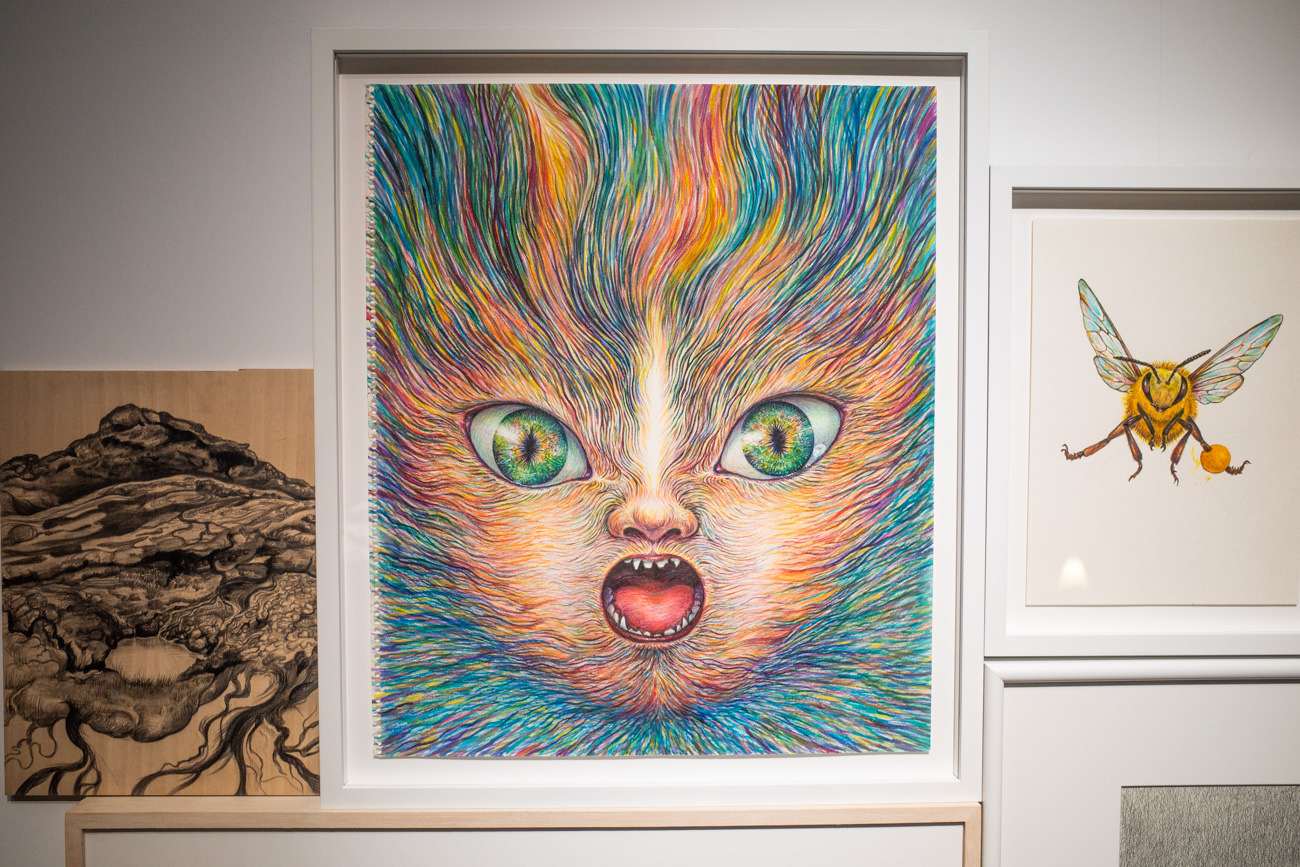
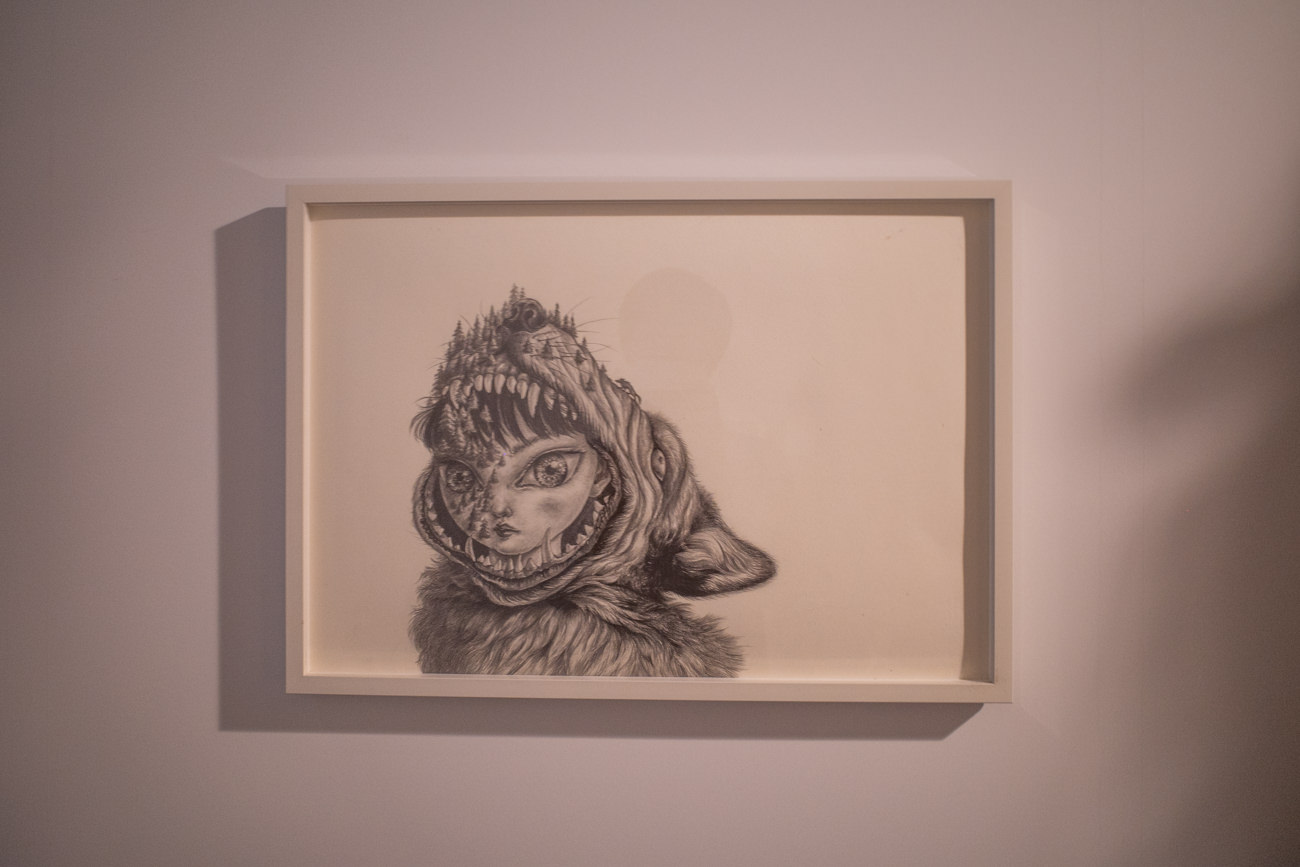
Tomoko Konoike, “Fusuma-e (Sliding Door Paintings),” installation, 2020Tomoko Konoike, “Miyu — First Snow,” 2012Installation viewTomoko Konoike, “Wild Things – Hachilympic,” 2020 *Original artwork for the official Tokyo 2020 poster
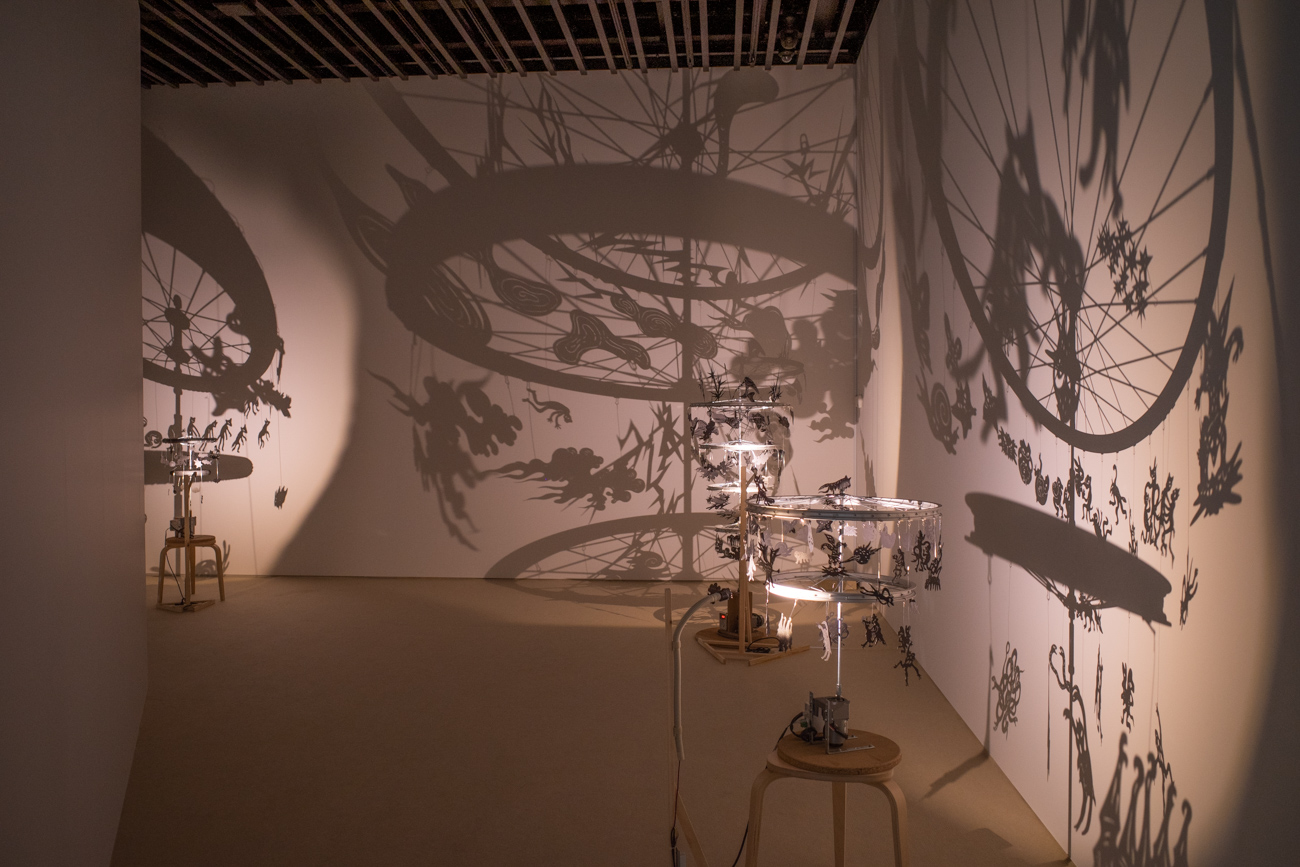
“Kage-e Toro (Shadow-Picture Lantern)” is a shadow-picture work in which wheels attached to a rotating axis turn.
The movements of the characters, transformed into shadows, seemed to be imbued with life.
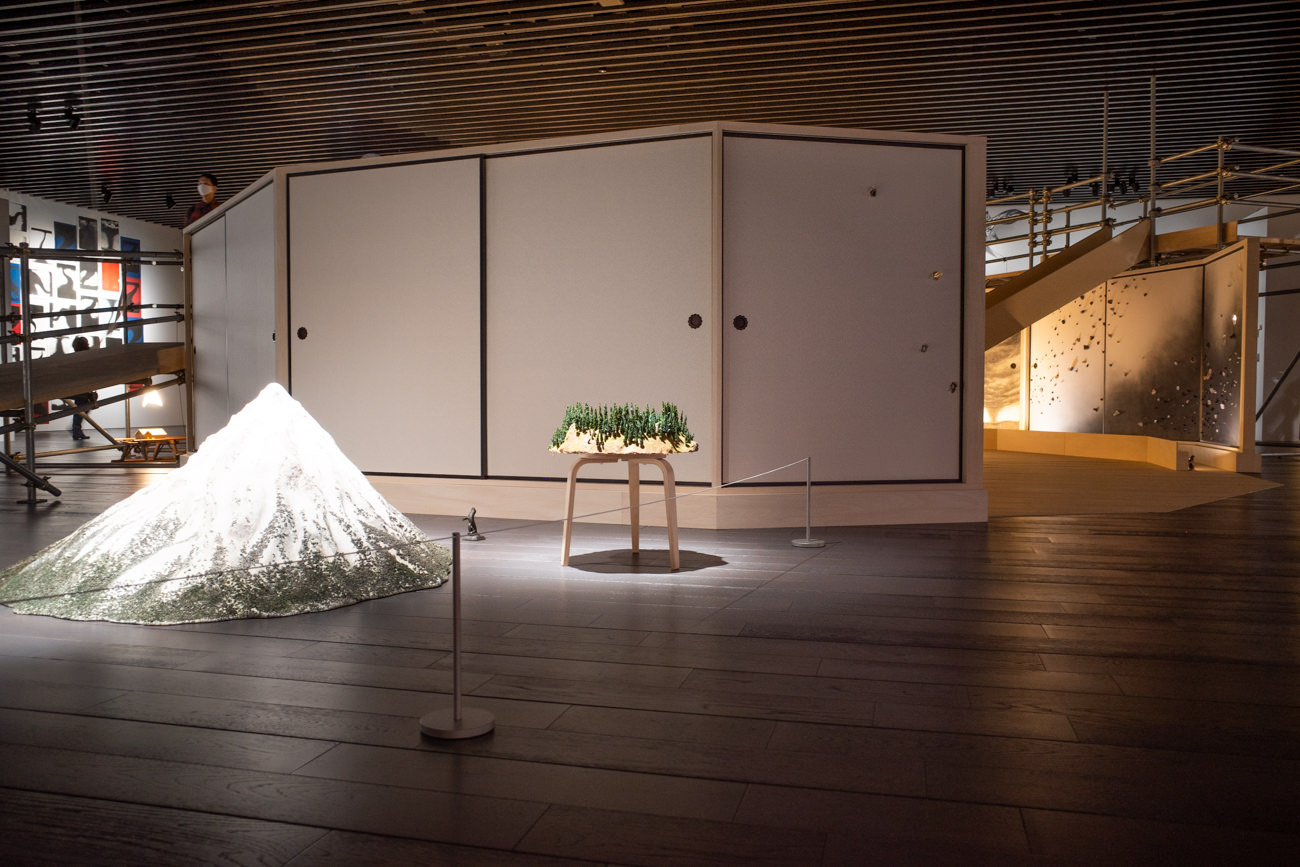
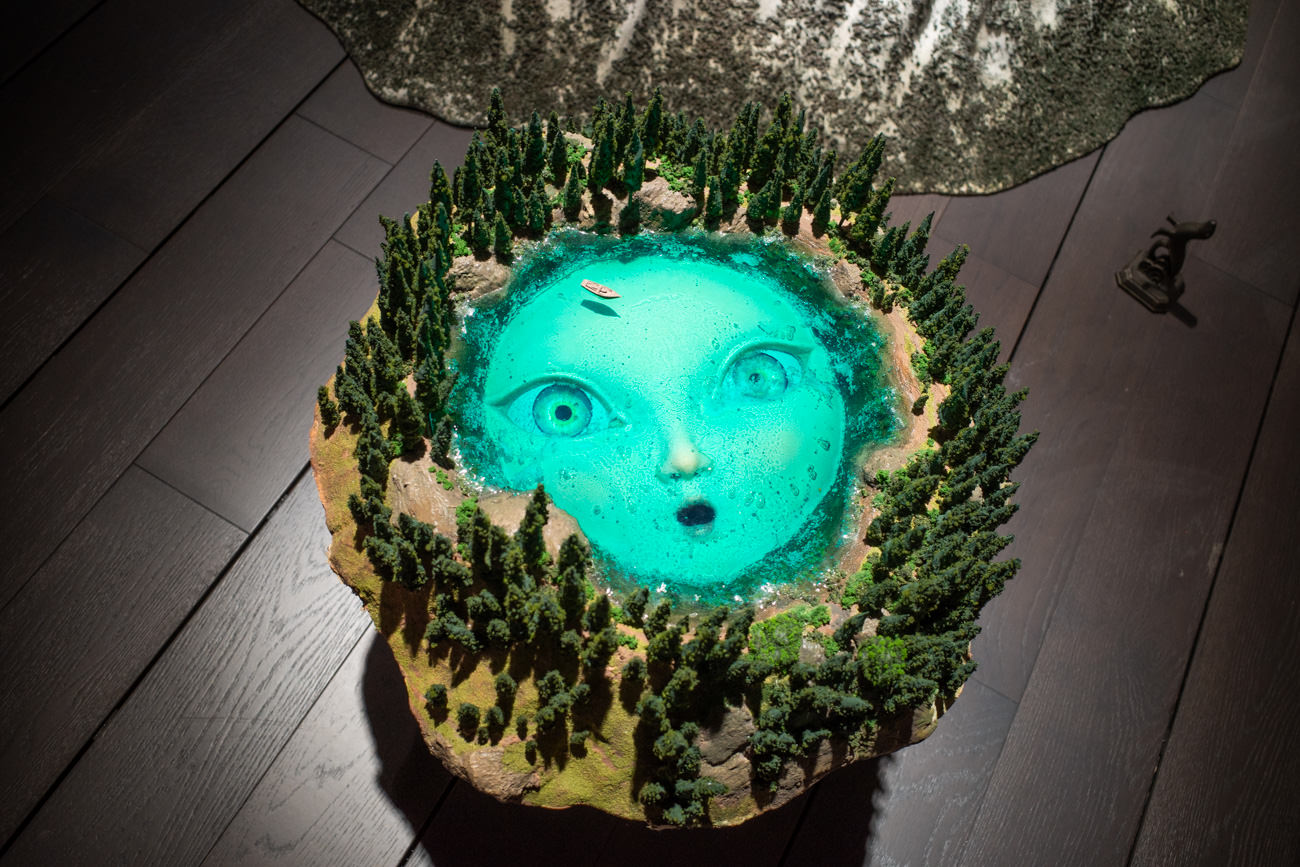
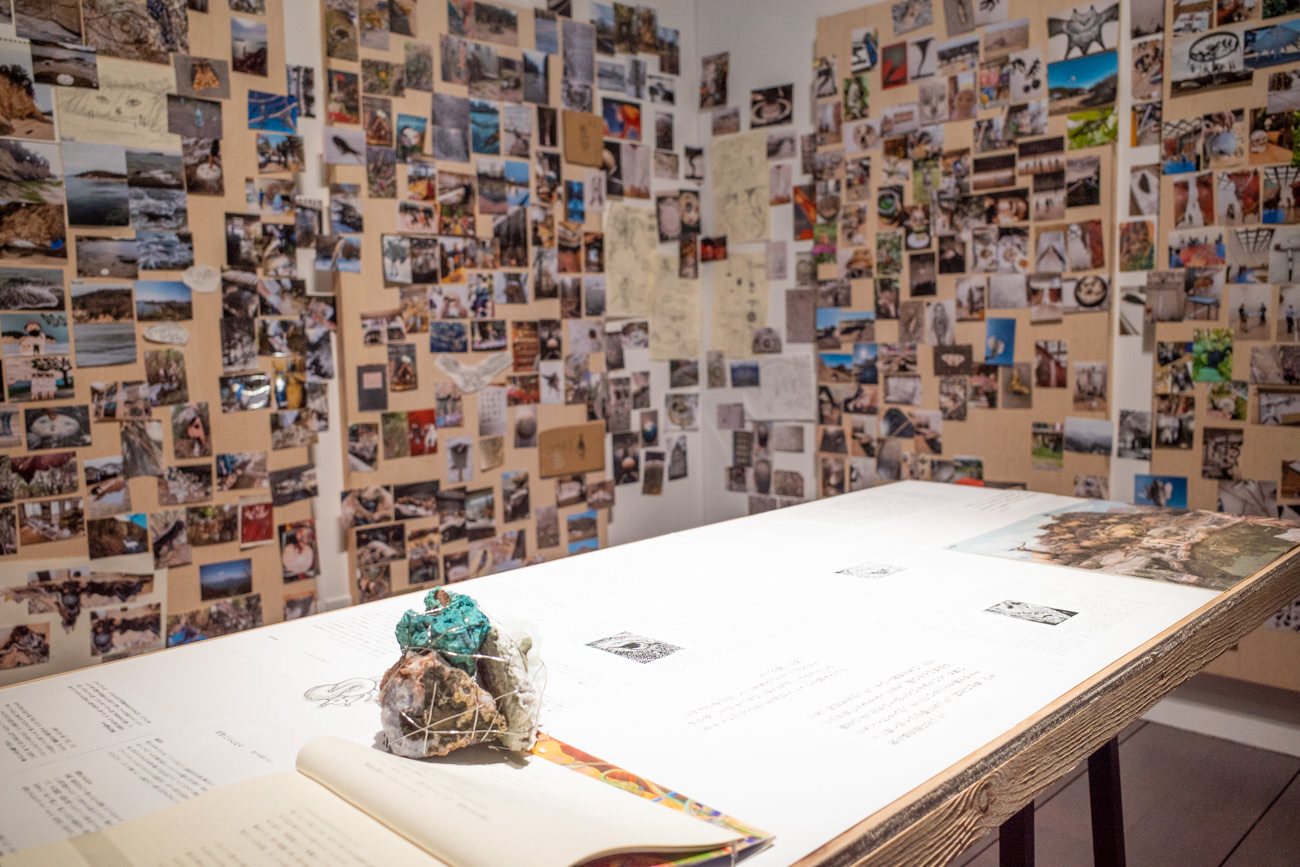
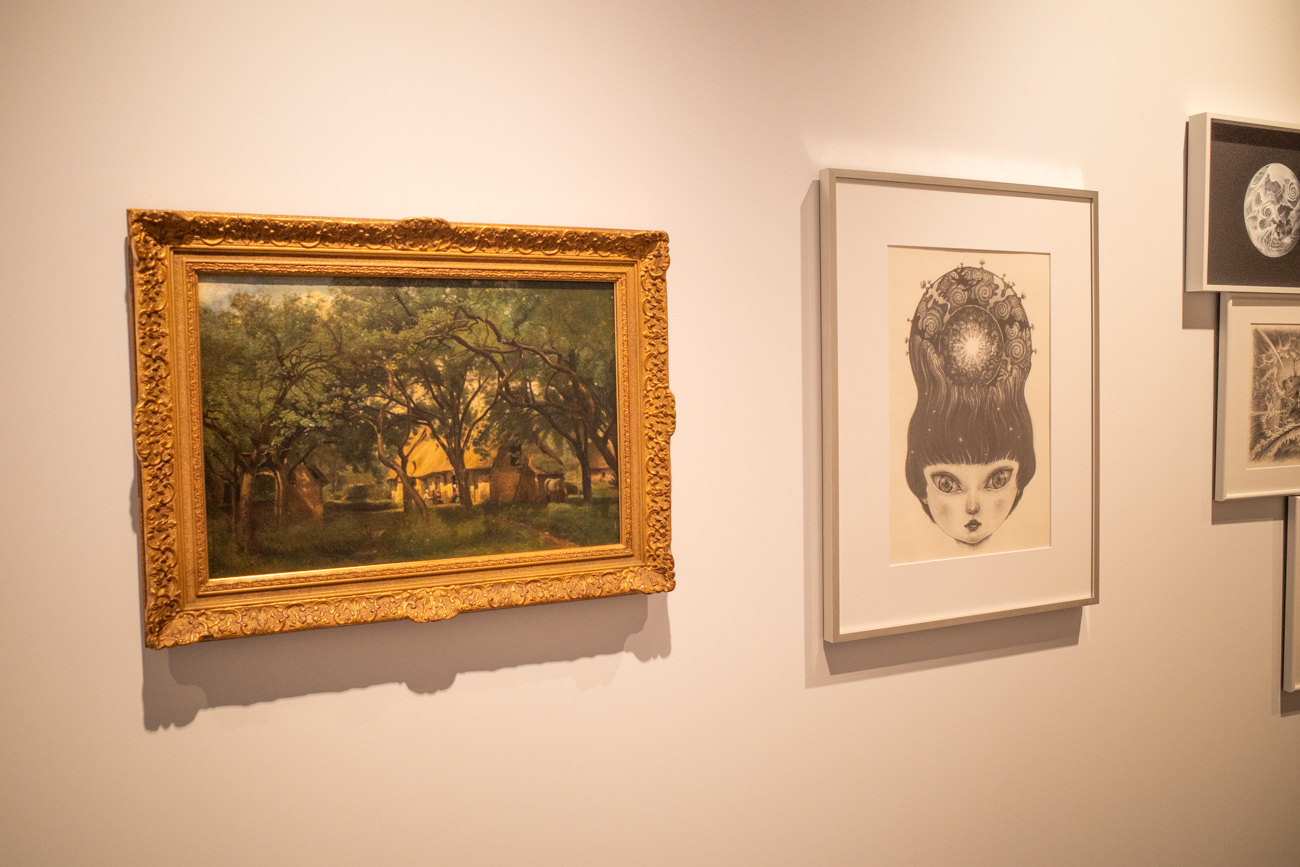
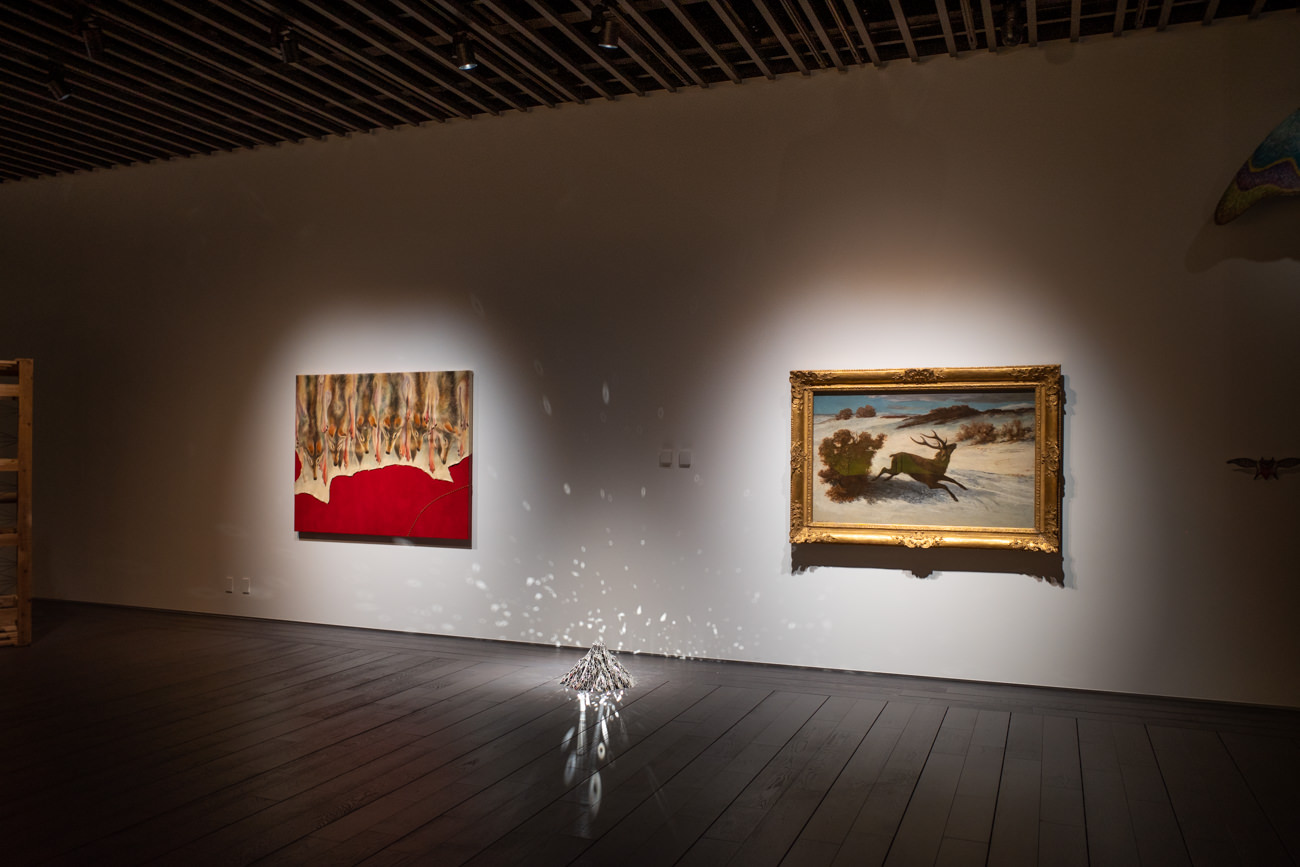
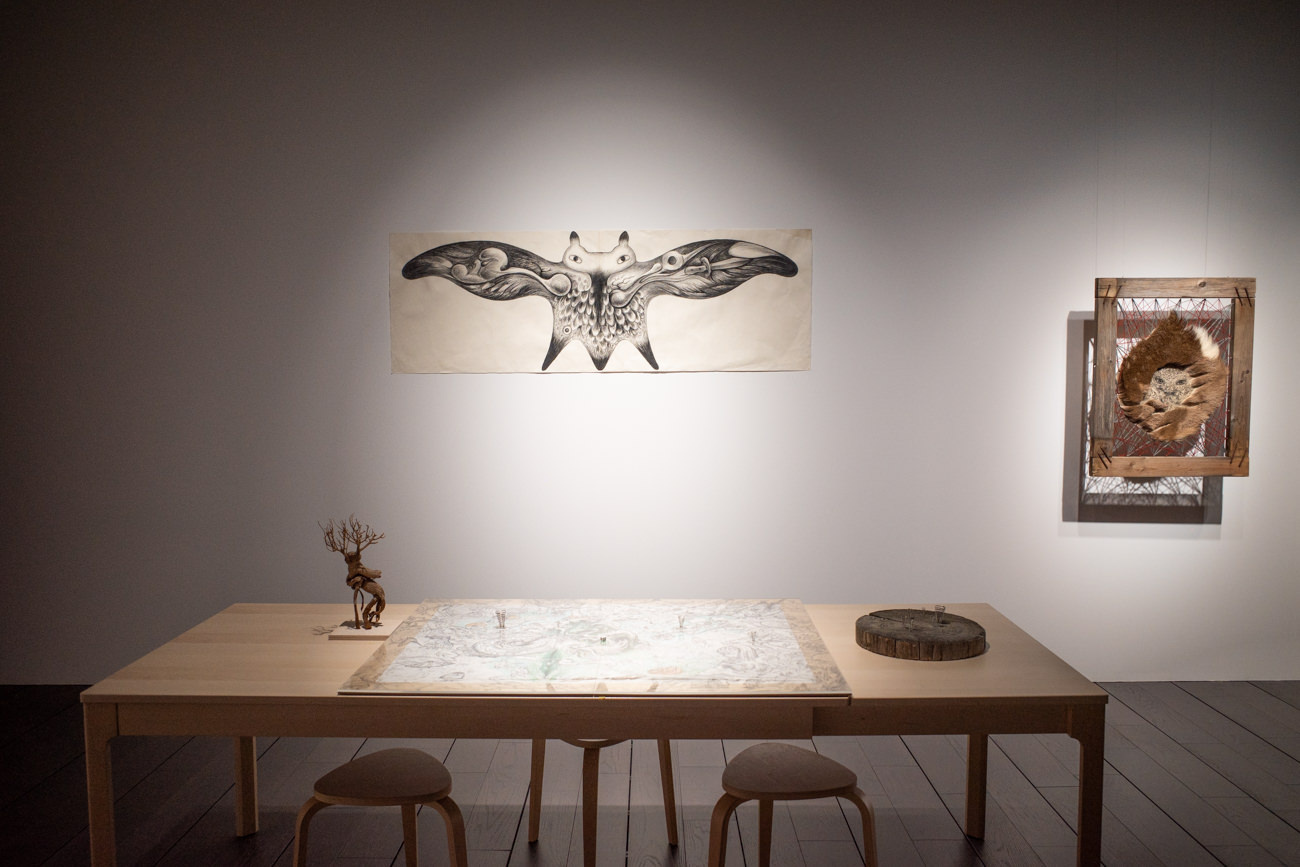
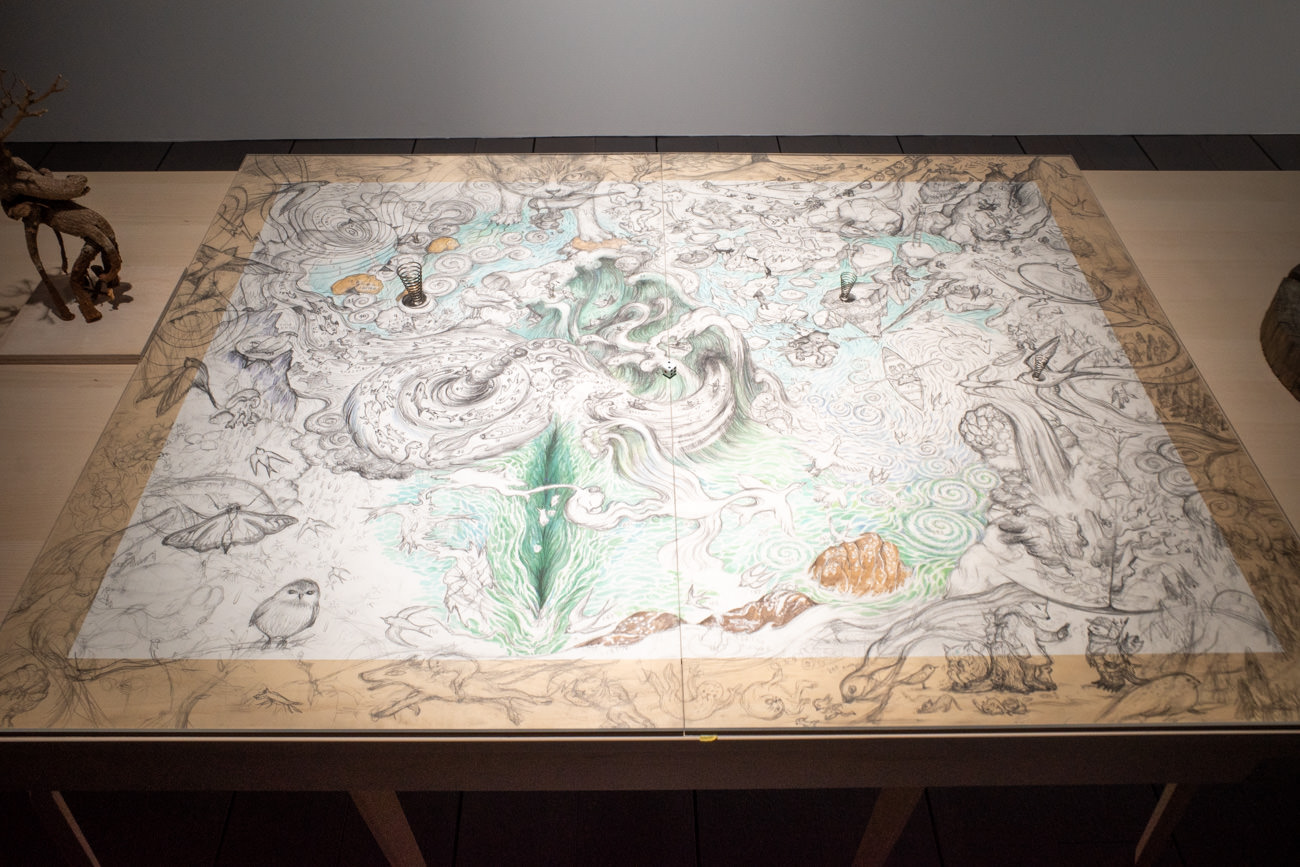
Tomoko Konoike, “Kage-e Toro (Shadow-Picture Lantern),” installation, 2020Left: Tomoko Konoike, “Mountain Diorama,” 2013 Right: Tomoko Konoike, “Lake Diorama,” 2013Tomoko Konoike, “Lake Diorama,” 2013Installation view — photographs and sketches from various projects were on displaySketches for “Ringwanderung” at the Setouchi TriennaleLeft: Camille Corot, “Toutain Farm at Honfleur,” 1845 *Ishibashi Foundation, Artizon Museum Right: Tomoko Konoike, “Miyu — Cross-Section of the Earth,” 2012Installation view
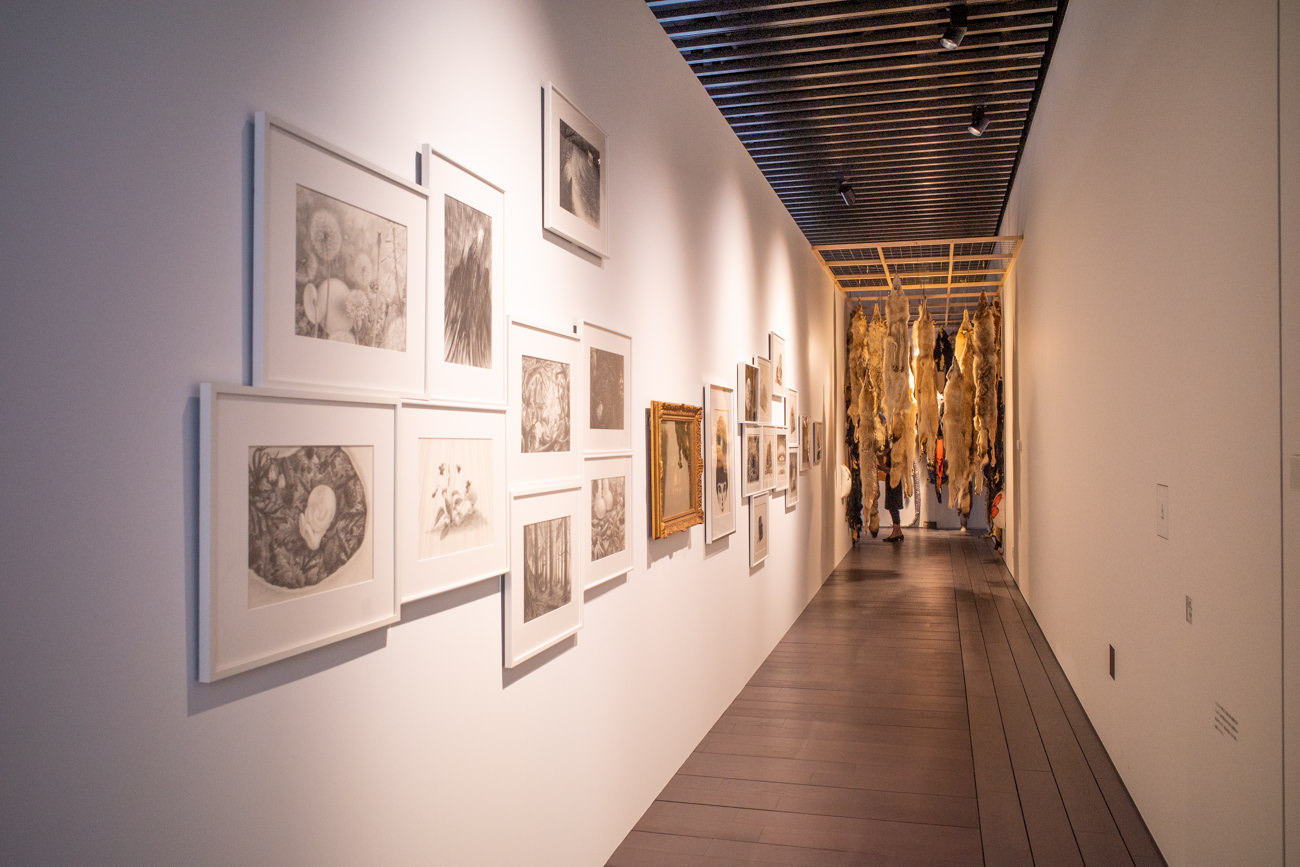
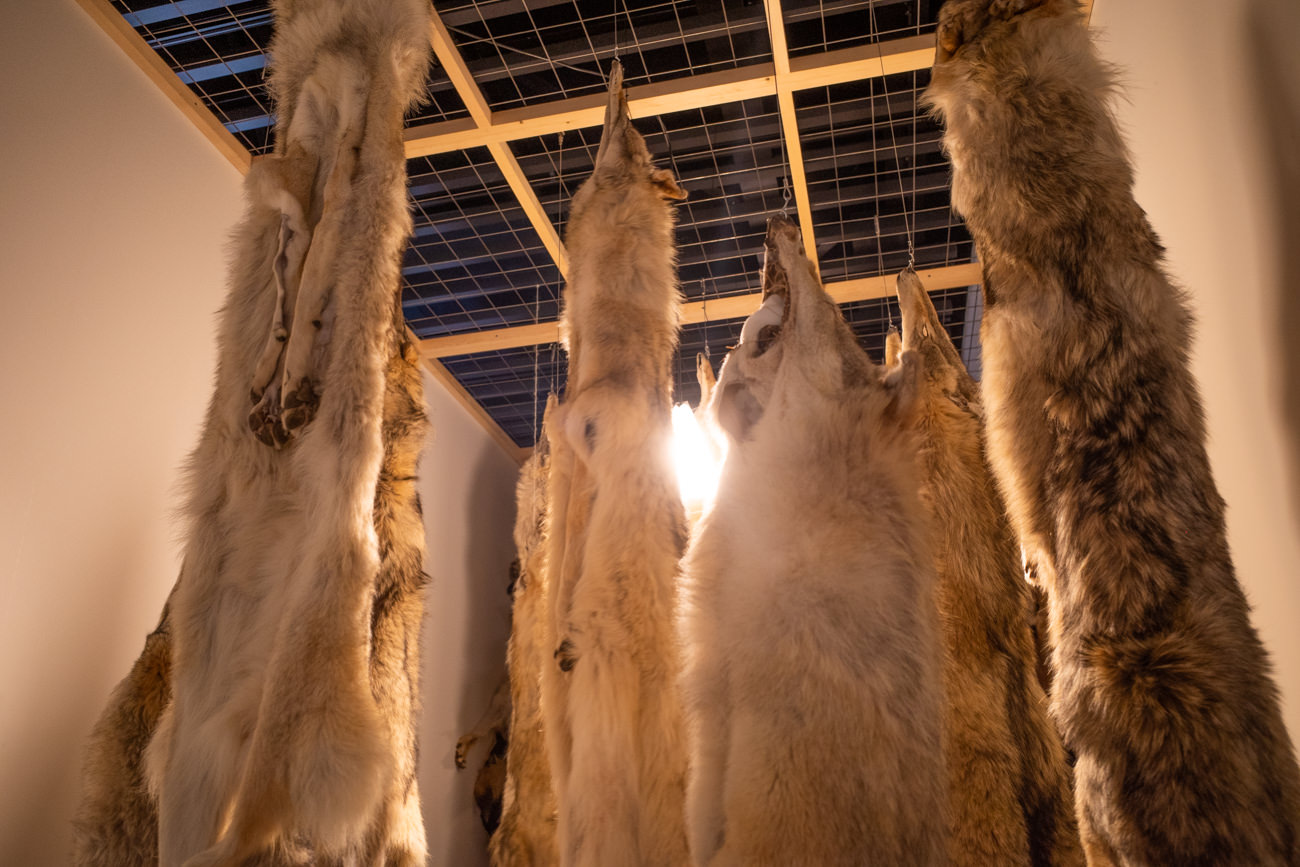
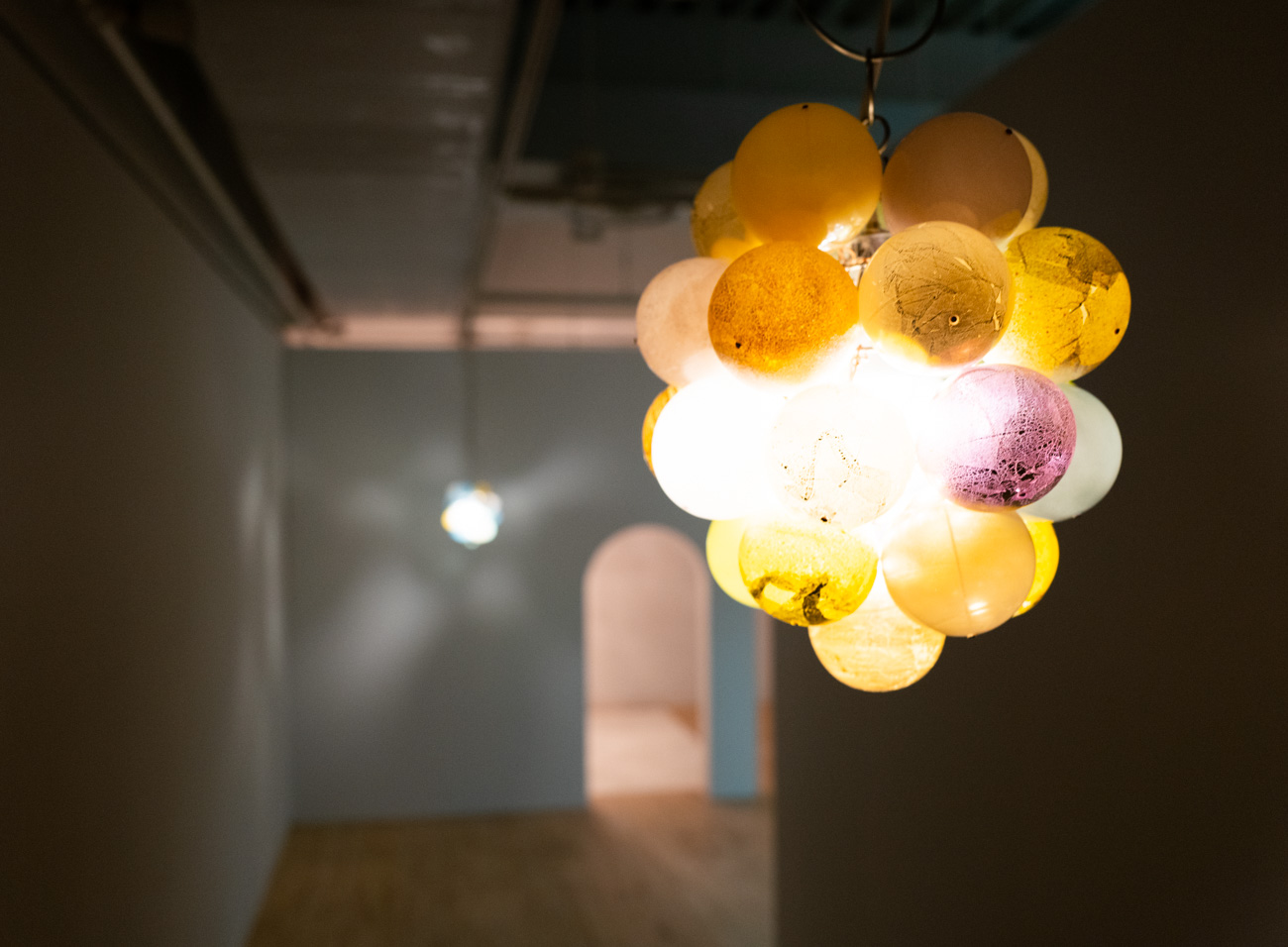
There was also a section of the exhibition where visitors thread their way through suspended animal hides, allowing them to feel the skin directly — a signature aspect of Konoike’s expressive practice.
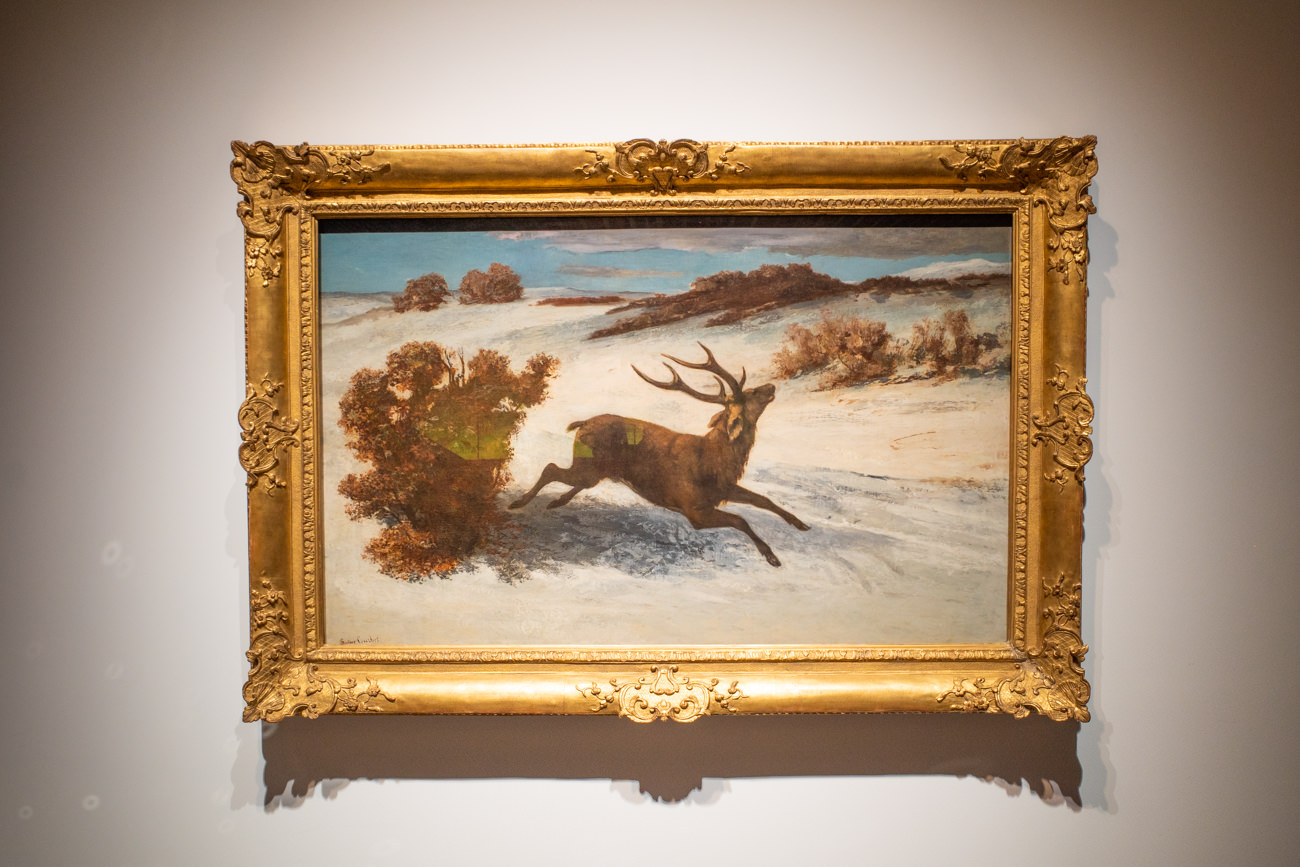
Described as an exhibition of new works inspired by specific pieces from the Ishibashi Foundation Collection and of fresh perspectives generated by a session between the collection and the artist, the three pieces drawn from the collection were reportedly selected by the curator.
Tomoko Konoike’s grand-scale works felt somewhat cramped in the Artizon Museum’s galleries, yet the show invited deep reflection on what it means to live and to feel life itself.
【Jam Session】Tomoko Konoike “Flip”
“Jam Session”是Ishibashi Foundation Collection与当代美术家共演的策划系列。
本次我造访了系列首回,以Tomoko Konoike为特邀艺术家而策划的Tomoko Konoike “Flip”展。展场是Artizon Museum。
Tomoko Konoike《Fusuma-e (Sliding Door Paintings)》装置 2020年Tomoko Konoike《Miyu — First Snow》2012年展览现场Tomoko Konoike《Wild Things – Hachilympic》2020年 ※东京2020官方海报原画
또 하나는 Setouchi Triennale 2019에서 발표된 《Kawa Tombi (Skin Kite)》입니다.
《Kawa Tombi》는 국립 한센병 요양소가 있는 오시마에서, 요양소 뒤편 산길을 개척하여 순환할 수 있는 산책로 “Ringwanderung” 안에 노천으로 전시되었던 작품입니다. 4m×12m의 대형 작품인데, 현지에서 보았을 때보다도 스케일감이 더욱 크게 느껴져 압도되었습니다.
Tomoko Konoike 《Kawa Tombi (Skin Kite)》 2019년《Kawa Tombi》※Detail《Kawa Tombi》※DetailSetouchi Triennale 2019 오시마 “Ringwanderung” 내 《Kawa Tombi》 전시 전경
신작 《Fusuma-e (Sliding Door Paintings)》는 원형으로 설치된 대형 작품이었습니다. 또한 중앙에 갑자기 등장하는 미끄럼틀에 시선이 빨려 들어갑니다.
Tomoko Konoike 《Fusuma-e (Sliding Door Paintings)》 인스톨레이션 2020년
미끄럼틀은 관람객이 실제로 탈 수 있도록 튼튼하게 제작되어 있습니다.
신체를 사용한 체험을 통해 감상 경험이 확실한 것으로서 새겨졌습니다.
높은 지점의 출발 지점부터, 미끄러져 내려온 뒤 낮은 시점에 이르기까지, 미술작품에 둘러싸인 채로 감각의 변화를 즐길 수 있었습니다.
Tomoko Konoike 《Fusuma-e (Sliding Door Paintings)》 인스톨레이션 2020년Tomoko Konoike 《Miyu — First Snow》 2012년전시 전경Tomoko Konoike 《Wild Things – Hachilympic》 2020년 ※도쿄 2020 공식 포스터 원화
《Kage-e Toro (Shadow-Picture Lantern)》는 회전축에 부착된 바퀴가 도는 그림자 그림 작품입니다.
그림자 그림으로 전환된 캐릭터들의 움직임에는 생명이 깃들어 있는 듯했습니다.
Tomoko Konoike 《Kage-e Toro (Shadow-Picture Lantern)》 인스톨레이션 2020년왼쪽: Tomoko Konoike 《Mountain Diorama》 2013년 오른쪽: Tomoko Konoike 《Lake Diorama》 2013년Tomoko Konoike 《Lake Diorama》 2013년전시 전경 — 다양한 프로젝트의 사진과 스케치가 전시되어 있었습니다Setouchi Triennale “Ringwanderung”의 스케치왼쪽: Camille Corot 《Toutain Farm at Honfleur》 1845년 ※Ishibashi Foundation, Artizon Museum 오른쪽: Tomoko Konoike 《Miyu — Cross-Section of the Earth》 2012년전시 전경
매달린 모피 사이를 꿰매듯이 지나가는 전시 코너도 있어, 직접적인 피부 감각을 맛보게 하는 것도 Konoike의 특징적인 표현입니다.