STARS: Six Contemporary Artists from Japan to the World
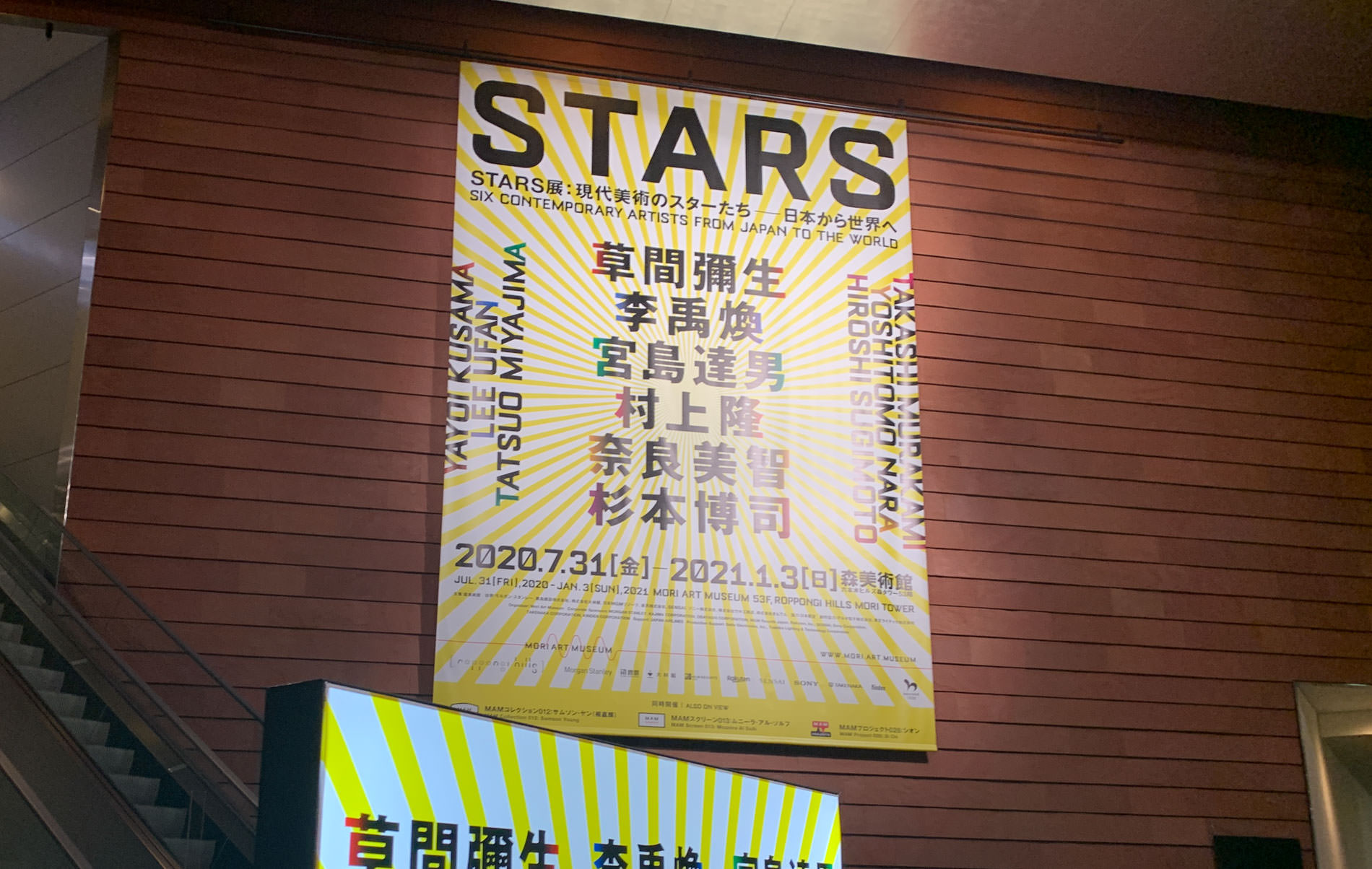
We visited “STARS: Six Contemporary Artists from Japan to the World,” currently on view at the Mori Art Museum.
Mori Art Museum
The STARS exhibition was originally planned to coincide with the Tokyo Olympics in 2020, but due to the impact of COVID-19, it opened on a delayed schedule.
The exhibition presents six artists who have transcended the framework of “Japan” to become internationally active, receiving high acclaim today across a wide range of regions and generations. It traces the arc of their careers by pairing early works with the most recent ones.
How have their practices been evaluated by the world? The show explores the pursuit of universal themes that cross borders and cultures — tradition and aesthetics, technology and subculture — against the backdrop of Japan’s unique social, cultural, and economic context.
Materials related to major exhibitions of Japanese contemporary art held abroad from the 1950s to today are also on view, offering a chance to examine the evaluative frameworks and genealogies of each era.
Tatsuo Miyajima
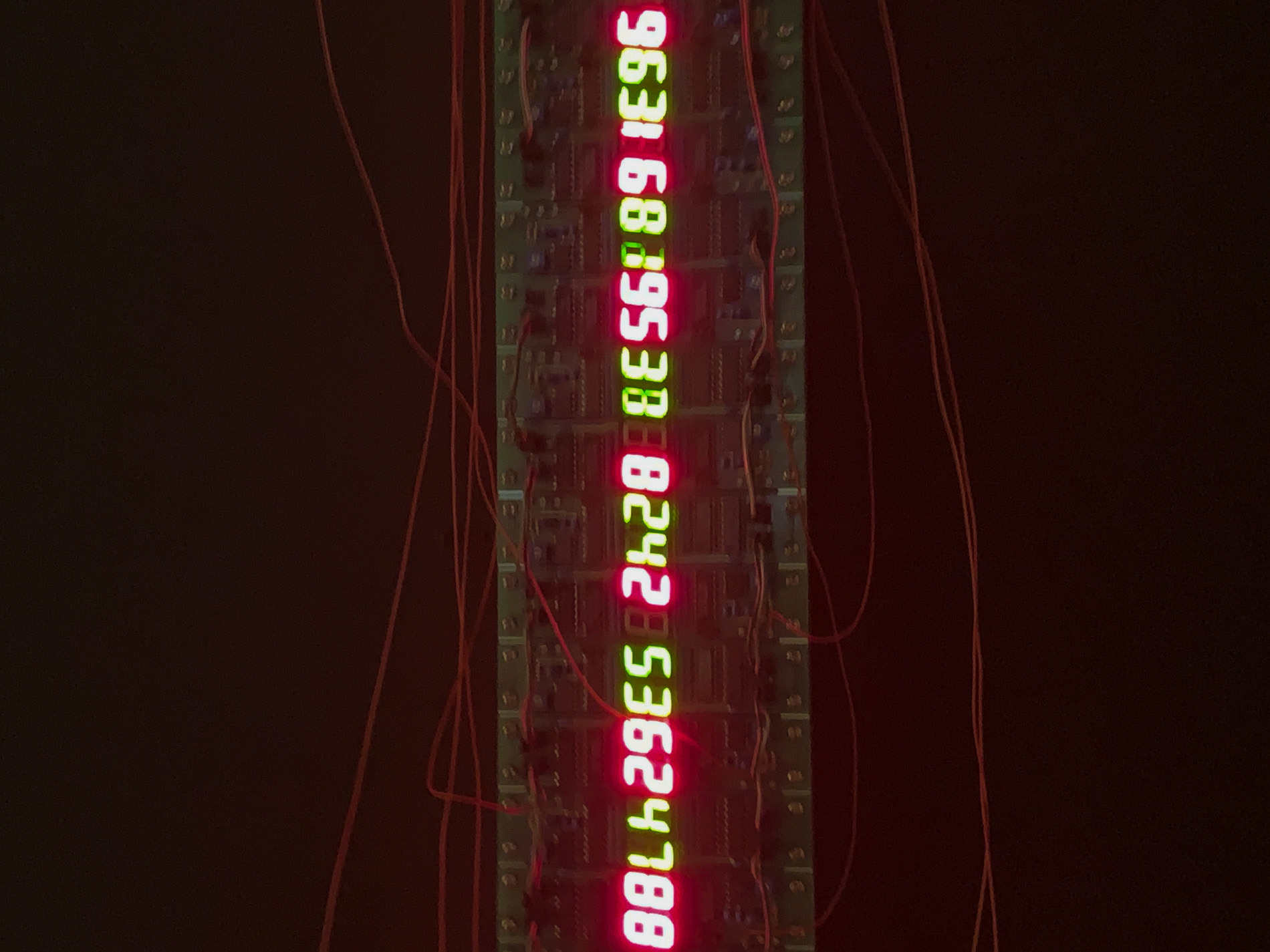
This article focuses on the works of Tatsuo Miyajima, an artist known for LED-based works such as digital counters that use light-emitting diodes (LEDs).
Three of his signature works are featured this time.
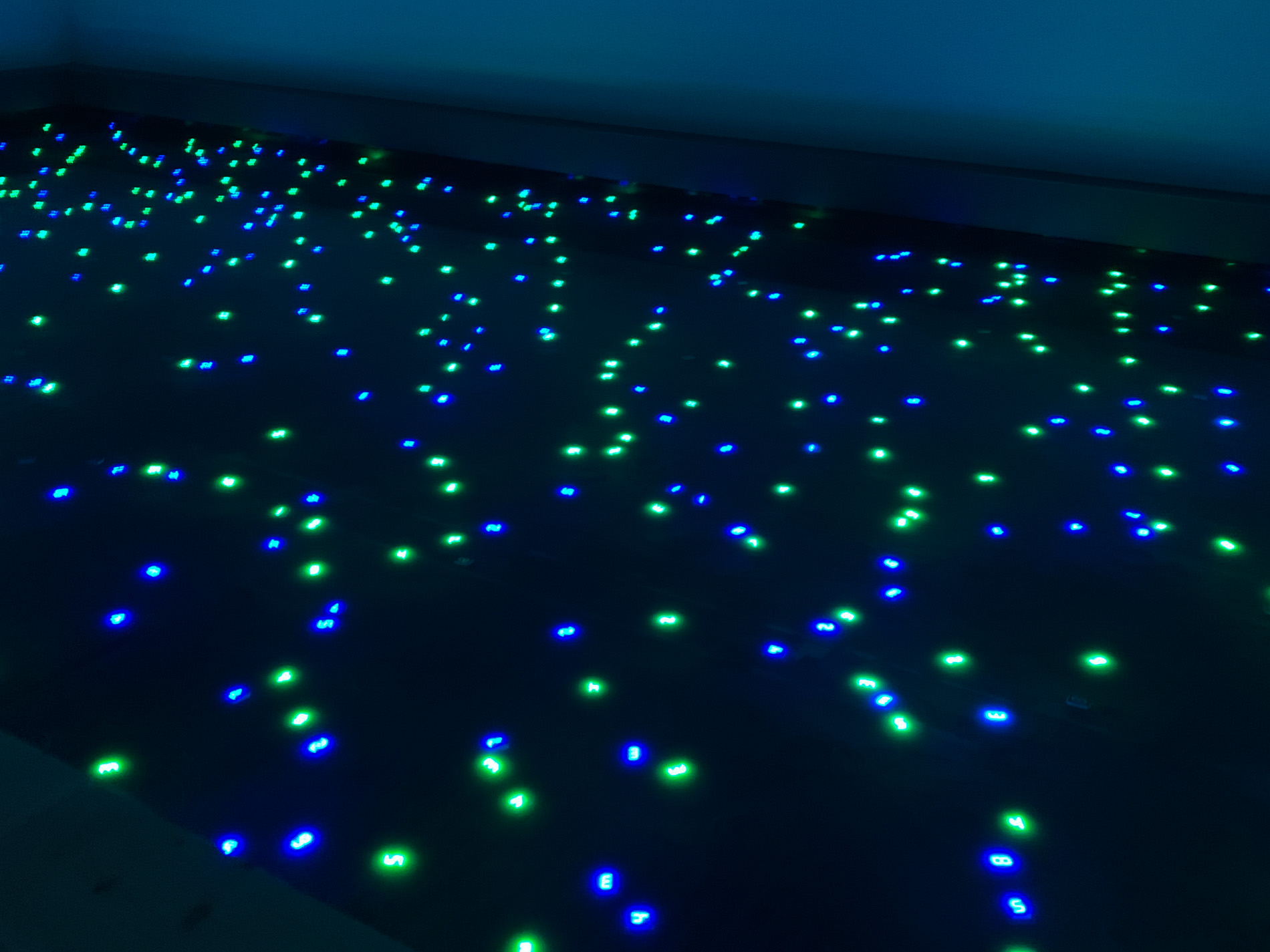
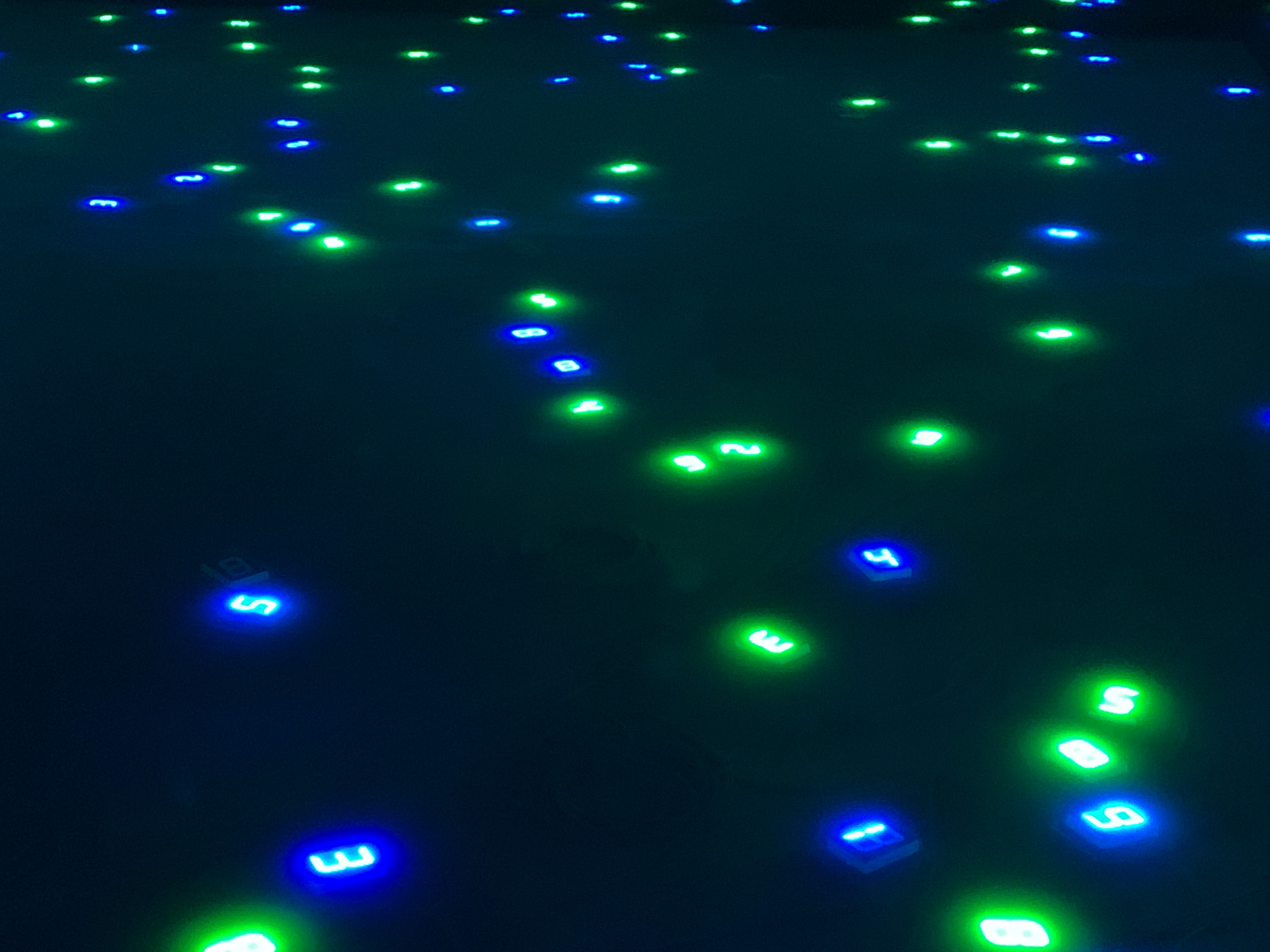
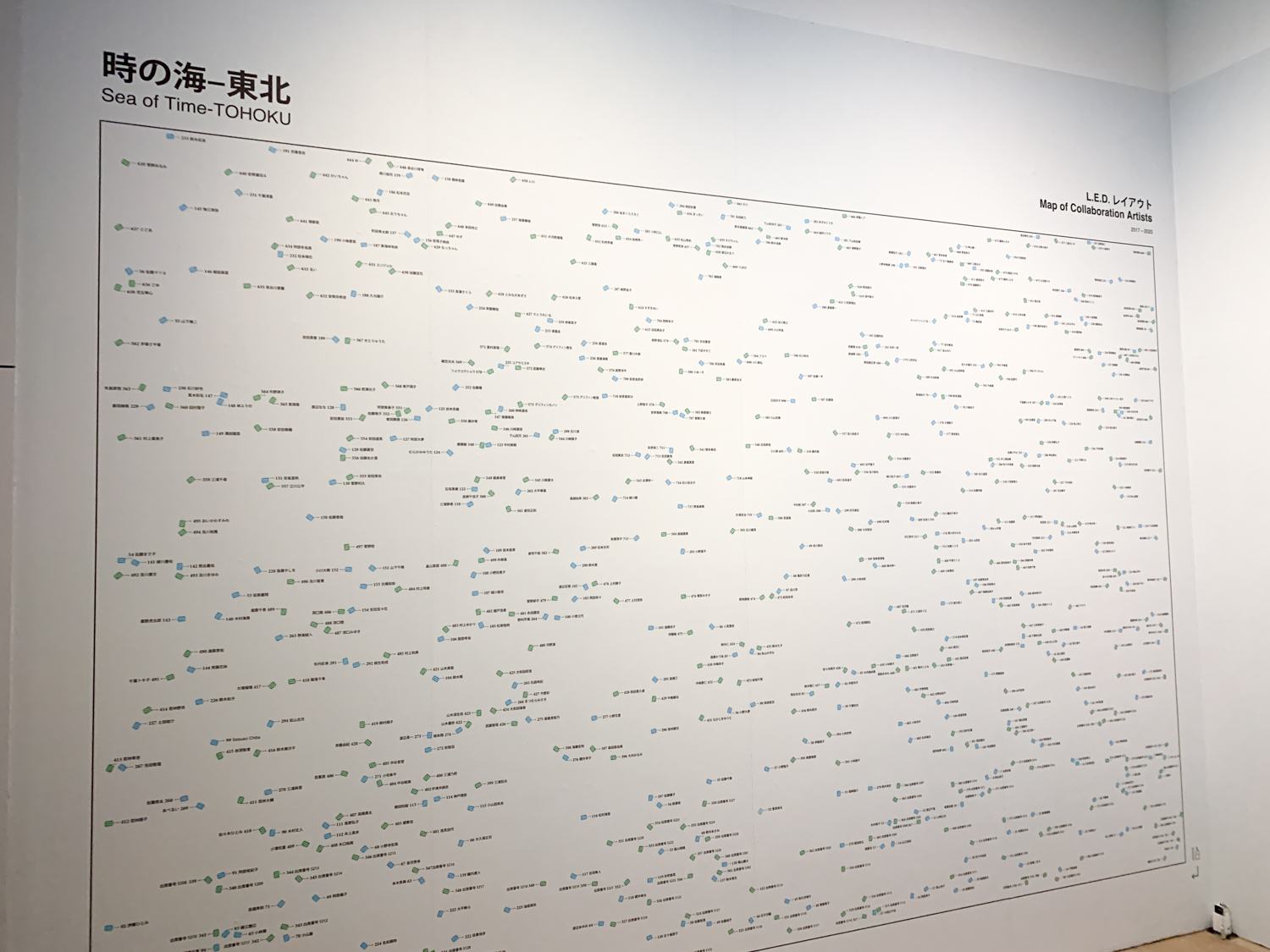
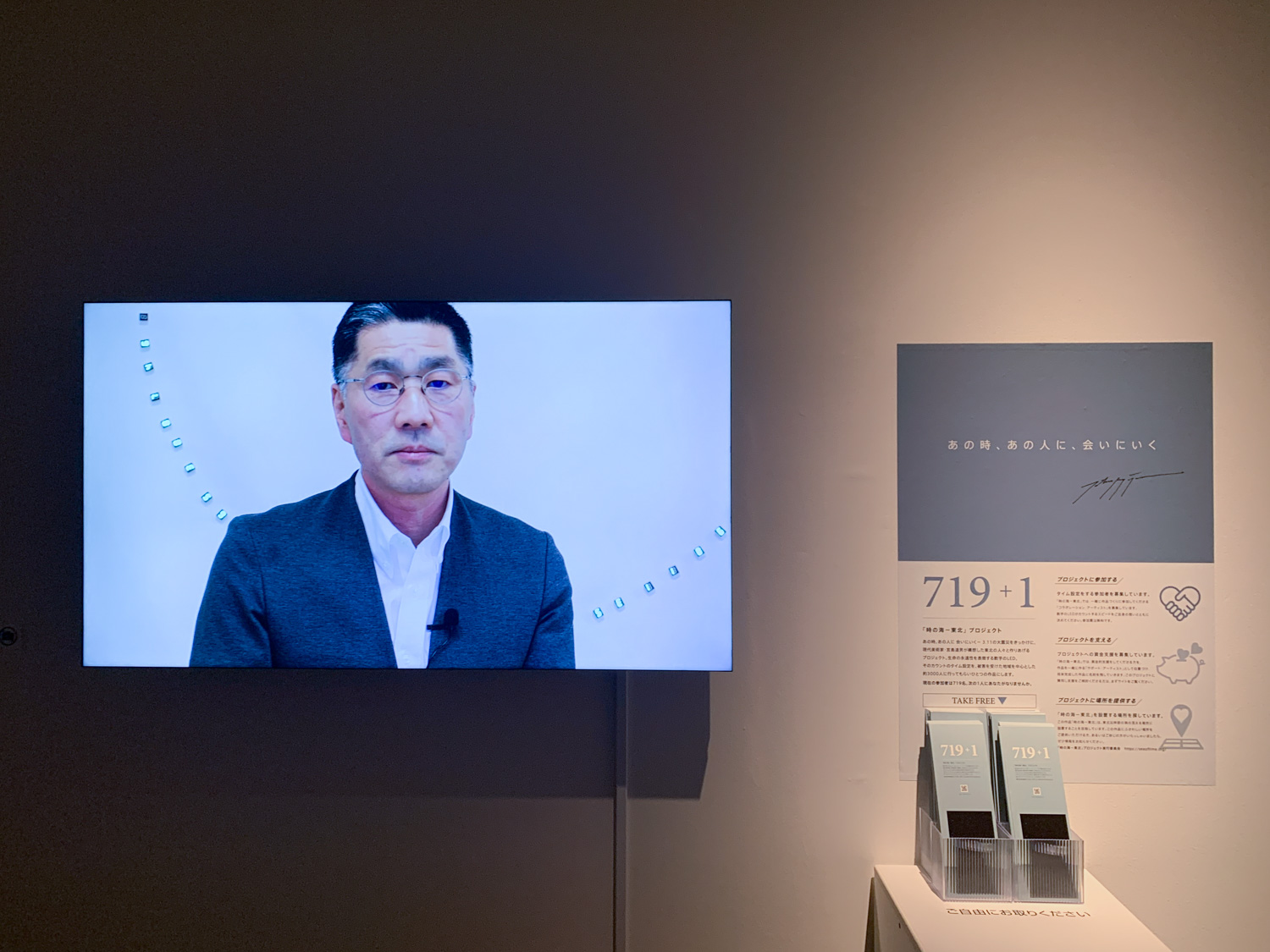
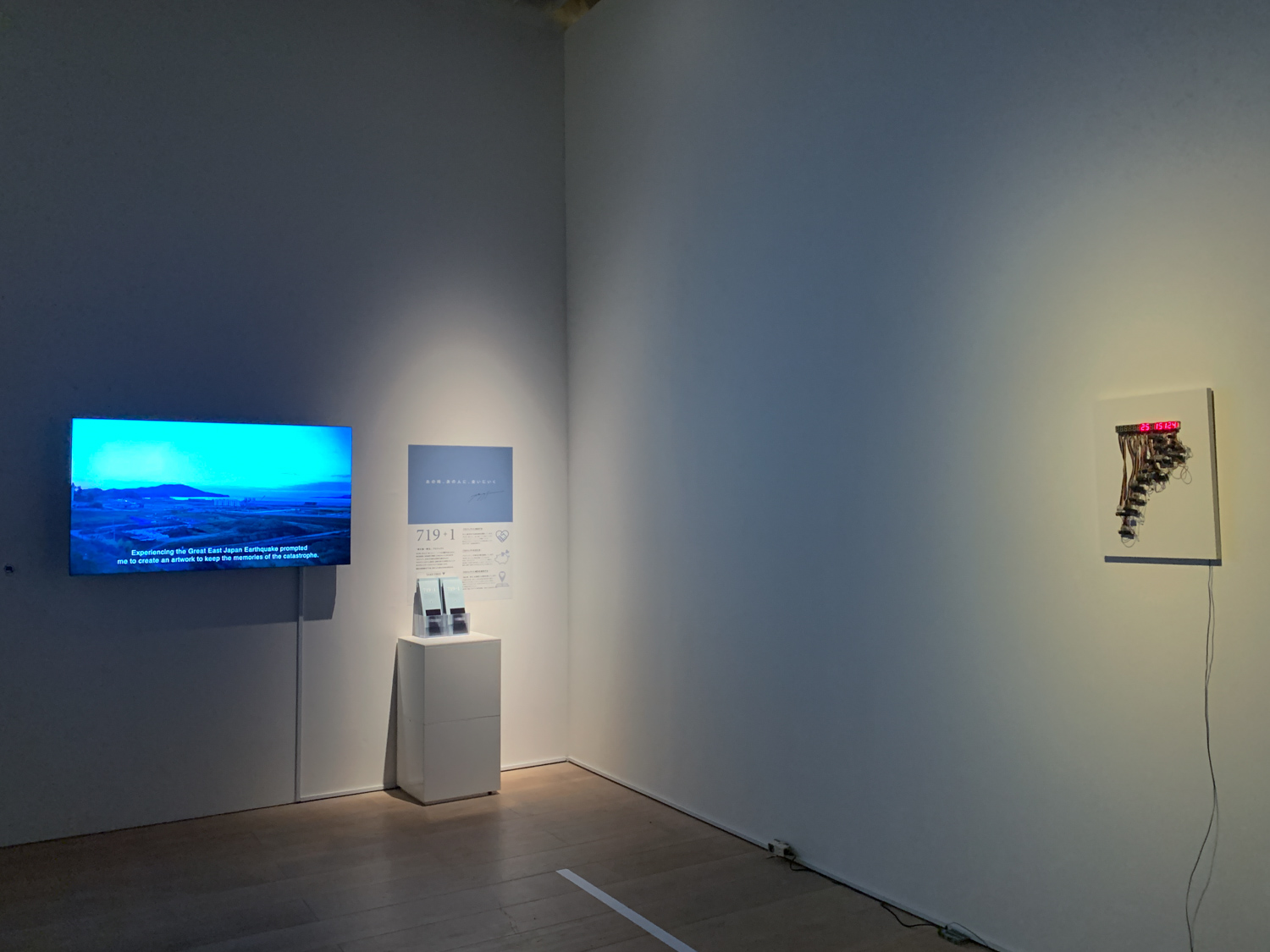
Notably, “Sea of Time — Tohoku Project (2020 Tokyo)” (2020) is an installation that mourns the victims of the Great East Japan Earthquake and seeks to pass on the memory of the disaster. It is also a development of “Sea of Time,” presented in 1988 at “Aperto 88” at the 43rd Venice Biennale.
Comprising 719 LEDs, this is one of the largest installations in the series.
Tatsuo Miyajima
Born in Tokyo in 1957. Based on the three concepts “It keeps changing,” “It connects with everything,” and “It continues forever,” Miyajima primarily creates installations and three-dimensional works using digital counters that display shifting numbers. In 1988, he presented “Sea of Time” in the young-artist section “Aperto 88” of the 43rd Venice Biennale, drawing international attention. He has since held solo exhibitions worldwide, including a 1997 show at the Hayward Gallery in London. In 1999, he was selected to represent the Japan Pavilion at the 48th Venice Biennale. His works engage the universal concept of time while fusing Buddhist thought with technology, earning international acclaim. In recent years, solo shows have been held at UCCA Beijing and Minsheng Art Museum Shanghai, among other venues. At the same time, in 1996 he launched the “Revive Time: Kaki Tree Project,” planting saplings around the world grown from a persimmon tree that had survived the Nagasaki atomic bombing. Since 2017, he has been continuously creating “Sea of Time — Tohoku” to mourn the victims of the Great East Japan Earthquake and preserve the memory of the disaster, actively engaging in socially participatory projects.
Tatsuo Miyajima’s monumental work is permanently installed at the Museum of Contemporary Art Tokyo. Please also see the article below.
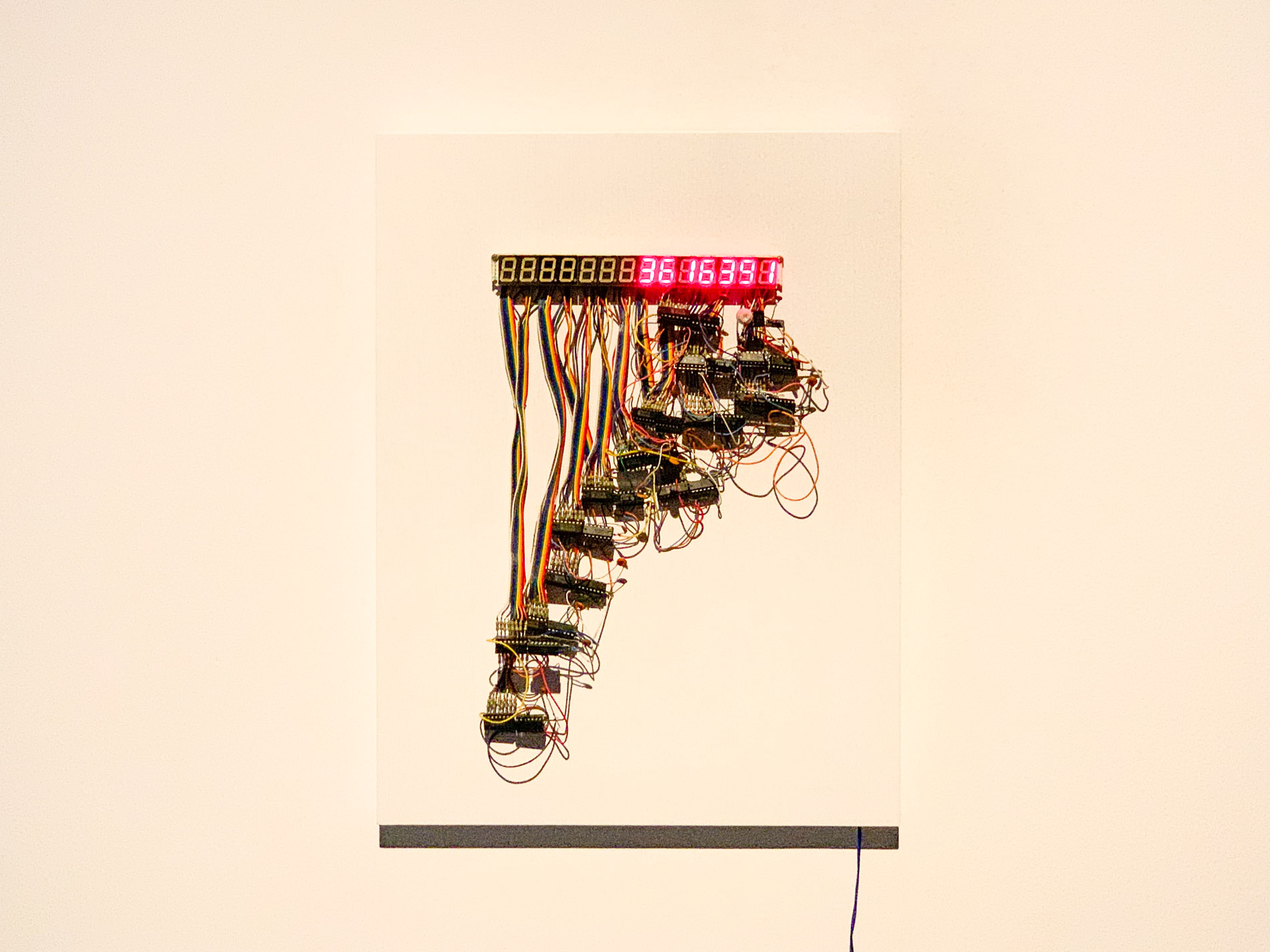
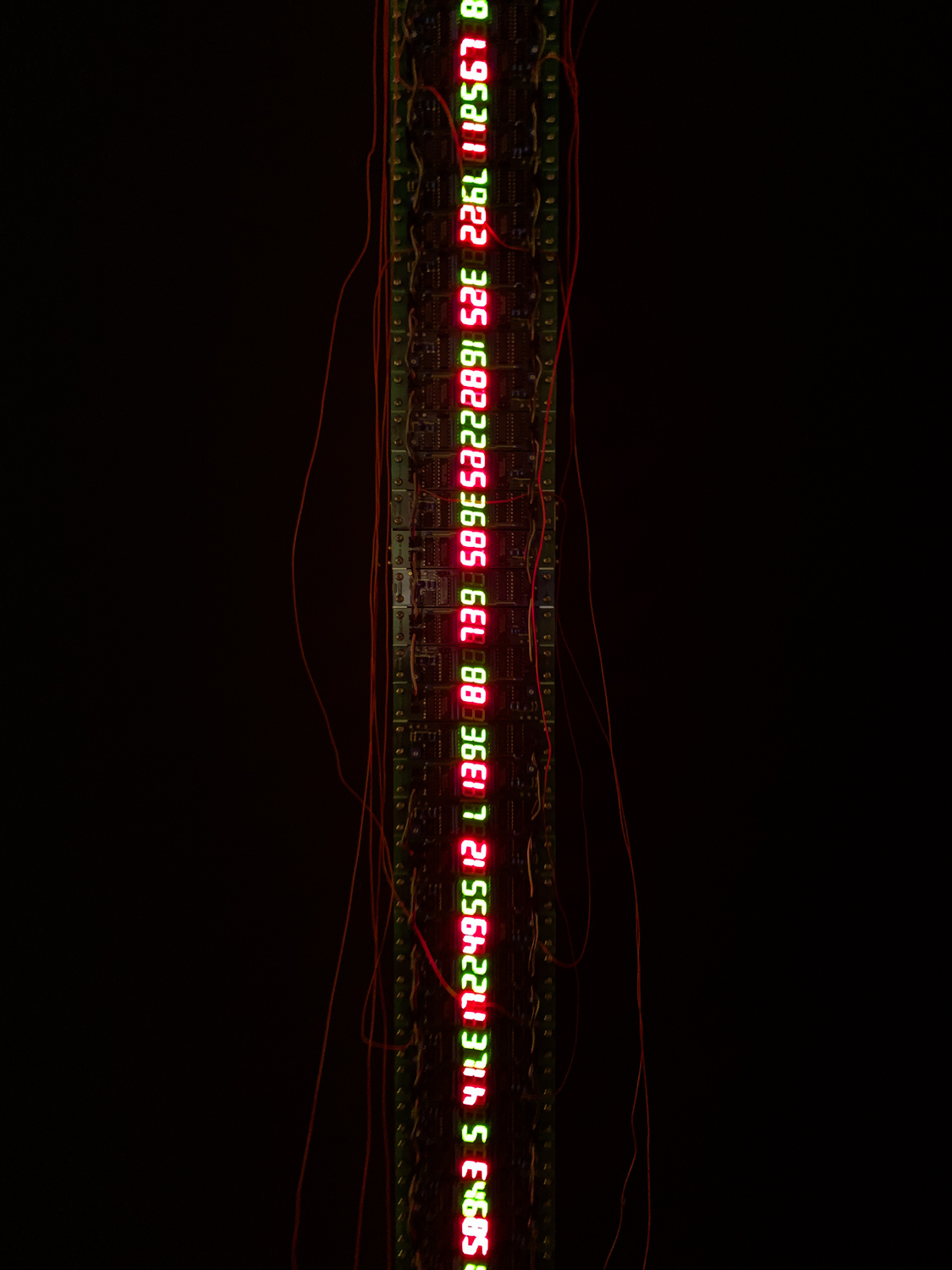
Tatsuo Miyajima, “Sea of Time — Tohoku Project (2020 Tokyo),” 2020, Waterproof LEDs, wire, IC, waterGreen and blue LED counters slowly tick away as a soft, stream-like sound of water plays in the background.Installation viewInstallation viewTatsuo Miyajima, “Clock for 300,000 Years,” 1987, LEDs, electronic circuits, wire and others, 32x21x4.5cmInstallation viewInstallation viewTatsuo Miyajima, “Monism/Dualism,” 1989, LEDs, electronic circuits, wire, aluminum panel, 296.3x11x3.5cm, Collection: The National Museum of Modern Art, Kyoto
STARS展:当代艺术之星——从日本走向世界
本次探访了Mori Art Museum正在举办的”STARS展:当代艺术之星——从日本走向世界”。
本次参展的是三件代表性作品。
其中,《Sea of Time — Tohoku Project (2020 Tokyo)》(2020年)是一件旨在悼念东日本大地震遇难者、传承震灾记忆的装置作品,同时也是1988年第43届威尼斯双年展”Aperto 88″上展出的《Sea of Time》的延伸发展。
本作由719个LED构成,是该系列中规模最大的装置之一。
Tatsuo Miyajima
1957年生于东京。 基于”它持续变化””它与一切事物建立联系””它永远延续”这三个概念,主要创作使用数字计数器、以变化的数字为核心的装置与立体作品。 1988年在第43届威尼斯双年展青年艺术家单元”Aperto 88″上展出《Sea of Time》,获得国际关注。1997年于伦敦Hayward Gallery举办个展,此后在世界各地举办个展。 1999年被选为第48届威尼斯双年展日本馆代表艺术家。作品在关注时间这一普遍概念的同时,融合了佛教思想与科技元素,获得国际赞誉。近年也曾在北京UCCA、上海民生美术馆等处举办个展。 另一方面,1996年发起”Revive Time: Kaki Tree Project”,将源自长崎受爆柿树的树苗种植到世界各地;自2017年起,为悼念东日本大地震遇难者、传承震灾记忆而持续创作《Sea of Time — Tohoku》,积极投身于社会参与型项目。
Tatsuo Miyajima在Museum of Contemporary Art Tokyo常设展出的作品规模十分宏大。以下报道也请一并阅读。
Tatsuo Miyajima《Sea of Time — Tohoku Project (2020 Tokyo)》2020年 防水LED、电线、集成电路、水伴随着如溪流般的水声作为背景音,绿色与蓝色的LED计数器缓缓地计数着。展示现场展示现场Tatsuo Miyajima《Clock for 300,000 Years》1987年 发光二极管、电子电路、电线等 32x21x4.5cm展示现场展示现场Tatsuo Miyajima《Monism/Dualism》1989年 发光二极管、电子电路、电线、铝板 296.3x11x3.5cm 收藏:The National Museum of Modern Art, Kyoto
STARS전: 현대미술의 스타들—일본에서 세계로
Mori Art Museum에서 개최 중인 “STARS전: 현대미술의 스타들—일본에서 세계로”를 관람했습니다.
Mori Art Museum
STARS전은 2020년 개최 예정이었던 도쿄 올림픽에 맞추어 기획되었으나, 코로나19의 영향으로 시기를 조정한 끝에 개최에 이르렀습니다.
본전은 일본이라는 틀을 넘어 국제적으로 폭넓게 활약하며 오늘날 다양한 지역과 세대로부터 높은 평가를 받고 있는 6명의 아티스트를 선정, 그들의 초기 작품과 최신작을 연결시키는 형태로 활동의 궤적을 소개합니다.
그들의 실천은 세계로부터 어떻게 평가받아 왔는가. 국경과 문화를 넘어선 보편적인 과제의 추구, 전통과 미학, 테크놀로지와 서브컬처 등, 일본 고유의 사회적·문화적·경제적 배경을 바탕으로 이를 탐구합니다.
또한 1950년대부터 오늘날까지 해외에서 개최된 주요 일본 현대미술전에 관한 자료도 전시하여, 각 시대의 평가 축과 계보를 검증합니다.
Tatsuo Miyajima
본 기사에서는 발광 다이오드(LED)를 사용한 디지털 카운터 등, LED 작품을 특징으로 하는 Tatsuo Miyajima의 전시를 다룹니다.
이번에 출품된 것은 대표적인 3점의 작품.
그중에서도 “Sea of Time — Tohoku Project (2020 Tokyo)”(2020년)는 동일본대지진 희생자의 진혼과 재해의 기억 계승을 기원하는 인스톨레이션으로, 1988년 제43회 베니스 비엔날레 “Aperto 88″에 출품된 “Sea of Time”의 발전형이기도 합니다.
719개의 LED로 구성된 본 시리즈 최대 규모의 인스톨레이션으로 전시되었습니다.
Tatsuo Miyajima
1957년 도쿄 출생. “그것은 계속 변화한다” “그것은 모든 것과 관계를 맺는다” “그것은 영원히 계속된다”라는 컨셉에 기반하여, 숫자가 변화하는 디지털 카운터를 사용한 인스톨레이션 및 입체 작품을 중심으로 제작 활동을 하고 있다. 1988년 제43회 베니스 비엔날레의 젊은 작가 부문 “Aperto 88″에서 “Sea of Time”을 전시하여 국제적인 주목을 받았고, 1997년 런던 Hayward Gallery에서의 개인전을 시작으로 세계 각지에서 개인전을 개최하고 있다. 1999년 제48회 베니스 비엔날레에서는 일본관 대표로 선정되었다. 시간이라는 보편적인 개념을 다루면서도 불교적 사상과 테크놀로지라는 요소를 융합시켜 국제적 평가를 얻고 있다. 최근에는 베이징 UCCA, 상하이 민생미술관 등에서도 개인전이 개최되었다. 한편, 1996년에는 나가사키에서 피폭된 감나무를 뿌리로 하는 묘목을 세계 각지에 심는 “Revive Time: Kaki Tree Project”를 시작하였고, 2017년부터는 동일본대지진 희생자의 진혼과 재해의 기억 계승을 기원하며 “Sea of Time — Tohoku”를 지속적으로 제작하는 등, 사회적 참여형 프로젝트에도 힘을 기울이고 있다.
Tatsuo Miyajima의 작품은 Museum of Contemporary Art Tokyo에 상설 전시되어 있는 작품이 거대합니다. 아래 기사도 함께 봐 주십시오.
Tatsuo Miyajima “Sea of Time — Tohoku Project (2020 Tokyo)” 2020년 방수 LED, 전선, 집적회로, 물시냇물 소리 같은 물소리를 BGM으로 초록색과 파란색 LED 카운터가 천천히 카운트를 새겨 갑니다.전시 전경전시 전경Tatsuo Miyajima “Clock for 300,000 Years” 1987년 발광 다이오드, 전자회로, 전선 외 32x21x4.5cm전시 전경전시 전경Tatsuo Miyajima “Monism/Dualism” 1989년 발광 다이오드, 전자회로, 전선, 알루미늄 패널 296.3x11x3.5cm 소장: The National Museum of Modern Art, Kyoto