“The Art of Hara Sankei — The Legendary Collection”
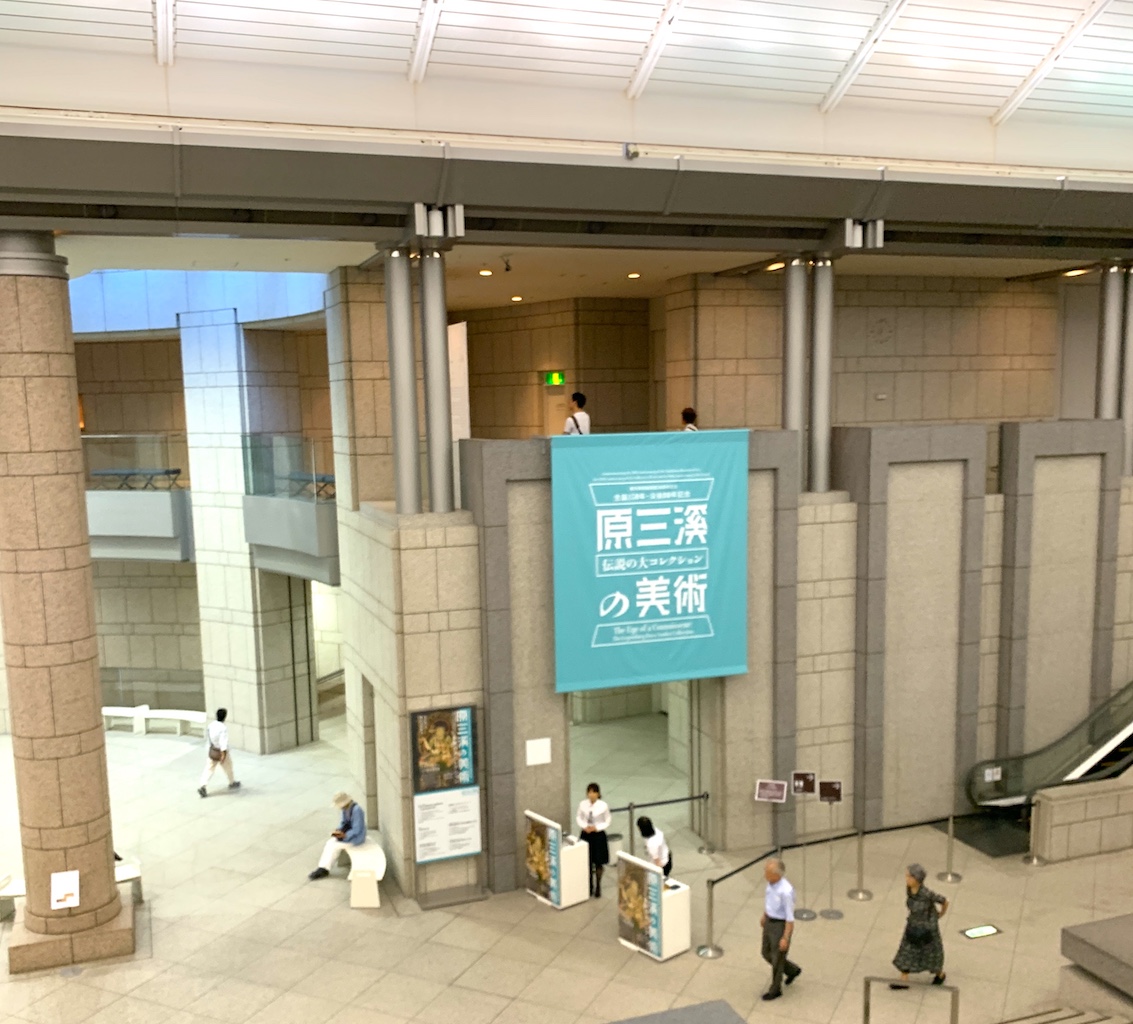
I visited the Hara Sankei exhibition. The venue is the Yokohama Museum of Art.
“The Art of Hara Sankei — The Legendary Collection,” Yokohama Museum of Art
Hara Sankei (1868–1939) was a businessman who made his fortune in the raw silk trade and silk manufacturing.
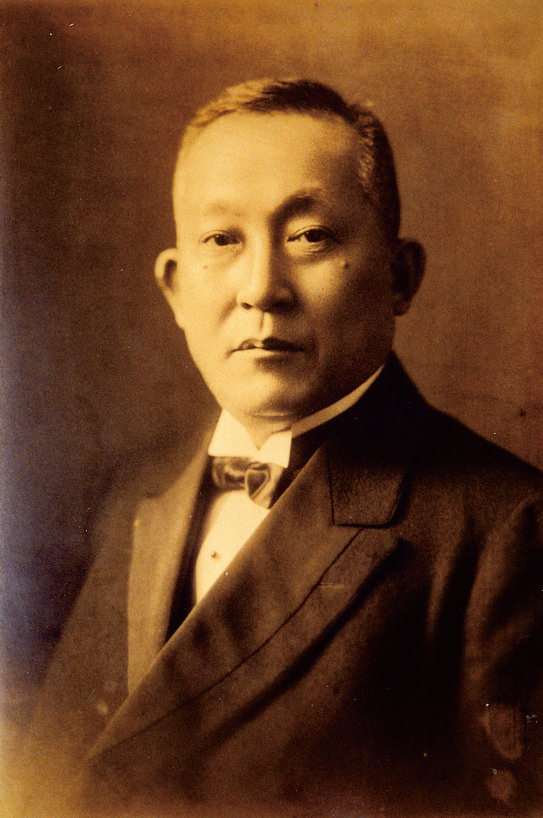
Hara Sankei (real name: Tomitaro Hara) Courtesy of Sankeien Garden
Alongside his business, Hara Sankei was an art collector who energetically gathered antiques according to his own vision of history. He was also an artist himself, skilled in painting, calligraphy, and Chinese poetry, and a patron who actively supported and nurtured promising contemporary artists of his time.
Hara Sankei wore many hats, and this exhibition presents him from four angles: collector, tea master, artist, and patron.
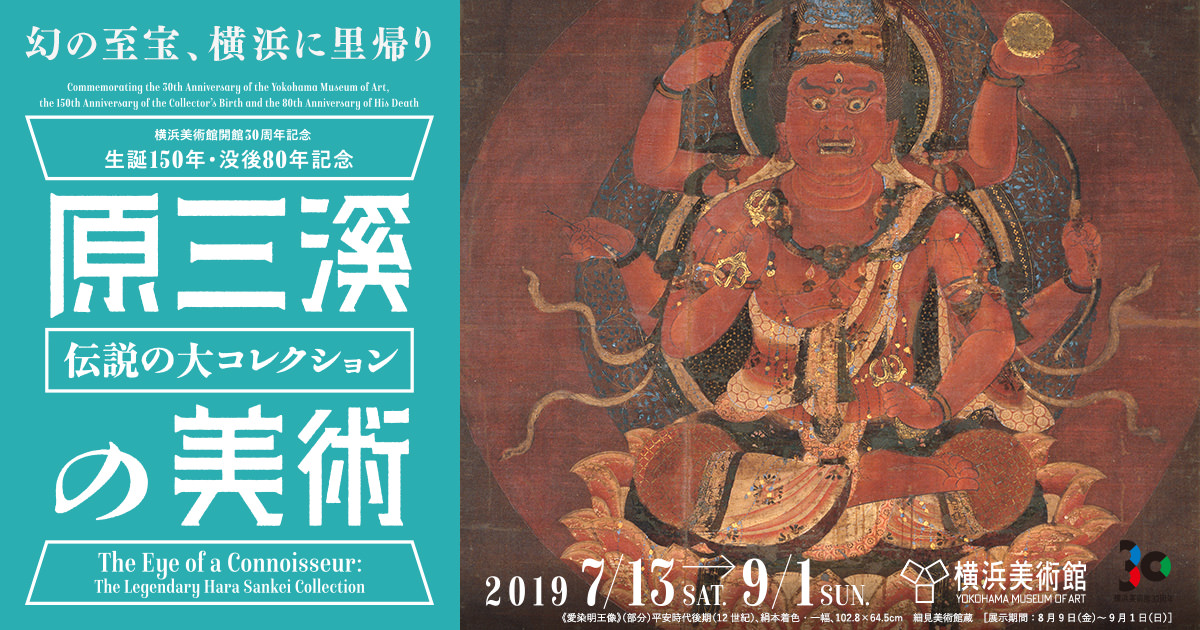
The key visual for the exhibition
Looking at Hara Sankei as an art collector
Reviews of this exhibition are available in many articles, so in true Burart fashion, I’d like to look at Hara Sankei from the perspective of an “art collector.”
Enormous collection budgets
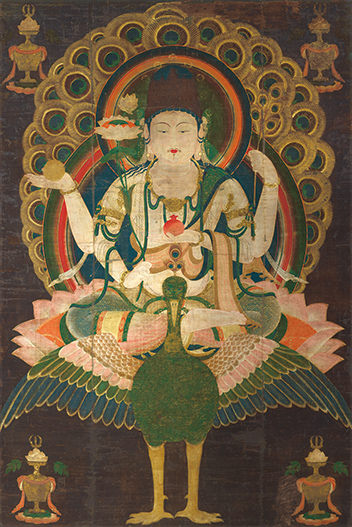
Undoubtedly the most eye-catching piece is the National Treasure “Peacock Wisdom King (Kujaku Myoo).”
It’s a National Treasure that he obtained in Meiji 36 (1903) from then-Finance Minister Kaoru Inoue for “10,000 yen.”
“Peacock Wisdom King (Kujaku Myoo),” late Heian period (12th century), color on silk, one hanging scroll, 147.9 × 98.9 cm, Collection of Tokyo National Museum
It may be hard to grasp what 10,000 yen was worth at the time, but this was an era when 6 yen a month was enough to live on — so it was an unimaginably enormous sum. Converted to today’s prices, it can be estimated at tens of millions of yen. At the time, even 5,000 yen was said to be reckless, and paying still more than that made a big impression on those around him and firmly established his presence as a collector.
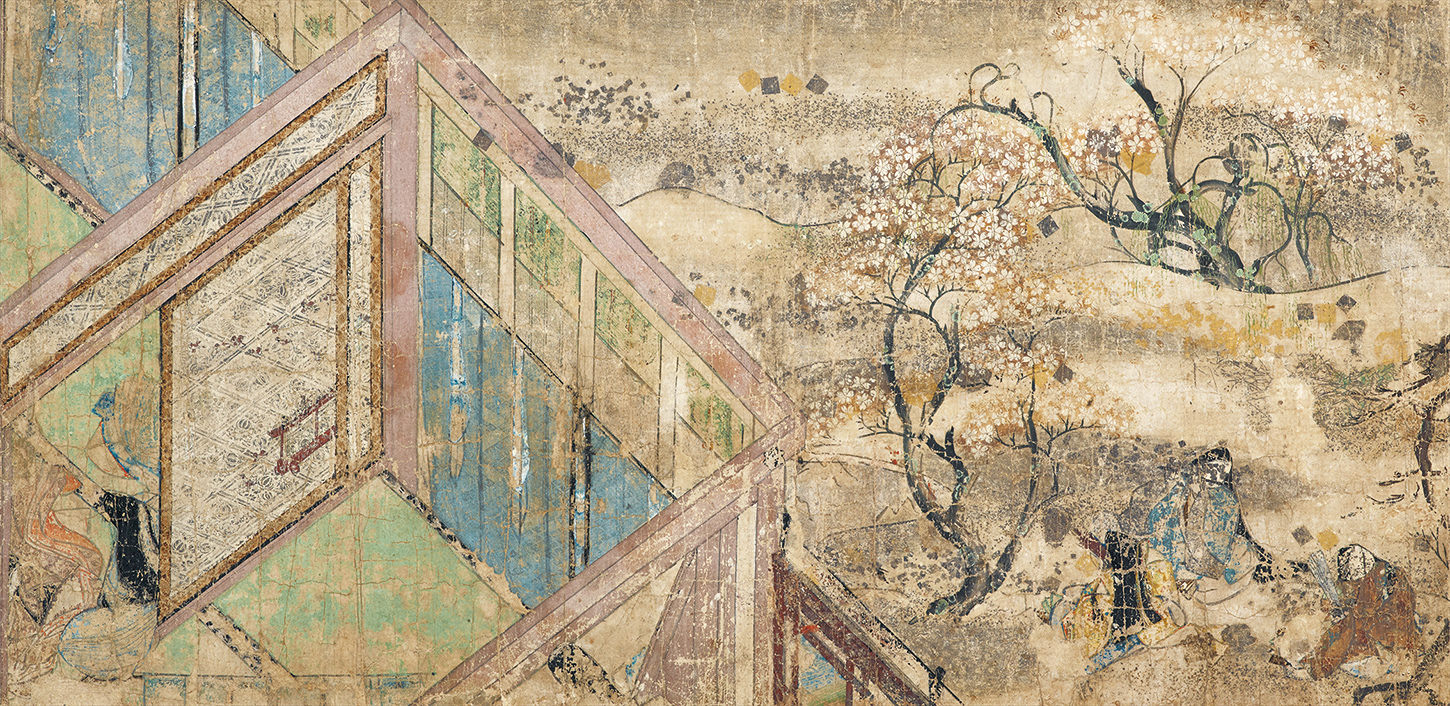
“Nezame Monogatari Emaki” (detail), late Heian period (12th century), color on paper, one handscroll, 26.0 × 533.0 cm, Collection of the Yamato Bunkakan
Thorough work management
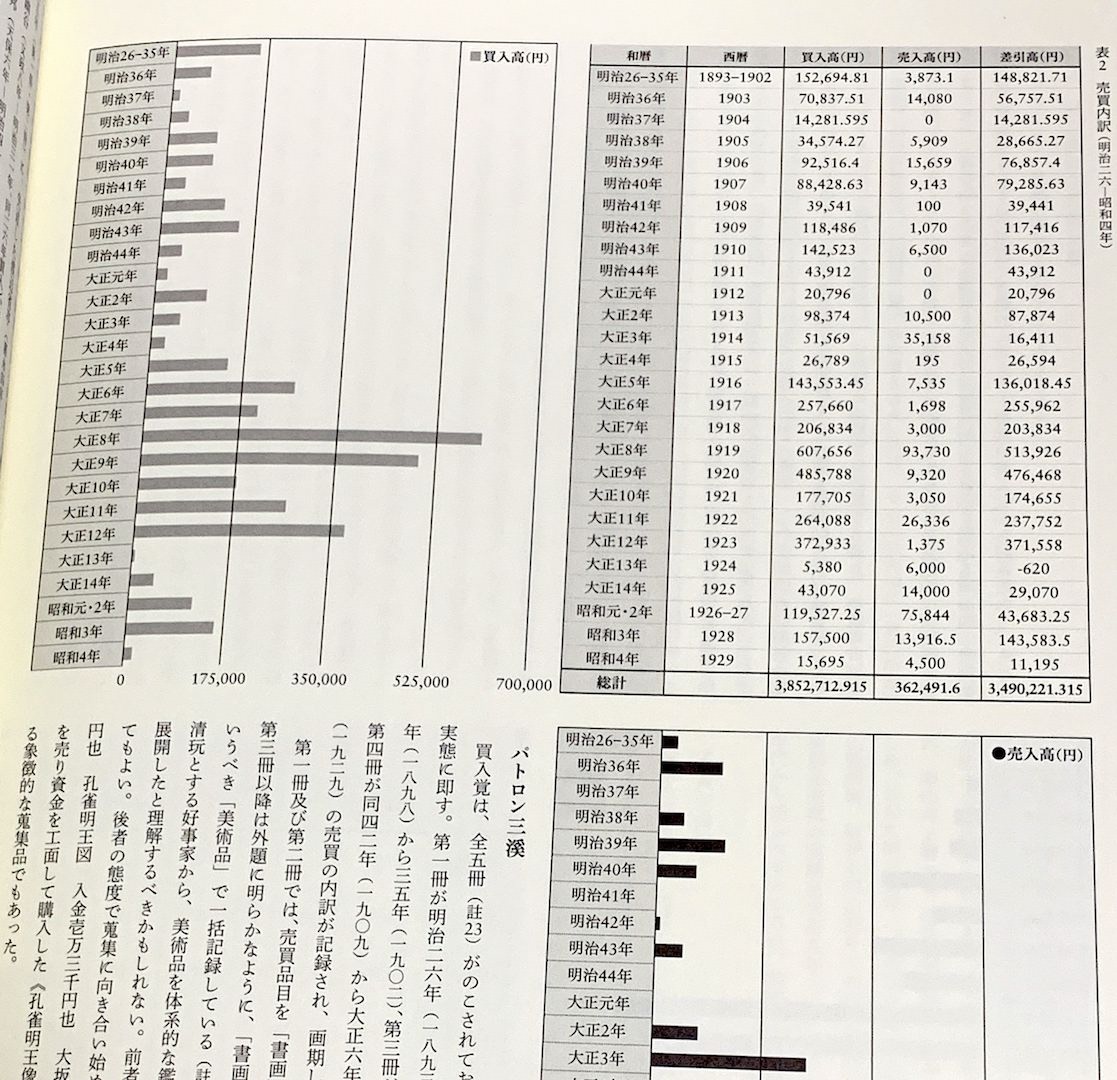
One of the greatest lessons we can learn from Hara Sankei as a collector is his rigorous management (registration) of the works he collected. He kept meticulous records for each piece, and those records can be seen at this exhibition.
His management of purchase and sale prices was flawless — from the Hara Sankei exhibition catalogue
Along with managing the works in his collection, he also kept records of how he financed each purchase.
For example, to raise the 10,000 yen for “Peacock Wisdom King,” he sold off 13,000 yen worth of his personal assets — and that record still survives.
The author himself, and many collector friends around me, struggle with how to manage our works.
A work’s provenance and information have to be properly recorded by the collector and passed on to the next generation. There’s a great deal to learn from Hara Sankei.
Incidentally, the author uses the cloud service Evernote. This free tool makes it easy to attach images and add tags, but it’s still some way from a fully satisfying management system.
His role as a patron
Support for contemporary artists was another of Hara Sankei’s major activities.
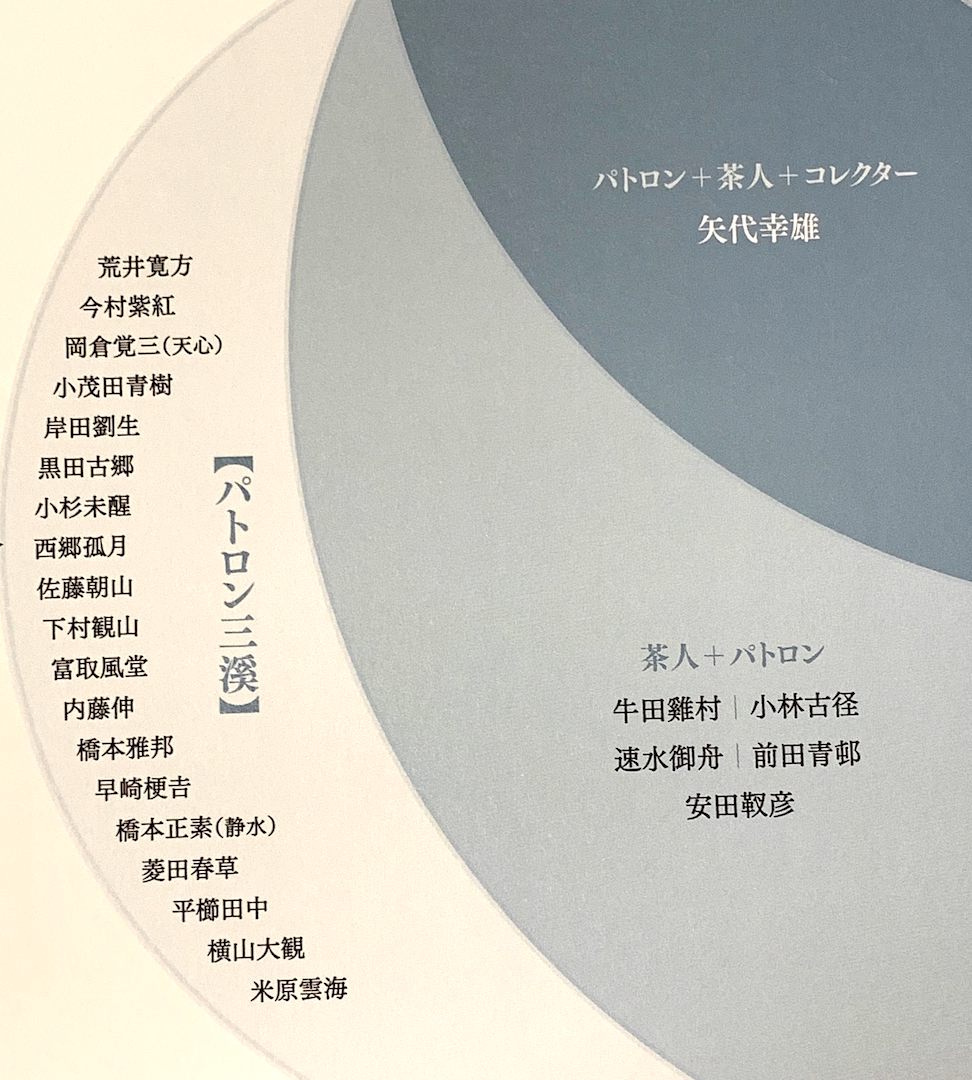
Beyond simply purchasing their works, he covered living expenses and travel abroad, and the scope of his patronage was very broad.
Artists whom Hara Sankei supported as a patron
The author occasionally purchases works directly from student artists and others not represented by galleries.
But are there really any collectors today who go so far as to underwrite living expenses? Even among big-name collectors, you rarely hear of it.
In closing
Hara Sankei left us a wonderful legacy of artworks.
At the same time, we were able to learn about his broader activities as a collector around that collection.
After viewing the show, it became an opportunity for me to look back at my own collection management once again.
Some web services have begun to offer solutions for user collection management.
In today’s era when we can manage collections with images attached, unlike Hara Sankei’s day, digital-format management seems set to become the mainstream.
I look forward to the emergence of platforms and tools that today’s art collectors can all use in common.
「Hara Sankei(原三溪)的美术 传说的大收藏」
我前去观赏了Hara Sankei展。会场是Yokohama Museum of Art(横滨美术馆)。
「Hara Sankei的美术 传说的大收藏」Yokohama Museum of Art(横滨美术馆)
Hara Sankei는 실업가이면서, 독자적인 역사관에 근거해 고미술품을 정력적으로 수집한 아트 컬렉터였다. 스스로도 서화와 한시에 능한 아티스트이기도 했으며, 동시대의 유망한 미술가들을 적극적으로 지원하고 길러낸 패트런이기도 했다.
다양한 얼굴을 지닌 Hara Sankei를, 본 전시는 「컬렉터」「차인(茶人)」「아티스트」「패트런」네 가지 측면에서 펼쳐 보이는 미술전이다.
본 전시의 키 비주얼
아트 컬렉터로서 Hara Sankei를 본다
본 전시의 리뷰는 여러 기사에서 다루고 있으므로, Burart답게 「아트 컬렉터」의 시각으로 정리해 보고자 한다.
거액의 컬렉션 자금
뭐니 뭐니 해도 본 전시 최대의 주목작은 국보 《공작명왕상 (孔雀明王像)》이다.
메이지 36년(1903년), 당시 대장대신이었던 Kaoru Inoue로부터 「1만 엔」에 입수한 국보이다.
《공작명왕상》 헤이안 시대 후기(12세기), 견본 채색・1폭, 147.9×98.9cm, Tokyo National Museum (도쿄국립박물관) 소장
당시의 1만 엔이라고 하면 감이 잘 잡히지 않을 수 있지만, 한 달에 6엔이면 살아갈 수 있는 시대였으므로 상상을 뛰어넘는 거액이다. 현대 시세로 환산하면 수천만 엔 수준의 가격대로 추정된다.
당시에는 5,000엔조차 무모하다는 말이 나왔다고 하는데, 그보다도 더 높은 가격으로 매입한 것은 주위에 큰 임팩트를 주었으며, 컬렉터로서의 존재감을 크게 각인시킨 것으로 보인다.
《네자메 모노가타리 에마키》※부분 헤이안 시대 후기(12세기), 지본 채색・1권, 26.0×533.0cm, 야마토분카칸(Yamato Bunkakan) 소장
철저한 작품 관리
컬렉터로서 Hara Sankei에게 배울 큰 점 하나는, 수집한 작품에 대한 철저한 관리(레지스트레이션)이다. 작품 하나하나에 대해 꼼꼼히 기록을 남겼으며, 본 전시에서도 그 기록을 확인할 수 있다.
매입 가격과 매각 가격의 관리는 완벽했다 — Hara Sankei 전 도록에서
컬렉션 작품의 관리는 물론, 구입을 위해 자금을 조달한 기록도 남아 있다.
예컨대 《공작명왕상》 구입 시에는, 매입가 1만 엔을 조달하기 위해 사재 13,000엔 어치를 매각한 기록이 남아 있다.
필자도 그렇지만, 작품의 관리 방법에 고민하는 컬렉터 지인들이 매우 많다.
작품의 유래와 정보 관리는 컬렉터로서 제대로 기록해, 다음 세대에 물려주어야 한다. Hara Sankei에게 배울 부분은 매우 컸다.
참고로 필자는 Evernote라는 클라우드 서비스를 사용하고 있다. 무료 도구로 이미지 첨부와 태그 지정 등을 손쉽게 할 수 있지만, 만족스러운 관리 방법과는 아직 다소 거리가 있다.
패트런으로서의 역할
동시대 아티스트에 대한 지원 역시 Hara Sankei의 큰 사업 중 하나였다.
작품 매입뿐만 아니라 생활비 마련, 도항 비용 지급 등, 그 범위는 매우 넓었다고 한다.
Hara Sankei가 패트런으로서 지원한 작가들
필자는 갤러리에 소속되지 않은 학생 작가로부터 직접 작품을 구입하기도 한다.
그러나, 지금 시대에 생활비까지 마련해 지원하는 컬렉터가 과연 있을까? 대형 컬렉터라도 그런 이야기는 좀처럼 듣지 못한다.
맺으며
Hara Sankei는 훌륭한 미술품을 우리에게 남겨 주었다.
동시에, 그 컬렉션을 둘러싼 일련의 컬렉터 활동을 알 수 있는 기회이기도 했다.
관람 후에는 스스로의 컬렉션 관리를 다시금 돌아보는 기회로 이어졌다.
일부 웹 사업자들은 사용자의 컬렉션 관리와 관련된 서비스를 제공하기 시작하고 있다.
이미지와 함께 관리할 수 있는 현대의 경우, Hara Sankei의 시대와 달리 디지털 형식에 의한 관리가 주류가 될 것으로 보인다.