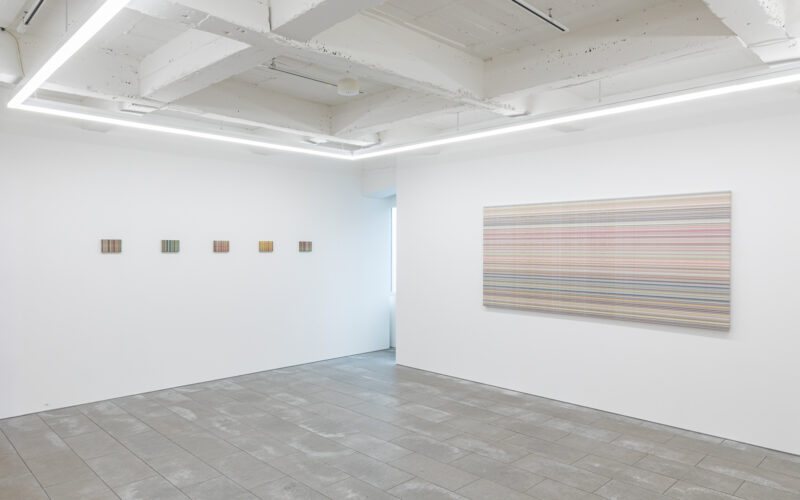
前田征紀 「溌墨智異竜宮山水図」
前田征紀さんの個展「溌墨智異竜宮山水図」を鑑賞するため、タカ・イシイギャラリーさんへお伺いしました。
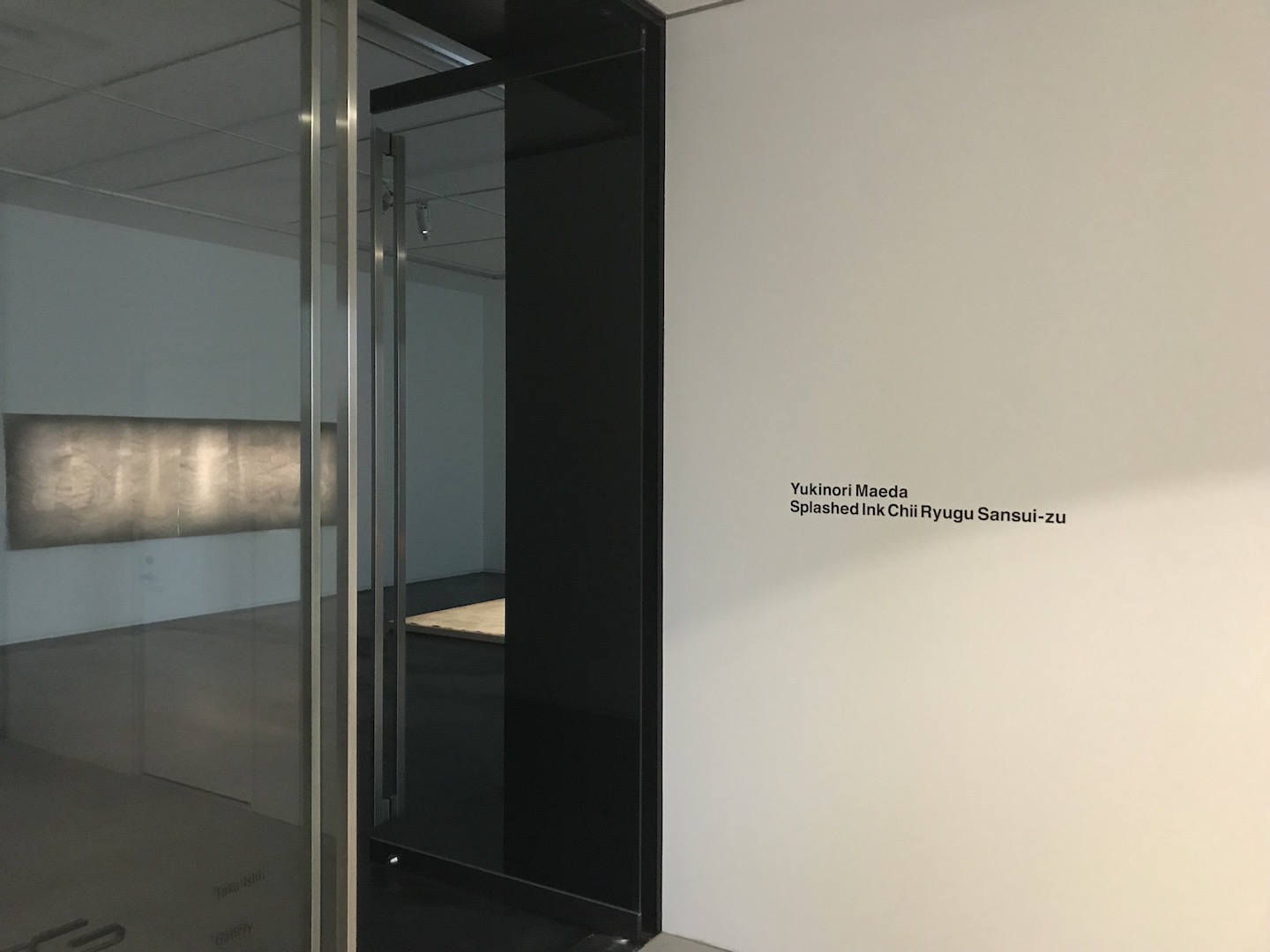
本展は水を通し、あたらしい“波動の光景”を出現させる試みということで、静謐なギャラリーの中にピンと張った水面を息を殺してみるような緊張感がありました。
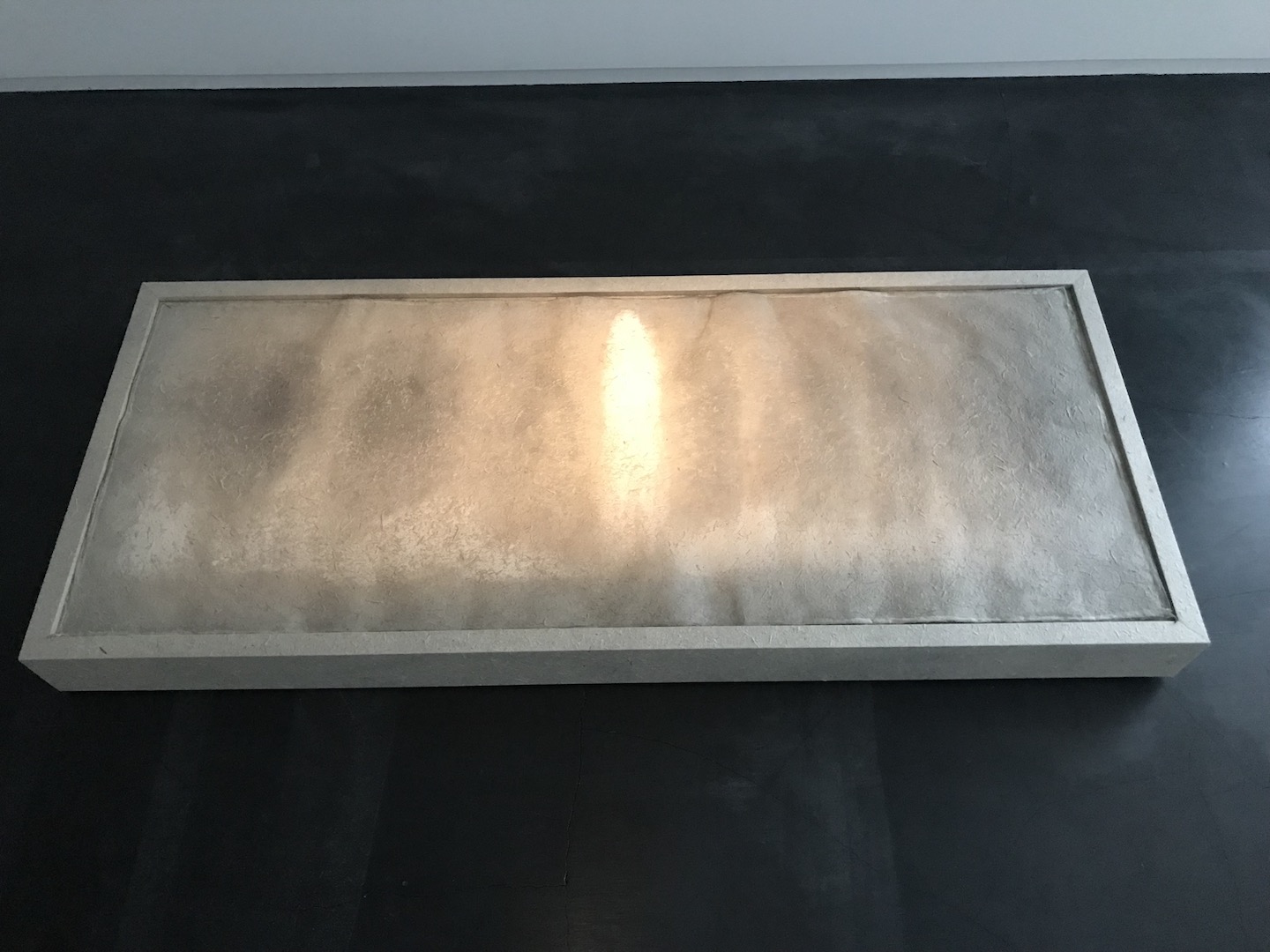
本展タイトルにある「竜宮」は、龍神が住むという想像上の宮殿で、その場所の多くは岩穴の奥や海の底、もしくは海の地平線の彼方にあるといわれる。
『古事記』によると「魚鱗のごと造れる宮室、それ綿津見の神の宮」とある一方、『平家物語』では、死者の赴く世界(巻11「先帝御入水の事」)のように記されている。
現在、作家が暮らす京都北部の里山は古代、大陸の百済から人が渡来し開村したと言われ、百済から北緯35度沿いには竜宮伝説がある。また、龍について別の視点から考察した前田は、それは縄文時代の精神であり、古代に封印され、いま解放されるものだという。そして、里山の奥にある谷の草葺屑屋の住居とアトリエを、この世とあの世のあわいのようなところと感じた前田は、そこを「竜宮」と名付けた。
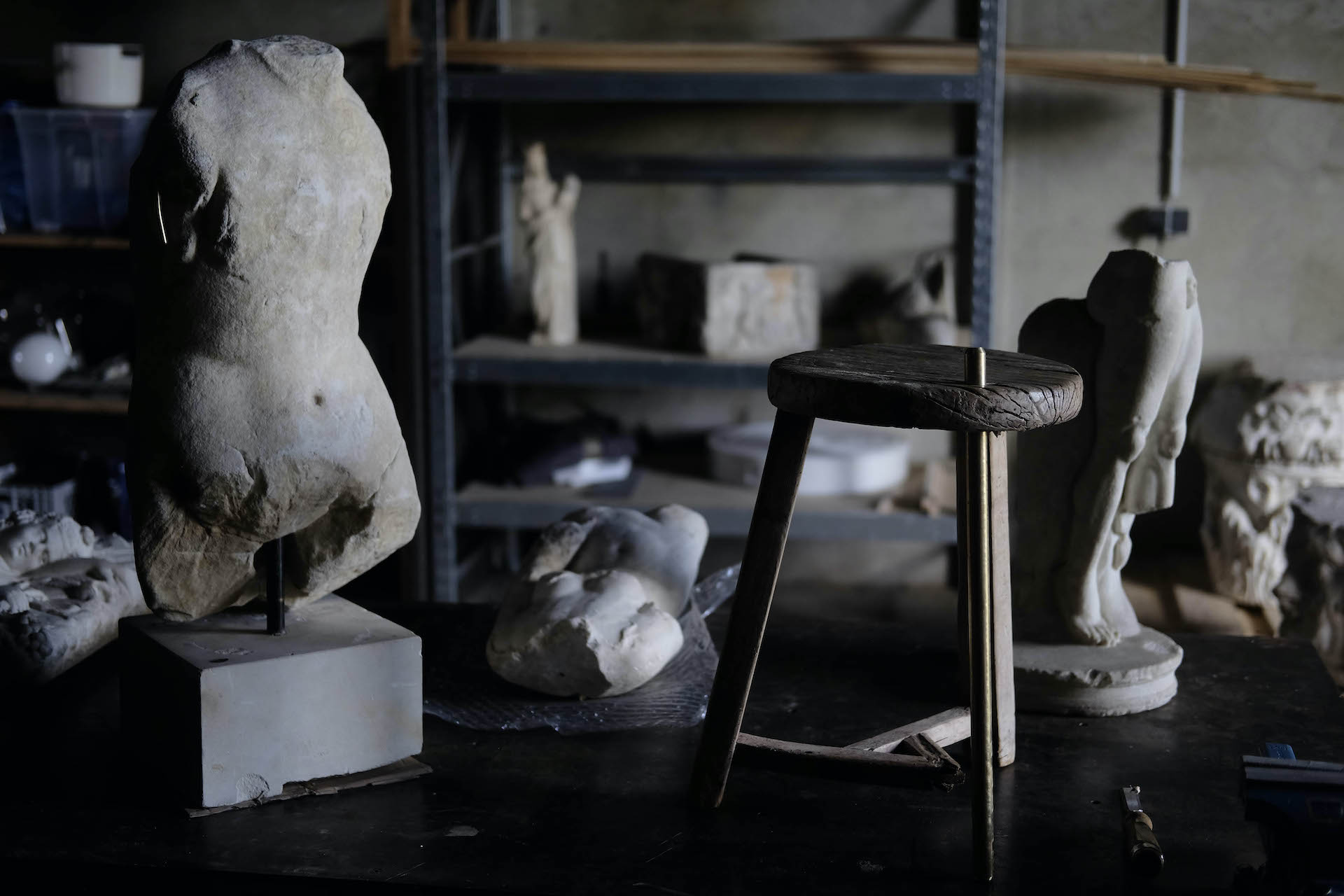
今回の個展では、その竜宮と山里にある水、水晶まじりの石、屋根の茅、囲炉裏の灰などを用いたインスタレーション作品を発表する。
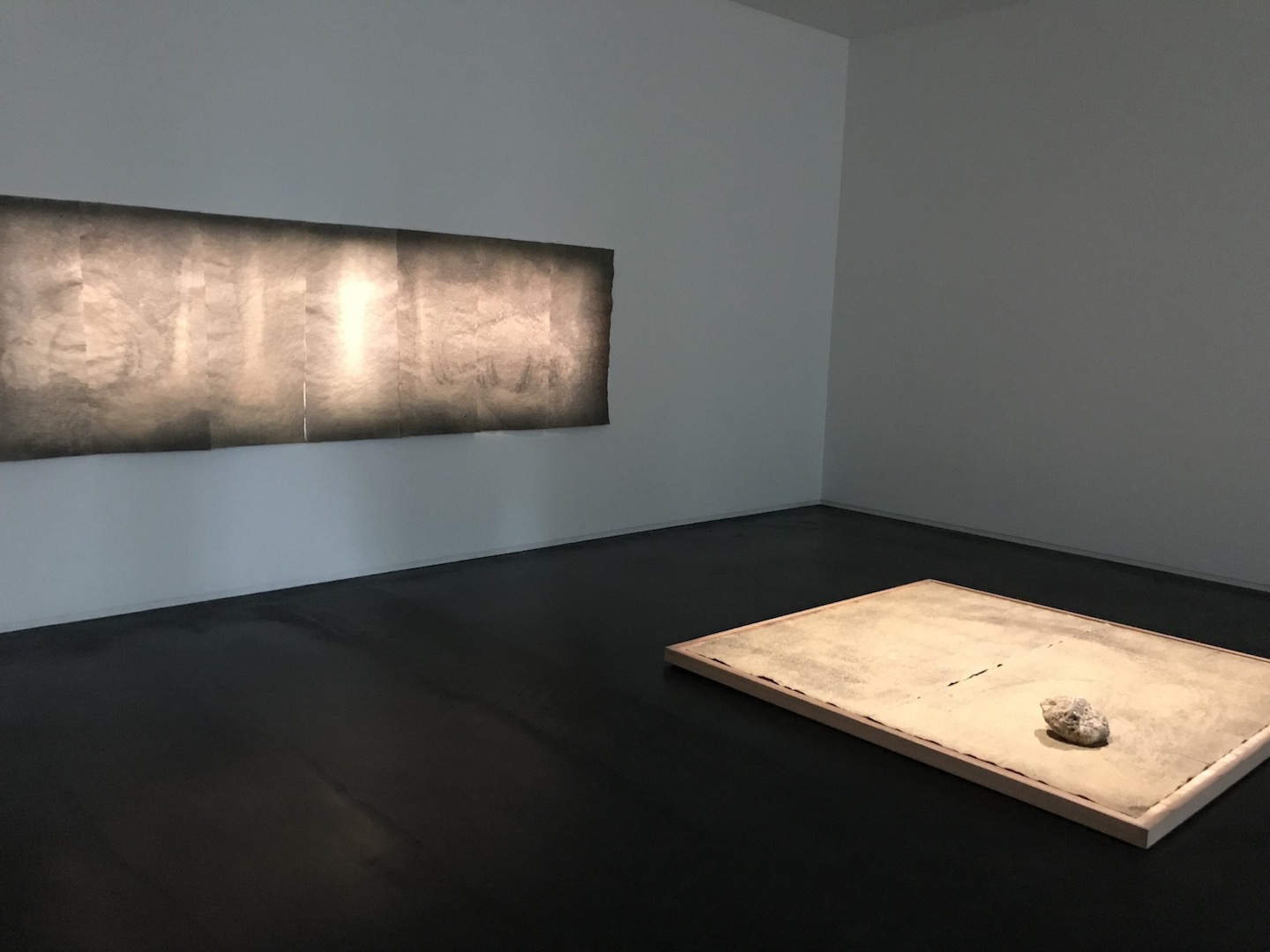
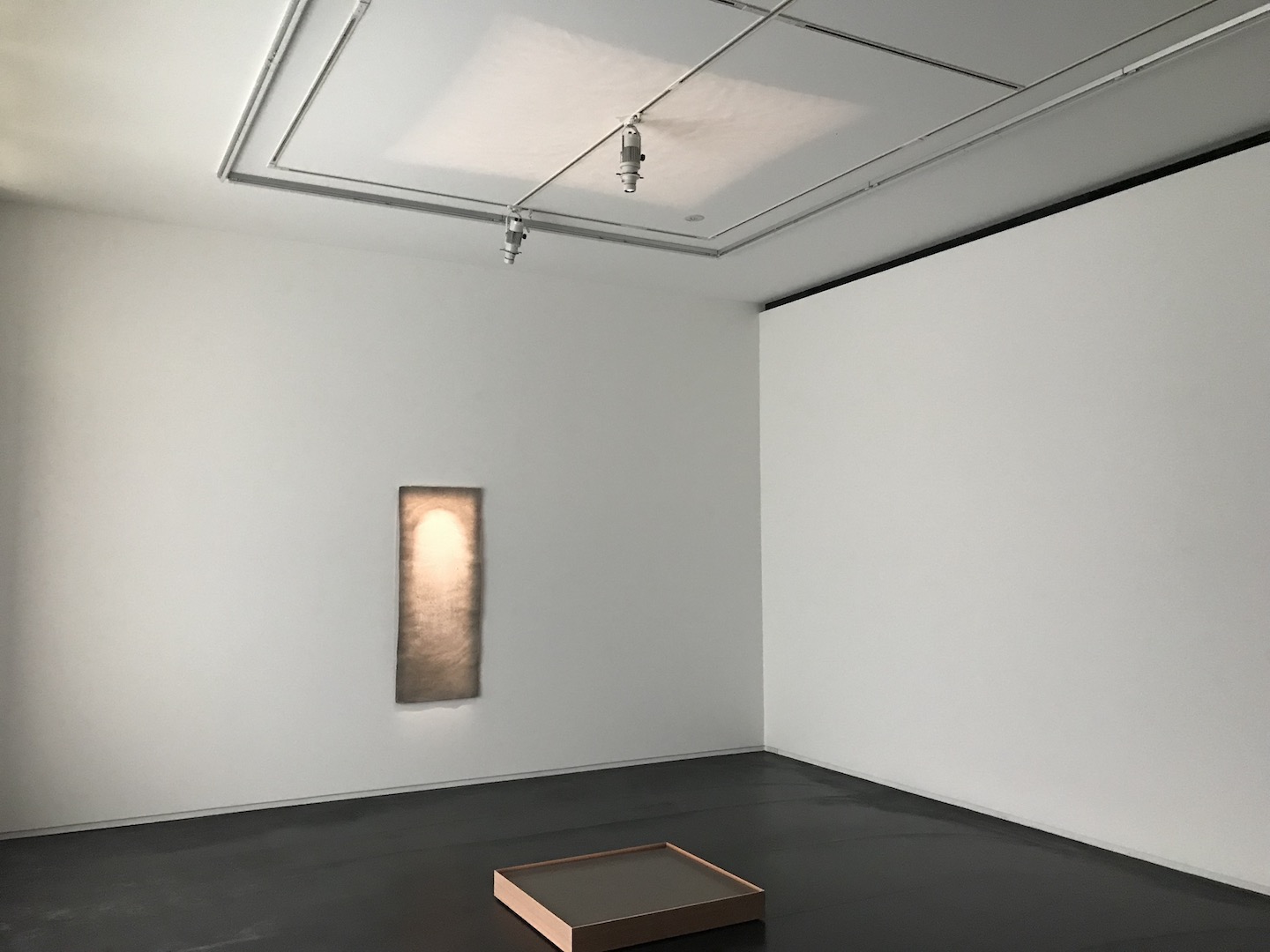
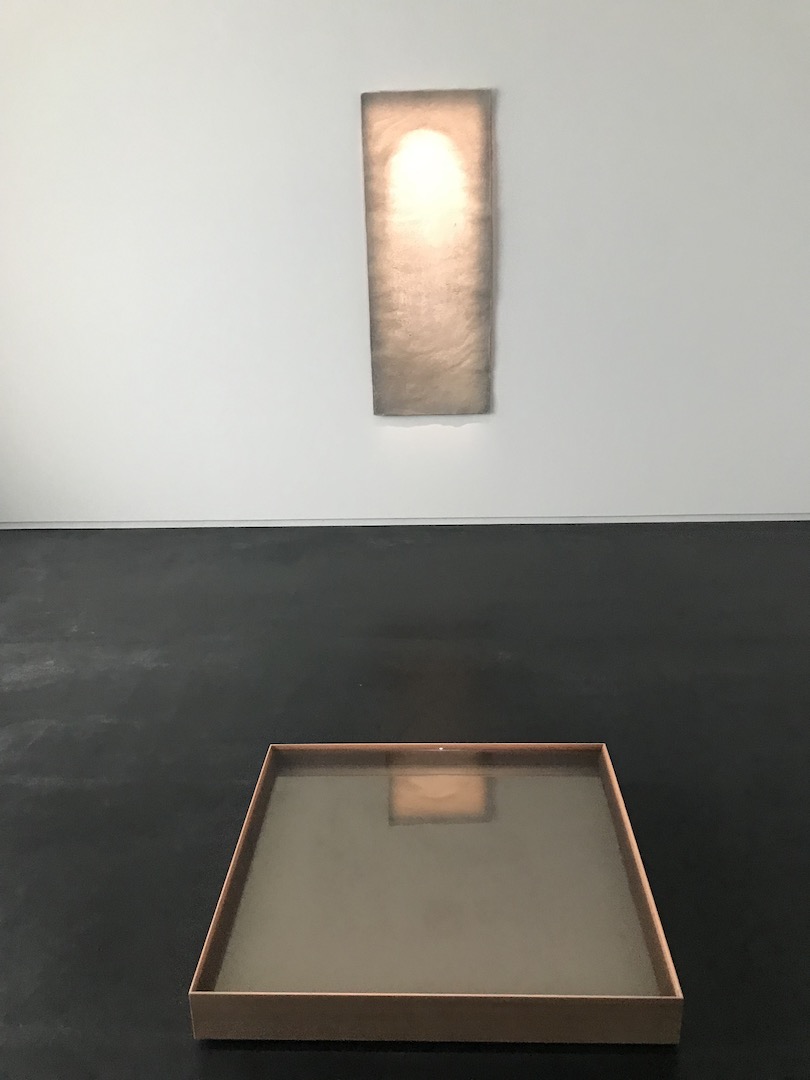
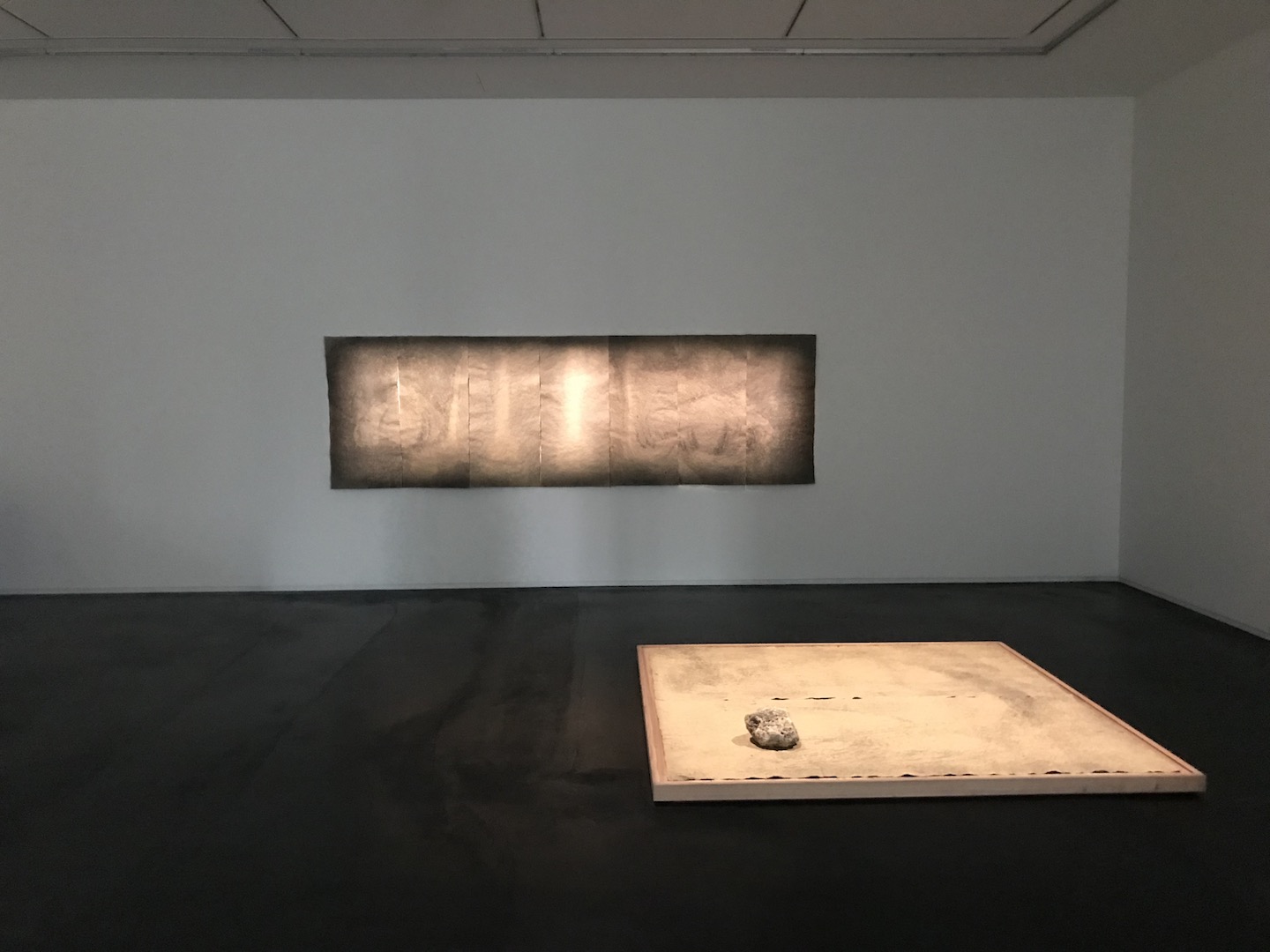
こういったインスタレーションを静かなギャラリーで見る贅沢ってとっても幸せですね。心が浄化されたように感じ、会場をあとにしました。
Yukinori Maeda “Splashed-Ink Chiri Ryugu Landscape”
I visited Taka Ishii Gallery to see Yukinori Maeda’s solo exhibition “Splashed-Ink Chiri Ryugu Landscape.”

The exhibition is an attempt to bring forth a new “landscape of waves” through the medium of water. Inside the hushed gallery, there was a taut, breath-holding tension, as if looking at a perfectly still surface of water.
The “Ryugu” (Dragon Palace) in the title of this exhibition refers to the imaginary palace where the dragon deity is said to dwell. It is often said to lie deep inside a rock cave, at the bottom of the sea, or beyond the horizon of the ocean.
According to the “Kojiki,” “the palace built like fish scales — that is the palace of the sea god Watatsumi,” while in “The Tale of the Heike” (Book 11, “The Late Emperor’s Drowning”) it is described as a realm to which the dead depart.
The satoyama in northern Kyoto where the artist now lives is said to have been settled in ancient times by people who crossed over from Baekje on the Asian continent, and along the 35th parallel north extending from Baekje there is a tradition of Ryugu legends. Considering the dragon from a different perspective, Maeda holds that it is a spirit of the Jomon period, sealed away in antiquity and now being released. Sensing that the thatched hermit’s dwelling and studio in the depths of the mountain valley behind his village lies somewhere between this world and the next, Maeda named that place “Ryugu.”
For this solo exhibition, Maeda presents installation works using water from that “Ryugu” and its mountain village, stone flecked with quartz, thatch from the roof, and ashes from the hearth.


What a luxury it is to be able to see installation work like this in a quiet gallery. I left the venue feeling as though my mind had been purified.
Yukinori Maeda「泼墨智异龙宫山水图」
为观看 Yukinori Maeda 的个展「泼墨智异龙宫山水图」,我造访了 Taka Ishii Gallery。

本展是通过水来让全新的”波动之景”浮现的尝试,静谧的画廊中弥漫着一种如同屏息注视绷紧水面般的紧张感。
本展标题中的”龙宫”,是传说中龙神所居住的想象中的宫殿,其所在之处多被描述为岩穴深处、海底,或海平线的彼方。
据《古事记》记载:”如鱼鳞般建造的宫室,即绵津见之神的宫殿”;而在《平家物语》中(卷十一《先帝御入水之事》)则将其描写为亡者所前往的世界。
艺术家如今所居住的京都北部里山,据传在古代由来自朝鲜半岛百济的人渡海而来开村而成,而沿着从百济延伸至北纬35度一线也流传着龙宫传说。前田从另一视角思考龙这一存在时,认为它是绳文时代的精神,是在古代被封印、如今正被解放的事物。前田将里山深处山谷中的茅草屋住所与工作室视为此世与彼世之间的所在,并将其命名为”龙宫”。
本次个展,他将展出使用”龙宫”及其山村的水、含水晶的石头、屋顶茅草、地炉灰烬等制作而成的装置作品。


能在寂静的画廊里欣赏这样的装置作品,实在是一种非常幸福的奢侈。带着心灵被净化般的感受,我离开了会场。
Yukinori Maeda 「발묵 지리 용궁 산수도」
Yukinori Maeda의 개인전 「발묵 지리 용궁 산수도」를 관람하기 위해 Taka Ishii Gallery를 방문했습니다.

본전은 물을 통해 새로운 “파동의 풍경”을 출현시키려는 시도로, 정적에 잠긴 갤러리 안에는 팽팽하게 당겨진 수면을 숨죽여 바라보는 듯한 긴장감이 있었습니다.
본 전시의 제목에 있는 “용궁”은 용신이 산다고 여겨지는 상상 속의 궁전으로, 그 장소는 대부분 바위 동굴 안쪽, 바다 밑, 혹은 수평선 저편에 있다고 이야기됩니다.
『고사기(古事記)』에는 “물고기 비늘처럼 지은 궁실, 그것이 와타쓰미 신(綿津見の神)의 궁”이라 기록되어 있는 한편, 『헤이케 이야기(平家物語)』에서는 죽은 자가 향하는 세계(권11 「선제 입수의 일」)로 그려지고 있습니다.
작가가 현재 살고 있는 교토 북부의 사토야마는 고대에 대륙의 백제에서 사람들이 건너와 마을을 개척했다고 전해지며, 백제에서 이어지는 북위 35도선을 따라 용궁 전설이 남아 있습니다. 또한 용에 대해 다른 관점으로 고찰한 Maeda는, 용이란 조몬 시대의 정신이며 고대에 봉인되어 지금 해방되는 존재라고 말합니다. 그리고 사토야마 안쪽 골짜기에 있는 초가 지붕의 주거와 아틀리에를 이 세상과 저 세상의 경계와도 같은 곳으로 느낀 Maeda는, 그곳을 “용궁”이라 이름 붙였습니다.
이번 개인전에서는 그 용궁과 산마을에 있는 물, 수정이 섞인 돌, 지붕의 억새, 이로리(화로)의 재 등을 사용한 인스톨레이션 작품을 발표합니다.


이런 인스톨레이션을 고요한 갤러리에서 볼 수 있다는 것은 정말 큰 사치입니다. 마음이 정화된 듯한 느낌을 안고 회장을 뒤로했습니다.